

 Guide updated by Veedushi Bissessur on 27 February 2026
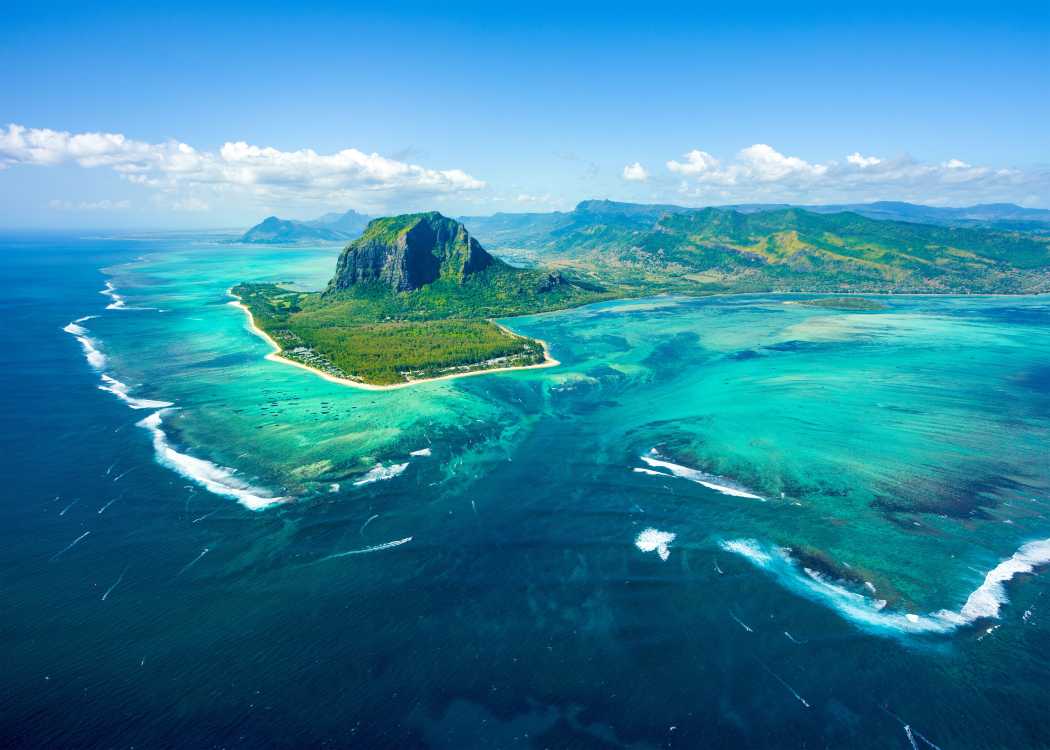
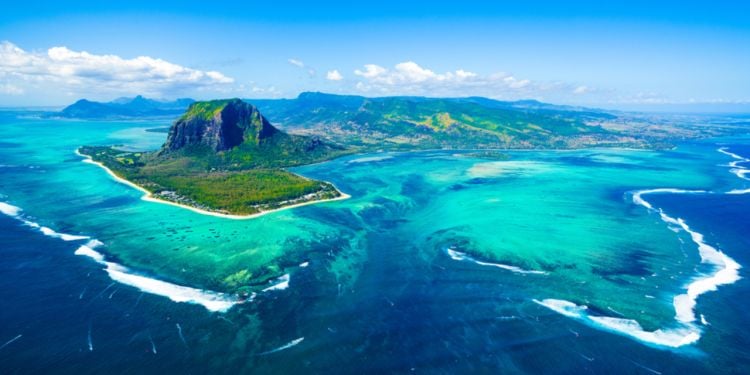
Nestled in the Indian Ocean, Mauritius attracts thousands of expats every year with its exceptional quality of life, tropical climate, and favorable tax regime. This island of 2,040 km² combines political stability, economic dynamism, and a harmonious multicultural society. With an expat population of around 12,000—mainly from France, South Africa, Germany and the United Kingdom—Mauritius offers an ideal setting for a new life under the tropics.

The expatriate guide to Mauritius is your reference tool to carry out your expatriation project for you and your family. You will find useful information and advice on how to make a success of your life in Mauritius
Five compelling reasons to move to Mauritius
- Attractive tax system: a maximum income tax rate of 20% and zero wealth tax, capital gains tax, or direct inheritance tax.
- Unparalleled quality of life: sunshine all year round with temperatures between 20°C and 35°C, white‑sand beaches and turquoise lagoons.
- Multilingualism: English, French and Mauritian Creole coexist harmoniously, making it easy for expats to integrate.
- Safe environment: political stability and a relatively low crime rate compared with the region.
- Modern infrastructure: high‑quality international schools, an efficient healthcare system, and reliable internet connectivity.
Your setup journey
Guide in 14 steps. Click any step below to jump directly to the section you need.
01Where to live in Mauritius
Choosing where to settle in Mauritius has a major impact on everyday life. Each part of the island has its own character and suits different types of expats. Here is an overview of the most popular towns and villages with practical information to help you decide.
Grand Baie and the north
Grand Baie has the highest concentration of expats and bustling commercial activity. This lively coastal village offers an active nightlife with numerous bars, restaurants, nightclubs and shopping centers. The areas of La Croisette and Chemin Vingt Pieds host many local and international company offices, making professional networking easier.
Rents are at the higher end: a two‑bedroom flat costs between Rs 25,000 and Rs 40,000 (~USD 520–840), while the price of a villa with a pool ranges from Rs 60,000 to Rs 120,000 (~USD 1,250–2,520). The area is home to several reputable schools, including the École du Nord (AEFE‑accredited), Northfields International School and the International Preparatory School. Being about 45 minutes from Port Louis makes administrative tasks easier.
Neighboring areas such as Pereybere, Trou aux Biches and Mont Choisy are more residential while still benefiting from northern amenities. These areas are especially popular with families seeking a balance between activity and tranquility.
Flic en Flac and the west
On the West Coast, Flic en Flac offers an excellent compromise between a beach lifestyle and urban convenience. The long public beach, cafés and shopping options attract both young professionals and families. Rents are slightly lower than in the north but still higher than the island average. The nearby village of Tamarin is loved by surfers and hosts the French school Paul et Virginie, while Rivière Noire and Albion offer quieter neighborhoods close to nature.
The centre
The central plateau (notably Moka, Quatre Bornes and Curepipe) provides more affordable rents and a deeper cultural immersion. Moka features the Ébène business hub and several reputable schools, making it an attractive option for families with children. Commuting times to the coast are longer, but the cooler climate appeals to those who prefer to escape the coastal heat.
The east and south
While the eastern and southern coasts are less popular with expats, they offer unspoiled scenery and more attractive prices. Villages like Mahebourg and Pointe d'Esny provide a quieter lifestyle and are ideal for those seeking authenticity away from the tourist crowds.
The expatriate guide to Mauritius is your reference tool to carry out your expatriation project for you and your family. You will find useful information and advice on how to make a success of your life in Mauritius
02Visas and administrative procedures
Settling in Mauritius means understanding the different immigration statuses available. The country makes it relatively easy for foreigners, thanks to procedures managed by the Economic Development Board (EDB) and the Passport and Immigration Office.
Tourist stays
Nationals of many countries, particularly those from Europe, are exempt from visas for stays of up to three months. On arrival, the authorities stamp the passport to authorize entry. Travelers must present a passport that is valid for the entire stay, a return ticket, and, if requested, proof of financial means (USD 100 per day). The length of stay granted is at the discretion of the immigration services and can be reduced, particularly when staying with residents.
In October 2025, Mauritius introduced a tourist fee. Every foreign visitor aged 12 or over must pay €3 per night (about USD 3.20) spent in approved tourist accommodation. This fee applies to all declared establishments: hotels, serviced residences, rental villas and guesthouses.
Premium Visa for remote workers
The one-year renewable Premium Visa is designed for remote workers and digital nomads who wish to settle in Mauritius without joining the local labor market. It allows you to work remotely for foreign companies while enjoying the Mauritian lifestyle. Expenditure made with foreign bank cards is not taxable. Holders may buy property under certain schemes (IRS, RES, PDS, SCS) or purchase an apartment in a building of at least three floors. This visa is a great way to test the waters before committing to a more permanent project.
Occupation Permit (OP)
The Occupation Permit is the primary authorization for foreigners who wish to reside and work in Mauritius. There are three categories:
1. Investor permit (to create or manage a company).
It comes in two options:
Option 1: USD 50,000 investment
- You must generate Rs 1.5 million (about USD 33,300) in turnover during the first year.
- Then Rs 20 million (about USD 444,400) over five years.
This option suits projects that are already profitable.
Option 2: USD 100,000 investment
- You must generate Rs 1 million (about USD 22,200) in the first year.
- Then Rs 15 million (about USD 333,300) over five years.
This option is more flexible and ideal for start‑ups. It is valid for 10 years, allows you to bring your family, and allows you to work within your own company.
2. Professional permit (for employees).
For foreigners employed by a Mauritian company, it replaces the former work permit and offers more flexibility.
Two levels:
- ProPass: minimum salary of Rs 30,000 per month (about USD 670).
- Expert Pass: for highly qualified profiles, minimum salary of Rs 250,000 per month (about USD 5,556).
Duration: three to ten years, depending on your contract.
You must hold the required professional licenses for your occupation, and your employer will file the application. After three years with an average salary of Rs 150,000 per month (about USD 3,330), you can apply for permanent residency (valid for 20 years).
3. Self‑employed permit (for freelancers and consultants).
This permit is designed for freelancers, consultants, coaches and sole entrepreneurs working independently.
Conditions:
- Invest at least USD 50,000.
- Provide two letters of intent from clients.
- Achieve a turnover of Rs 750,000 (around USD 16,700) in the first year.
- Then Rs 6 million (around USD 133,300) over five years.
This five‑year renewable permit allows you to reside with your family and open a local business bank account.
After three years with an average turnover of Rs 3 million per year (around USD 66,700), you can apply for permanent residency. This permit is now aimed at structured and profitable projects rather than small test activities.
Retired Non-Citizen Residence Permit
To qualify for a Retired Non-Citizen Residence Permit, you must be at least 50 years old and not a Mauritian citizen. A minimum transfer of USD 2,000 per month (USD 24,000 per year) into a Mauritian bank account is required, with proof of transfers submitted each year. After five consecutive years and cumulative transfers of USD 200,000, you can apply for a 20‑year permanent residence permit. This ten‑year permit is renewable and allows you to bring your spouse and dependent children and to rent or buy property under certain conditions.
Permanent Residence Permit (PRP)
The Permanent Residence Permit allows you to settle in Mauritius for 20 years. Note: since the adoption of the 2025 Finance Act, this permit is no longer renewable. It is available to investors, retirees, professionals, self-employed individuals, and their families, subject to certain financial conditions.
If you are a retiree
You must have resided in Mauritius for at least 5 consecutive years under a Retired Non-Citizen Permit. During this period, you must have transferred a total minimum of USD 200,000 into a Mauritian bank account and have lived physically on the island for at least 183 days per year. These conditions have been considerably tightened: before 2025, only USD 54,000 over 3 years was required.
If you are an employee
You must have worked in Mauritius for 5 consecutive years under an Occupation Permit or a Work Permit. Your basic monthly salary must have been at least MUR 400,000 (approximately USD 8,838) each year. Previously, a salary of MUR 150,000 over 3 years was sufficient, but the requirements have been raised to prioritize highly qualified profiles.
If you are self-employed
You must have held a Self-Employed Occupation Permit for 5 consecutive years and achieved a minimum annual turnover of MUR 3 million each year.
If you are a business investor
You must have held an Investor Occupation Permit for 5 consecutive years. You must either have achieved an annual turnover of MUR 15 million each year or a cumulative turnover of MUR 75 million over those 5 years.
If you are a property investor
If you have invested at least USD 375,000 in a property through the IRS, RES, PDS, or Smart City Scheme, you can directly obtain a 20-year PRP. This permit remains valid as long as you retain ownership of the property.
Procedures and processing times
Applications for work and residence permits in Mauritius are submitted through the EDB’s online portal. After review by the EDB, the file is forwarded to the Passport and Immigration Office for security checks and final approval. Processing times vary depending on the complexity of the case. A medical examination at an approved clinic is mandatory. The permit is issued following a final interview with immigration services. It is recommended to begin the process several months before your planned departure to avoid any delays.
Source: Economic Development Board







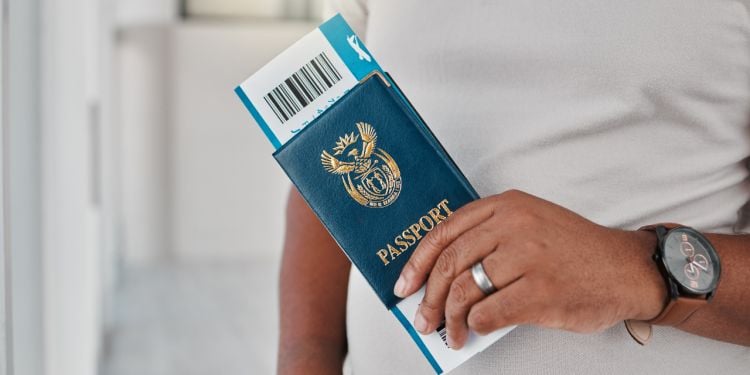

03Employment and entrepreneurship
The Mauritian economy, ranked first in sub‑Saharan Africa by the World Bank, offers a variety of opportunities for qualified expatriates. The labour market is centered on the service sector, which dominates the economy and provides the most attractive job opportunities.
Labor market and growth sectors
Industries that actively recruit expatriate profiles include information and communication technologies, financial services, tourism and hospitality, the textile industry and construction. Companies are especially looking for software developers, network administrators, cybersecurity specialists, finance and FinTech professionals and digital marketing experts. The public sector is largely closed to foreigners, but private and international firms on the island offer excellent prospects.
The Mauritian government prioritizes local employment: companies must demonstrate that the required skills are not available locally before hiring a foreign national. Highly qualified or niche profiles, therefore, find jobs more easily. Some occupations are prohibited for foreigners, such as vehicle rental and certain water sports activities.
Wages and working conditions
The minimum wage was raised to Rs 17,110 per month (about USD 380) in January 2025, up 3.7% from the previous year. University diploma holders must be paid at least Rs 23,000, and those with a bachelor’s degree Rs 25,000. The average private‑sector salary is around Rs 32,000 (about USD 710), but this varies considerably by industry and qualification. Finance is among the best‑paid sectors, with qualified positions offering between USD 1,600 and USD 3,200 per month, while information technology roles see annual salary increases of 8–12%. Luxury hospitality also pays well, with front‑of‑house staff earning USD 860–1,280 plus tips and bonuses, whereas agriculture struggles to exceed USD 320–430.
Working conditions comply with international standards, with employee rights, paid leave and hours regulated by the Workers Rights Act 2019. The fiscal year runs from 1 July to 30 June (or 1 January to 31 December for some firms).
Employment statistics
Indicator | Value | Year |
Monthly minimum wage | Rs 17,110 (≈ USD 380) | 2025 |
Average monthly salary | Rs 32,000 (≈ USD 710) | 2025 |
Minimum salary (diploma) | Rs 23,000 (≈ USD 510) | 2024 |
Minimum salary (degree) | Rs 25,000 (≈ USD 556) | 2024 |
Leading employment sectors | Services (ICT, finance, tourism) | 2024 |
Agricultural employment rate | About 8% | 2023 |
Source: Mauritius Business Resource
Starting a business
Mauritius positions itself as a major business hub, simplifying company formation through online registration via the Corporate and Business Registration Department (CBRD). Foreigners may hold 100% of a company's capital, freely repatriate profits and enjoy a stable tax environment. Companies benefit from a single corporate tax rate of 15%, with further reductions for certain activities: Global Business Licence entities can obtain an 80% exemption under substance conditions, reducing the effective rate to 3%, while Freeport and special economic zones offer VAT, customs and tax holidays.
Promising sectors for entrepreneurship include business services, consultancy, technology and e‑commerce. The government particularly encourages high‑value‑added activities and job‑creating investments. To launch an activity, it is advisable to work with a local lawyer or accountant who understands Mauritian regulations. Business networks and chambers of commerce help newcomers integrate into the local entrepreneurial ecosystem.

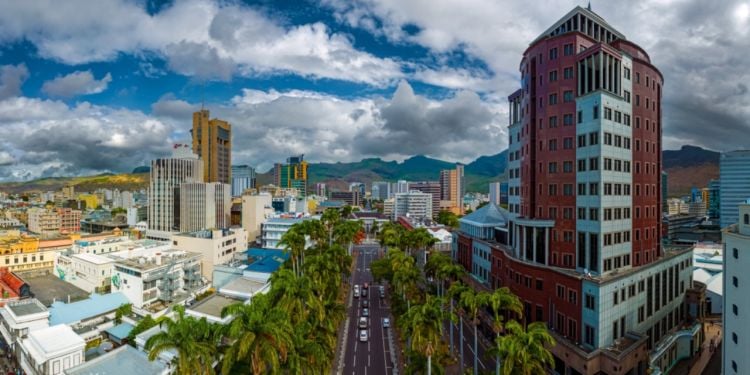


04Housing
Finding the right home is a crucial step when settling in Mauritius. The property market offers a wide range of options, from modern apartments in secure complexes to villas with swimming pools on the coast.
Types of housing
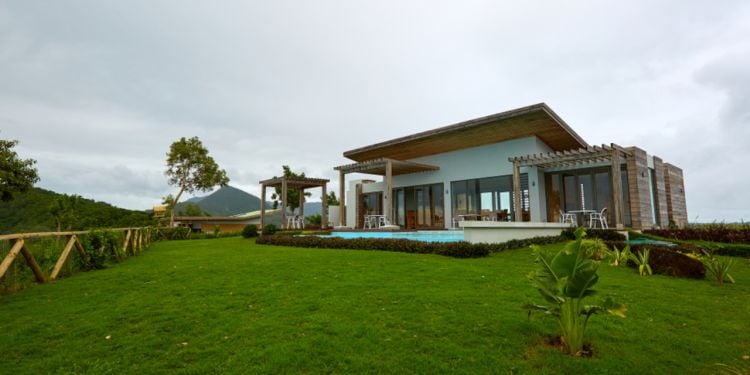
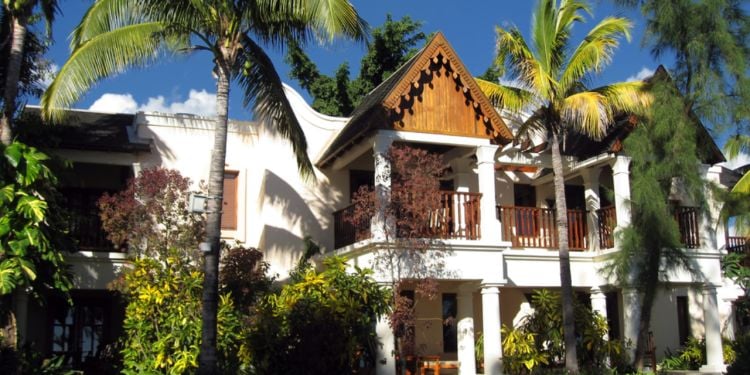
Apartments in secure residences are the most popular choice for expatriates, particularly in tourist areas. These complexes often offer amenities such as a communal pool, gym and sometimes access to beach clubs. Villas, with or without pools, appeal to families seeking more space and privacy. Luxury developments under the IRS, RES, PDS or Smart City schemes offer high‑end facilities and allow foreigners to purchase property. Traditional Mauritian houses are less common on the expatriate rental market but have authentic charm. They often require renovation and are usually located in less touristy districts.
Popular areas
The north of the island (Grand Baie, Pereybere, Trou aux Biches, Mont Choisy) has the highest density of expatriates. This region offers a lively nightlife, numerous restaurants and bars, modern shopping centres and several international schools. Proximity to the capital Port Louis makes administrative tasks easier.
The west (Flic en Flac, Tamarin, Albion, Rivière Noire) attracts families and those seeking tranquillity. Tamarin is particularly popular with surfers and houses the French school Paul et Virginie. Flic en Flac offers a good balance between vibrancy and serenity, with a beautiful public beach and easy access to the Black River Gorges.
The central plateau (Moka, Quatre Bornes, Curepipe) has more affordable rents and offers deeper cultural immersion. Moka contains the Ébène business district and several good schools, attracting families with children.
The east and south are less frequented by expatriates but offer stunning landscapes and competitive prices for those looking for authenticity.
Average rents
Rents vary considerably by location and standard:
Tourist zones such as Grand Baie and Flic en Flac command rents 30–50% higher than the centre of the island. Beau Bassin–Rose Hill, the island’s second city, offers rents 44% lower than those in Port Louis.
Rental process
Renting is generally done through specialist estate agencies or directly with owners via online listings. It is essential to visit properties in person before committing, as photos can be misleading. Leases are typically for a minimum of one year with one to three months’ notice.
Landlords usually require a deposit equivalent to one or two months’ rent, plus one month’s rent in advance. Utilities (electricity, water, internet) are often at the tenant’s expense. Be sure to check the property’s condition at the move‑in inspection and note any defects to avoid disputes later.
Read rental contracts carefully, particularly clauses on termination, maintenance obligations and renewal terms. It can be worthwhile to have a professional review the contract to avoid surprises.
Property purchase
Foreigners can acquire property in Mauritius under certain conditions. The IRS, RES, PDS and Smart City programmes allow the purchase of property with a minimum investment of US$375,000, giving the right to permanent residence. Foreigners may also buy an apartment in a building of at least three storeys without special restrictions.
Investing in property in Mauritius is attractive thanks to the absence of property tax, the lack of capital‑gains tax and a dynamic rental market. It is advisable to work with a notary and an independent real estate agency to secure the purchase.
Whether you choose to rent or buy, take the time to choose your home and neighbourhood carefully – they will largely determine your quality of life and integration in Mauritius.
Join the discussion on the forum
05Cost of living
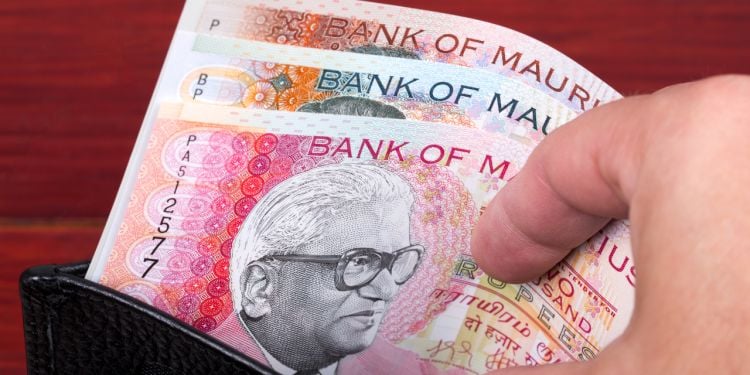
The cost of living in Mauritius is on average 33% lower than in France, according to Numbeo data from August 2025. This attractive difference, however, comes with disparities depending on spending categories and geographic areas.
Restaurants
Eating out in Mauritius costs about 49% less than in France. A meal in an inexpensive restaurant costs around Rs 300 (~US$6.67), while a three‑course meal for two in a mid‑range restaurant costs Rs 2,000 (~US$44). A typical fast‑food meal costs about Rs 300. Street food and local markets offer even cheaper options, making it possible to eat for less than Rs 150.
Food and groceries
Local foodstuffs (vegetables, tropical fruit, fish, local meat) are affordable, costing 26% less than in France. Imported products (cheese, charcuterie, wine, European products) can be 30–50% more expensive due to transport costs. Prices: milk costs 241 Rs per gallon (~US$5.36), a dozen eggs Rs 102 (~US$2.27), chicken Rs 117 per pound (~US$2.60) and beef Rs 253 (~US$5.62). Seasonal fruit and vegetables are very inexpensive: tomatoes Rs 62 per pound, potatoes Rs 22, bananas Rs 39. Shopping at bazaar markets and supermarkets frequented by Mauritians (in the centre of the island) can save considerable money compared with tourist areas. City‑centre property prices average Rs 12,785 per square foot (US$285/m²), versus Rs 9,992 (US$222/m²) on the outskirts. The absence of property tax and wealth tax on real estate makes ownership particularly attractive.
Bills and services
Monthly utilities (electricity, water, heating, waste) for an 85 m² apartment come to about 2,720 Rs (~US$60). Air conditioning is the main electricity cost. An unlimited internet subscription (60 Mbps) costs 1,445 Rs (~US$32), while a mobile package with 10 GB of data is around 724 Rs (~US$16).
Transport
Transport costs remain moderate: a single bus ticket costs Rs 44 (~US$1), and a monthly pass Rs 1,500 (~US$33). Taxis start at Rs 200 with fares around Rs 241 per mile (Rs 150/km). Fuel, set by the government, is Rs 61.20 per litre (~US$1.36), comparable to Europe. A new Volkswagen Golf costs about Rs 1.4 million (~US$31,000), while a Toyota Corolla is Rs 1.53 million (~US$33,875).
Education and childcare
A full‑time private nursery costs on average Rs 6,923 (~US$154) per month. School fees at international schools range from Rs 120,000 to Rs 300,000 per year (US$2,700–6,700) depending on the institution and level.
Leisure and entertainment
A monthly gym membership costs Rs 1,526 (~US$34). A cinema ticket costs about Rs 300 (~US$6.67). Water activities and tourist excursions are competitively priced, often lower than comparable European destinations.
Estimated monthly budget
For a single person | Amount |
Rent (1‑bed flat outside centre) | Rs 13,900 (~US$309) |
Food and groceries | Rs 8,000 (~US$178) |
Utilities (electricity, water, internet) | Rs 4,000 (~US$89) |
Transport (fuel, maintenance) | Rs 3,000 (~US$67) |
Leisure and outings | Rs 3,000 (~US$67) |
Health insurance | Rs 2,500 (~US$56) |
Total monthly | Rs 34,400 (~US$764) |
For a family of four | Amount |
Rent (3‑bed flat or villa) | Rs 40,000 (~US$889) |
Food and groceries | Rs 18,000 (~US$400) |
Utilities (electricity, water, internet) | Rs 6,000 (~US$133) |
School fees (2 children, private) | Rs 28,000 (~US$622) |
Transport (family car) | Rs 5,000 (~US$111) |
Leisure and outings | Rs 6,000 (~US$133) |
Health insurance (family) | Rs 8,000 (~US$178) |
Total monthly | Rs 111,000 (~US$2,467) |
Sources: Numbeo Mauritius (data August 2025), statistics based on US$1 ≈ Rs 45
The cost of living in Mauritius enables an excellent standard of living on a reasonable budget, provided you adopt smart spending habits by favouring local products and avoiding purely tourist areas. Expatriates quickly discover that at equal budgets, Mauritian quality of life far exceeds that of many Western countries.
Discover more
06Health and social protection
The Mauritian healthcare system combines a free public network with high‑quality private facilities. Public hospitals cover most basic care and provide free treatment to all residents, while private clinics offer more comprehensive services with shorter waiting times.
Public and private healthcare
Public hospitals in Mauritius handle the majority of routine care and have competent doctors. However, for greater comfort or complex procedures expatriates generally turn to private clinics. These facilities, located mainly in Port Louis, Grand Baie and the central region, offer modern infrastructure and medical staff often trained abroad. Costs remain affordable compared with European standards.
For highly specialised procedures that cannot be performed locally, patients are transferred to Réunion (40 minutes away) or South Africa (four hours). These medical evacuations are usually covered by international health insurance.
Health insurance
Although public care is free, expatriates are strongly advised to take out private health insurance to access clinics without delay and enjoy comprehensive coverage. The main local providers include SWAN and MUA, alongside international insurers such as Allianz. Voluntary health‑insurance premiums qualify for tax deductions.
French expatriates can also maintain coverage through the Caisse des Français de l'Étranger (CFE), which ensures continuity of French social security rights. This option can be combined with local supplementary insurance.
Vaccinations and prevention
No vaccines are required to enter Mauritius, but you should be up to date with universal vaccinations (diphtheria–tetanus–polio, hepatitis A and B). The island is malaria‑free, but the tropical climate calls for rigorous sun protection and constant hydration. Mauritian authorities are extremely vigilant in the event of pandemic alerts and may impose quarantine or health checks for travellers arriving from affected areas.
Pharmacies and medicines
Pharmacies are well distributed across the island and stock a wide range of medicines, many available without prescription. Imported drugs can be slightly more expensive than in Europe. Bring a supply of any specific medication when you move, until you find suitable local equivalents.
The quality of healthcare in Mauritius means you can live with confidence, provided you arrange appropriate insurance and anticipate potential medical transfers for rare or complex conditions.
Discover more






07Taxation
Mauritius stands out for its simple, transparent and very attractive tax system for expatriates. The country’s reputation is built on competitive taxation that encourages entrepreneurs, investors and retirees from around the world to settle here.
Tax residence
An individual becomes a Mauritian tax resident if they live in Mauritius or if their income is managed there. Tax residents are taxed on their worldwide income, while non‑residents are taxed only on income sourced in Mauritius. To benefit from tax advantages, you must obtain Mauritian nationality or hold a residence permit (Occupation Permit, retiree permit, or property‑related permit). The Mauritian tax year runs from 1 July to 30 June of the following year.
Personal income tax
Mauritius applies a progressive tax scale with rates from 0% to 20% on chargeable income. Since July 2025, the bands are:
- Income up to Rs 390,000: 0%
- From Rs 390,001 to Rs 650,000: 10%
- From Rs 650,001 to Rs 1,500,000: 12%
- From Rs 1,500,001 to Rs 3,000,000: 15%
- Above Rs 3,000,000: 20%
The Pay As You Earn (PAYE) system applies to employees: the employer deducts tax at source each month. Deductions are available depending on family situation (spouse, dependants). Self‑employed workers make quarterly payments under the Current Payment System (CPS).
Corporate tax
Mauritian companies benefit from a flat rate of 15% on profits. Certain activities qualify for additional advantages: companies operating under a Global Business Licence (GBL) can obtain an 80% partial exemption under substance conditions, reducing the effective rate to 3%. Businesses located in the Freeport or special economic zones enjoy exemptions from VAT, customs duties and tax holidays.
Value Added Tax (VAT)
The standard VAT rate is 15% in Mauritius. There is no reduced rate, but some goods and services are exempt or zero‑rated. Businesses with an annual turnover above Rs 6 million must register for VAT and submit monthly returns to the Mauritius Revenue Authority (MRA).
Dividends and interest
Dividends paid by a Mauritian resident company to its shareholders are not subject to income tax, and no withholding tax applies. This is a major advantage for investors and entrepreneurs. Interest income is generally taxed at 15%, with exceptions for certain government bonds or under double taxation agreements.
Capital gains and inheritance
Mauritius levies no capital gains tax for individuals or companies. This applies to profits from shares, real estate and other assets. There is also no inheritance tax on transfers to direct descendants (children, grandchildren), making intergenerational transfers easier.
Property and local taxes
The island distinguishes itself by having no property tax and no housing tax. Owners, therefore, do not pay annual tax on owning real estate. This strengthens Mauritius’ appeal for property investment.
Social contributions
Mauritius does not have a mandatory social contribution system comparable to those in European countries. Employees may voluntarily contribute to private health insurance and complementary pension schemes, which qualify for tax deductions. Employers contribute to the National Pension Fund for Mauritian employees, but this obligation generally does not apply to expatriates on temporary permits.
International tax treaties
Mauritius has signed double taxation agreements with more than 40 countries. These treaties prevent the same income from being taxed twice and clarify taxing rights between jurisdictions.
Tax declaration and payment
Income tax returns must be submitted to the Mauritius Revenue Authority (MRA) by 30 September (physical filing) or 15 October (online filing). Employers provide employees with an Employee Declaration Form (EDF) summarizing their income for the year. This form, available on the MRA website, automatically calculates the tax due. Payments can be made by bank transfer or by cheque, accompanied by a copy of the EDF. To use the online system, each taxpayer must obtain a Tax Account Number (TAN) by becoming a tax resident.
The Mauritian tax system, while simple in appearance, can have nuances depending on individual circumstances. It is, therefore, advisable to consult a local accountant for your first return.


08Retiring in Mauritius
Mauritius is one of the top destinations for expatriate retirees thanks to its pleasant climate, quality of life and tax advantages. The country has developed a specific framework to make it easier for foreign seniors to settle.
Non‑citizen retirement permit
To obtain a retirement permit, you must be 50 or older and transfer USD 2,000 per month (USD 24,000 per year) to a Mauritian bank account. After five continuous years of residency and cumulative transfers of USD 200,000, you can apply for permanent residence for 20 years. The permit allows you to bring your spouse and dependent children and to rent or purchase property in Mauritius.
The retirement permit is valid for ten years and can be renewed. After five years, you may obtain a 20‑year permanent permit.
Taxation of retirees
Retirees who are Mauritian tax residents are subject to the standard progressive income tax scale on their worldwide income, with rates from 0% to 20%. Private pensions received from abroad are taxable in Mauritius. The remittance basis applies: only income actually remitted to Mauritius is taxable locally.
Advantages for retirees
Mauritius levies no wealth tax, no capital gains tax and no inheritance tax for direct descendants. This absence of taxation facilitates the transfer of family wealth. Retirees also benefit from tax deductions on voluntary contributions to private health insurance.
The cost of living is roughly 33% lower than in many European countries, allowing an excellent standard of living on a modest pension. Access to quality healthcare, relative safety and sunshine all year round complete the island’s appeal for a peaceful retirement.
Alternative via property investment
Retirees can also obtain a permanent residence permit by purchasing property worth at least USD 375,000 in designated schemes (IRS, RES, PDS, Smart City). This option waives the monthly income requirement and grants residence as long as the property is held. It combines capital investment with residence rights, appealing to retirees with funds to invest.
Retiring in Mauritius thus offers a unique combination of tax advantages, quality of life and financial security in a tropical setting conducive to serenity and well‑being.
Join the discussion on the forum
09Higher education in Mauritius
Mauritius is actively developing its higher education sector with the ambition of becoming an educational hub for Africa and the region. More than 40 public and private institutions offer programs in partnership with international universities.
University of Mauritius
The public University of Mauritius offers a broad range of degrees: bachelor's and master's programs in management, accounting, finance, engineering, sciences, IT, law and social sciences. The university enrolls around 12,000 students, including a growing number of international students. Its modern campuses feature libraries, laboratories and sports facilities. Tuition fees are affordable compared with Western universities, making it attractive to students from the region.
Private institutions and international programmes
Many private institutions provide courses affiliated with respected foreign universities. These partnerships allow students to obtain internationally recognized degrees while studying in Mauritius, with programs linked to French (Paris, Lyon, Toulouse), British (Middlesex University, University of Northampton, Coventry University), Australian (Curtin University, Monash) and Indian universities. Fields of study cover business administration, accounting and auditing, tourism and hospitality, and IT.
Medical studies
Mauritius hosts several private medical schools offering general medicine programs (MBBS) in partnership mainly with Indian universities. These institutions attract international students from Africa and the Middle East thanks to tuition fees lower than those in Europe or North America. If you plan to practice medicine elsewhere, check that the school and degree are recognized by the medical authorities in your home country.
Cost of studies
Tuition fees vary widely depending on the institution and program. At the public University of Mauritius, they range from Rs 30,000 to Rs 80,000 per year (≈ USD 650–1,730); private affiliated institutions charge Rs 100,000–Rs 300,000 per year (≈ USD 2,170–6,500) depending on the level and discipline; medical schools cost Rs 300,000–Rs 600,000 per year (≈ USD 6,500–13,000). Student living expenses are relatively reasonable: shared accommodation or campus housing costs Rs 8,000 – Rs 15,000 per month, food and daily expenses Rs 10,000 – Rs 15,000, and transport Rs 2,000 – Rs 5,000. An estimated monthly budget is between Rs 20,000 and Rs 35,000 (≈ approximately USD 430 – USD 760), depending on one's lifestyle.
Admission requirements for international students
International applicants generally must provide secondary school diplomas with transcripts, language proficiency certificates (English or French, depending on the program), a motivation letter, and a completed application form. Criteria vary between institutions; some selective programs may require entrance tests or interviews.
Student residence permit
International students enrolled in a recognized institution obtain a student residence permit for the duration of their studies. Applications are usually handled through the host institution, which assists students with the formalities.
Young Professional Occupation Permit
A significant advantage of the Mauritian system is the Young Professional Occupation Permit (YPOP). International students who have obtained at least a bachelor’s degree from a recognized Mauritian university can apply for this permit to work in innovative sectors (AI, fintech, IT, biotechnology, financial services). Duration: up to two years, depending on the employment contract. Conditions: degree obtained within the last six months and employment in an eligible sector. This scheme greatly facilitates the professional integration of young foreign graduates and encourages them to settle in Mauritius.
Discover more

Join the discussion on the forum
10Schooling your children
Education is a priority for expatriate families and Mauritius offers a wide range of schooling options adapted to international needs. The Mauritian educational system, based on the British model, operates alongside numerous international schools and French‑accredited schools.
Public schools
State education in Mauritius is free and compulsory for children aged 5 to 16. The system follows the British curriculum, with English as the main language of instruction and French taught from primary level. Pupils take the Primary School Achievement Certificate (PSAC) at the end of primary school, then the School Certificate and Higher School Certificate to enter higher education. Although of reasonable quality, public schools differ from European standards in teaching approach and class size, so most expatriate families opt for private schooling.
French‑accredited schools
Five schools accredited by the Agency for French Education Abroad (AEFE) welcome francophone expatriate children:
École du Nord (Mapou): from preschool up to the third year of junior high, this school follows the French curriculum enriched with an international outlook. Tuition fees: €2 353–€3 082 per year (about US$2 600–US$3 300).
Lycée des Mascareignes (Helvetia, Saint‑Pierre): a secondary school from Year 10 to Year 13 under an AEFE contract, also offering a French international section. Fees: €3 556–€4 324 per year (about US$3 800–US$4 700).
École du Centre (Moka): kindergarten, primary and lower secondary school with a canteen. Fees: €2 577–€3 583 per year (about US$2 800–US$3 900), up to the BTS (two‑year post‑secondary diploma).
École Paul et Virginie (Tamarin): from preschool to Year 5, ideally located on the west coast. Fees: around €2 870 per year (about US$3 100). A ULIS class welcomes children with disabilities.
These schools guarantee continuity with the French curriculum and make it easier to return to France or move to other countries with AEFE schools. They offer strengthened English lessons from early years, so pupils are bilingual by the time they sit the baccalauréat. French families with modest incomes can apply for AEFE scholarships subject to means testing.
Anglophone international schools
Mauritius has many private international schools offering British, American or International Baccalaureate programmes:
Northfields International School (Mapou): an IB World School and Cambridge examination centre, from preschool (18 months) to the IB diploma in Years 12 and 13. A benchmark institution with modern facilities.
Le Bocage International School (Moka): for ages 11–19, preparing students for the IGCSE and IB diploma. Bilingual English‑French co‑educational environment.
Telfair International Schools (Tamarin): primary (ages 5–12) and secondary leading to the IB diploma, following the British curriculum. An excellent option for families in the west.
École Greencoast (Pamplemousses): for ages 3–18, Anglo‑Saxon system emphasising a stimulating, international education.
International Preparatory School (Grand Baie): for ages 18 months to 11 years, offering the IB Primary Years Programme (PYP).
Lycée La Bourdonnais: a renowned institution offering a full curriculum.
Fees at these schools range from US$3,210 to US$16,050 per year depending on level and prestige. Premium international schools are in the upper band (US$7,490–15,000), while mid‑range private schools charge US$3,210–7,000.
Bilingual schools
Saint Exupéry International School (Grand Baie) is a private French–English bilingual school for ages 3–11, with a learner‑centred approach and high standards.
The Lycée Pierre Poivre and other institutions also offer a balanced bilingual education.
Choosing the right school
When selecting a school consider the family mobility plan (planned return or long‑term stay), your budget, location (daily travel can be long in Mauritius) and your child’s language needs. Apply 12–18 months in advance, visit several schools and check international accreditations. IB programmes offer the greatest flexibility for highly mobile families. Mauritius’ educational offer enables expatriate children to continue their schooling in excellent conditions while developing French–English bilingualism – a major asset for their future.
Source: French Embassy in Mauritius
Discover more

11Preparing your move
An international move to Mauritius requires careful organisation to ensure a smooth transition. Anticipating administrative and logistical procedures will help avoid unpleasant surprises and allow you to enjoy your new life in the tropics more quickly. Here is a comprehensive checklist to help you prepare:
Before departure
- Get the right visa or permit: Start the procedures several months in advance with the Economic Development Board according to your situation (Occupation Permit, retiree permit, Premium Visa).
- Book your accommodation: Arrange remote visits or a scouting trip. Favour furnished rentals for the first few months if you are not yet sure of your final neighbourhood.
- Register your children for school: Contact schools 12–18 months in advance, as places at the best international schools are limited.
- Take out health insurance: Compare local offers (SWAN, MUA, Allianz) or keep your coverage with the Caisse des Français de l’Étranger.
- Arrange transport for your belongings: Choose a specialised international mover. Sea freight generally takes six to eight weeks. Note that some items are prohibited on import (rolling papers, electronic cigarettes, CBD).
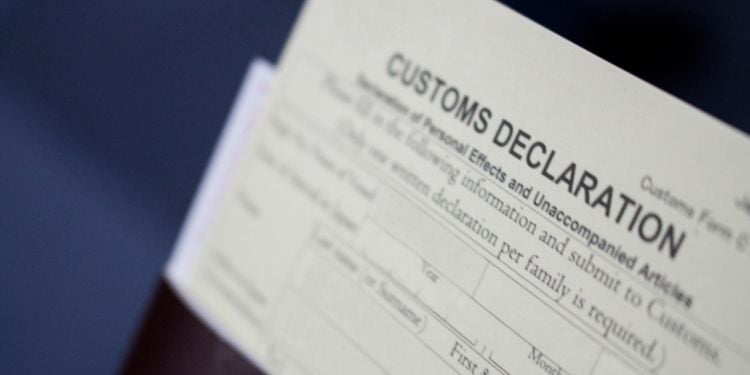
- Check your documents’ validity: Make sure your passports are valid for at least six months after your arrival date. Have your diplomas, marriage certificates and birth certificates translated and apostilled.
- Register with the French nationals’ register: This step at the French Consulate in Mauritius simplifies administrative formalities.
- Cancel or suspend your subscriptions: Telephone, internet, electricity and insurance in France. Inform your bank of your departure and check the conditions of use of your bank cards abroad.
- Plan vaccinations: Although no vaccination is compulsory, update your DTP and hepatitis vaccines. Stock up on any regular prescription medicines for the first few months.
- Exchange your driving licence: You can drive with your national licence for up to 12 months, after which you must exchange it for a Mauritian licence. Driving is on the left.
Upon arrival
- Finalise your residence permit: Undergo the required medical examination and attend the final interview with the immigration services to obtain your definitive permit.
- Open a bank account: Bring your residence permit, passport, proof of address and a reference letter from your home bank. Major banks include MCB, SBM, HSBC and Barclays.
- Get your Tax Account Number (TAN): Register with the Mauritius Revenue Authority for your future tax declarations.
- Set up essential utilities: Electricity (CEB), water (CWA), internet and mobile phone contracts (Emtel, Mauritius Telecom, MTML).
- Buy or rent a vehicle: Public transport is limited. Having your own vehicle makes daily life much easier. Remember that car insurance is compulsory.
- Integrate into the community: Join expatriate groups on social networks (Facebook, Expat.com), take part in local events and explore cultural and sports associations.
Important documents to take
Put together a folder with copies of all your official documents: passports, birth certificates, marriage certificates, translated and apostilled diplomas, bank statements, employment contracts, medical records and prescriptions, and proof of insurance. Keep the originals in a safe place and scan them onto a secure digital medium.
A well‑prepared move turns apprehension into excitement. Take the time to organise each step and don’t hesitate to seek help from professionals who specialise in expatriation.

Join the discussion on the forum
12Everyday life in Mauritius
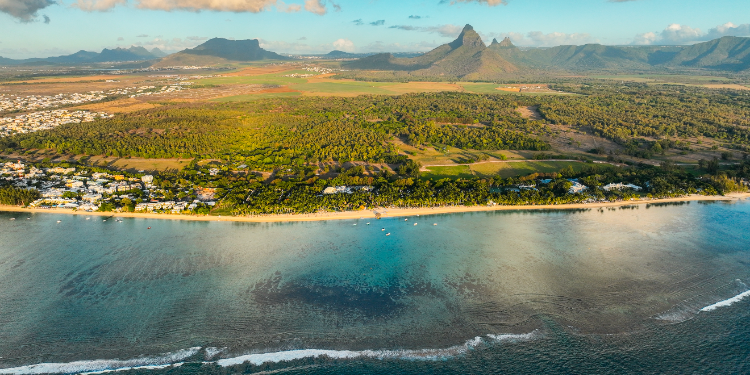
Adapting to everyday life in Mauritius is generally easy for expatriates. The relaxed pace, the kindness of the population and the quality of infrastructure make integration simple, although a few adjustments are necessary.
Transport and getting around
The car is the preferred means of transport. The road network is generally in good condition, although some secondary roads can be narrow and winding. Driving is on the left, a legacy of British colonisation. You may drive on your foreign licence for 12 months; afterwards you must exchange it for a local licence at the Road Development Authority. Public transport (buses) exists but is limited and not very practical for expatriates. The network serves major towns, but schedules are irregular and vehicles are often crowded at peak times. Taxis are available but rarely have meters, so it is important to agree the price before getting in. Ride‑hailing apps are gradually emerging.
Shopping and services
Mauritius has modern supermarkets offering a wide variety of local and imported products: Carrefour, Super U, Winners and Shoprite, plus smaller neighbourhood shops for daily purchases. Shopping centres such as Bagatelle Mall, Cascavelle, La Croisette and Le Caudan Waterfront house international brands, restaurants and cinemas. Imported goods can be more expensive due to transport costs, while local produce (tropical fruit, vegetables, fish, meat) remains affordable. Farmers’ markets and village bazaars offer fresh produce at very competitive prices.
Communication and connectivity
Internet connectivity is reliable, with fibre‑optic service available in most urban areas. Mobile coverage is good, and several operators offer competitive packages. International calls are easy via internet services.
Cultural adaptation
Mauritius’ multicultural society makes integration pleasant. English and French are widely spoken, and learning a few words of Mauritian Creole helps build rapport with locals. Dress codes are casual, although modest attire is expected when visiting religious sites. Expatriates appreciate the island’s religious tolerance and the respect shown between communities.
Overall, everyday life in Mauritius offers the comfort of modern facilities combined with tropical charm. With a bit of preparation, expatriates quickly find their rhythm and enjoy the island’s relaxed lifestyle.
Discover more


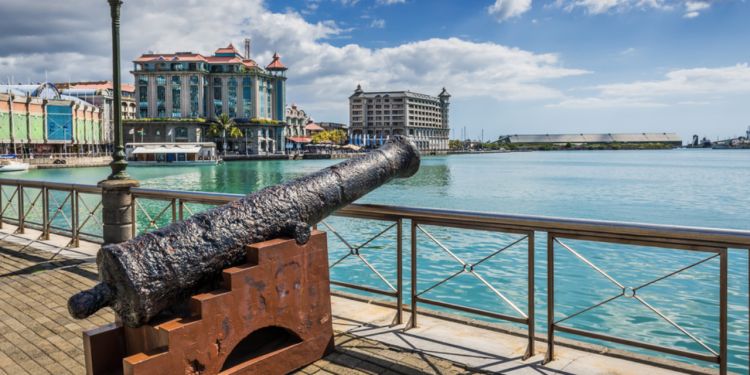
Mauritius as a member State
Getting around Mauritius

Buying or renting a car in Mauritius

Phones and Internet in Mauritius

Emergency numbers in Mauritius
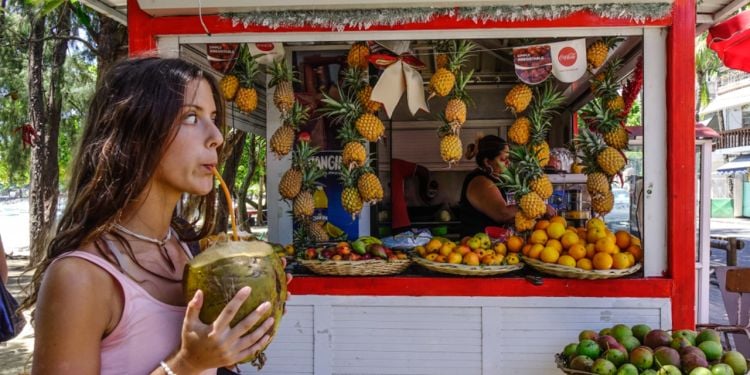
Integrating as an expatriate in Mauritius

Energy and public utilities in Mauritius
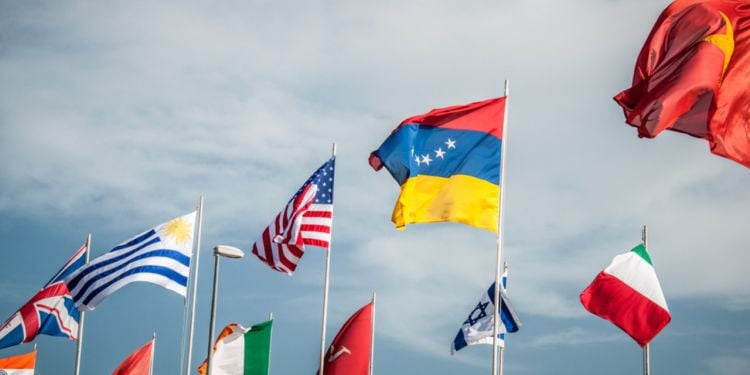
Foreign diplomatic representations in Mauritius

Things to know when you arrive in Mauritius
13Leisure activities
Mauritius offers an incredible variety of cultural, sporting and tourist activities that enrich expatriates’ daily lives. From idyllic beaches and lush mountains to cultural heritage, the island has something for everyone.
Water sports and beaches
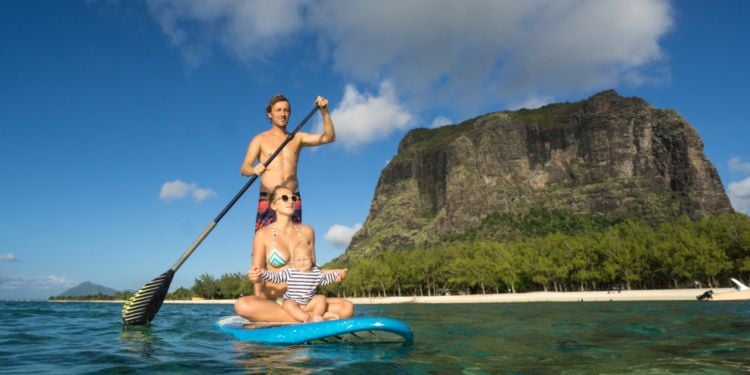
With its turquoise lagoons and white‑sand beaches, Mauritius is a paradise for water‑sport enthusiasts. Scuba diving reveals exceptional seabeds, with more than 30 dive centres across the island. Snorkelling is accessible everywhere in lagoons protected by the coral reef. Must‑see spots include Blue Bay in the south‑east, renowned for its marine reserve, and the northern islets such as Île Plate, Îlot Gabriel and Coin de Mire.
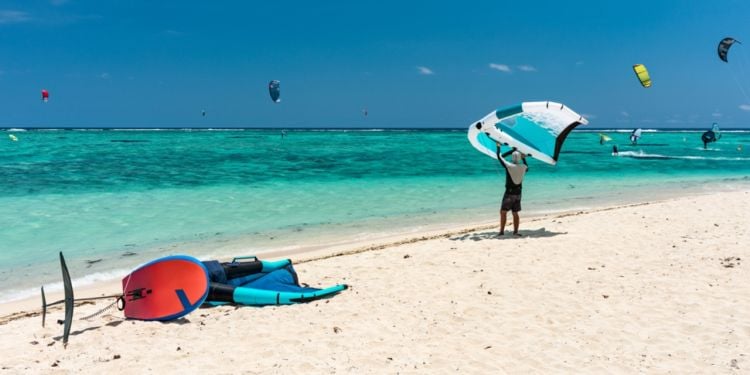
Tamarin Bay is the island’s best surfing spot, attracting wave lovers. Kitesurfing and windsurfing are practised at Le Morne, a UNESCO World Heritage site. Catamaran cruises are a great way to explore the coastline and swim with dolphins off the west coast.
Hiking and nature
The Black River Gorges, the island’s largest nature reserve at 6,500 hectares, offer hiking trails through lush rainforest. The emblematic Morne Brabant (556 metres) rewards climbers with breathtaking lagoon views, while the Piton de la Petite Rivière Noire (828 metres) attracts experienced hikers.
Natural sites not to be missed include the Chamarel Waterfalls (100 metres high) and the famous Seven‑Coloured Earths; the extinct volcano crater Trou aux Cerfs at Curepipe; and the Black River Gorges National Park, home to endemic fauna and flora such as the rare pink pigeon.
Cultural sites and heritage
Port Louis, the capital, deserves a visit for its colourful central market, the Blue Penny Museum housing some of the world’s rarest stamps, and Fort Adélaïde overlooking the city. Mahébourg, a historic village in the south‑east, retains colonial charm with its naval museum.
The Pamplemousses Botanical Garden, one of the oldest in the southern hemisphere, is famous for its giant water lilies and centuries‑old palms. The sacred lake Grand Bassin (Ganga Talao), important to the Hindu community, impresses with its monumental statues and spiritual atmosphere. The Chamarel estate combines a craft rum distillery, waterfalls and colourful earths; the Casela Nature Park showcases African and Mauritian wildlife; and La Vanille Réserve des Mascareignes houses the country’s largest crocodile farm.
Sports and well‑being
Mauritius has a dozen internationally renowned golf courses, including Tamarina Golf Estate and the Île aux Cerfs Golf Club designed by Bernhard Langer. Expatriates can join tennis, running or cycling clubs. Yoga, practised by around 5% of the population, benefits from idyllic settings between sea and mountains. Hotels and specialised centres offer daily classes. The island’s spas are known for treatments inspired by Asian and African traditions, offering absolute relaxation.
Nightlife and gastronomy
Grand Baie is the main nightlife hub, with numerous bars, restaurants and clubs open until morning. Flic en Flac also provides a festive atmosphere on Friday and Saturday nights. Mauritian cuisine blends Creole, Indian, Chinese and French influences. Local markets, particularly in Port Louis, are great places to discover authentic street food.
Events and festivals
Mauritius celebrates a mosaic of religious and cultural festivals such as Cavadee (Tamil), Maha Shivaratree (Hindu), Eid al‑Fitr (Muslim), Diwali (Festival of Lights) and Christmas. National celebrations include Independence Day on 12 March. Music festivals such as the Porlwi by Light festival and electronic music gatherings attract both locals and foreigners.
With its wealth of activities, Mauritius ensures that expatriates will never be bored – whether you’re an adventure seeker, culture lover or simply in search of relaxation.
Join the discussion on the forum
14In brief
Mauritius charms expatriates with its rare balance of tropical quality of life, economic stability and attractive taxation. With its paradise beaches, harmonious multiculturalism, modern infrastructure and year‑round sunshine, the island offers an ideal setting for a successful expatriation. Whether you’re an entrepreneur, a skilled employee, a retiree or a family seeking a new adventure, Mauritius has everything you need to turn your project into reality.
To exchange with other expatriates, ask questions and prepare your move, join the international community on Expat.com. There you’ll find practical advice, genuine testimonials and mutual support to ease every step of your journey.
Welcome to Mauritius, where every day feels like a holiday!
Join the Mauritius community
Get regular tips and advice to make the most of your expat life
Essential services for your expat journey







Forum topics on living in Mauritius
Discover forums topics on expat life in Mauritius: join the conversation, ask your questions, get advice and share your experience.
- Water shortages in Mauritius: How are you coping with the cuts?
- New Water Tariffs from the Central Water Authority (CWA)
- Passport photo booth?
- Stonefish at Flic and Flac
- Mauritius National Identity card
- Cost of having braces in Mauritius
- Isopropyl alcohol
- Accessing a deceased bank account in Mauritius - How to?