Mauritian authorities have reported no shortages or supply disruptions, whether for fuel, food, or other essential goods. Yet the impact of the war that broke out on 28 February between the United States, Israel and Iran is already being felt, even 6,000 kilometres away. For expats living in Mauritius and those planning to move here, the coming weeks will require vigilance and forward planning in several areas of daily life.
Concerns over an “artificial” shortage at petrol pumps
Since the start of the week, social media posts have multiplied. Many drivers have reported that some petrol stations across the island have temporarily closed, despite official confirmation that fuel prices remain unchanged, for now. The Minister of Commerce, Michael Sik Yuen, has urged motorists not to rush to service stations, stressing that there is currently no shortage.
To understand the situation, it helps to look at how the local market works. In Mauritius, fuel prices are not set by market forces but by the Petroleum Pricing Committee (PPC), a government body. The State Trading Corporation (STC) imports fuel for the entire island, purchasing it on international markets in US dollars, typically covering supply for the next three months.
This system acts as a buffer. International price spikes do not immediately show up at the pump, but they are not avoided altogether. They are simply delayed.
On Monday, Brent crude climbed above USD 80 per barrel, marking an increase of around 10% in a single day. Some analysts warn that prices could rise to USD 100 if the disruption in the Strait of Hormuz persists. Around 20% of the world's oil supply passes through this strategic chokepoint.
Therefore, if you own a vehicle in Mauritius, it would be prudent to factor in the possibility of sustained fuel price increases in the months ahead.
However, as Prime Minister Navin Ramgoolam has indicated, the Mauritian government is exploring the Indian option to secure the country's supply of petroleum products. Discussions have already been initiated with Indian authorities to examine the possibility of an alternative supply route. Drawing on his close ties with Indian Prime Minister Narendra Modi, the head of government is seeking to strengthen energy cooperation between the two countries and favour more direct import channels.
Global gas prices surged sharply this week. The Dutch TTF futures contract, Europe's benchmark, jumped by more than 48% to 47.32 euros per megawatt-hour, after peaking during trading at 47.70 euros, its highest level since February 2025.
The spike followed the suspension of liquefied natural gas (LNG) production by QatarEnergy after two major facilities were hit by Iranian drone strikes. This disruption comes amid an already fragile global supply situation. Since the outbreak of hostilities, major shipping companies have been avoiding the Strait of Hormuz, a key route for a significant share of global LNG exports.
However, Mauritian authorities are seeking to reassure the public. According to the Minister of Commerce, no increase in household gas prices is planned at this stage. Mauritius currently holds 10,882 metric tonnes in stock, which is enough to meet demand until 10 April. A new shipment is expected well before then.
That said, the situation is being closely monitored, as global developments continue to evolve rapidly.
Join the Mauritius community
Get regular tips and advice to make the most of your expat life
Should you be concerned about groceries and everyday essentials?
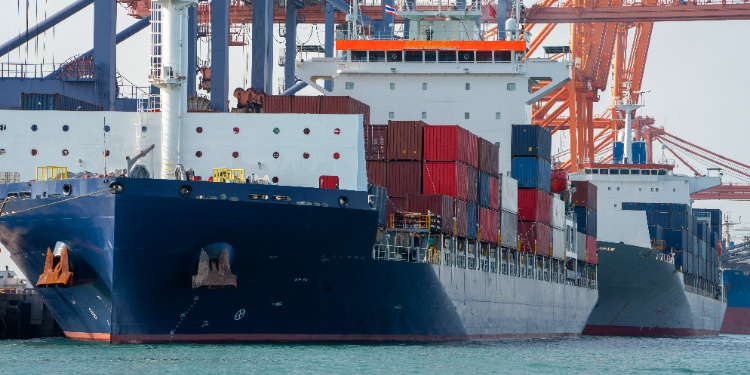
Mauritius imports more than 77% of its food requirements, including cooking oil, powdered milk, pulses, canned goods, as well as a substantial share of fresh produce consumed locally. Major shipping companies, such as Maersk, CMA CGM, MSC and Hapag-Lloyd, have suspended transit through the Strait of Hormuz and rerouted vessels around the Cape of Good Hope. This detour around Africa adds two to three weeks to standard shipping times and significantly increases transport costs. War risk insurance premiums for vessels operating in the region have already risen by more than 50%. These additional costs will inevitably feed into import prices, and ultimately consumer prices.
That said, perspective is important. Mauritius has weathered comparable shocks before, including the war in Ukraine in 2022 and the post-COVID price surge. The government also has policy tools at its disposal, such as subsidies on staple goods and temporary price controls on selected items.
Amid current uncertainty, the Minister of Agro-Industry, Arvin Boolell, convened an emergency food security committee on Tuesday to assess the potential impact of the Israeli-Iranian conflict on the island's supply chains. At this stage, he confirmed that Mauritius has sufficient stocks, particularly of fruits and vegetables, to meet local demand. "The Agricultural Marketing Board has sufficient stocks until May, and the next shipments are already on their way", he said. He also urged the public to remain calm.
Flights and air connections: Check before you travel
Air Mauritius has confirmed that its European routes remain operational, with contingency flight paths available if needed. The airline is actively monitoring developments.
Disruptions mainly affect passengers transiting through major Gulf hubs like Dubai, Doha and Abu Dhabi. These airports serve as key connection points between Mauritius and much of the world and are directly impacted by the regional conflict.
If you are due to travel in the coming days or weeks via Dubai, Doha or Abu Dhabi, contact your airline to confirm your booking status and explore alternative routing options if necessary. Do not head to the airport without checking first.
Deliveries and overseas orders: expect significant delays
Businesses and individuals awaiting equipment, supplies or goods ordered from abroad should prepare for delays. Logistics operators have issued clear warnings regarding Europe–Asia and Asia–Indian Ocean shipping corridors. Freight surcharges are being introduced, and delivery times for goods already in transit have been extended by two to four weeks, depending on the route, sometimes longer.
Transshipment hubs in the Gulf, particularly the port of Jebel Ali in Dubai, which handles a large share of goods destined for the Indian Ocean, are facing disruptions or temporary shutdowns.
In short, Mauritius is not currently facing shortages. But as a small, highly import-dependent island economy, it remains exposed to global shocks. For residents and expats alike, the coming weeks call for practical planning rather than panic.
A journalist, holder of the DALF C1 and C2 and a diploma from the University of Mauritius, I have nearly twenty years of writing experience. After six years in the Mauritian press, I joined Expat.com, where I have been working for over a decade, including five years as editorial assistant, and now as editorial manager.