

Nevertheless, the cost of living can vary significantly depending on the region and consumer choices, making it essential to evaluate your budget according to your personal lifestyle.
Cost of living in Mauritius
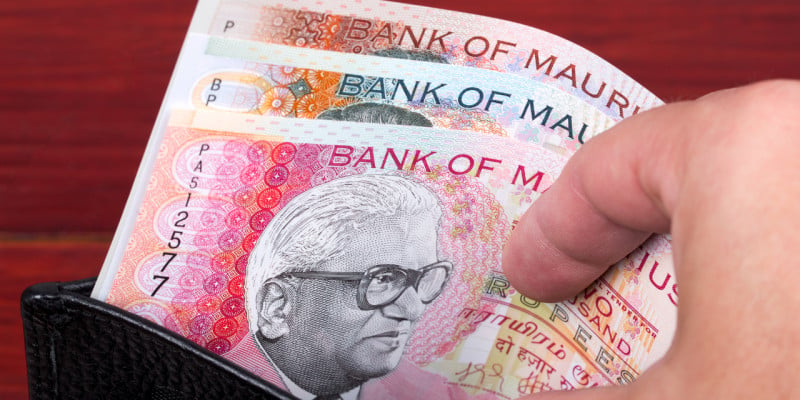 © johan10 / Envato Elements
The cost of living in Mauritius depends on numerous factors: your consumption habits, place of residence, mode of transport, or your daily lifestyle. After several years of fluctuations marked by global inflation, the Mauritian economy is now showing signs of stabilization. Prices are gradually normalizing, and some increases have lessened due to better control over imports and policies supporting purchasing power.
In this article
The Mauritius expat guide
Updated in 2026, comprehensive and free
Read it now
The rising cost of living in Mauritius in figures
Overall, the country maintains a controlled economic environment. According to Statistics Mauritius, the country recorded an annual inflation rate of 3.5% in 2025, a level considered stable and contained compared to the fluctuations of previous years. This moderate increase is primarily driven by rising prices for food, non-alcoholic beverages, and certain essential services.
The Bank of Mauritius, moreover, forecasted an average inflation rate close to 4% for the entire year of 2025, reflecting an economy in a phase of normalization despite the persistence of pressures on imported prices. Overall, the island maintains a relatively stable economic environment, with a cost of living that evolves predictably and without abrupt increases.
Transportation
The last revision of fare schedules took place in 2022. However, it is recommended to check the current rates with bus companies or Metro Express before any travel.
Fuel
Since the end of 2025, fuel prices are as follows:
Fuel | Price per liter |
|---|---|
Petrol | Rs 58.45 |
Diesel | Rs 58.95 |
Join the Mauritius community
Get regular tips and advice to make the most of your expat life
Monthly budget in Mauritius
When moving abroad, it is essential to consider expenses related to housing, bills, internet, food, fuel, home insurance, and leisure.
Housing and rent
The rental market in Mauritius continues to grow, with a marked increase in the most sought-after areas by expatriates, notably the North (Grand Baie, Pereybere) and the West (Tamarin, Flic-en-Flac). In 2025, rents were within the following ranges:
Type of housing | Monthly rent range |
|---|---|
Apartments or houses on the outskirts of Port-Louis, Plaines Wilhems, or less touristy villages | Rs 15,000 to 40,000 |
Studios in Plaines Wilhems | Rs 7,000 to 15,000 |
Family homes with gardens in expatriate hubs (North and West) | Rs 60,000 to 130,000 |
Beachside villas or very high-end properties | Rs 80,000 to 150,000 and above |
Agency fees and deposit
- Security deposit: generally at least one month's rent plus 15% VAT, and sometimes up to 2 or 3 months' rent.
- Agency fees: shared between the tenant and the landlord. For leases longer than six months, these fees can reach one month's rent plus 15% VAT.
Food prices in Mauritius
Food costs vary based on individual habits. Outdoor markets offer fruits and vegetables at affordable prices, while products like meats, cheeses, or alcohol remain more expensive in supermarkets. Some essential items, such as bread, benefit from capped prices set by the Ministry of Commerce and Consumer Protection.
Indicative food prices
Product | Approximate price |
|---|---|
500 g of boneless chicken fillet | ~ Rs 260 (or ~ Rs 520/kg) |
1 L of whole milk | ~ Rs 65 |
1 egg (large) | ~ Rs 10.50 (or ~ Rs 126 for 12) |
1 kg of local tomatoes | ~ Rs 70 – 100 |
250 g of cheddar cheese | ~ Rs 93/kg |
1 kg of apples | ~ Rs 200 |
1 kg of potatoes | ~ Rs 50 |
0.3 L of local beer | ~ Rs 75 |
1 bottle of mid-range red wine | ~ Rs 600 |
2 L of Coca-Cola | ~ Rs 103 |
White bread (approximately 120 g) | ~ Rs 2.60 (round bread), ~ 6 Rs (baguette), ~ 30 Rs (traditional baguette) |
Dining out
Mauritius offers a wide range of culinary options, from street food stalls to gourmet restaurants.
Type of meal | Approximate price |
|---|---|
Dholl puri (2 units) | Rs 28 |
Chow mein / Fried noodles (minn frir) | Rs 150 – 300 |
Meal in a standard restaurant | ~ Rs 400/person |
Basic lunch menu (business area) | ~ Rs 350 |
Fast-food menu (e.g., McDonald's) | ~ Rs 250 |
Dinner for two (upscale restaurant) | Rs 2,000 – 6,000 |
Household expenses
Expense item | Monthly cost |
|---|---|
Electricity | Rs 1,000 – 3,000 (higher in summer with air conditioning) |
Water | Rs 300 – 500 (higher with a pool) |
Household gas – 5 kg bottle | Rs 80 |
Household gas – 6 kg bottle | Rs 95 |
Household gas – 12 kg bottle | Rs 190 |
Internet | Rs 1,200 – 2,100 |
Mobile telephony (prepaid) | Rs 1.20 – 3.60/minute |
Transportation
Mauritius has an extensive network of buses, taxis, and the expanding Metro Express. Taxis are not equipped with meters, and fares are determined based on distance and time. It is recommended to negotiate the price in advance.
Taxis
- Basic pickup: about Rs 200, plus Rs 100–200 per additional kilometer
- Waiting fees: about Rs 600
The car – Ownership and use
Owning a car in Mauritius involves various expenses: fuel, maintenance, registration, and insurance. Expatriates can choose to buy or rent a vehicle.
Cost of fuel and electric charging
- Petrol: Rs 58.45/L
- Diesel: Rs 58.95/L
These rates fluctuate regularly throughout the year. For electric vehicles, the cost of charging depends on the capacity and type of battery, location (gas station or home), time of charging, and charging speed (levels 1, 2, or 3). The calculation is done by multiplying the battery size (in kWh) by the cost of electricity (in Rs/kWh).
Vehicle maintenance
- Authorized garages: more expensive, with full packages reaching up to Rs 36,000 for vehicles with high mileage.
- Private garages: more flexible rates, averaging Rs 8,000 – 10,000.
Many garages and dealerships offer annual or one-time options depending on needs.
Renting a car
Type of vehicle | Daily rate |
|---|---|
Manual vehicle (basic model) | From Rs 1,000/day |
Manual vehicle (recent model) | ~ Rs 1,500 /day |
Automatic vehicle (standard) | From Rs 1,500/day |
Luxury or spacious vehicle | Up to Rs 5,000/day |
Rental via a hotel | ~ Rs 2,500/day |
Rental from individuals | ~ Rs 1,000/day |
Renting through a hotel includes additional fees if you pick up the car directly at SSR airport. Renting from individuals can be more economical, but ensure the vehicle is less than 4–5 years old to guarantee reliability.
Leisure activities
Beaches and mountains remain freely accessible, while other activities are moderately priced.
Activity | Rate |
|---|---|
Cinema | Rs 250 – Rs 350 (2D or 3D) |
Casela Nature Park (adult, peak season) | Rs 1,525 |
Casela Nature (child, peak season) | Rs 1,255 |
Bowling (Strike City – peak hours) | Rs 250/person per game |
Bowling (Strike City – off-peak) | Rs 180/person per game |
Bowling (Gravity Max – Tribeca Mall) | Rs 249/person |
La Vanille Nature Park (residents adult) | Rs 405 (including restaurant access) |
La Vanille Nature Park (residents child) | Rs 295 |
La Vanille Nature Park (non-residents adult) | Rs 975 |
La Vanille Nature Park (non-residents child) | Rs 685 |
Clothing
Local markets offer clothing at affordable prices, although items in shopping centers are often more expensive. The clothes sold at markets are generally imported, often from China, with sometimes satisfactory quality.
Item | Shopping malls | Market |
|---|---|---|
Jeans | Rs 2,000 | Rs 500 – 1,000 |
Summer dress | Rs 2,000 | Rs 600 – 1,500 |
Running shoes (mid-range) | ~ Rs 3,500 | — |
Men's leather shoes | ~ Rs 5,000 | — |
Cost of education
While public education is free in Mauritius, expatriate families often prefer private international schools.
Institution | Indicative Fee |
|---|---|
Nursery and daycare schools (full day) | ~ Rs 6,000/month per child |
International primary schools | Up to Rs 230,000/year per child |
Tips for managing your budget in Mauritius
Health
Consultations with a general practitioner or specialist cost around Rs 2,000. In the case of serious medical issues, expenses can quickly escalate. Expatriates are strongly encouraged to take out international private health insurance, as public hospitals, free for Mauritian citizens, charge non-citizens. In private clinics, a stay or surgery can exceed Rs 100,000.
Housing
Rents depend on location and type of housing. Inland areas, away from the coasts, generally offer more economical options. Shared housing, although not common in Mauritius, can be an interesting alternative to reduce costs.
Where to live in Mauritius
Expatriates mainly concentrate in the following areas:
- North: Grand Baie, Pointe aux Canonniers, Mont Choisy, Trou aux Biches, Pereybere
- West: Tamarin, Flic-en-Flac
- Center: Moka, Curepipe
- East: Poste Lafayette
These regions, close to beaches and entertainment venues, have higher rents. For affordable housing, the towns of Plaines Wilhems (Rose-Hill, Beau-Bassin, Quatre-Bornes) are an interesting alternative. These localities offer all necessary amenities and are well connected to the rest of the island through the metro and buses.
Education for children under 18
International schools, although expensive, remain very popular among expatriates. Tuition fees for non-citizens can exceed 1,000 euros/month. French citizens benefit from discounts in schools of the French education system, an advantage not extended to other nationalities.
More accessible private institutions, such as Dukesbridge, now offer primary education in English. Public schools, which are free, are another option. These institutions provide courses in English and French and allow students to take the Cambridge O-Level and A-Level exams, recognized internationally. However, a B1 level in French and English is mandatory before the age of 16. New non-French-speaking arrivals might need to take catch-up classes.
Leisure
Mauritius is full of free or low-cost activities: beaches, mountains, hiking trails. All beaches are public and freely accessible, although some areas near hotels are privatized beyond the waterline. Libraries and media centers also offer economical resources for families.
However, an evening in a bar, at a concert, or in an arcade can quickly cost 1,500 Rs/person, including entry and drinks.
Getting around
Metro
The metro network serves Port-Louis and the towns of Plaines Wilhems.
- Full route (Port-Louis to Curepipe): 52 Rs
- Payment: via MECard (tap-to-pay)
Bus
Buses cover the rest of the island, with fares ranging from Rs 17 to 47 depending on the distance. Payments are made in cash only.
ℹ️
We do our best to provide accurate and up to date information. However, if you have noticed any inaccuracies in this article, please let us know in the comments section below.

Comments
Essential services for your expat journey

Choose the best health insurance
Protect your health and get easy access to treatment for expats in Mauritius.

Plan your international move
Facilitate your move to Mauritius by getting a quote from our top rated movers.

Open a bank account that suits you
Discover the best international banks to manage your money securely.

Personalized relocation assistance in Mauritius
For your housing search and all administrative formalities.
Further reading
Getting married in Mauritius
Mauritius has long been one of the world's most sought-after wedding destinations, and it is easy to ...
Emergency numbers in Mauritius
Here are the useful numbers that you can print or save in your favorites. They will be useful throughout your ...
Having a baby in Mauritius
Pregnancy in Mauritius takes place in a structured medical environment, offering future mothers comprehensive ...
Medical Laboratories in Mauritius
Expat.com offers you medical laboratories with their contact details, conducting HIV screenings and chest X-rays, ...
Accommodation in Mauritius
Thanks to its idyllic setting, and its proximity to Africa, India, Australia and Asia in general, this small, ...
Join the Mauritius community
Get regular tips and advice to make the most of your expat life
Hot topics on the Mauritius forum
- New Water Tariffs from the Central Water Authority (CWA)
- Cost of living in Mauritius in 2026
- Cost of living in Mauritius in 2025
- Cost of living in Mauritius in 2024
- Monthly expenses living in an apartment in a complex
- PV Solar Panels Purchase and Installation In Mauritius
- Cheapest cities in Mauritius
- Cost for electricity per month in a 3 bedroom house
- What is a good salary in Mauritius and where is a good place to live?
- Cost of Living
- Cost of living in Mauritius
- Cost of living
- Cost of living
- salary for software engineers in mauritius
- price of cigarettes
- Adequate Salary for living in Mauritius
- Living cost in Mauritius
- Moving to Mauritius - Tamarin/Flic en Flac?