


 Guide updated by Charlotte Hoareau on 11 November 2025
Canada welcomes thousands of newcomers every year, drawn by its high quality of life, pristine natural environment, and strong job market. As the world's second-largest country, Canada offers remarkable cultural diversity, with welcoming communities and two official languages: English and French.
Major cities like Toronto, Vancouver, and Montreal concentrate most employment opportunities, while smaller regions offer a more affordable cost of living and a slower pace. The public healthcare system is well-regarded, though access varies by province. The climate, often harsh in winter, shapes Canadian life and requires proper preparation before arrival.
5 Reasons to Relocate to Canada
- Strong economy with opportunities across multiple sectors, particularly in tech, healthcare, and engineering
- Welcoming immigration policies and pathways to permanent residence and citizenship
- Universal healthcare coverage and excellent public services
- Safe, politically stable environment with low crime rates
- Outstanding natural beauty with access to wilderness, mountains, and coastlines
Your setup journey
Guide in 12 steps. Click any step below to jump directly to the section you need.
01Where to Live in Canada
Choosing where to settle depends on your priorities: employment, climate, cost of living, or cultural environment. Canada offers highly diverse options:
Major metropolitan areas like Toronto, Vancouver, and Montreal concentrate professional opportunities, but rents are high.
Mid-sized cities like Ottawa, Calgary, Quebec City, or Halifax offer a good balance between employment, services, and quality of life.
The cost of living is lower in smaller cities with a slower pace, but there are fewer specialized job opportunities.
Factors to consider when choosing your city or region include climate, dominant language (English or French), proximity to transportation, and access to healthcare.
02Visas and Entry Requirements for Canada
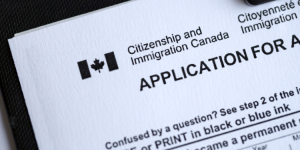
Moving to Canada involves several administrative steps that vary based on your personal and professional situation. The most common pathways include:
- Applying for a work permit, study permit, permanent residence, or specific program entry (such as Express Entry).
- Preparing required documentation before departure: valid passport, employment or study confirmation, proof of funds, police certificates, medical examinations.
- Upon arrival, registering with local services: Social Insurance Number (SIN), provincial health coverage, opening a bank account.
- Registering with provincial or municipal authorities where required.
Discover more









Join the discussion on the forum
03Working in Canada
Canada's job market attracts skilled professionals worldwide thanks to diverse sectors and strong demand for qualified workers.
💡 Key Points
- High-demand sectors include healthcare, information technology, construction, engineering, education, and energy.
- Two types of work permits exist: employer-specific (closed) permits or open work permits, depending on your program.
- Employment opportunities vary by province and city, with major concentration in large metropolitan areas.
- Provincial minimum wage, standard working hours, and employee rights are regulated by law.
🗂️ City-Specific Work Guides
Discover more






Join the discussion on the forum
04Finding Housing in Canada
Canada's housing market varies significantly by province and city. Rent and purchase prices are among the highest in major metropolitan areas.
💡 Key Points
- Rental leases typically run for one year, with security deposits sometimes equivalent to one month's rent depending on the province.
- Heating, water, or electricity may be included in rent, depending on the property.
- Foreign nationals can purchase property in Canada, though some provinces impose restrictions or additional taxes.
- Housing costs are highest in Toronto and Vancouver, and naturally more affordable in mid-sized cities or rural areas.
- For your search, use online platforms, real estate agencies, and local classified ads.
🗂️ City-Specific Housing Guides
- Housing in Calgary
- Housing in Montreal
- Housing in Quebec (province)
- Housing in Toronto
- Housing in Vancouver
For more details, explore our sub-guides on renting, buying property, and market conditions by province.
Discover more

Join the discussion on the forum
05Healthcare in Canada
Canada's healthcare system is publicly funded through taxation, but access varies by province or territory.
💡 Key Points
- Each province manages its own health insurance plan, with specific eligibility criteria and waiting periods for enrollment.
- Essential medical care is generally covered, but dental care, vision care, and many prescription medications are not included.
- Supplementary insurance is recommended to cover services not included or during the waiting period after arrival.
- Access to care varies by region and service type. Healthcare access is significantly more limited in rural areas.
Discover more

06Banking and Finance in Canada
Managing your finances in Canada: opening a bank account, making international transfers, filing tax returns, and understanding the tax system.


Join the discussion on the forum
07Studying in Canada
Canada welcomes hundreds of thousands of international students each year, attracted by the quality of education and diversity of programs.
💡 Key Points
- Numerous institutions exist in all provinces: universities, colleges, and specialized schools.
- Tuition fees vary by institution and province; they are often higher for international students.
- Instruction is in English, French, or both, depending on the region and program.
- A study permit is required for programs longer than six months, with proof of acceptance from an approved institution and sufficient financial resources.
- You can work during and after your studies through the Post-Graduation Work Permit (PGWP).
Discover more

08Education and Schools in Canada
Canada offers a public education system recognized for its quality and accessibility. Each province or territory manages its own organization and curriculum.
Discover more

09Moving to Canada
An international move to Canada requires careful planning and compliance with customs regulations.
💡 Key Points
- Hire a company specializing in international relocations to handle packing, shipping, and delivery of your belongings.
- Declare your personal effects to customs upon arrival; prepare a detailed inventory and respect restrictions on certain items (weapons, alcohol, food).
- If bringing pets, vaccinations and veterinary certificates are mandatory, with specific requirements depending on the province.
- Take out insurance to cover sea or air transport, as well as home insurance upon arrival.
- Be aware of shipping delays (several weeks for sea freight) and coordinate timing with your arrival.
Discover more

10Daily Life in Canada
Life in Canada combines a high standard of living, efficient organization, and marked cultural diversity. To integrate well, join the many expat communities and participate in multicultural events available to you.
Discover more






11Leisure and Activities in Canada
Canada offers a wide variety of activities year-round for all interests.
For outdoor enthusiasts, enjoy hiking, skiing, snowboarding, kayaking, camping, and wildlife watching in national parks.
Sports fans can experience ice hockey, Canadian football, baseball, and water sports, depending on your region.
Canada boasts rich cultural offerings with numerous museums, festivals, concerts, and culinary events reflecting the country's diverse heritage.
Our tips: in winter, try snowmobiling or ice fishing, and in summer take advantage of the many festivals on offer!
Discover more

12In Brief
Relocating to Canada offers numerous opportunities, whether for career, studies, or quality of life. This vast country appeals through its cultural diversity, spectacular landscapes, and welcoming attitude toward newcomers. Proper preparation is essential for a successful move.
To explore each aspect in depth, check out our detailed sub-guides by city, province, or topic, and benefit from advice from our expat community already living there.
Join the Canada community
Get regular tips and advice to make the most of your expat life
Essential services for your expat journey







Forum topics on living in Canada
Discover forums topics on expat life in Canada: join the conversation, ask your questions, get advice and share your experience.
- Rental nightmares in Canada
- Saudi Airlines middle name missing on ticket
- Job offers
- Weight loss tips?
- Applying for Morden Manitoba immigration under skilled worker class
- New members of the Canada forum, introduce yourselves here - 2023
- Canada visit visa from Dubai
- Prince Edward Island (Anyone here?!)
- how to apply for canadian jobs while living in saudi arabia?
- Sense of humour in Canada
- Can you have a Canadian Bank Account if Non-Resident?
- U.K. Plumber in Canada
- Beware of Fraudulent Immigrations Consultants
- A Malaysian looking to move to Canada.
- hello Canada, greetings from Jeddah!
- Hello there! Need help re: Jobs