

Living in Belgium: the ultimate expat guide
Everything you need to know for a successful life in Belgium.
Belgium sits at the heart of the European Union. Its capital, Brussels, hosts major European and international institutions. The country has approximately 11.8 million residents as of early 2025.
Five reasons to relocate to Belgium
- Strategic location in Europe. Positioned between France, Germany, the Netherlands, and Luxembourg, Belgium provides quick access to major European capitals.
- International job market. Brussels serves as a major hub for European institutions, NGOs, and multinational corporations.
- High-quality public services. The healthcare system, transportation, and infrastructure maintain excellent standards.
- Multicultural society. Over one-third of residents have foreign origins, making integration easier for newcomers.
- Balanced lifestyle with a comfortable quality of life and work-life balance.
Key figures
Total population | Nearly 11.8 million residents in 2025 |
Residents of foreign origin | ~36% |
Main nationalities | Romania, France, Ukraine |
Visas and formalities in Belgium
Relocating to Belgium involves several administrative steps. Here are the essential formalities:
- Visas, work permits, and residence permits. While EU citizens don't need these, non-EU nationals must obtain them before arrival.
- Anyone staying longer than 3 months must register with the local municipality (commune/gemeente).
- You'll receive a national number (numéro national/rijksregisternummer), essential for tax and social security purposes.
- For health insurance, enrollment with a Belgian mutuelle (health insurance fund) is mandatory.
📍Learn more
How to obtain a visa for Belgium
In order to step onto Belgian soil, it is very likely that you will need a visa, even if ...

Obtaining a work permit in Belgium
Are you planning to move to Belgium and start a new professional adventure? Great idea! Just ...
How to get a working holiday visa in Belgium
Want to explore Belgium while working to fund your stay? The working holiday visa (WHV) might be ...
Working in Belgium
Belgium offers strong employment opportunities across various sectors. Here's what you need to know:
- In-demand sectors include engineering, IT, construction, healthcare, and hospitality.
- The country faces talent shortages in financial services, real estate, education, public services, manufacturing, energy, and IT.
- The regulatory framework is generally entrepreneur-friendly. Business registration is streamlined through guichet d'entreprise/ondernemingsloket counters and centralized via the Crossroads Bank for Enterprises.
- Self-employment is booming. In Flanders, most SMEs operate without employees, reflecting the rise of freelancers and micro-entrepreneurs.
📍Learn more
Find a job in Belgium
Looking to work in Belgium? Good news: the job market remains stable and full of opportunities. But ...
Conditions and procedures to start a business in Belgium
Thanks to its geographical location at the heart of Europe, Belgium remains one of the most ...

How to find an internship in Belgium
Interested in doing an internship in Belgium? Whether it's to complete your studies or ...
Higher education in Belgium
Belgium welcomes numerous international students each year. The country offers education recognized for its quality and affordable cost compared to other European nations.
- Universities. The country hosts several prestigious institutions, including UCLouvain, University of Liège, Ghent University, and KU Leuven.
- Languages of instruction. Courses are taught in French, Dutch, or German depending on the region; increasingly, programs are offered in English.
- Tuition fees vary by nationality and chosen university, generally lower than in other Western European countries.
- Admission requirements depend on your original degree; certain programs (medicine, engineering, arts) are highly selective.
- Student life is vibrant and well-developed: strong international presence, student-specific housing, and active associations.
Studying in Belgium can be an opportunity to earn a recognized degree while thriving in a multicultural environment.
📍Learn more
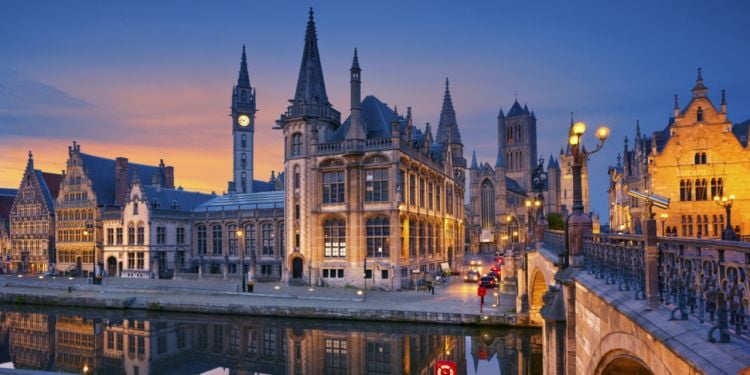
Universities in Belgium
Every year, Belgium attracts thousands of students thanks to its high-quality educational system, affordable fees, and central location in Europe. ...
Banking and taxes in Belgium
Opening a bank account is straightforward upon arrival with a passport, address, and sometimes a national number. Many banks offer online account opening.
Loans and credit are accessible to expats with stable income and residency status. Banks typically require an employment contract or income history in Belgium.
💡Personal taxation essentials
Belgium has signed treaties with numerous countries to avoid double taxation on the same income.
Income tax is progressive and declared annually. Tax residents must declare their worldwide income.
Income tax brackets for 2025
Taxable annual income (EUR) | Tax rate |
Up to €15,200 | 25% |
€15,201 to €26,830 | 40% |
€26,831 to €46,440 | 45% |
Over €46,440 | 50% |
📍Learn more
Healthcare in Belgium
Belgium maintains a high-quality healthcare system, accessible to residents and funded through social security contributions.
💡What you need to know
- All residents must enroll with a mutuelle (health insurance fund) to receive reimbursement for medical care.
- You have free choice of practitioners and healthcare facilities. Consultations are partially reimbursed by your mutuelle.
- A SIS Card/eID is used for identification and healthcare access.
- Social protection also covers family allowances, unemployment, and pensions, depending on your employment status and contributions.
- Quick registration with a mutuelle and careful administrative follow-up are essential for smooth access to care and reimbursements.
📍Learn more

The healthcare system in Belgium
When moving abroad, seeking healthcare in a new country can quickly become a source of stress. Good ...

Pregnancy and childbirth in Belgium
Whether you are considering a first pregnancy or trying to expand your family, it is important to ...

Healthcare for the elderly in Belgium
The quality of healthcare becomes essential with age. In this article, you will find all the ...
Schooling your children in Belgium
Belgium offers education renowned for its quality and accessibility. Education is compulsory from ages 6 to 18, similar to many European countries.
Public education is free and accessible to all, with high academic standards.
Instruction is provided in French, Dutch, or German depending on the region. Some schools offer bilingual programs.
Numerous international schools operate in Brussels and major cities, tailored for expat children.
Belgium stands out for its structured education system, diverse offerings, and facilities adapted to each student's needs.
📍Learn more

Enroll your child in an international school in Belgium
This article details all the international schools where you can enroll your children in Belgium. If you are interested in French schools in Belgium, ...
Finding accommodation in Belgium
Here are the key points to remember:
- It's always recommended to start by renting upon arrival. Rents are higher in Brussels than in Antwerp, Charleroi, Leuven, or Liège.
- Lease agreements are mandatory and typically run for 9 years, with shorter options available (1 or 3 years).
- You'll generally need to provide a rental deposit equivalent to 2 or 3 months' rent.
- Property purchase is open to foreigners, though registration and notary fees are relatively high.
📍Learn more
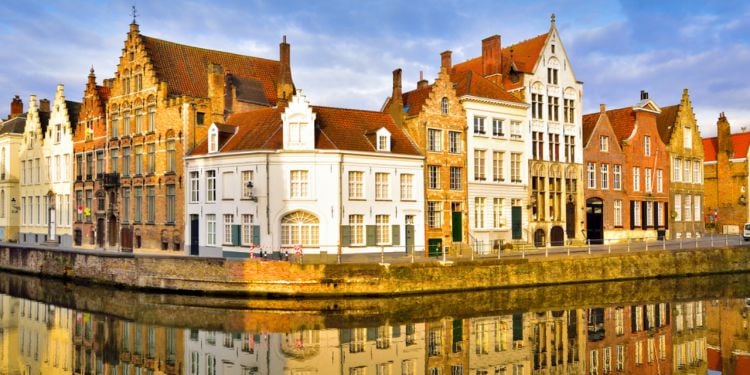
Moving to Belgium
Properly preparing your move is a key step in your relocation. Planning ahead for formalities and organizing the transport of your belongings will greatly facilitate your settlement. Here are our initial tips:
- Choose your transport method carefully: truck, sea freight, or air freight depending on distance and volume.
- Prepare necessary documents: inventory of belongings, passport, visa, or residence permit if applicable.
- Regarding customs: EU citizens face no special formalities; others may encounter certain taxes and controls.
- If bringing a pet: vaccination and veterinary documents will be required.
- Consider taking out moving insurance: you can never be too careful.
📍Learn more


Leisure and activities in Belgium
Make the most of your free time in Belgium. Find information on cultural and sporting activities, and leisure options for the whole family to discover during your time living here.
Sports activities in Belgium
In Belgium, sport plays a significant role in everyday life, supported by a vast network of sports infrastructures. From football, the national ...
Daily life in Belgium
Belgium combines local traditions, cultural diversity, and quality of life. Daily life is marked by a healthy balance between professional and personal time.
In terms of safety, the country is generally secure, though some major cities experience issues related to petty crime.
Work schedules follow European standards (35 to 40 hours per week).
Gastronomy holds a central place in Belgian culture: beer, chocolate, fries, regional specialties—enjoy yourself!
📍Learn more
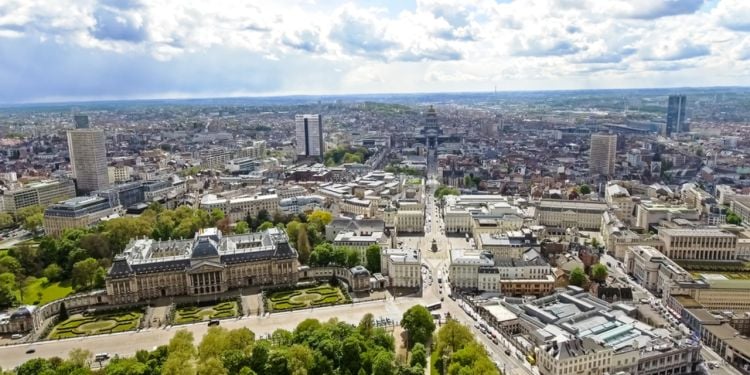
Discover Belgium
Do you wish to discover Belgium? Here is some basic information on its economy, political situation and on its climate.
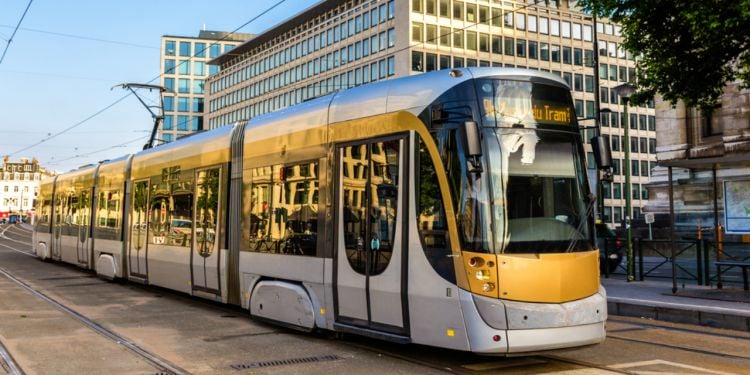
Different means of transportation in Belgium
Belgium has a wide range of means of transportation, from bicycles and cars to developed networks of trams, buses, metro, and trains. The ...

Phone and internet in Belgium
Whether you need a landline, a mobile plan, or a broadband Internet connection, Belgium offers a wide range of operators and packages. This article ...
Cost of living in Belgium
Here's an estimated monthly budget for 1 person living in Brussels
Rent for 1-bedroom apartment in city center | €1,000 to €1,200 |
Rent for 1-bedroom apartment outside center | €850 to €950 |
Utilities (electricity, heating, water) | €120 to €180 |
Internet and mobile phone subscription | €60 to €85 |
Groceries | €250 to €350 |
Meal at a local restaurant | €15 to €20 |
Public transport pass | €50 to €60 |
and an estimated monthly budget for a family of 4, also in Brussels
Rent for 3-bedroom apartment in city center | €1,800 to €2,000 |
Rent for 3-bedroom apartment outside center | €1,500 to €1,700 |
Utilities (electricity, heating, water) | €200 to €300 |
Internet and mobile phones (2 lines) | €75 to €110 |
Groceries | €700 to €900 |
Mid-range restaurant meal (2 adults + 2 children) | €80 to €100 |
Public transport passes (2 adults) | €100 to €120 |
In brief
Belgium is an attractive destination for expats thanks to its strategic position in Europe, international job market, and quality of life. A successful relocation to Belgium relies on thorough preparation, adaptation to local realities, and openness to cultural diversity.
Join the Expat.com community today to connect with other expats, share your experiences, and find all the answers to your questions about life in Belgium.
We do our best to provide accurate and up to date information. However, if you have noticed any inaccuracies in this content, please contact us.


News & testimonies

Raising thinkers, not test-takers: How the IB builds critical thinking skills
Choosing the right school is one of the most important decisions a family can make. Beyond academic results, many parents today are looking for an education that prepares their children to think independently, to adapt to change and to succeed in a complex and globalised world. This is where the International Baccalaureate (IB) education stands out. Widely recognised by universities and schools worldwide, the IB is known for developing critical thinking skills, curiosity, and intellectual independence from the very first grade.

EU launches €500M program to attract US researchers
Facing deep US science funding cuts, the European Union has launched Choose Europe for Science—a €500 million plan to recruit top American researchers. Announced on May 5, the initiative highlights 15 cities, from Berlin to Helsinki, as welcoming centers for global scientific talent.

A magical beginning to education: Discover the joy of primary learning at The British School of Brussels
The British School of Brussels (BSB) is thrilled to invite prospective families to an open morning event showcasing its exceptional Primary programme. On 9 May 2025, parents will have the opportunity to explore the school's innovative approach to education through presentations, guided tours, and interactions with BSB's passionate staff and leadership team. This event is a unique chance for families to witness the school's dedication to inspiring young minds and hear directly from educators who nurture and guide students at every stage of their learning journey.

Montgomery International School's IB diploma programme: A gateway to prestigious universities
As the world becomes increasingly interconnected, the International Baccalaureate (IB) is more relevant than ever. It offers a rigorous and well-rounded education focusing on critical thinking, global awareness, and independent learning. At Montgomery International School, we implement the IB DP with personalized support, engaging activities, and a strong community. Our goal is to equip students with the skills they need for success in both university and beyond.
Essential services for your expat journey