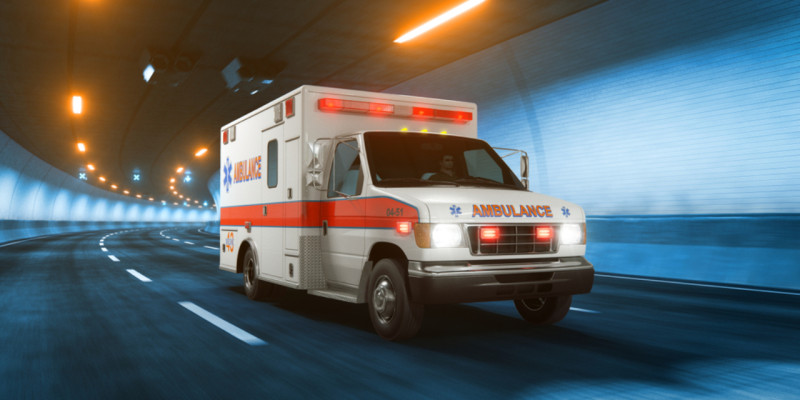
In case of an accident or emergency, knowing the right reflexes and useful numbers can make all the difference, especially when living abroad. This article explains how to react in the face of an emergency in Belgium: which numbers to dial, how medical services, the police, and firefighters operate, and which steps to followin case of a road accident, along with a few simple actions that can save lives while awaiting rescue.
In Belgium, 112 is the single number for all medical emergencies, fires, and police interventions. This number works everywhere inEurope and is free from any phone.
112: single emergency number (medical, fire brigade, police)
101: direct line for the police (always active but less prioritized than 112)
100: historical line for ambulance and fire brigade (still active but replaced by 112)
Emergency operators are trained to understand and speak French, Dutch, German, and often English. For added safety, you can download the free app 112 BE, which automatically sends your location to emergency services when you call.
Choose the best health insurance
Protect your health and get easy access to treatment for expats in Belgium.
AXA Global Healthcare: providing international health insurance for over 60 years. Working with over 2 million network providers in 190+ countries. Benefit from emergency cover, virtual healthcare services and options to tailor your plan.
Exclusive discounts and additional benefits on Regency for Expats Health Insurance. Get a free quote now and save up to 40% on the best health insurance for Expats.
Specialists in international health insurance for 40 years, offering health cover adapted to your needs as an expatriate, whether for a temporary stay or a long-term expatriation.
In the event of a medical emergency, dial 112 and inform the operator of your location and the nature of the problem. Depending on the situation, an ambulance may be dispatched immediately. Transport costs are partially reimbursed if you are affiliated with a mutual insurance in Belgium. If you have private health insurance, it may cover additional costs.
Hospitals have an emergency department ("spoedeisende hulp" in Dutch). It is advised to go there only for serious or urgent situations: in the case of a minor issue, the cost to you will be higher if you do not have a prescription or medical referral.
To contact a general practitioner outside of consultation hours, dial 1733: this national number will direct you to the nearest on-call service. If you need a pharmacy on duty, check www.pharmacie.be or call 0903 99 000 (€1.50/min) to get the address of the nearest pharmacy.
Life-saving actions: check if the victim is breathing, place them in the recovery position if necessary, do not move an injured person unless there is immediate danger, and alert emergency services as quickly as possible.
Get regular tips and advice to make the most of your expat life
Crimes and offenses in Belgium
As mentioned earlier, the emergency line for the police is 112 or 101. Operators can take your call immediately and dispatch the police to your location.
If the situation does not require immediate intervention, you can report certain incidents online via the official website www.policeonweb.be. The interface is available in French, Dutch, and German, and the details of the complaint must be written in one of these languages.
To find the nearest police station, visit www.police.be and enter your postal code.
Important:
Avoid poorly lit areas at night, keep your personal belongings close, do not carry large sums of money, and be vigilant in tourist areas where pickpockets are more prevalent.
Fire services in Belgium
In the event of a fire, threatening flood, blocked road, or any other disaster requiring an urgent response from the fire brigade, dial 112. This single number is operational throughout Europe and will connect you with the appropriate emergency services.
For non-urgent assistance during a storm or floods, use 1722 (or submit your request on www.1722.be). This service helps prevent clogging emergency lines.
Belgium has 34 emergency zones. For non-urgent situations like a wasp nest or a controlled small fire, contact your local emergency zone directly.
Important:
A functional smoke detector is mandatory in every home. In case of fire, evacuate quickly, do not use the elevator, close doors behind you, and call emergency services as soon as you are safe.
If you are driving in Belgium and are involved in an accident, you must pull over to the side of the road, turn on your hazard lights, put on your reflective vest, and place the warning triangle behind your car (30 meters away).
You must then exchange essential information with all other drivers involved, such as:
Full name;
Address;
Phone number;
License number;
Registration;
Car insurance.
Important:
Take photos and videos of the entire scene, including damage to vehicles and the road.
Fill out a European accident report (Europees aanrijdingsformulier in Dutch), either on paper or via the official e-Constat app.
In case of injuries, significant damage, or disagreement between parties, call 112 immediately. If the accident is minor and without severity, you can limit yourself to the report and declaration to your insurance.
Important:
The legal blood alcohol limit is 0.5 g/l (0.2 g/l for professional drivers).
Using a phone while driving is prohibited unless with a hands-free device.
ℹ️
We do our best to provide accurate and up to date information. However, if you have noticed any inaccuracies in this article, please let us know in the comments section below.
Nina Potentier is an independent consultant with over three years of experience working with both French and international clients. She studied Business Management at IÉSEG in Lille, specializing in digital marketing, and spent a semester abroad on a university exchange in Valencia. She also gained professional experience in Belgium during a placement in Brussels. In her free time, she enjoys photography, sports, and spending time by the sea.