Belgium is a diverse country, very welcoming to newcomers. What about its traditions, festivals, and way of life? This article shows you what to expect during your expatriation to Belgium.
Most Belgians work 8 hours a day and 40 hours a week. The work schedules are generally flexible, which keeps Belgium lively both day and night. Remote work has become widespread in recent years, especially in major cities. Shops and stores typically welcome customers from 9:00 or 10:00 AM until 6:00 or 7:00 PM (or early evening), from Monday to Saturday. They are only open on Sundays a few weeks a year, such as just before Christmas. Supermarkets generally operate from 8:00 AM to 8:00 PM, Monday through Saturday, while those in larger cities may stay open later. Midday closures are now less common but remain prevalent in smaller towns.
The nightlife is vibrant, with cinemas, concert halls, restaurants, and other activities accessible in major cities like Brussels, Antwerp, Liège, or Ghent.
The cultural calendar of Belgium is filled with cultural, sporting, and culinary events that take place throughout the year across the country. First comes the Belgian National Day (July 21), which the country celebrates with numerous parades. It also hosts major music festivals like Tomorrowland or the Ghent Festival.
At Christmas, festive markets light up the historic centers of cities like Brussels, Bruges, and Liège.
Antwerp hosts numerous cultural events throughout the year, especially during the summer. Then there's the Carnival of Binche, for example, which takes place every year a few weeks before Mardi Gras in the town of Binche and its surroundings. Listed as UNESCO intangible cultural heritage, it is one of the most famous, with its Gilles and orange throwing.
Carnivals are part of the local folklore: those in the Rhineland and Wallonia occur during Mid-Lent week. These festivities are so ingrained in the Belgian cultural heritage that school holidays depend on them.
In Brussels and Liège, puppet shows are part of the folklore: the Royal Theatre of Toone in Brussels is an iconic example, presenting classic plays like “Le Cid” or “The Three Musketeers.”
Get regular tips and advice to make the most of your expat life
Daily life habits in Belgium
Speaking French, German, or Dutch is common depending on the region: German is mainly used in the German-speaking community in the East. In tourist areas, English is also often understood. When entering a restaurant or interacting with a shopkeeper, feel free to indicate directly the language you prefer to use.
To greet friends, it is common to kiss one, two, or three times on the cheeks, especially in Wallonia and Brussels. The Flemish population is less tactile and more reserved; they prefer simply to shake hands.
As for meals, breakfast is generally hearty, with both savory and sweet dishes. Lunch (called “dinner” in Belgium) is light and usually taken on the go, as lunch breaks are relatively short (averaging 30 to 45 minutes). As for the “supper” (the evening meal), it is generally taken around 7:00 PM. Some restaurants close after 9:00 PM.
Far from the clichés of beer and fries, Belgian cuisine is actually very rich. Belgium has inherited a very refined cuisine, notably in Flanders. There are about 80 varieties of cheese. Additionally, the region's expertise is unparalleled in chocolate and pastry.
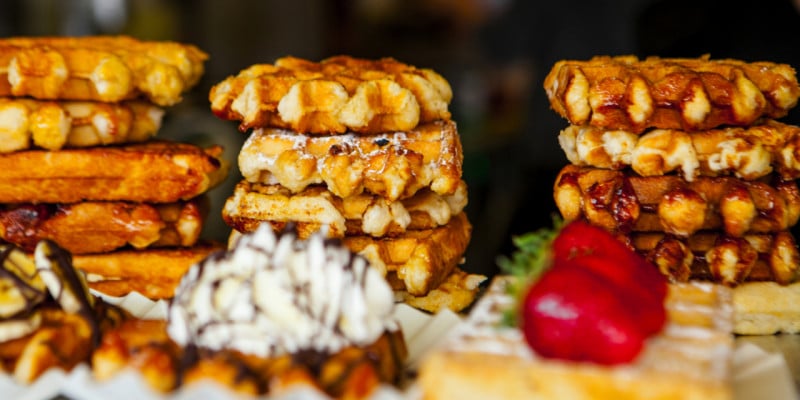
The most well-known dishes in Belgium are steak tartare, Liège salad, and Flemish stew. You can even stop by a fry truck at snack time. And if you prefer sweets, you'll love the Liège waffle.
As for drinks, Belgium is undeniably one of the world's largest beer producers. There are more than 3,500 different types produced in nearly 400 breweries. They offer different flavors, some more or less unique. The Low Countries are also wine producers. The best Belgian wines are available in top restaurants and supermarkets.
Most Belgian holidays are national, some are regional, and others are communal.
They depend on the local traditions of cities, towns, or regions. Some holidays are only granted to civil servants. This is the case for the Iris Festival in May (Brussels-Capital Region) or the commemoration of the Battle of the Golden Spurs in Flanders (July 11).
The most popular national holidays are New Year's Day, Easter Monday, Labor Day, National Day, Assumption Day, All Saints' Day, Armistice Day, and Christmas Day.
Other holidays, such as Pentecost, Mother's Day, or Father's Day, are celebrated but are not necessarily days off.
In total, there are 10 legal holidays recognized throughout the year. Some, even if celebrated nationally, remain working days.
ℹ️
We do our best to provide accurate and up to date information. However, if you have noticed any inaccuracies in this article, please let us know in the comments section below.
Nina Potentier is an independent consultant with over three years of experience working with both French and international clients. She studied Business Management at IÉSEG in Lille, specializing in digital marketing, and spent a semester abroad on a university exchange in Valencia. She also gained professional experience in Belgium during a placement in Brussels. In her free time, she enjoys photography, sports, and spending time by the sea.