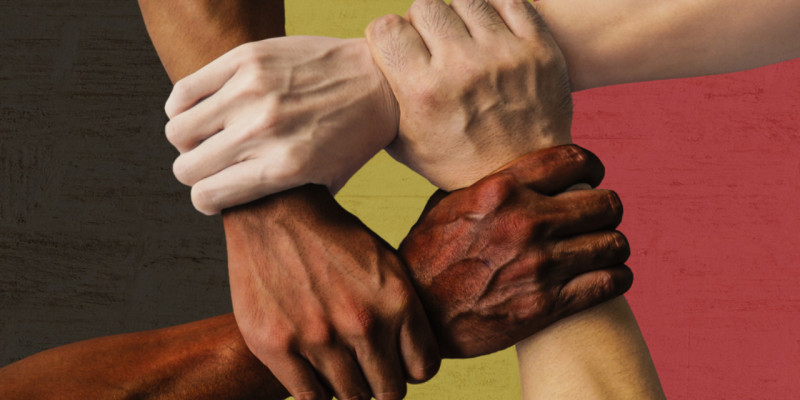
Belgium, a country located in the heart of Europe, is distinguished by its cultural richness and linguistic diversity. This multicultural nation is home to multiple communities, each contributing its own element to the Belgian mosaic. However, diversity is not limited to cultural and linguistic differences. Belgium also strives to promote diversity and inclusion in all its forms through its public policies, associations, and citizen-led initiatives.
Many organizations, institutions, and companies in Belgium actively promote diversity and inclusion by implementing policies and programs aimed at combating discrimination and enhancing diversity within their workforce.
Unia: An independent public institution, it fights against discrimination and promotes equal opportunities in Belgium. It offers advice, investigates reported cases, and conducts awareness campaigns.
Multinational companies: Many large multinational companies with subsidiaries in Belgium have implemented policies and initiatives to promote diversity and inclusion within their workforce. This can include diverse recruitment programs, diversity awareness training, and diversity working groups.
Universities and schools: Higher education institutions in Belgium are increasingly emphasizing diversity and inclusion. They are implementing initiatives to create an inclusive environment for students from all backgrounds and to promote diversity in their academic programs.
NGOs and associations: Many non-governmental organizations in Belgium are dedicated to promoting diversity, fighting discrimination, and protecting the rights of marginalized groups, such as migrants, refugees, and LGBTQ individuals.
Media and communication groups: Belgian media play a crucial role in raising awareness about diversity and inclusion. They help promote balanced representation and increase public awareness of discrimination issues.
Trade unions: Trade unions in Belgium are also involved in promoting equal opportunities in the workplace and society at large.
Since 2022, Belgium has also relied on a National Action Plan Against Racism, which guides public policies on diversity and anti-discrimination efforts.
Belgium is a neutral state where freedom of religion is guaranteed. Many faiths coexist here, and laws prohibit any discrimination based on religious beliefs.
A particular aspect of the Belgian religious landscape is the system of funding for state-recognized religions. Major religions such as Catholicism, Protestantism/Evangelism, Anglicanism, Orthodoxy, Islam, Judaism, and since 2023, Buddhism, receive public funding to cover costs related to personnel, places of worship, and their activities. Organized secularism also receives funding. This is part of the recognition of religions by the Belgian state. Other religions or beliefs do not receive this support, but their followers are, of course, free to practice freely.
The country is characterized by its religious tolerance and respect for religious diversity. Anti-discrimination laws also apply to religious matters, prohibiting religious discrimination. The country is home to numerous churches, temples, mosques, synagogues, and other places of worship serving different religious communities, thus reflecting the richness of its religious diversity.
Join the Belgium community
Get regular tips and advice to make the most of your expat life
Integration of migrants in Belgium
Migrant integration in Belgium is a significant issue, as the country's population is becoming increasingly diverse with immigration.
The country has implemented various policies and initiatives to facilitate this integration and promote the active participation of migrants in the social, economic, and cultural life of Belgium.
Belgium offers language courses in the national languages, namely French, Dutch, and German. These courses are designed to help migrants acquire the language skills necessary to communicate and integrate more effectively into Belgian society.
In parallel, orientation programs are available to help them acclimate to Belgian society, understand the education and health systems, and know their rights and duties as residents.
The regions play a key role: in Flanders and Brussels, integration courses are mandatory for certain newcomers, while in Wallonia, they are strongly encouraged.
Migrants are actively encouraged to participate in vocational training programs and employment initiatives aimed at helping them find jobs that match their skills. Employers are also encouraged to promote diversity within their workforce, thus contributing to workplace inclusion.
The flat country has made progress in the recognition of LGBTQ rights and in the fight against gender-based discrimination. Same-sex marriage has been legal since 2003, and Belgium has anti-discrimination laws protecting LGBTQ rights.
Several associations represent the LGBTQ community. These organizations play an essential role in promoting the rights, equality, and inclusion of lesbian, gay, bisexual, transgender, and queer people.
Here are some of the main LGBTQ associations in Belgium:
Prisme Federation operates in Wallonia and Brussels and works to promote equality and the rights of LGBTQ people. It offers support services and information as well as events to raise public awareness of LGBTQ issues.
Çavaria, based in Flanders, is an organization that fights for the rights and inclusion of LGBTQ people in the Flemish region. It organizes events, provides information, and works on awareness campaigns.
RainbowHouse Brussels is an LGBTQ center located in Brussels that offers support, counseling, and educational services. It also hosts several local LGBTQ organizations and organizes cultural and awareness events.
Genres Pluriels is an association based in Brussels that focuses on issues related to gender diversity and the rights of transgender and non-binary people. It offers support services and works to raise public awareness of these issues.
Ex Æquo is an association that specifically works on sexual health issues for young LGBTQ people in Belgium. It provides information, resources, and support services for young people.
Rainbow Cops Belgium brings together LGBTQ police officers and law enforcement members in Belgium and works for inclusion and equality within the law enforcement agencies.
Belgium is firmly committed to promoting gender equality and combating inequalities between men and women. Through a set of laws, policies, and programs, the country aims to create a society where everyone, regardless of gender, can fully participate in all aspects of life.
The Law on Equal Opportunities for Men and Women forms the legal basis of this commitment. It prohibits discrimination based on sex and promotes equal opportunities in various areas, from employment to education, housing, and public services. This law also ensures gender parity in advisory and decision-making bodies.
The government has adopted several national action plans for gender equality, which identify priorities such as combating gender-based violence, ensuring equal pay, and balancing private and professional life. Awareness campaigns and educational programs also aim to dismantle gender stereotypes from school onwards.
In politics, Belgium has introduced gender quotas to ensure fair representation of women and men in decision-making bodies. This promotes the active participation of women in political life and strengthens their voice in governance processes.
Gender equality awareness and education are key elements of the Belgian approach. Schools, universities, and public institutions integrate educational programs aimed at eliminating gender stereotypes and promoting inclusion. Public awareness campaigns are also conducted to raise awareness of gender issues.
In the workplace, specific laws and regulations aim to promote gender equality. This includes the elimination of pay discrimination, protection for pregnant women, and the promotion of work-life balance, notably through access to affordable childcare services. Women entrepreneurs benefit from special support programs, including financing and advice to foster their success in the business world.
Despite these advances, challenges remain, particularly in terms of violence against women and wage inequalities. This is why Belgium actively participates in European and international initiatives in favor of gender equality.
Belgium has implemented strict anti-discrimination laws, particularly in employment, housing, and public services. Discrimination based on race, ethnic origin, religion, gender, sexual orientation, and other characteristics is illegal.
In employment, Belgium has established legal provisions that prohibit workplace discrimination. These laws apply throughout the employment cycle, from recruitment to promotion and training. Employers are required to comply with these laws and implement measures to prevent and eliminate discrimination. This can include the adoption of diversity policies, the creation of reporting procedures for employees who experience discrimination, and the establishment of remedial mechanisms for proven cases of discrimination.
In the field of housing, Belgium is also committed to eradicating discrimination. Anti-discrimination laws in housing prohibit landlords and real estate agencies from refusing to rent or sell a property based on protected criteria such as race, ethnic origin, religion, age, sex, or sexual orientation. People who believe they have been victims of discrimination in housing can file complaints and seek appropriate remedies.
Regarding public services, Belgium also guarantees equal access. Government agencies, public schools, public hospitals, and other public services are required to treat all individuals equally, without discrimination based on protected criteria. Public officials and employees are also subject to the obligation to respect the principles of equality and non-discrimination in their duties.
To ensure compliance with these anti-discrimination laws, Belgium has established oversight and rights defense bodies such as Unia. It plays a crucial role in receiving complaints, conducting investigations into alleged discrimination cases, and providing legal advice to victims. Violators can face civil sanctions and, in some cases, criminal penalties.
These anti-discrimination laws reflect Belgium's firm commitment to equal opportunities and the fight against discrimination in all its forms. They help create a more inclusive society where every individual has the opportunity to thrive, regardless of their origin or personal characteristics, while reinforcing fundamental rights and the values of justice and equality at the heart of Belgian society.
Since 2022, the National Action Plan Against Racism and the Federal LGBTQI+ Plan complement these measures by strengthening prevention and awareness efforts.
Thanks to these policies, Belgium asserts itself as a country committed to equal opportunities. However, Unia reports remind us that discrimination persists, particularly in employment and housing, and that vigilance remains essential to build a truly inclusive society.
ℹ️
We do our best to provide accurate and up to date information. However, if you have noticed any inaccuracies in this article, please let us know in the comments section below.
Nina Potentier is an independent consultant with over three years of experience working with both French and international clients. She studied Business Management at IÉSEG in Lille, specializing in digital marketing, and spent a semester abroad on a university exchange in Valencia. She also gained professional experience in Belgium during a placement in Brussels. In her free time, she enjoys photography, sports, and spending time by the sea.