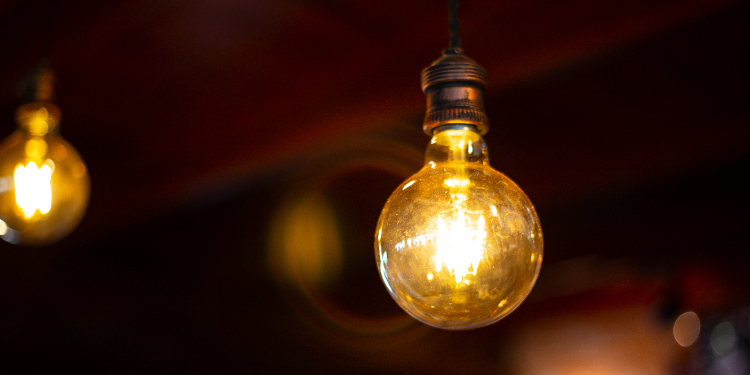
Electricity: A fragile network
Mauritius is not immune to the global difficulties of energy production and distribution. On October 3, the Central Electricity Board (CEB) experienced equipment failures, with two engines breaking down, resulting in a 55 MW deficit on the national grid—roughly equivalent to the consumption of 150,000 households. The CEB has called for cooperation from the public, asking both households and businesses to limit non-essential use and consume responsibly.
A tiered alert system has been introduced, saving an estimated 12 to 15 MW during the most recent alert period.
To reduce impact and avoid rolling blackouts, the CEB recommends the following:
- Cut down on non-essential electricity use between 6 p.m. and 9 p.m.
- Schedule energy-intensive activities outside peak hours.
- Optimize air-conditioning and lighting systems.
-
As summer nears, tension is rising: demand is edging close to capacity. Caution is key. To stay informed about the grid's status and ongoing outages, check the official CEB Power Outage Information page.
Mauritius plans to compensate for its energy deficit with a floating power plant running on heavy fuel oil, expected to produce 90–110 MW and become operational by January 2026.
The Mauritian government has set an ambitious goal: reaching 60% renewable energy by 2030. Yet as an island nation exposed to climate risks, limited infrastructure, and rising demand, the road ahead remains challenging.
The current energy mix still relies heavily on coal and petroleum. Renewables are growing but remain a minority source, creating a risk of load shedding, localized blackouts, and voltage drops during peak times.
Water: A resource under pressure
Mauritius experiences alternating periods of prolonged dry spells and heavy rainfall. Although the island receives around 2,000 mm of rain per year, less than 10% is actually captured and stored. The reasons are familiar: poor watershed management, leaks in old pipelines, and outdated infrastructure. Entire neighborhoods can go without water for several days, especially during the dry season, placing reservoirs, dams, and groundwater supplies under immense strain.
Restrictions, such as no watering gardens and no car washing, are becoming more common, and water trucks cannot always meet demand. Unannounced cuts can be stressful if you don't have a water tank or backup system, so it's best to plan ahead.
And what about cyclones?
From November to April, Mauritius enters cyclone season. While the island has been relatively spared in recent years, a single storm can cause severe damage to the power grid and water supply. Uprooted roofs, flooded roads, and fallen trees on power lines can leave some areas without basic utilities for days.
During cyclone alerts (Class 2 or 3), businesses close, travel is banned, and living several days without power or water is not uncommon. It's therefore essential to ensure a minimum level of self-sufficiency in drinking water, energy, and food, and to make sure your home complies with cyclone safety standards (shutters, roofing, waterproofing, etc.).
Seven essential installations for your home
Before choosing curtains or a new oven, here are the key systems to consider if you want your home to stay comfortable and resilient:
1. Water storage tank
Essential if you live in an area prone to supply interruptions. Some neighborhoods only have running water one day out of three.
2. Rainwater harvesting system
Bonus: the Mauritius Commercial Bank (MCB) offers a Rainwater Harvesting Scheme with low-interest loans and subsidies.
FinClub also provides a Green Loan covering up to 100% of installation costs, plus a 15% tax credit.
3. Pump and filtration system
Necessary to make stored or rainwater usable for cooking and bathing.
4. Generator or Uninterruptible Power Supply (UPS)
Crucial to handle power fluctuations and prolonged outages—especially if you work from home.
5. Solar panels with battery storage
With over 300 sunny days per year, solar water heaters and photovoltaic panels are smart, sustainable investments. Some suppliers or insurers even offer incentives or tax deductions. Over time, the savings add up, and surplus energy can be sold back to the grid.
6. Portable LED lights and power banks
Simple but invaluable during nighttime power cuts or cyclones.
7. Energy- and water-efficient systems
Install aerator taps, low-flow showerheads, inverter air conditioners, and A+++ rated appliances.
How to manage interruptions
Even with all the right equipment, adaptability remains key. Here are some helpful habits to adopt:
- Fill your tanks early in the morning (water often flows between 4 a.m. and 7 a.m.).
- Do laundry, shower, and water plants outside peak hours.
- Keep sealed containers of drinking water on hand.
- Prepare a cyclone-readiness checklist: fully charge batteries and fill your tanks before alerts.