


Julien Faliu
@Julien
French expat in Mauritius
Forum posts
53212
Contacts
727
About me
French, Married with children, 48 years old
Lives in Grand Baie
Speaks Français, anglais, espagnol, catalan, créole mauricien
Registration: 11 March 2005
Articles written or translated by Julien Faliu
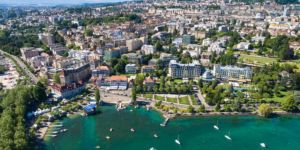
Most people assume that finding an apartment in an orderly, well-organized Swiss city is a matter of patience rather than strategy. In Lausanne, that assumption tends to break quickly. The rental market in Lausanne is competitive, the standard application file requires Swiss documents that newcomers don't yet have, and the entire process runs in French: from portal listings and lease terms to official forms and the conciliation commission that handles disputes. Lausanne's steep topography adds a layer that surprises many arrivals: districts that look adjacent on a map can feel very different in daily life once elevation changes are factored into a daily commute.
19 August 2026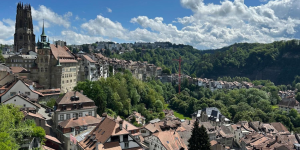
Many expats who have settled in Fribourg say the same thing after the first few months: the city is calmer, smaller, and more bilingual in daily practice than they had expected, and adjusting to all three simultaneously takes longer than the move itself. Comparable in feel and scale to a mid-sized English cathedral city, Fribourg carries Swiss costs and a French-German bilingual environment that operates as a live daily feature rather than a scenic backdrop. A single person's monthly budget runs CHF 2,700 to CHF 3,600 (approximately USD 3,294 to USD 4,392); housing is tight, especially around university enrollment periods, and French unlocks everyday life in the city. The gap between arriving and genuinely feeling settled is real, but the city's compact scale, strong safety record, and active cultural life make that investment worthwhile for the right newcomer profile.
19 August 2026
Fribourg has been a bilingual city for centuries, French on the city side and German across the canton, and that duality shapes how professional and social life is organized here. Networking runs through established institutions: the cantonal chamber of commerce, university structures, municipal integration forums, and sector-specific bodies rather than large open-networking receptions or cold digital outreach. For newcomers, this means entry points are clearly mapped but reward consistent attendance over time. Relationships form through repeated encounters at the same events, not through a single impressive introduction. French is the default for most city-level professional contact; English is accessible in start-up and university settings. The post-event drinks reception, the apéro, is where real introductions actually happen.
19 August 2026
Understanding what to eat in Fribourg, and what it will cost, is one of the practical priorities for any new arrival. A simple restaurant meal starts at around CHF 25 (USD 30.50), which makes eating out daily a significant monthly expense even before reaching gastronomic addresses. What sets Fribourg apart is not just the price level but the depth of its food identity: the city holds membership in the UNESCO Creative Cities Network for Gastronomy, and its signature dish, fondue moitié-moitié made with Gruyère AOP and Vacherin Fribourgeois AOP, is a genuine everyday social meal for residents rather than a set piece for visitors.
19 August 2026
What draws students specifically to Fribourg rather than anywhere else in Switzerland? For many, the answer comes down to one structural fact: the Université de Fribourg / Universität Freiburg is Switzerland's only bilingual university, where degrees can be pursued in French, German, or a genuine academic combination of both. Around 10,000 students at Unifr alone give this compact, walkable city a genuinely student-shaped character. Semester fees of CHF 985 (USD 1,220) for most international students are in line with continental European norms rather than the much higher levels common at many Anglophone universities.
19 August 2026
Fribourg has fewer than 40,000 inhabitants, yet it fields two top-division professional sports clubs and regularly fills a 9,000-seat arena. HC Fribourg-Gottéron competes in Switzerland's National League ice hockey, and Fribourg Olympic Basket plays in the SB League, the country's top basketball division; both draw committed, capacity crowds through a September-to-April season. That sporting intensity carries through into participation: the city runs nearly 100 recognized clubs, free outdoor fitness sessions in summer, and an annual festival where more than 40 associations offer free initiations in a single afternoon.
19 August 2026
Getting the ownership question right before viewing a single property is the most important step for foreign buyers in Fribourg: Swiss law draws a sharp line between expats already resident in Switzerland and those still based abroad, and that distinction determines whether a purchase can proceed without government authorization. Fribourg carries a specific advantage for non-residents: the canton holds an available holiday-home quota under the federal Lex Koller framework, one of the few in Switzerland, making a secondary property purchase conditionally possible even for buyers who have not yet relocated.
18 August 2026
Fribourg sits on the linguistic boundary that has divided French and German-speaking Switzerland for centuries, and its school system is one of the most visible expressions of that reality. Both French and German tracks operate within the same compact city, tuition-free and allocated by neighborhood, and a structured bilingual stream is being progressively extended through the full primary cycle at École de la Vignettaz. For families relocating here, that means access to genuinely bilingual public education alongside a built-in newcomer-support service, the SCEPM, which connects parents whose children do not yet speak either language with school administration before the first day. Families who need a K-12 English-medium school will not find one inside the city.
18 August 2026
A common assumption about Swiss cities of Fribourg's size is that you need a car to get around efficiently. In practice, the Frimobil fare network, which combines TPF buses, regional trains, and the historic funicular under a single zonal ticket, covers most daily journeys without a car. What catches many newcomers off guard is the terrain: the elevation gap between Fribourg's upper town and the Basse-Ville quarter makes some walks and cycling routes considerably more demanding than the map distance implies, which is why e-bikes have become a practical part of how residents move around the city. For international connections, Geneva Airport is the practical hub for Fribourg residents, reachable by direct SBB train in around 90 minutes.
18 August 2026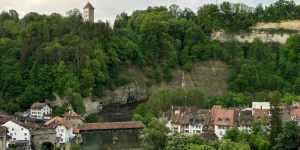
Fribourg has operated as a bilingual French-German city since the medieval period, and that dual identity runs through its leisure offer in ways newcomers notice quickly: public institutions program in both languages, the cultural calendar draws on both communities, and the free-access tier across museums and open-air events is broad enough to keep a new resident occupied for weeks without significant spending. The city's spring-to-autumn festival season covers international film, sacred music, contemporary live arts, and outdoor popular music. Year-round resources like MEMO, the bilingual public library and cultural space, and Kunsthalle Friart, the free contemporary art center in the Basse-Ville, provide a constant low-barrier cultural anchor. What distinguishes Fribourg most practically for new arrivals is how much of this offer costs nothing.
18 August 2026
You've committed to working in Fribourg, and the first surprise is structural: there is no financial district or tech quarter to target. The city's employment landscape is organized around three institutional clusters spread across distinct neighborhoods: an innovation campus, a university, and a public-administration and services zone near the station. Getting your search strategy right requires understanding which cluster fits your profile. The market is also bilingual, with French and German dominating; French dominates most institutional employers, and English-only searching is realistic mainly in research and internationally structured roles. Flexible working arrangements are formally agreed and documented rather than informally assumed, which shapes daily working life from the first week onward.
18 August 2026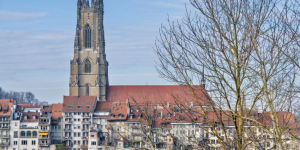
The first few weeks of searching for an apartment in Fribourg quickly clarify one thing: the market moves fast, and agencies expect a complete application ready at the moment of viewing. Fribourg is a compact, officially bilingual city built around a medieval river valley, with 12 distinct areas each offering a different balance of price, transport access, and atmosphere. Rents range from around CHF 1,050 (approx. EUR 1,124) for a studio to over CHF 2,985 (approx. EUR 3,194) for a large family apartment, with Swiss law capping the security deposit at three months' net rent, held in a blocked bank account in the tenant's name. Understanding these rules and the city's neighborhoods before you begin searching gives you a genuine practical advantage in a market where preparation is the deciding factor.
18 August 2026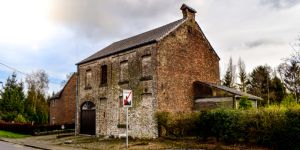
It's your first week in Charleroi. You've found a few promising apartments online, but the listings, agency websites, and lease contracts are almost entirely in French, and the landlord is presenting you with a standard nine-year contract. That last detail catches most newcomers off guard: Belgium's default residential lease is a long-term commitment, not a rolling tenancy, and signing without understanding the terms has real consequences. Charleroi is affordable by Belgian standards, with furnished studios starting around EUR 450 per month and metro-served districts offering one-bedroom apartments from EUR 650. Since September 1, 2025, the city's foreign residents office also requires complete documentation at first submission, so sorting your housing and your registration paperwork go hand in hand from the day you arrive.
24 July 2026
Many people assume that Charleroi's job market is defined by its industrial past rather than its present reality. In fact, the city hosts a concentration of aerospace, biotech, and advanced manufacturing employers, including Sonaca, Thales Alenia Space Belgium, and the BioPark Charleroi life-sciences campus in Gosselies, sitting alongside over 140 shortage occupations across Wallonia. That combination matters for expats: candidates in construction, health, engineering, and technology can find real openings faster than the headline jobseeker count of around 45,000 registered in the Charleroi arrondissement might suggest. The practical catch is that French dominates almost every hiring channel, from public-sector applications to daily workplace coordination, making language readiness a more decisive factor here than sector qualifications alone.
24 July 2026
Relocating a pet to Senegal is entirely achievable, but it demands careful planning well before your departure date. The import process is managed by the Senegalese Directorate of Veterinary Services (DSV), and missing even one document can result in your pet being held at customs at your expense. Senegal is also classified as a high-risk rabies country, which has direct consequences not just for entry, but for any future return to the EU, UK, or US. Start the process at least 4 to 6 months in advance, and this article will walk you through every step: from securing the DSV import permit and preparing veterinary paperwork to navigating arrival at Blaise Diagne International Airport and finding veterinary care in Dakar.
08 April 2026
Senegal is a country where dating is rarely separate from family, faith, and long-term intention. For expats arriving from more individually oriented societies, the contrast can be striking: relationships here are shaped by Islamic values, communal expectations, and deeply rooted traditions that vary by neighborhood, generation, and social background. Understanding this context before you start dating locally will help you avoid misunderstandings, build genuine connections, and navigate the social landscape with respect. This article covers how people meet, which apps are popular, what to expect on a first date, how intercultural marriages work legally, and what every LGBTQ+ expat needs to know before arriving.
08 April 2026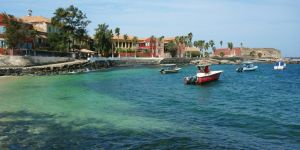
Senegal is overhauling the way it manages foreign arrivals, and the change affects millions of travelers from Europe, North America, and beyond. In August 2025, the Senegalese government announced a shift to a mandatory electronic visa system built on the principle of reciprocity: if your country requires a visa from Senegalese nationals, you will now need to obtain an e-Visa before traveling to Senegal. This article covers who needs a visa, how to apply, what documents to bring, what to expect at the border, and what happens if you stay too long.
08 April 2026
Senegal's economy is projected to grow between 8.4% and 11.7%, driven by new oil and gas exports and a government agenda actively courting foreign investment. For entrepreneurs looking to establish a business on the continent, Senegal offers full foreign ownership rights, a centralized registration system, and a legal framework that will feel familiar to many international founders. This article covers everything you need to set up a company in Senegal: from choosing the right structure and registering with the authorities, to understanding your tax obligations and hiring your first employees.
08 April 2026
Finding the right school is often the most urgent task on a relocating parent's list, and in Senegal, the options are more varied than many families expect. Almost all of the country's international school options are concentrated in Dakar, where English-medium, French-medium, and bilingual programs sit alongside one another. Class sizes in the public system can reach up to 80 students per teacher, which means that most expat families head straight to the private and international sector. This article covers every practical step in that process: how the school system is structured, which international schools in Senegal are available, what they cost, and how to secure a place before you arrive.
08 April 2026
Senegal is on the verge of a historic milestone: in October 2026, Dakar will host the Summer Youth Olympic Games, the first Olympic competition ever held on the African continent. That alone signals how seriously the country takes sport. Whether you are chasing waves off Ngor Island, joining a social run with the Dakar Hash House Harriers, or watching the Lions of Teranga fill a 50,000-seat stadium, Senegal offers a surprisingly broad range of sporting options for expats at every fitness level. This article covers where to train, play, and compete across the country.
07 April 2026
Dakar runs on relationships. Whether you are looking to break into a new industry, find your first clients, or simply build a social circle after arriving in Senegal's capital, the way you connect with people here matters as much as what you know. The city has a growing ecosystem of professional events, active chambers of commerce, and a diverse international community spread across neighborhoods like Almadies, Mermoz-Sacré-Cœur, and Plateau. This article covers the platforms, associations, events, and cultural norms that will help you build a meaningful network in Dakar, whether your priority is professional growth or simply meeting people you can rely on.
07 April 2026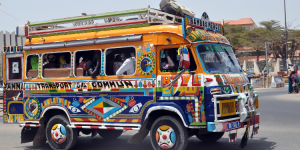
Dakar is in the middle of a transport revolution. The city that was long defined by gridlocked roads and aging minibuses now has Africa's first fully electric Bus Rapid Transit network and a modern commuter rail line connecting its dense suburbs to the city centre. For expats arriving today, the options are broader and more reliable than ever, though informal transport still dominates large parts of the network and traffic congestion remains a daily reality. This article covers every meaningful way to get around Dakar: from the new BRT and TER systems to ride-hailing apps, taxis, driving conditions, and getting in from the airport.
07 April 2026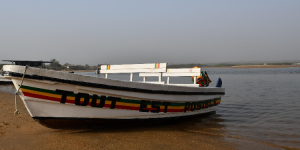
Dakar sits on the westernmost tip of Africa, operates on GMT, and offers a cost of living that is roughly half what you would spend in North America or Western Europe. For digital nomads weighing up their next base, those three facts alone make Senegal worth serious attention. This article covers what remote workers actually need to know before choosing Senegal: the visa situation, internet reliability, coworking options, monthly costs, and the real challenges that make this destination rewarding but not entirely straightforward.
07 April 2026
Dakar stands out as the leading higher education destination in Francophone West Africa, drawing students from across the continent and beyond to a city that blends academic ambition with a famously welcoming culture. Whether you are considering a full degree at a public university, a business programme at one of the region's top-ranked private schools, or an exchange semester, this article covers what you need to know: how the higher education system works, what it costs, where to live, and how to navigate daily life as an international student in a city that is genuinely unlike anywhere else.
07 April 2026
Senegal runs on relationships. Before any deal is discussed, any partnership proposed, or any friendship formed, trust must be built, and that process takes time, patience, and genuine engagement. This article covers what expats need to know about both professional and social networking in Senegal: from the cultural values that shape every interaction, to the platforms, spaces, and communities where meaningful connections actually happen. The country's guiding principle of Teranga, the Wolof concept of hospitality, makes Senegal one of the most welcoming places in West Africa for newcomers, but navigating that warmth effectively requires understanding the rules beneath the surface.
07 April 2026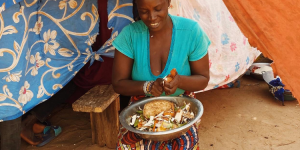
Dakar's food scene is one of the most distinctive in West Africa, built on a culinary identity that blends Atlantic seafood, peanut-based stews, and French-influenced bakeries into something entirely its own. Whether you are settling in for the long term or still finding your feet, understanding how the city eats, where it eats, and what it costs will make daily life considerably easier. This article covers everything from the national dish and the best neighbourhoods to eat in, to grocery shopping, dietary needs, and the food delivery apps that actually work here.
07 April 2026
Senegal has one of the most active telecommunications markets in West Africa, with a mobile penetration rate of 128.7% and internet access reaching over 11.5 million users, according to the national regulatory authority ARTP. For expats arriving in Dakar or settling elsewhere in the country, getting connected is straightforward in urban areas but requires some planning beyond city limits. This article covers everything from picking up a SIM card on arrival to setting up fiber at home, understanding speed realities across regions, and knowing what to do when the network goes dark during political unrest.
07 April 2026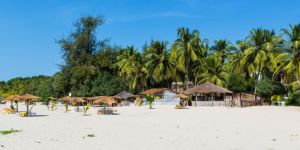
Senegal's rental market runs on two completely different speeds depending on where you land. In Dakar, for example, quality apartments in expat-popular neighborhoods move within weeks, landlords frequently test higher prices with foreign tenants, and upfront cash requirements can reach the equivalent of four months' rent before you receive a single key. Outside the capital, the pace slows considerably and negotiating room widens. This article covers what to expect from the housing market across Senegal, from price benchmarks and popular neighborhoods to lease conditions, tenant protections, and the practical steps to securing a home.
07 April 2026
Senegal is widely regarded as one of West Africa's most politically stable and religiously tolerant nations, yet its legal and social landscape on diversity is far from uniform. The country's constitution prohibits discrimination on grounds of race, sex, religion, and origin, while simultaneously offering no protections whatsoever for sexual orientation or gender identity. For expats arriving from more liberal legal environments, understanding where Senegal's openness ends and where its restrictions begin is not just useful: it is essential. This article covers the key dimensions of diversity in Senegal, from gender equality and disability inclusion to the severe legal risks facing LGBTQ+ individuals, so you can make informed decisions before and after your move.
07 April 2026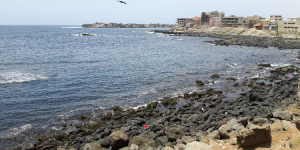
Dakar sits at the westernmost tip of mainland Africa, on the Cap-Vert peninsula, and that geographic fact shapes almost everything about life there: the ocean breeze that softens the heat, the surf culture that draws digital nomads, and the sense of being at a crossroads between continents. The city is the diplomatic and economic engine of Francophone West Africa, home to United Nations agencies, international NGOs, a fast-growing tech startup scene, and a large, well-established expat community. For those considering a move, Dakar offers a genuinely rich urban experience, but it comes with real trade-offs: high costs, severe traffic, and a French-language barrier that shapes daily life far more than many newcomers expect. This article covers the key aspects of living in Dakar, from the best neighbourhoods to settle in, to the rhythms of local culture, food, safety, and family life.
07 April 2026
Traffic accidents claim more lives per capita in Senegal than in most of Europe, ambulance response times outside Dakar are unreliable, and English-speaking emergency operators are virtually nonexistent. For expats living in or moving to Senegal, knowing how the emergency system works before a crisis hits is not optional: it is one of the most practical preparations you can make. This article covers every major emergency scenario you may face, from medical and roadside incidents to natural disasters and lost documents, so you can act quickly and confidently when it matters most.
07 April 2026
Having a baby abroad brings a particular mix of excitement and logistical complexity, and Senegal is no exception. The country's maternity care landscape divides sharply between a public system that serves the majority of the population and a private sector that meets the expectations most expatriates bring from home. Understanding where each system excels, what things cost, and what administrative steps follow the birth will help you plan confidently. This article covers the full journey: from confirming a pregnancy to registering your newborn and navigating childcare in Dakar.
07 April 2026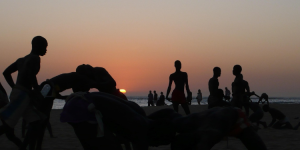
Dakar is preparing to make history as the host city of the 2026 Summer Youth Olympic Games, the first Olympic sporting event ever held on the African continent. That context shapes everything about sport in the city right now: infrastructure is expanding, youth programmes are multiplying, and a population already passionate about wrestling, football, and surfing has even more reason to get active. Whether you are looking for a gym near Almadies, a running group on the Corniche Ouest, a surf lesson at Ngor Island, or a football kickabout on the beach at Yoff, this article covers the options available to you as an expat in Dakar.
07 April 2026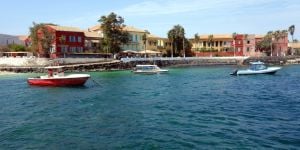
Senegal sits at an interesting crossroads for foreign property buyers: the legal framework permits full foreign ownership, yet the country's land tenure system creates pitfalls that catch even experienced investors off guard. With a structural housing deficit of over 300,000 units and an economy expanding rapidly on the back of offshore energy projects, both demand and prices remain elevated, particularly in Dakar. This article covers everything you need to navigate the Senegalese property market confidently: from understanding the critical difference between land title types to the step-by-step buying process, closing costs, ongoing taxes, and the key risks to avoid.
07 April 2026Nearly half of all households in Dakar rent their homes, and the competition for well-located, well-equipped apartments is intense. Prime neighborhoods fill in under three weeks, upfront costs can reach four months' rent before you even unpack, and most contracts are written entirely in French. This article covers everything you need to navigate the Dakar rental market confidently: where to live, what to pay, how the process works, and what challenges to prepare for before you start your search.
07 April 2026
Getting behind the wheel in Senegal is practical for many expats, but it comes with a learning curve that catches plenty of newcomers off guard. Traffic in Dakar ranks among the most challenging in West Africa; road conditions outside the capital vary dramatically, and the country is rolling out a sweeping Highway Code reform that will change how violations are enforced. This article covers everything you need to drive legally and safely in Senegal: from using your foreign licence on arrival to converting it, registering a vehicle, understanding the latest fines schedule, and deciding whether owning a car is actually the right choice for your situation.
07 April 2026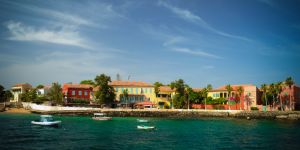
Dakar sits on a structural housing deficit of roughly 30,000 units per year, yet nominal property prices have risen by around 90% over the past decade. For foreign buyers, that combination creates both genuine opportunity and real complexity: the legal framework is welcoming on paper, but the distinction between privately titled land and the vast national domain is a line that can make or break a transaction. This article covers everything you need to know to buy residential property in Dakar with confidence, from understanding which land you can legally own, to navigating the notary process, budgeting for transaction costs, and managing your tax obligations as a foreign owner.
07 April 2026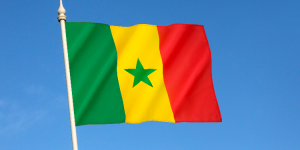
Becoming a Senegalese citizen is one of the most significant commitments a foreign national can make in West Africa. Senegal's nationality framework is clearly defined, built on a decade-long residency standard that emphasizes genuine integration over paperwork, and the 2013 reform to the Nationality Code modernized the system to guarantee full gender equality in the transmission of citizenship. This article explains all available pathways for foreigners, the application process, how dual nationality works in practice, and the rights that come with a Senegalese passport once the process is complete.
07 April 2026
Senegal's reputation for warmth is not just a tourism slogan. The concept of "Teranga", the Wolof word for hospitality, shapes daily life in ways that expat families notice almost immediately: strangers greet your children in the street, restaurant staff make a fuss over toddlers, and neighbors offer help before you think to ask. For families considering a move to Dakar or the surrounding region, this cultural backdrop makes a real difference. That said, raising children abroad always involves trade-offs, and Senegal is no exception. This article covers what expat families actually need to know: from choosing a school and finding childcare, to navigating pediatric healthcare, settling into the right neighborhood, and keeping children active and socially connected.
07 April 2026
Senegal's economy is expanding at a pace that few West African nations can match right now, driven by a newly operational oil and gas sector and sustained public investment in infrastructure. For expats considering the job market here, that growth translates into concrete demand: engineers, development specialists, IT professionals, and project managers are all actively recruited in Dakar and beyond. This article covers how the job market works, which sectors offer the most opportunities for foreign professionals, how to search and apply effectively, and what to expect once you are hired, from contracts and salaries to workplace culture and your rights under Senegalese law.
07 April 2026
Senegal offers something that few retirement destinations can match: a fixed exchange rate that eliminates currency risk for euro-based pensions, a tax system that effectively shelters 80% of foreign pension income from local taxation, and a democratic political stability that has made it one of West Africa's most dependable places to settle. For retirees weighing options beyond Europe and North America, understanding how those advantages actually work in practice, alongside the real challenges of healthcare access, bureaucracy, and language, is what this article sets out to do.
07 April 2026
Senegal does not issue a traditional work visa in the way many countries do. Instead, the right to work is granted through an approved employment contract, and legal residency follows through a separate residence card application. For foreign nationals planning to build a professional life in Dakar or elsewhere in the country, understanding how these two processes connect is the essential first step. This article covers every stage of that process: the types of work authorization available, what employers must do, what documents you need, what it costs, and what rights you hold once everything is in place.
07 April 2026
You have landed in Senegal, found an apartment, and now face the task that trips up almost every new arrival: getting your finances sorted in a country where mobile wallets often matter more than a traditional bank account. Senegal's financial system is regulated by the Central Bank of West African States (BCEAO) and sits within the broader UEMOA monetary zone, which means the CFA Franc (XOF) is the local currency and regional rules govern how banks operate. What makes Senegal distinctive is the sheer dominance of mobile money: platforms like Wave and Orange Money have become the backbone of daily transactions, and understanding how they fit alongside a traditional account is essential to managing your money smoothly from day one. This article covers the full picture, from choosing a bank and gathering documents to using ATMs, sending money abroad, and surviving the first weeks before your debit card arrives.
07 April 2026
Senegal does not issue a permanent residency card in the way North America or Europe might define the term, yet the country has a clear and well-established legal framework for foreign nationals who want to settle long-term. The key document is the Carte d'Identité d'Étranger, a five-year renewable residence card that gives holders the right to live, work, and build a life in the country. Understanding how to obtain it, what it costs, and what it actually entitles you to is essential before you commit to making Senegal your long-term home.
07 April 2026
Dakar has quietly become one of West Africa's most dynamic cities for professional opportunity, and the pace of change is accelerating. Offshore oil and gas projects, a fast-growing technology ecosystem, and a dense concentration of international organizations make the Senegalese capital a genuinely competitive job market. This article covers the sectors actively hiring foreign talent, the districts where business concentrates, what salaries look like in practice, and how to navigate daily commutes as the city's transport network undergoes a significant transformation.
07 April 2026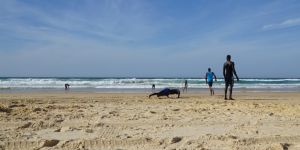
Dakar sits at the westernmost tip of the African continent, and that geography shapes everything about the city's leisure culture: Atlantic breezes roll in off the ocean, historic islands sit minutes from the shore, and a creative energy rooted in mbalax music and contemporary African art pulses through every neighborhood. Whether you've just arrived or have been living here for months, the city offers a genuinely wide range of things to do, from free museum visits and pirogue rides to rooftop lounges that don't fill up until well past midnight. This article covers the key leisure experiences available in Dakar across culture, outdoor life, shopping, events, nightlife, family outings, and wellness, so you can start building a life in the city that extends well beyond work.
07 April 2026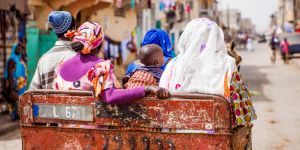
Dakar has quietly become one of West Africa's most forward-looking cities for urban mobility. In the space of a few years, the Senegalese capital has added a high-speed commuter train, an entirely electric bus rapid transit network, and a legal ride-hailing market to its transport mix, all while traditional shared taxis and colourful minibuses continue to fill the gaps. For expats, understanding how these layers work together makes daily life considerably easier and less stressful. This article covers every practical transport option in Senegal, from the TER rail line to intercity ferries, so you can plan your commute and travels with confidence.
07 April 2026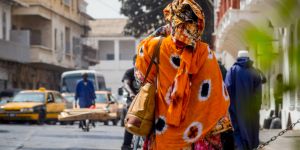
Senegal sits at the westernmost tip of Africa, and it consistently stands out as one of the continent's most stable, welcoming, and culturally rich destinations for expatriates. Whether you are moving for work, family, or a change of scenery, this article covers the essential facts about daily life in Senegal: what to expect on arrival, what will surprise you, and what you need to plan for before you go.
07 April 2026
Senegal runs on a concept locals call "Teranga," a Wolof word that translates roughly as hospitality, and it shapes almost every aspect of daily life here. Expats arriving in Dakar quickly discover that leisure is woven into the social fabric: weekends orbit around beach clubs, live music spills out of restaurants well past midnight, and an art biennial transforms the entire capital into an open-air gallery every two years. This article covers the full range of leisure options available in Senegal, from surfing off the Dakar peninsula and golfing among baobab trees to cultural institutions, family outings, and practical tips on where to find the best value.
07 April 2026
Many expats moving to Senegal are surprised to discover that the country operates a progressive income tax system with a top rate of 43%, combined with a territorial corporate tax framework and an 18% VAT that now extends to foreign digital services. Understanding where you stand as a tax resident, what you owe, and how to stay compliant can save you from costly mistakes. This article covers the full picture: from residency rules and income tax brackets to social security contributions, double taxation treaties, and how to file your return with the Senegalese tax authority.
07 April 2026