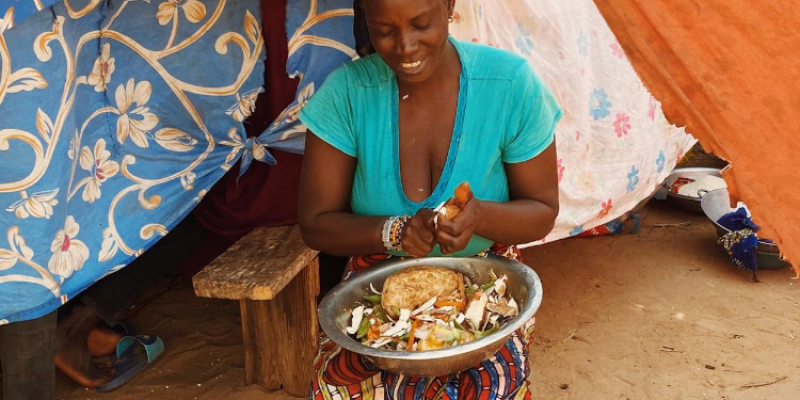
Dakar's food scene is one of the most distinctive in West Africa, built on a culinary identity that blends Atlantic seafood, peanut-based stews, and French-influenced bakeries into something entirely its own. Whether you are settling in for the long term or still finding your feet, understanding how the city eats, where it eats, and what it costs will make daily life considerably easier. This article covers everything from the national dish and the best neighbourhoods to eat in, to grocery shopping, dietary needs, and the food delivery apps that actually work here.
Eating in Dakar is a deeply social act. The concept of Teranga, a Wolof word meaning hospitality, sits at the heart of Senegalese culinary culture: guests are welcomed to share meals as a matter of course, and the table, or more accurately the communal bowl, is where community is built. Traditional dining revolves around a large shared dish placed on a mat, with everyone gathered around it to eat together. This is not just a mealtime habit; it reflects a broader social philosophy that pervades daily life in the city.
The Senegalese food tradition draws on West African roots enriched by French, North African, and Portuguese influences. Broken rice, peanuts, millet, and fresh Atlantic seafood are the building blocks of the local diet. Meal timing in Dakar also differs from what many Western expats expect. Breakfast is light and often eaten around 10:00 AM. Lunch is the most substantial meal of the day and is typically served between 1:00 PM and 4:00 PM, making it quite different from the quick midday break common in Europe or North America. Dinner follows late, usually between 9:00 PM and 10:00 PM. Adjusting to this rhythm early on makes it much easier to eat well and affordably.
Thieboudienne is the undisputed national dish: fish, broken rice, and vegetables cooked together in a rich tomato-based sauce. The Dakar version is distinguished by its use of broken rice, a local staple that absorbs the sauce differently from whole-grain rice and gives the dish its characteristic texture. It is served at homes, neighbourhood restaurants, and upscale establishments alike, and it is the best single dish through which to understand Senegalese cooking.
Beyond thieboudienne, the local cuisine in Dakar offers considerable variety. Yassa is a crowd favourite: chicken or fish marinated in lemon juice, onions, and mustard, then grilled and simmered until tender. Mafé is a hearty stew of beef or lamb cooked in a thick, savoury peanut butter sauce, usually served over rice. Dibi, best found at dedicated roadside spots called dibiteries, is wood-fire grilled lamb or mutton chopped into pieces and served on paper with caramelized onions and mustard on the side.
Street food is central to daily life in Dakar. Fataya, fried pastries stuffed with spiced meat or fish, are sold throughout the city and make for a fast, satisfying snack. Soupou Kandia, an okra and fish stew, is another staple found at informal eateries. For dessert, Thiakry, a sweet millet pudding mixed with yogurt or sweetened milk, is widely available and worth trying.
The beverage culture in Dakar deserves its own mention. Bissap, a sweetened hibiscus flower juice, is refreshing and ubiquitous. Bouye is a creamy drink made from baobab fruit. Café Touba, a spiced local coffee flavoured with Guinea pepper, is deeply embedded in daily Dakarois life and sold at nearly every tangana from dawn onward. Attaya, a strong mint green tea, is served in a three-round ritual that doubles as a social ceremony: each round has a different strength and sweetness, and sharing a round of attaya is an invitation to slow down and connect.
Join the Dakar community
Get regular tips and advice to make the most of your expat life
Types of dining in Dakar
Dakar offers a full range of dining formats, from ultra-affordable street food stalls to polished seaside restaurants. The most accessible entry point for newcomers is the tangana, also known as a maiga in some neighbourhoods. These informal stalls operate from early morning to late at night and serve quick, cheap meals: omelette sandwiches, local peas, and Café Touba for just a few hundred CFA francs. They are a fixture of neighbourhood life and give expats immediate access to authentic local food at minimal cost.
Dibiteries are the dedicated home of dibi: open-air, often roadside spots where lamb or mutton is grilled over wood fire and served simply. They are casual, often crowded, and consistently good. For sit-down meals, mid-range restaurants across the city serve generous portions of traditional Senegalese dishes in comfortable settings, making them a reliable choice for everyday dining.
The Plateau district has a strong café and bistro culture, with French-style bakeries and modern coffee shops well represented. Fine dining is primarily concentrated in Almadies and Plateau, where upscale restaurants serve gourmet Senegalese, French, Lebanese, and international fusion menus, frequently with views of the Atlantic.
Neighbourhoods for food in Dakar
Where you eat in Dakar depends largely on what you are looking for. Almadies, the upscale residential district to the northwest of the city, is the premier destination for fine dining. Its seaside restaurants combine high-end international gastronomy with ocean views and a lively atmosphere after dark. Prices here reflect the setting, but the quality is consistently high.
The Plateau, Dakar's historic downtown and business centre, offers the widest variety in one area: classic French bakeries, mid-range local restaurants, and active street food stalls coexist within walking distance of each other. It is a practical base for expats who want to explore the full range of the city's food offer without travelling far.
Médina is widely considered the authentic heart of Dakar's street food scene. The neighbourhood is dense, vibrant, and home to some of the most affordable and honest local cooking in the city. Expats willing to navigate its busy streets will find tanganas, dibiteries, and small eateries serving food that is deeply rooted in everyday Dakarois life.
Ngor, both the coastal neighbourhood and the island of the same name, accessible by pirogue, is celebrated for its laid-back beachside atmosphere and excellent fresh seafood. It is a strong choice for a relaxed lunch or a weekend outing away from the city's bustle.
Dakar's diplomatic and expatriate communities have shaped a city with a robust international food scene. French, Lebanese, Mediterranean, and Asian cuisines are all well represented, with the highest concentration of quality international restaurants found in Almadies and Plateau. European expats in particular will generally find it straightforward to locate familiar food, though imported ingredients and restaurant meals in this category cost significantly more than equivalent local options.
English-speaking expats looking to stock their kitchens with specific pantry staples from home, including imported baking flours and American or British snacks, can find them at the American Food Store in Dakar.
Grocery shopping in Dakar
The supermarket landscape in Dakar is well developed by regional standards. Auchan is the dominant chain, operating more than 20 stores across the city and sourcing over 60% of its goods locally. Casino and Carrefour also operate in Dakar, providing a reliable mix of local produce and imported goods. Supeco, acquired by the local group EDK, rounds out the main options. For expats who prioritise locally sourced products, Elydia and Senchan are Senegalese alternatives that strongly emphasise the "consume local" ethos.
For fresh produce, spices, and seafood, the city's traditional markets are where local life happens. Marché Sandaga is one of the largest and most active. Marché Kermel, closer to the Plateau, is known for higher-quality seafood and organic produce, making it a favourite among expats. Marché Tilène in the Médina serves the local community and offers some of the best prices in the city. Shopping at these markets requires a bit of practice with local pricing conventions, but the quality and freshness are consistently strong.
Online grocery options are expanding. Auchan offers a dedicated delivery platform for Dakar residents, making it possible to order regular groceries without visiting a store. The app Expat-Dakar is also widely used for sourcing various goods across the city.
Good to know:
Auchan's online grocery delivery service is one of the most reliable options for expats managing a busy schedule in Dakar, particularly for stocking up on household staples without navigating city traffic.
Dakar can be very affordable or quite expensive, depending entirely on where and how you eat. At a tangana or basic street food stall, a meal costs between XOF 300 and XOF 1,000 (roughly USD 0.50 to USD 1.65). A meal at an inexpensive local restaurant averages around XOF 5,000 (approximately USD 8.30). These prices make everyday dining on a budget genuinely accessible.
Step up to a mid-range restaurant and costs typically fall between XOF 10,000 and XOF 20,000 (approximately USD 16 to USD 33) per person. At fine dining establishments in Almadies or the upper end of the Plateau, prices regularly exceed XOF 20,000 (USD 33) per person, and considerably more at the best seafood restaurants with ocean views. All prices are subject to change and should be verified directly with restaurants or booking platforms.
Tipping in Dakar follows a relatively straightforward norm. At sit-down restaurants, a tip of around 10% is standard practice and genuinely appreciated. At informal street food stalls and tanganas, tipping is not expected.
Dietary requirements in Dakar
Senegal is a predominantly Muslim country, which means that virtually all meat served at restaurants and sold at markets in Dakar is halal. This is the default, not an exception, so halal dietary requirements are straightforward to meet throughout the city.
For vegetarian and vegan expats, the situation requires some attention. Meat and fish are core staples of Senegalese cooking, and dishes that appear vegetable-based are often flavoured with dried fish or fish sauce. Vegetarians should specifically request that these be left out when ordering stews. That said, vegetable mafé and fresh salads made with bissap leaves are available, and the city's markets offer abundant fresh produce for home cooking.
Gluten-free eating in Dakar is more manageable than in many other West African cities. The traditional diet relies heavily on rice, millet, and fonio, all of which are naturally gluten-free. Thieboudienne, mafé, and many other staple dishes contain no wheat. Local grains like millet, used in Laax porridge, and fonio are widely available in supermarkets and markets. The main caveat for those with coeliac disease or serious gluten sensitivity is cross-contamination in restaurant kitchens, which is worth raising directly when ordering.
Kosher options are extremely limited in Dakar and require significant advance planning. Expats with strict kosher dietary requirements should plan ahead and prepare most meals at home.
Food delivery in Dakar
The food delivery market in Dakar is growing rapidly, backed by high urban internet penetration and a large network of motorcycle couriers covering most of the city. The main platforms currently operating are Glovo, Yango Delivery, and the local platform Dakar Food Delivery. Coverage is extensive across Dakar's central and residential neighbourhoods, and delivery speeds are generally competitive.
Yango entered the Senegalese food delivery market with a notable commercial approach: the platform waived commission fees for its partner restaurants, a move designed to build market share while supporting local businesses. This means the restaurant selection on Yango includes many smaller neighbourhood spots that might not be able to afford listings on more expensive platforms. Delivery fees vary by distance across all platforms.
Expats invited to eat in a Senegalese home will encounter a set of customs that differ meaningfully from Western dining norms. Meals in traditional settings are served from a large communal bowl placed on a mat. Before sitting down, guests remove their shoes. The host typically provides a basin of water for handwashing before and after the meal, a practical ritual that bookends the shared experience.
The most important rule at the communal bowl is to eat only from the section directly in front of you. Reaching across to pull food from another diner's section is considered rude. It is also customary to wait for the host to take the first bite before eating. Throughout the meal, only the right hand is used for eating: the left hand is traditionally associated with bathroom hygiene and is not used at the table. Following these norms is not just polite; it signals genuine respect for your hosts and goes a long way in building trust and warmth.
In restaurants, particularly mid-range and upscale ones, dining customs are more relaxed and broadly familiar to international visitors. The main practical consideration remains the late dining schedule: kitchens in sit-down restaurants are often not fully active until 8:00 PM or later, and arriving for dinner before 8:00 PM may result in a long wait or a limited menu.
Frequently asked questions about food in Dakar
A tangana is an informal Senegalese street food stall that operates from early morning to late at night. They serve quick, affordable meals such as omelette sandwiches and traditional Café Touba for just a few hundred CFA francs. They are found throughout the city and are one of the most practical options for everyday low-cost eating in Dakar.
Thieboudienne is the national dish of Senegal and an essential first experience. The Dakar version is made with broken rice, fresh fish, and vegetables simmered in a rich tomato sauce. It is served everywhere from neighbourhood eateries to upscale restaurants and is the clearest expression of the local culinary identity.
A meal at a mid-range restaurant in Dakar typically costs between XOF 10,000 and XOF 20,000 (approximately USD 16 to USD 33) per person. Street food and local stalls cost considerably less, starting at around XOF 300 to XOF 1,000 per item.
Tipping is not mandatory but is standard practice at sit-down restaurants, where around 10% is appreciated. At informal street food stalls and tanganas, tipping is not expected. Service charges are not automatically added to bills at most restaurants.
Yes. Auchan is the most dominant chain with over 20 stores across the city, followed by Casino and Carrefour. These supermarkets carry a mix of local produce and imported goods, making them a reliable choice for expats looking for familiar products.
The main platforms currently operating in Dakar are Glovo, Yango Delivery, and the local service Dakar Food Delivery. Yango recently entered the market with a zero-commission model for partner restaurants, which has broadened the restaurant selection available on the platform. Coverage is extensive across the city's central and residential areas.
The traditional Senegalese diet relies heavily on rice, millet, and fonio, all of which are naturally gluten-free, so many local dishes are safe by default. Grains like millet and fonio are widely available in supermarkets. Expats with serious gluten sensitivity should ask about kitchen preparation practices when eating out to avoid cross-contamination.
Vegetarian dishes exist, including vegetable mafé and fresh salads, but meat and fish are central to most traditional cooking. Many stews are flavoured with dried fish or fish sauce even when they appear vegetable-based, so vegetarians should make this request explicit when ordering. Home cooking using market produce is a reliable fallback.
Most expats opt for bottled or filtered water rather than tap water to avoid stomach issues, particularly when first arriving. Tap water is used by many residents for cooking and washing, but drinking bottled water is the more cautious approach while your system adjusts to the local environment.
Dakar eats late by Western standards. Lunch, the largest meal of the day, is typically served between 1:00 PM and 4:00 PM. Dinner is usually eaten between 9:00 PM and 10:00 PM. Restaurant kitchens are often not fully operational before 8:00 PM, so planning around these hours will save frustration.
ℹ️
We do our best to provide accurate and up to date information. However, if you have noticed any inaccuracies in this article, please let us know in the comments section below.
I fell in love with words at an early age After a break to focus on my studies, I rediscovered the joy of writing while keeping a blog during my years between London and Madrid. This passion for storytelling and for exploring new cultures naturally inspired me to create Expat.com, a space for my own reflections as well as for anyone wishing to share their experiences and journeys abroad.