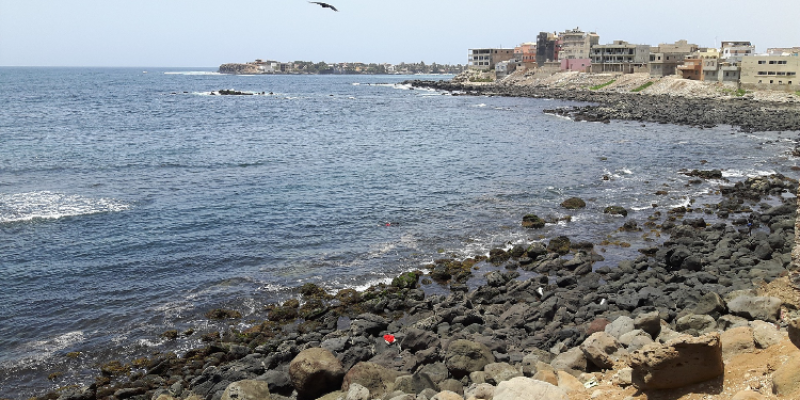
Dakar sits at the westernmost tip of mainland Africa, on the Cap-Vert peninsula, and that geographic fact shapes almost everything about life there: the ocean breeze that softens the heat, the surf culture that draws digital nomads, and the sense of being at a crossroads between continents. The city is the diplomatic and economic engine of Francophone West Africa, home to United Nations agencies, international NGOs, a fast-growing tech startup scene, and a large, well-established expat community. For those considering a move, Dakar offers a genuinely rich urban experience, but it comes with real trade-offs: high costs, severe traffic, and a French-language barrier that shapes daily life far more than many newcomers expect. This article covers the key aspects of living in Dakar, from the best neighbourhoods to settle in, to the rhythms of local culture, food, safety, and family life.
Dakar is the capital and largest city of Senegal, occupying the Cap-Vert peninsula at the westernmost point of mainland Africa. Its metropolitan population reached 3,784,000, making it one of the most densely populated urban areas in West Africa. The Dakar region covers about 550 square kilometres and accounts for 25% of Senegal's total population and half of its urban population.
The city serves as a regional hub for Francophone West Africa, hosting numerous international NGOs, United Nations agencies, and embassies, as well as a booming tech startup ecosystem. Expatriates are drawn to Dakar for its blend of traditional West African culture, French colonial architecture, a vibrant arts scene, and an Atlantic coastline that offers world-class surfing. Newcomers are often struck by the contrast between the upscale, modern neighbourhoods concentrated on the western tip of the peninsula and the congested, more densely populated areas spreading inland.
Where you live in Dakar will define your daily experience more than almost any other decision. The expat neighbourhoods are concentrated on the western edge of the Cap-Vert peninsula, and each has a distinct character suited to different lifestyles and budgets.
Pointe des Almadies is the most exclusive and expensive area in the city, featuring modern apartment buildings, international restaurants, and beach clubs. It is the natural choice for English-speaking expats, partly because of its proximity to the US Embassy and the International School of Dakar. Ngor, just east of Almadies, offers a more relaxed, village-like atmosphere that appeals to surfers and digital nomads, while still being close to the airport and high-end amenities.
Mermoz-Sacré-Cœur and Fann Résidence are highly sought after by expat families. Both areas feature secure compounds, quieter streets, and easy access to embassies and major international schools. The Plateau district, the central business district, suits younger professionals who value walkability and proximity to offices and nightlife, though it lacks the coastal access of the western peninsula.
Ouakam and Yoff are emerging as more affordable alternatives, offering coastal access and an authentic local character at significantly lower rents than Almadies. Further out, peripheral areas like Pikine, Grand Yoff, and Guédiawaye are considerably cheaper but involve longer commutes through heavy congestion and generally lack international-standard amenities.
Join the Dakar community
Get regular tips and advice to make the most of your expat life
Cost of living in Dakar
Dakar is widely considered one of the most expensive cities in West Africa, and the gap between perception and reality on costs catches many newcomers off guard. According to Numbeo, a single person needs about USD 878 per month to cover basic expenses excluding rent, while a family of four can expect costs of around USD 3,091 per month before housing.
Rental costs in prime areas are steep. A one-bedroom apartment in Almadies or Mermoz typically costs between USD 550 and USD 700 per month. Purchasing property in desirable neighbourhoods ranges from USD 211,000 to USD 388,000 for a standard two- to three-bedroom apartment, while premium villas can exceed XOF 800,000,000.
Groceries present a split picture. Local produce is highly affordable: a kilogram of broken rice costs around XOF 410, and a baguette XOF 150. Expats who rely heavily on imported supermarket goods, however, face steep prices, with a couple's monthly grocery bill reaching between XOF 250,000 and XOF 400,000. Dining out at a mid-range restaurant for two costs about USD 56. Basic utility bills, including electricity, water, and internet, typically run between USD 80 and USD 120 per month.
One area where costs remain genuinely low is domestic help. Hiring a full-time maid or nanny costs around XOF 100,000 per month, and this is standard practice among expat households, significantly easing the workload for working parents.
Good to know:
Prices in Dakar are subject to fluctuation, particularly for imported goods, which are sensitive to exchange rate movements and supply chain shifts. Always verify current figures through recent expat community reports or local real estate agents.
Climate and weather in Dakar
Dakar's climate is hot and semi-arid, shaped by two distinct seasons that alternate between long, comfortable dryness and short, intense heat and humidity. The dry season runs from November through June, bringing average temperatures of between 21°C and 25°C, low humidity, and virtually no rainfall. This is the period most expats describe as genuinely pleasant, with cool Atlantic breezes making outdoor life comfortable.
The wet season, known locally as the "hivernage," runs from July to October. Daytime temperatures regularly reach 30°C to 32°C, combined with high humidity, which makes the air feel oppressive. July alone averages about 72mm of rainfall spread over approximately 5 rainy days, according to weather data for Dakar. Air conditioning in homes and vehicles shifts from a luxury to a necessity during these months.
A notable weather phenomenon is the Harmattan, a dry, dusty wind blowing from the Sahara, primarily between December and March. It can significantly reduce visibility and air quality across the city, and residents with respiratory conditions or dust sensitivities should plan accordingly.
Getting around Dakar
Traffic congestion is one of the defining frustrations of daily life in Dakar. The city has a traffic inefficiency index of 79.34, placing it among the most congested urban environments in the region. For a dedicated overview of all transport options in the city, refer to our article about Transportation in Dakar.
Two relatively recent additions have improved mobility. The Bus Rapid Transit (BRT) system, launched in 2024, can be navigated using the SunuBRT app, which allows riders to plan routes, check schedules, and buy tickets via QR code. The Regional Express Train (TER), operational since 2023, covers the 36 km link between downtown Dakar and Blaise Diagne International Airport, cutting through road traffic entirely.
For everyday journeys, many expats rely on ride-hailing apps rather than street taxis, which have no meters and require fare negotiation before you get in. Yango offers fixed-price rides averaging USD 1 to USD 3 per trip, while Senexpat provides a premium option with certified drivers and secure vehicles. Walkability is poor across most of the city; pavements are often missing, uneven, or blocked by parked vehicles and street vendors, making on-foot navigation difficult outside of the immediate Plateau or Almadies centres.
Language and communication in Dakar
French is the official language of Senegal and is essential for navigating government offices, banking, and most professional environments in Dakar. Expats arriving without a working knowledge of French will face significant communication barriers in daily life, and taking language classes shortly after arrival is strongly advisable.
Wolof is the true lingua franca of street life in Dakar. While not required for formal settings, learning a few basic greetings and phrases in Wolof is widely appreciated and opens social doors that French alone cannot. English proficiency among the general population remains limited, mostly confined to the expat bubble, top-tier hotels, and multinational NGOs. Non-francophone expats who rely primarily on English will find life considerably more manageable inside the diplomatic and NGO community, but will encounter real limits the moment they step outside it.
Culture and social norms in Dakar
Senegalese culture is anchored by the concept of "Teranga," a deeply held tradition of hospitality, warmth, and respect toward guests and strangers. Newcomers consistently describe feeling genuinely welcomed by locals, and this spirit shapes social interactions throughout the city.
Greetings carry significant weight. It is considered rude to launch directly into a question or transaction without first exchanging greetings: asking after someone's health and family before addressing any practical matter is expected. Taking the time to greet signals respect properly and makes interactions run more smoothly.
Senegal is a predominantly Muslim society, though widely regarded as tolerant and moderate. Expats should dress modestly outside of beach areas and the Almadies bubble, and avoid public displays of affection. Awareness of the Islamic calendar matters in practical terms: during Ramadan, business hours shorten, and the pace of daily life changes noticeably. Major religious celebrations such as Tabaski and Korité are significant national events that shape the city's rhythm. Using the left hand for eating, passing items, or shaking hands is a cultural taboo worth being aware of from the outset.
Pace of life and work culture in Dakar
The general pace of life in Dakar is relaxed, and flexibility is not optional. Social appointments and casual meetings rarely start on time, and pushing too hard against "Senegalese time" creates friction rather than results. Adapting to this rhythm takes patience, but most long-term expats come to appreciate the reduced pressure it brings to non-professional interactions.
Within the professional sphere, the picture is more divided. Dakar's international NGO sector and the growing tech startup community operate closer to Western corporate norms, where punctuality and clear deliverables are expected. Government and administrative processes, however, run on a different logic entirely: bureaucracy is hierarchical, slow, and often requires multiple in-person visits to complete basic procedures. Building personal relationships with key contacts in any institution consistently proves more effective than formal channels alone.
Relationship-building is the foundation of business culture in Dakar. Arriving at a meeting and moving straight to the agenda without any personal conversation first is considered abrupt and can undermine trust. Sharing tea and taking time to connect personally before discussing work is not a distraction from the meeting; it is part of the meeting.
Food culture in Dakar
Dakar's food scene is one of its genuine highlights. The national dish, Thiéboudienne (fish and rice cooked in tomato sauce), is a full, flavourful meal that anchors the Senegalese table alongside Yassa (chicken or fish in a lemon-onion marinade) and Mafé (meat in a rich peanut sauce). These dishes are available everywhere from family homes to neighbourhood diners, and trying them is a direct way into local culture.
Street food is ubiquitous and inexpensive, but expats are advised to be selective about where they eat, particularly regarding the water used in food preparation. The city's sophisticated international dining scene is concentrated in Almadies and the Plateau, where French, Lebanese, and Italian cuisines are widely available. Prices at these establishments, however, are comparable to those in European capitals.
As a coastal city, Dakar has exceptional access to fresh seafood. Dining at a beachside restaurant or buying directly from fishermen at the Soumbédioune fishing village is one of the most distinctive local experiences the city offers, and one that most long-term expats return to regularly.
Leisure and social life in Dakar
Outdoor life in Dakar revolves heavily around the ocean. The Cap-Vert peninsula offers some of the best surfing on the continent, particularly near Île de Ngor and Almadies, and this draws a dedicated international surf community that gives Ngor in particular its distinctive, unhurried character.
The city has a well-established music and nightlife scene, best known for Mbalax, the percussive Senegalese musical style that drives the energy of local clubs and events. Upscale rooftop bars and beach clubs provide alternatives for those seeking a quieter social setting. For cultural events, the Dakar Biennale of Contemporary African Art transforms the city into an open-air gallery and is a major draw for the international community.
On weekends, many expats escape the city's congestion with day trips to the Petite Côte, including the beach towns of Saly and Somone, or to Lac Rose. The ferry crossing to Gorée Island, a UNESCO World Heritage Site and a historically significant location with a quiet, car-free atmosphere, provides a very different kind of break from city life.
The Dakar Women's Group (DWG), a 100% volunteer-led organisation with members from over 50 countries, serves as a central hub for the expat social scene. It hosts major charity events and social gatherings throughout the year, and for English-speaking expat spouses in particular, it provides one of the most accessible entry points into the wider expat community in the city.
Family life in Dakar
Dakar is widely regarded as a manageable posting for expat families, provided that the costs of international schooling are factored into the budget from the outset. The availability of high-quality private education and affordable domestic help makes the practical side of family life considerably easier than in many other African postings.
The International School of Dakar (ISD), located near Almadies, offers the International Baccalaureate curriculum and is the primary choice for English-speaking families. The Dakar Academy follows a US Christian curriculum, and the British International School of Dakar offers a Cambridge pathway. Tuition at ISD ranges from USD 16,000 to over USD 29,000 per year, according to the US Department of State. Families looking to reduce costs can turn to Senegalese private bilingual schools, where annual fees range from around XOF 200,000 to XOF 1,000,000 (roughly USD 340 to USD 1,700), though these schools follow local pedagogical approaches.
The choice of school often determines where a family ends up renting. Almadies and Ngor are the most practical locations for families with children at ISD, while Mermoz-Sacré-Cœur suits families enrolled in other international institutions. Hiring live-in or daily domestic help is standard practice for expat families in Dakar and remains genuinely affordable, providing meaningful support for parents managing demanding professional roles.
Senegal is generally regarded as one of the more politically stable and safe countries in West Africa. Violent crime rates are low, and the country has a strong record of peaceful democratic transitions. For day-to-day expat life in Dakar, however, petty crime is the primary security concern. Pickpocketing, bag-snatching by thieves on motorcycles, and opportunistic muggings are reported regularly, particularly in crowded markets, near the Gorée Island pier, and along the Corniche road.
Walking alone at night, particularly on beaches or poorly lit side streets, is strongly discouraged. Using secure ride-hailing apps rather than walking after dark is a precaution that most established expats consistently follow.
On the health safety front, the Senegalese Ministry of Health declared an outbreak of Rift Valley Fever in late 2025, which continued to affect several regions, including Dakar. Strict mosquito bite prevention is essential throughout the year, as malaria and dengue are also prevalent. Private clinics such as Clinique du Cap and Clinique Pasteur offer care that approaches European standards, but public hospitals are under-resourced. Comprehensive health insurance is strongly recommended for any situation requiring complex or emergency treatment.
Environment in Dakar
Air quality is a genuine concern for residents. Dense traffic and industrial activity generate significant pollution, and this is regularly compounded by Harmattan winds, which carry fine Saharan dust into the city at levels that can far exceed WHO particulate matter recommendations. Expats with respiratory conditions or young children should factor this into their housing decisions, particularly regarding air filtration.
Waste management remains a challenge across much of the city. Rubbish is frequently abandoned or burned in the open, though government-backed recycling initiatives are gradually being introduced. Tap water is not considered safe for expatriate consumption. The distribution network is prone to contamination, carrying risks of waterborne illness. Expats are advised to rely entirely on bottled water or high-grade filter systems for drinking, washing produce, and brushing teeth.
Expat community in Dakar
Dakar's expat community is large, diverse, and well-organised, driven by the concentration of United Nations regional offices, development NGOs, diplomatic missions, and multinational firms in the city. The community is most densely concentrated in the western peninsula, particularly in Almadies and Ngor, where foreign residents make up a significant share of the local population.
Integration beyond this bubble can be challenging. The economic gap between foreign salaries and local wages creates a natural social divide, and the French-language barrier limits connection for non-Francophone expats outside of specifically English-speaking environments. That said, the community itself is active and welcoming.
The Dakar Women's Group (DWG) is central to expat social life and serves as an excellent starting point for English-speaking newcomers, particularly accompanying spouses. As a volunteer-led organisation with members from over 50 countries, it offers a ready-made network and a sense of community from the first weeks of arrival. For anyone relocating to Dakar without an existing professional network, connecting with the DWG early makes a tangible difference to the settling-in experience.
Dakar rewards expats who arrive prepared and adaptable. Its strengths are real and specific: strong political stability, the warmth of Teranga culture, a genuine coastal lifestyle with exceptional surfing, a lively arts and music scene, and a well-connected international community that provides social infrastructure from day one. High-quality private clinics and a range of reputable international schools make it a viable posting for families who can meet the associated costs.
The trade-offs are equally specific. The cost of living is unexpectedly high for an African city, and expats on mid-range budgets can find themselves stretched by real estate and imported grocery prices. Traffic gridlock is severe and time-consuming, air pollution is a persistent issue, and bureaucratic processes require patience that many newcomers underestimate. The French-language requirement is a real barrier for anglophone expats in daily life outside the expat bubble.
Dakar tends to work best for professionals in the NGO, diplomatic, or tech sectors, for digital nomads drawn to the surf culture and affordable domestic lifestyle, and for those who come willing to learn French and engage meaningfully with Wolof culture. For expats who embrace those conditions, it is a genuinely rewarding place to live.
Frequently asked questions about living in Dakar
Yes, Dakar is one of the most expensive cities in West Africa and consistently ranks near the top of African cost-of-living comparisons. A single expat needs around USD 878 per month in basic expenses excluding rent, and renting a one-bedroom apartment in a prime neighbourhood costs between USD 550 and USD 700, according to Numbeo data. Imported goods and international schooling are the two costs that most significantly strain mid-range budgets.
No. The tap water distribution network in Dakar is prone to contamination, and consumption carries risks of waterborne illness, including traveler's diarrhea and parasitic infections. Expats are advised to rely entirely on bottled water or high-grade filter systems for drinking, washing vegetables, and brushing teeth.
A personal car offers convenience for weekend trips outside the city, but driving in Dakar itself is chaotic, and parking is scarce. Many expats prefer using ride-hailing apps such as Yango and Senexpat for everyday journeys, supplemented by the BRT bus network and the TER regional train for airport connections. For those living in Almadies or Ngor, a car is often more of a burden than an asset within the city.
Dakar has several private clinics, including Clinique du Cap and Clinique Pasteur, that offer care approaching European standards. Public hospitals, however, are significantly under-resourced. Comprehensive health insurance that includes medical evacuation coverage is strongly recommended for any situation requiring complex treatment or emergency surgery.
Yes, French is essential for banking, government dealings, and most professional environments. English is understood within the NGO, diplomatic, and international school communities, but daily life outside that bubble requires French. Expats arriving without French are strongly advised to take classes as a priority after arrival.
Women can generally live safely in Dakar, particularly in well-established expat neighbourhoods like Almadies and Fann Résidence. Standard precautions apply: dress modestly outside of beach areas, avoid walking alone at night, and stay alert to bag-snatching from motorcycles in crowded areas. Using ride-hailing apps rather than walking after dark significantly reduces risk.
Hiring a full-time maid or nanny typically costs around XOF 100,000 (approximately USD 165) per month. This is standard practice among expat families in Dakar and represents one of the areas where the cost of living works clearly in an expat's favour, particularly for households with young children.
Beyond waterborne illnesses from tap water, expats need to protect themselves year-round against mosquito-borne diseases. Malaria and dengue are prevalent, and the Senegalese Ministry of Health declared an outbreak of Rift Valley Fever that continued into 2026, affecting Dakar among other regions. Mosquito bite prevention measures, including repellent, treated nets, and appropriate clothing, are essential regardless of the season.
ℹ️
We do our best to provide accurate and up to date information. However, if you have noticed any inaccuracies in this article, please let us know in the comments section below.
I fell in love with words at an early age After a break to focus on my studies, I rediscovered the joy of writing while keeping a blog during my years between London and Madrid. This passion for storytelling and for exploring new cultures naturally inspired me to create Expat.com, a space for my own reflections as well as for anyone wishing to share their experiences and journeys abroad.