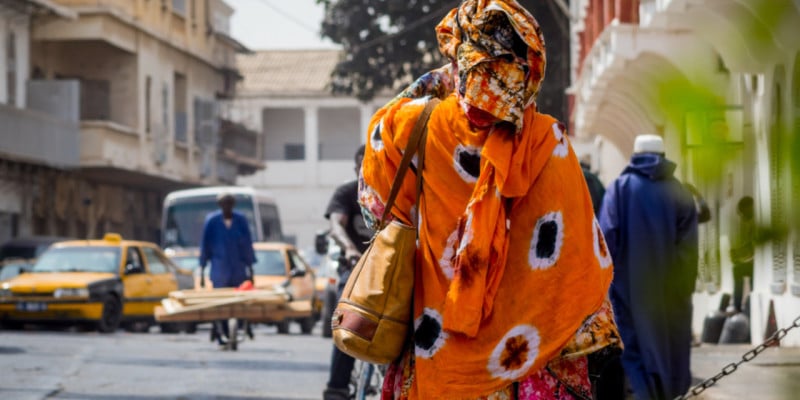
Senegal sits at the westernmost tip of Africa, and it consistently stands out as one of the continent's most stable, welcoming, and culturally rich destinations for expatriates. Whether you are moving for work, family, or a change of scenery, this article covers the essential facts about daily life in Senegal: what to expect on arrival, what will surprise you, and what you need to plan for before you go.
Senegal is one of West Africa's most stable democracies
Senegal gained independence from France in 1960 and has since built one of the most consistent democratic records in the region. Unlike several neighboring countries, Senegal has avoided prolonged civil conflict and large-scale military coups, maintaining strong civilian institutions across successive governments. The election of President Bassirou Diomaye Faye marked another peaceful democratic transition, reinforcing the country's political stability and its reputation as a reliable base for international organizations, embassies, and foreign businesses. The World Bank recognizes Senegal's institutional resilience as a key factor in its continued economic development. Dakar functions as a regional diplomatic hub, and the government actively promotes a welcoming environment for foreign nationals and foreign direct investment. For expats, this context matters: Senegal offers a degree of predictability and civic openness that is not universal in West Africa.
Offshore oil and gas are reshaping Senegal's economy
Senegal has historically relied on agriculture, fisheries, and tourism as its economic pillars, but the commencement of offshore oil and gas production in 2024 has significantly shifted the country's economic outlook. Real GDP growth is projected to accelerate, with forecasts ranging between 6.4% and 11.8%, while inflation remains relatively contained at around 2.0% to 2.2%. This expansion is attracting new foreign investment and creating openings in the energy and related service sectors. The official currency is the West African CFA franc (XOF), which is pegged to the euro, giving it a degree of monetary stability uncommon in the region. For expats considering Senegal for professional reasons, the job market is most active in Dakar, particularly in energy, telecoms, NGOs, and diplomacy.
Get regular tips and advice to make the most of your expat life
The cost of living in Dakar is higher than many expect
Senegal's cost of living can catch newcomers off guard, particularly those seeking a Western standard of comfort in Dakar. A single person should budget between USD 1,200 and USD 2,500 per month to live comfortably, with housing representing the largest single expense. Renting a one-bedroom apartment in sought-after expat neighborhoods like Almadies or Mermoz costs between USD 550 and USD 700 per month. Local produce, street food, and domestic services are genuinely affordable, but imported groceries and international restaurants mirror Western prices, with a meal at an international venue averaging between XOF 15,000 and XOF 25,000. Expats who adapt their lifestyle to local options, shopping at markets and eating Senegalese food regularly, can reduce their monthly outgoings considerably. Those who replicate a fully Western lifestyle will find costs comparable to a mid-size European city.
French is essential; English will get you almost nowhere
French is the sole official language of Senegal, used in government administration, formal business, education, and the media. Wolof is the most widely spoken language in everyday life, serving as the primary lingua franca in markets, neighborhoods, and informal settings across the country. English proficiencyin Senegal is ranked "Very Low" globally: according to the EF English Proficiency Index, Senegal placed 102nd worldwide. Outside of top-tier hotels and a handful of international organizations in Dakar, English is rarely spoken. Anglophone expats must treat learning French as a non-negotiable part of their relocation plan. Beyond French, picking up basic Wolof greetings is warmly received by locals and goes a long way toward building genuine social connections. The language barrier is one of the most common adjustment challenges reported by English-speaking expats in Senegal.
Most nationalities can enter Senegal without a visa for up to 90 days
Citizens of the United States, Canada, the United Kingdom, and the European Union do not need a visa for stays of up to 90 days for tourism or business purposes. All passports must be valid for at least six months beyond the date of arrival and contain at least one blank page for the entry stamp. A yellow fever vaccination certificate is mandatory for travelers arriving from countries with a risk of yellow fever transmission and is strongly recommended for all visitors.
Expats planning to live and work in Senegal beyond 90 days must apply for a residency permit, known as the "Carte d'identité d'étranger" (Foreigner's Identity Card). Applications are processed in Dakar at the Direction de la Police des Étrangers et des Titres de Voyage. The required documents include:
A handwritten application
A birth certificate
A police clearance certificate from your home country, issued within the last six months
A local medical certificate
A certified copy of your passport
Three passport photos
Proof of sufficient financial means
A fiscal stamp of XOF 15,200
Rules and requirements can change, so always verify the current process with the relevant immigration authority before traveling.
Teranga: Hospitality is not just a word in Senegal
"Teranga," the Wolof concept of hospitality, is not a marketing slogan: it is a lived value that shapes how Senegalese people interact with strangers, neighbors, and guests. Locals are genuinely open and generous, and sharing a meal or a glass of attaya (the traditional three-round sweet tea ceremony) with someone they have just met is entirely normal. Understanding a few key cultural norms will help expats integrate more smoothly. Greetings are treated with great importance: rushing into a conversation or a transaction without first asking about a person's health and family is considered disrespectful. The culture is also moderately conservative: modest clothing is expected outside of the expat enclaves in Dakar, and public displays of affection are not aligned with local customs. Respect for elders is deeply ingrained, with older individuals addressed with formal titles and always served first.
Senegal is over 90% Muslim, and religion shapes daily rhythms
Islam is central to life in Senegal, with over 90% of the population identifying as Muslim, many affiliated with influential Sufi brotherhoods such as the Mourides and the Tijaniyyah. What distinguishes Senegal is its remarkable religious tolerance: the Muslim majority and the Christian minority coexist peacefully, and it is common for members of both faiths to attend each other's celebrations. Expats will hear the call to prayer five times a day, and the pace of business shifts noticeably during Ramadan. Friday afternoons slow down considerably due to the midday Jumu'ah prayer. Public holidays reflect this dual calendar, combining Christian dates such as Easter Monday and Christmas with Islamic observances including Korité, Tabaski, Tamkharit, and the Grand Magal de Touba. Islamic holidays shift by roughly 11 days each year as they follow the lunar calendar, so planning around them requires checking dates in advance.
Family life in Senegal revolves around community
Extended families living together in large compounds is the norm in Senegal, and community involvement in raising children is deeply embedded in social life. For expat families, the most practical consideration is schooling. Public schools follow the Senegalese national curriculum, taught exclusively in French, which is rarely used by short-term international residents. Most expat families enroll their children in private international schools in Dakar, which offer French, American, or International Baccalaureate curricula. Demand is high and waitlists are common, so applying well before your arrival date is essential. Hiring domestic staff, such as housekeepers and nannies, is common among expat families and relatively affordable compared to Western standards, which can significantly ease the workload for parents with demanding professional roles.
The pace of life follows the Wolof philosophy of "Ndank Ndank"
"Ndank Ndank," which translates roughly to "slowly, slowly," captures the general rhythm of daily life in Senegal. Social punctuality is flexible, and the expectation that things will take longer than planned is simply part of the cultural fabric. That said, Dakar's business environment is increasingly adopting international standards of timekeeping, particularly in sectors that work closely with foreign partners. Work culture in Senegal places strong emphasis on personal relationships: trust is built through extended conversation and shared tea before any serious business is conducted. Expats who try to accelerate this process or skip the relationship-building phase often find professional doors slow to open. The typical workweek runs Monday to Friday, though Friday afternoons frequently slow down due to the midday Islamic prayer.
Senegalese food is widely considered the best in West Africa
Senegalese cuisine has earned a strong reputation across the continent for its bold flavors, fresh seafood, and rich peanut-based sauces. The national dish is thiéboudienne: a one-pot preparation of fish, rice, and vegetables simmered in a tomato sauce. Yassa (poultry or fish marinated in onions and lemon) and mafé (meat in peanut sauce) are equally beloved staples. Meals are traditionally communal, served in a large central bowl shared by everyone at the table. Dakar's dining scene also has a genuinely cosmopolitan side, with excellent French bakeries, Lebanese restaurants, and Italian eateries, though prices at international venues reflect their Western-facing clientele. Expats who embrace local food culture early on will not only spend less but also find it one of the most rewarding parts of settling in.
Leisure in Senegal goes well beyond the beach
Beach life and water sports are central to the expat social scene. The Almadies and Ngor areas of Dakar are well known for surfing, while sport fishing and sailing are popular along the Atlantic coast. Traditional Senegalese wrestling, known as "Laamb" or "La Lutte," is the country's premier spectator sport and draws massive crowds; attending a match is one of the most authentically local experiences available to expats. The nightlife in Dakar is lively, driven by live Mbalax music venues, jazz clubs, and beachfront bars. Popular weekend escapes from the capital include the Petite Côte resort towns of Saly and Somone, the historic island of Gorée, the Pink Lake (Lac Rose), and the colonial city of Saint-Louis in the north. Social life for expats is rich and accessible, particularly for those willing to engage with both the international and local communities.
Senegal is safe, but petty crime requires standard vigilance
Senegal is widely regarded as one of the safest and most politically stable countries in West Africa. International travel advisories place most of the country at a low overall risk level. The most common threat to expats is opportunistic crime: pickpocketing, bag-snatching, and thefts by motorbike riders are reported in crowded markets, tourist areas, and along Dakar's Corniche d'Ouest. Standard precautions apply: avoid walking alone on beaches at night, keep valuables out of sight in traffic, and lock car doors in congested areas.
One region requires specific attention. The southern Casamance area carries an increased caution advisory due to historical separatist activity and the lingering presence of unexploded landmines in rural and border zones, as confirmed by the U.S. Department of State Senegal Travel Advisory. Travel in Casamance should be restricted to main roads during daylight hours. Emergency services in Senegal are reached by dialing 17 for the police and 18 for the fire department and ambulance services.
Power cuts and traffic are part of daily life in Dakar
Dakar's rapid urbanization has brought significant traffic congestion, air pollution from vehicle emissions, and a shortage of green public spaces. The government is investing in urban mobility: the Bus Rapid Transit (BRT) network and the Regional Express Train (TER) are operational improvements that are gradually easing movement around the capital. Utility reliability, however, remains a genuine challenge. Power outages and water cuts occur periodically across the city. Expats renting in Dakar are strongly advised to prioritize apartments equipped with a backup generator and a water reserve tank: these are not luxuries but practical necessities for maintaining a consistent standard of living. When viewing properties, confirming these features are in place should be part of every checklist.
Dakar has a substantial and well-connected expat community
Senegal hosts a growing expat community of around 207,000 people. While the majority are from neighboring West African countries, there is a significant presence of Western expats, primarily French, American, Lebanese, Spanish, and Italian nationals, many connected to international organizations, NGOs, diplomatic missions, or the energy and telecoms sectors. In Dakar, expats tend to concentrate in upscale, secure neighborhoods: Almadies, Ngor, Mermoz-Sacré-Cœur, Point E, and Plateau are the most established residential areas, chosen for their proximity to international schools, embassies, and reliable amenities. Outside the capital, the coastal town of Saly on the Petite Côte is a popular base, particularly for retirees. Expats connect through international social networks and active local Facebook groups, where housing tips, social events, and practical advice circulate regularly.
Good to know:
Comprehensive international health insurance that includes medical evacuation coverage is considered essential for expats in Senegal. Private clinics in Dakar handle most routine and specialist care, but serious medical emergencies may require evacuation to Europe or another regional hub.
Frequently asked questions
Senegal is considered one of the safest countries in West Africa, with international advisories placing most of the country at a low risk level. The main concerns for expats are opportunistic crimes such as pickpocketing and bag-snatching in busy areas. The Casamance region in the south carries a higher caution level due to historical separatist activity and unexploded landmines; travel there should be limited to main roads during daylight. Standard urban precautions cover the vast majority of situations expats encounter in Dakar.
Citizens of the US, Canada, the EU, and the UK do not need a visa for stays of up to 90 days. For longer relocations, expats must enter the country and then apply in person for a residency permit, the "Carte d'identité d'étranger," at the immigration police office in Dakar. You will need a police clearance certificate from your home country issued within the last six months, along with several other supporting documents. Requirements can change, so confirming the current list with the relevant immigration authority before traveling is advisable.
A single expat maintaining a Western lifestyle should budget between USD 1,200 and USD 2,500 per month. A one-bedroom apartment in a prime expat neighborhood costs between USD 550 and USD 700 per month. Local food and domestic services are affordable, but imported groceries and international restaurants add up quickly. Expats who adapt to local shopping habits and Senegalese cuisine can live on considerably less.
Public healthcare facilities face infrastructure limitations, but Dakar has several well-regarded private clinics that serve the expat community for routine and specialist care. A private consultation costs around USD 25 to USD 40. For serious emergencies, medical evacuation to Europe or a regional hub is often necessary, which makes comprehensive international health insurance with evacuation coverage an essential, not optional, expense for expats living in Senegal.
Foreigners have the legal right to buy urban real estate in Senegal without nationality restrictions. However, obtaining a local mortgage as an expat involves stricter conditions, larger down payments, and more documentation than for Senegalese citizens. Many expats prefer to rent in secure residential compounds or buy property in coastal resort towns such as Saly on the Petite Côte.
Yes, French is essential for professional integration, dealing with government administration, and managing most aspects of daily life. Senegal's English proficiency is ranked "Very Low" globally. English-speaking expats should treat learning French as a priority before and immediately after arriving. Learning basic Wolof greetings is also strongly recommended and is consistently appreciated by locals.
Power outages and water cuts occur periodically across Dakar. When searching for housing, it is important to confirm that the property has a backup generator and a water reserve tank. These are standard features in well-maintained expat-friendly buildings, and their absence is a practical red flag worth taking seriously before signing a lease.
The majority of expats in Dakar live in the upscale, secure neighborhoods of Almadies, Ngor, Mermoz-Sacré-Cœur, Point E, and Plateau. These areas offer proximity to international schools, embassies, private clinics, and modern amenities, as well as easier access to the ocean. Outside the capital, Saly on the Petite Côte is a popular expat hub, particularly among retirees.
While French is the official language used in formal and professional contexts, Wolof is the language most Senegalese people use in daily conversation, at markets, and in informal settings. Expats who learn even basic Wolof phrases find that it opens social doors that French alone cannot. Most signage and official communication remain in French.
Senegal has two main seasons: a hot, humid rainy season from July to November, and a cooler dry season from November to July. Most expats prefer to arrive during the dry season, when temperatures are more moderate and day-to-day logistics are easier to manage. Average temperatures range from 17°C to 32°C throughout the year, though coastal Dakar benefits from Atlantic breezes that moderate the heat even in warmer months.
ℹ️
We do our best to provide accurate and up to date information. However, if you have noticed any inaccuracies in this article, please let us know in the comments section below.
I fell in love with words at an early age After a break to focus on my studies, I rediscovered the joy of writing while keeping a blog during my years between London and Madrid. This passion for storytelling and for exploring new cultures naturally inspired me to create Expat.com, a space for my own reflections as well as for anyone wishing to share their experiences and journeys abroad.