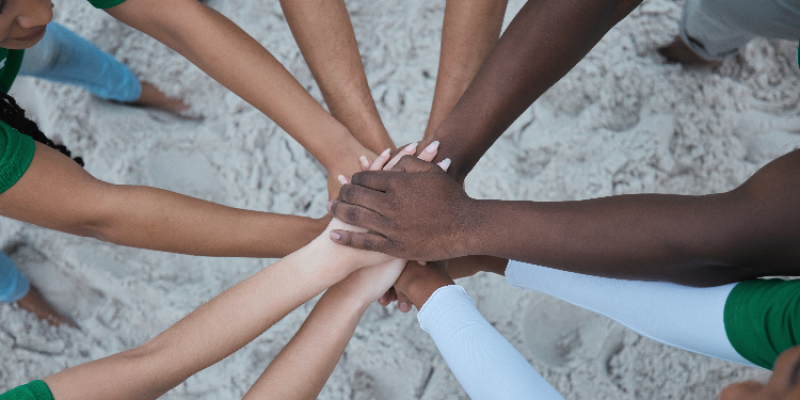
Senegal is widely regarded as one of West Africa's most politically stable and religiously tolerant nations, yet its legal and social landscape on diversity is far from uniform. The country's constitution prohibits discrimination on grounds of race, sex, religion, and origin, while simultaneously offering no protections whatsoever for sexual orientation or gender identity. For expats arriving from more liberal legal environments, understanding where Senegal's openness ends and where its restrictions begin is not just useful: it is essential. This article covers the key dimensions of diversity in Senegal, from gender equality and disability inclusion to the severe legal risks facing LGBTQ+ individuals, so you can make informed decisions before and after your move.
Senegal occupies a distinctive position on the African continent. The country's national identity is anchored in teranga, a Wolof concept of hospitality that shapes how residents and newcomers relate to one another. Its motto, "One People, One Goal, One Faith," reflects a strong emphasis on national cohesion across ethnic and religious lines. The constitution defines Senegal as a secular state and explicitly prohibitsdiscrimination based on origin, race, sex, or religion. However, it contains no provisions protecting individuals on the basis of sexual orientation or gender identity, a gap that has taken on heightened significance in recent legislative developments.
Senegal ranked 68th globally in the 2024 V-Dem Electoral Democracy Index, a score that reflects its comparatively robust democratic institutions within the region. At the same time, recent legislative actions have significantly set back the rights of the LGBTQ+ community, signaling that political stability and inclusive social policy do not always move in the same direction. The government has also declared a focus on inclusive economic development, with a presidential push toward job creation and solidarity-based policies targeting youth and marginalized groups. For expats, Senegal presents a society that is genuinely welcoming in many respects, but one where the boundaries of that welcome are clearly drawn in law.
According to the World Economic Forum's Global Gender Gap Report 2025, Senegal ranks 116th out of 148 evaluated countries, having closed about 68% of its overall gender gap. That figure places it in the lower half of the global index, though the picture varies considerably by sector.
Where Senegal stands out positively is in political representation. The country maintains a near-equal gender distribution in its government cabinets, and women hold a meaningful share of parliamentary seats. This level of female political participation is notable in a regional context where women's representation in leadership often lags significantly. The contrast with economic participation is stark: female labor-force participation in Senegal stands at just 39.2%, which is considerably lower than several regional peers.
In education, the gender gap persists at the leadership level. Women occupied only about 6% of primary school principal positions and roughly 11% to 12% in middle and secondary schools. In response, Senegal joined UNESCO's "Women in Learning Leadership" (WiLL) research program to address systemic barriers preventing women from advancing into educational management roles. Separately, a comprehensive Labour Code reform is currently underway that aims to prohibit the dismissal of women on grounds of pregnancy and to close existing gaps in maternity protection law. Expats managing local teams or employed under Senegalese contracts should monitor this reform closely, as it is expected to introduce stronger equality mandates and expanded worker protections.
International programs operating in Senegal have also focused on economic empowerment, with green skills training initiatives supporting women-led enterprises. These efforts reflect a broader recognition that legal frameworks alone are insufficient without targeted investment in women's economic participation.
Join the Senegal community
Get regular tips and advice to make the most of your expat life
Disability inclusion in Senegal
The primary legislation governing the rights of people with disabilities is Social Orientation Law No. 2010-15. In practice, however, implementation decrees remain weak or unsigned, which limits the law's real-world impact. Physical accessibility across Senegal's cities and public spaces remains a significant challenge: standard sanitation facilities and public areas are rarely adapted for wheelchair users, and international accessibility standards are not consistently applied.
The most tangible support mechanism for people with disabilities is the Carte d'Égalité des Chances (Equal Opportunity Card), introduced in 2012. Registered cardholders gain access to healthcare, family allowances, vocational training, and free use of the Dakar Dem Dikk public transport network. Under its Open Government Partnership Action Plan, the Senegalese government committed to increasing the number of disabled individuals holding this card by 30%.
By law, a 15% employment quota is reserved for people with disabilities in the workforce, and the government offers co-financing mechanisms covering 50% of salaries for disabled persons employed by private partners. Enforcement, however, is highly inconsistent. About 8% of the population aged 15 and older experiences some form of functional difficulty, and 88% of those with severe difficulties fall below the multidimensional poverty line. For expats with disabilities relocating to Senegal, private health insurance that explicitly covers accessibility-related needs is strongly advisable, as local infrastructure cannot be relied upon to meet international standards.
Good to know:
Humanity & Inclusion (HI) operates active programs in Senegal focused on inclusive education advocacy and workplace accessibility, and can serve as a practical reference point for expats navigating disability-related services.
Age diversity in Senegal
Senegal has one of the youngest populations in the world. The median age is about 20.4 years for males and 21.3 years for females, and over 41% of the total population is under the age of 15. This demographic reality shapes the workplace in important ways. Integrating a rapidly growing, tech-aware younger generation into a professional environment shaped by older, more experienced leadership is a central concern for HR management in the country.
Traditional Senegalese culture places deep respect on elders, who are regarded as the guardians of institutional and cultural memory. For foreign employers and managers, this creates a specific dynamic: decisions made without consulting senior figures can be perceived as disrespectful, even when they are organizationally sound. At the same time, younger workers increasingly expect their skills and initiative to be recognized. Foreign companies operating in Senegal often find that structured mentoring programs that create genuine exchange between generations, rather than one-directional knowledge transfer, work best in this environment.
The government has made youth employment a declared national priority, focusing on job creation, cooperative development, and skills training for the youth demographic. Expats working in sectors that rely on local hiring will find that this policy priority shapes both the labor market and the regulatory environment around hiring and workforce development.
Senegal is ethnically diverse, with over a dozen recognized groups living alongside one another. The Wolof represent the largest group at roughly 39.7% to 43% of the population, followed by the Pular/Fula at 24% to 27.5%, the Serer at 14.7% to 16%, and smaller groups including the Mandinka, Jola, and Soninke. This diversity is reflected in cultural life, with distinct musical, culinary, and artistic traditions associated with each community.
The expatriate and non-native community accounts for roughly 5.4% of the population. This includes a significant European presence (predominantly French), Lebanese communities with deep commercial roots in the country, and regional migrants from Mauritania, Morocco, and other parts of West Africa. While French remains the official administrative and business language, Wolof functions as the dominant lingua franca, spoken as a first or second language by over 80% of the population. Expats who invest time in learning even basic Wolof phrases consistently report that it opens doors in ways that French alone does not.
Legal protections against racial and ethnic discrimination exist in Senegalese law. Article 18 of the Press Code (Law 2017-27) explicitly prohibits journalists and media from stigmatizing any person based on their ethnic or national affiliation. In everyday life, expats of diverse racial backgrounds generally report that Senegal's culture of hospitality extends meaningfully to foreign residents, though individual experiences vary depending on context and location.
Religious diversity in Senegal
Senegal is frequently cited as a model of interfaith harmony within the Muslim-majority world. Islam is practiced by approximately 94% to 97% of the population, with most Senegalese Muslims following Sufi brotherhoods, primarily the Mouridiyyah and Tijaniyyah. Despite this demographic dominance, the constitution defines Senegal as a secular state, guarantees freedom of religious belief, and prohibits political parties from aligning with specific religions.
A Christian minority, predominantly Roman Catholic, makes up roughly 3% to 4% of the population and is concentrated in the western and southern regions of the country. Interfaith relations are exceptionally peaceful in practice: mixed marriages between Muslims and Christians are common, communities regularly celebrate each other's religious holidays, and the Ministry of Education partially funds established Christian schools that are actively attended by Muslim-majority student bodies. This level of day-to-day coexistence is genuine and widely observed by expats of all religious backgrounds.
Around 1% to 2% of the population adheres to traditional indigenous African religions, though many Senegalese blend formal religious practice with traditional cultural beliefs. For expat residents, religious practice of any kind is generally free and unhindered. Non-religious expats also report no significant social pressure in Dakar's urban environment, though a basic understanding of Islamic customs (such as fasting periods during Ramadan and prayer times) helps considerably in navigating daily interactions with respect.
LGBTQ+ rights and acceptance in Senegal
The legal situation for LGBTQ+ individuals in Senegal is severe and has worsened considerably in recent legislative developments. Homosexuality, bisexuality, and transsexuality are illegal under Senegalese law. In March 2026, the National Assembly unanimously passed new legislation doubling the maximum prison sentence for same-sex relations from five years to ten years.
The financial penalties have also been dramatically increased: fines for same-sex relations were raised from XOF 1,500,000 to up to XOF 10,000,000 (about USD 17,455), and judges are now barred from granting suspended sentences. The 2026 law goes further by formally criminalizing any "promotion" or "apology" of LGBTQ+ ideology. Expressing support for LGBTQ+ rights, financing related events, or publishing favorable media can result in prison sentences of three to seven years. Non-binary and transgender identities are not legally recognized; the law groups "transsexuality" under "unnatural acts."
There are no legal protections against discrimination based on sexual orientation or gender identity in any domain, including employment, housing, or healthcare. The government has openly dismissed international human rights criticism of this legislation, framing it as a defense of Senegalese cultural and religious values. Any expat who is LGBTQ+ must understand clearly and without ambiguity that Senegal's legal framework poses a direct and serious personal risk.
Expat experience by background in Senegal
Expatriates across a range of backgrounds broadly describe Senegal as hospitable and welcoming, with a social culture that rewards respect for local norms. Conservative dress and awareness of religious customs, particularly during Ramadan, go a long way toward building positive relationships with neighbors and colleagues. Dakar, as the country's economic and diplomatic hub, offers the most internationally connected environment, with expat-friendly areas like Almadies and the Corniche providing access to international restaurants, social venues, and community events.
Language is consistently identified as the most significant integration factor. French is essential for administrative tasks, banking, medical appointments, and business communication. English is rarely spoken outside specific diplomatic or international business circles in Dakar. English-speaking expats are strongly advised to begin French lessons as soon as possible after arrival. Registering with your home country's embassy in Dakar is also a practical step: many embassies circulate event newsletters and maintain updated lists of English-friendly services and community meetups. Beyond French, even a basic grasp of Wolof greetings creates a noticeably warmer reception in everyday interactions.
For expats with disabilities, navigating Senegal's physical environment requires advance planning. Public transport and most public spaces are not adapted to international accessibility standards, and private health insurance that explicitly covers accessibility-related needs provides an important safety net.
For general social integration, Dakar has an active international community. Expat-oriented social events take place regularly in areas like Almadies, and venues such as the Terrou-Bi hotel are well-known for hosting international gatherings and networking mixers. English-speaking expats have found Instagram-based communities useful for locating English-friendly meetups and inclusive social events in the city.
For expats with disabilities, Humanity & Inclusion (HI) maintains active programs in Senegal covering inclusive education and workplace accessibility. While the government's Equal Opportunity Card offers some formal support, its coverage is limited, and international NGOs like HI represent a more reliable source of practical assistance and advocacy.
Arriving prepared makes a tangible difference in how smoothly the transition to Senegalese life goes. The following points address the most practical considerations for expats from diverse backgrounds:
Learn French before you arrive. Administrative processes, medical consultations, banking, and contract negotiations all require French. English is not a reliable fallback outside of a narrow range of diplomatic and business environments.
Learn basic Wolof greetings. Phrases such as "Nanga def" (how are you) and "Mangi fi rek" (I'm fine) are warmly received and signal genuine cultural respect. They open doors that French alone does not.
Monitor the Labour Code reform. A comprehensive reform is currently in progress that aims to strengthen maternity protections and worker rights. Expats employed under Senegalese contracts or managing local teams should stay informed about how the final legislation affects their obligations.
Plan ahead for disability-related needs. Public infrastructure in Senegal is rarely adapted to international accessibility standards. Ensure your private health insurance explicitly covers any necessary accommodations, and research specific venues and transport options before you arrive.
Dress conservatively and observe religious customs. Senegal is a predominantly Muslim country, and visible respect for local norms, particularly around dress and behavior during Ramadan and prayer times, contributes significantly to positive social integration.
Register with your home country's embassy in Dakar. This provides access to updated safety advisories, community event listings, and emergency consular support.
Have questions about living in Senegal? Join the Expat.com community to connect with expats who have navigated life there firsthand.
Frequently asked questions about diversity in Senegal
No. Being openly LGBTQ+ in Senegal carries severe legal and physical risks. Legislation passed in 2026 increased prison sentences for same-sex relations to a maximum of ten years and criminalized the "promotion" of LGBTQ+ rights with sentences of up to seven years. There is no open LGBTQ+ community life in the country, and support organizations do not operate publicly.
The Carte d'Égalité des Chances (Equal Opportunity Card) is a government-issued card introduced in 2012 for people with disabilities. Registered cardholders receive access to free healthcare, vocational training, family allowances, and free use of the Dakar Dem Dikk public transport network. Access to the card requires registration with Senegalese authorities, and coverage is limited to what the national system provides.
Yes, the Constitution and Labour Code prohibit discrimination based on race, religion, gender, and national origin. However, these protections explicitly exclude sexual orientation and gender identity. A Labour Code reform currently in progress aims to strengthen maternity protections and close gaps in existing worker rights legislation. Expats employed under Senegalese contracts should follow this reform's progress closely.
English is not widely spoken outside specific diplomatic circles and international business environments in Dakar. French is the official administrative language, and Wolof is the lingua franca used by over 80% of the population. English-speaking expats are strongly advised to take French lessons upon arrival to manage daily tasks, banking, medical appointments, and legal matters independently.
Senegalese law mandates a 15% employment quota for people with disabilities in the workforce, and the government offers to co-finance 50% of salaries for disabled individuals employed by private partners. In practice, enforcement of this quota is highly inconsistent, and a large proportion of people with severe disabilities remain below the poverty line. Expats with disabilities should not rely on this framework as a guarantee of accommodation in the workplace.
Yes. The World Economic Forum's Global Gender Gap Report 2025 ranks Senegal 116th out of 148 countries, with female labor-force participation at just 39.2%. Economic disparities between men and women are significant across most sectors, though women have achieved strong representation at the ministerial level in government.
Senegal has a strong tradition of interfaith harmony. Despite being over 94% Muslim, the country operates as a constitutionally secular state, and Christian minorities freely practice their faith. Mixed religious families are common, and communities regularly participate in each other's religious celebrations. Expats of all faiths, and none, report being able to practice freely in urban areas without social pressure.
French is essential for all administrative, legal, and business interactions. Wolof is the dominant language of everyday communication and is spoken by the vast majority of the population as a first or second language. Learning Wolof greetings and basic phrases significantly improves daily interactions and signals cultural respect. English is not a practical substitute for French in most day-to-day contexts.
Humanity & Inclusion (HI) operates programs in Senegal covering inclusive education and workplace accessibility, and represents one of the more active international organizations working in this space. The government's Equal Opportunity Card provides some formal benefits for registered individuals with disabilities. Beyond these, expats with specific accessibility needs should arrange comprehensive private health insurance before arriving, as public infrastructure rarely meets international accessibility standards.
Senegal is home to over a dozen ethnic groups, with the Wolof being the largest. The expatriate and non-native population accounts for roughly 5.4% of the total population and includes significant European, Lebanese, and regional African communities. Legal protections against racial and ethnic discrimination exist in law, and the country's culture of hospitality generally extends to foreign residents. Expats of diverse racial backgrounds report broadly positive experiences, though integration is eased considerably by learning French and at least basic Wolof.
ℹ️
We do our best to provide accurate and up to date information. However, if you have noticed any inaccuracies in this article, please let us know in the comments section below.
I fell in love with words at an early age After a break to focus on my studies, I rediscovered the joy of writing while keeping a blog during my years between London and Madrid. This passion for storytelling and for exploring new cultures naturally inspired me to create Expat.com, a space for my own reflections as well as for anyone wishing to share their experiences and journeys abroad.