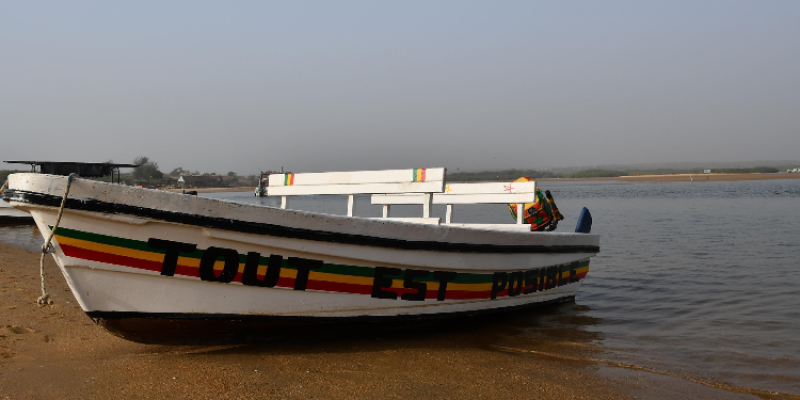
Dakar sits on the westernmost tip of Africa, operates on GMT, and offers a cost of living that is roughly half what you would spend in North America or Western Europe. For digital nomads weighing up their next base, those three facts alone make Senegal worth serious attention. This article covers what remote workers actually need to know before choosing Senegal: the visa situation, internet reliability, coworking options, monthly costs, and the real challenges that make this destination rewarding but not entirely straightforward.
Senegal, and Dakar in particular, has built a genuine reputation as one of West Africa's most promising cities for remote workers. The coastal setting, the French-African cultural blend, and a growing startup ecosystem give the city an energy that draws freelancers, entrepreneurs, and location-independent professionals looking for something beyond the well-worn nomad trails of Southeast Asia or southern Europe.
The concept of Teranga, the Senegalese tradition of hospitality, is not a marketing phrase: most remote workers who spend time in Dakar describe a welcoming social environment that makes settling in far easier than in many other African capitals. The city also benefits from a relatively stable political environment and an affordable cost of living compared to Western countries, which makes it attractive across different budget levels.
That said, Senegal is not without its friction points. Urban infrastructure in Dakar struggles with heavy traffic congestion, and the broader ease of doing business presents real obstacles for those looking to formalize their presence. The U.S. Department of State's travel advisory for Senegal characterizes crime as mostly opportunistic, such as pickpocketing in crowded areas, and advises travelers to stay aware of their surroundings. None of this makes Senegal unsafe for remote workers, but it does mean arriving with realistic expectations rather than idealized ones.
Looking for the best job opportunities in Senegal?
Legal considerations for remote workers in Senegal
Working remotely on a tourist visa in Senegal sits in a legal grey area. There is no official framework that explicitly permits it, but immigration authorities do not enforce restrictions against foreigners working online for foreign-based clients. This is a practical reality rather than a formal legal permission, and it is worth understanding the distinction before making long-term plans around it.
Tax obligations depend on how long you stay. Remote workers who remain in Senegal for fewer than 183 days within a 12-month period are not considered tax residents and are not required to declare their foreign-earned income locally. Staying beyond 183 days triggers Senegalese tax residency, which subjects you to the country's progressive personal income tax on your worldwide income. If you are planning an extended stay, consulting a tax professional familiar with both your home country's rules and Senegalese tax law is advisable before you reach that threshold.
The absence of a dedicated nomad visa also imposes practical limits beyond tax considerations. Opening a local bank account, for example, requires a long-term residence permit in most cases, which means many remote workers rely entirely on international accounts and cards during their stay. International credit cards are not widely accepted outside major hotels and supermarkets, so carrying local cash is a practical necessity rather than an optional convenience.
For most video call and file-sharing workloads, internet connectivity in Dakar is workable. The national average fixed broadband speed sits at 21.02 Mbps for downloads, placing Senegal in the mid-tier range across Africa, according to Global Internet Speed Statistics. In Dakar's coworking spaces and major tech hubs, speeds are noticeably faster, typically ranging from 26 Mbps to 45 Mbps. Mobile connectivity is strong in urban areas, with 4G networks covering 71% of the population, though 5G remains limited.
On arrival, picking up a physical SIM card is straightforward. The main providers, Orange, Free, and Expresso, all have outlets at the airport and in official stores across the city. Prepaid data plans are affordable and activate quickly. If you prefer to arrange connectivity before landing, travel eSIM services offer pre-paid data plans that can be set up in advance.
Outside of Dakar, the picture changes significantly. Smaller coastal towns and rural areas experience slower speeds and more frequent network drops. Anyone planning to work from Saint-Louis, Thiès, or more remote locations should treat a backup mobile data plan as essential, not optional.
Join the Senegal community
Get regular tips and advice to make the most of your expat life
Coworking spaces in Senegal
Dakar has the most developed coworking ecosystem in Senegal by a wide margin, with a mix of international operators and locally founded hubs that cater to different working styles and budgets.
Regus operates multiple premium coworking locations in Dakar, including spaces in the Plateau district, Ngor Virage, and Point E. A day pass costs XOF 23,900 (roughly USD 40), while a dedicated desk starts from XOF 4,600 per day (roughly USD 7.60). These spaces offer reliable internet, air conditioning, and the professional environment that some remote workers need for focused work.
For a more community-oriented experience, Hub Africa offers high-speed internet and dedicated desks at monthly rates ranging from USD 40 to USD 100 (approximately XOF 24,000 to XOF 60,000). Dakar Coworking, located in the coastal Almadies neighborhood and known for its ocean views, offers monthly desk rentals starting around XOF 30,000 (approximately USD 50). JokkoLabs and Impact Dakar round out the local options, with both spaces placing a strong emphasis on community events, startup programming, and local networking.
Outside of Dakar, dedicated coworking spaces are essentially nonexistent. Nomads based in other Senegalese cities typically work from cafes or rely on home internet setups, which requires more planning and flexibility.
Cafes and alternative workspaces in Dakar
Dakar has a lively cafe culture, particularly in expat-heavy neighborhoods like Almadies and Point E. Several cafes are well-suited to remote work, offering reliable Wi-Fi and a comfortable atmosphere during quieter hours. Nomad U is one of the most consistently recommended laptop-friendly cafes in the city, known for its quiet setting, good coffee, and stable internet connection.
Beachfront cafes in Ngor and Almadies offer a more relaxed environment with ocean views, though Wi-Fi reliability tends to be less consistent than in dedicated indoor spaces. If your work requires a stable connection for the full day, these spots are better suited to lighter tasks or afternoon wind-downs rather than morning video calls.
The general etiquette for working from cafes in Dakar follows a simple principle: if you plan to occupy a table for an extended stretch, buying a coffee, meal, or fresh juice every few hours is expected, particularly during busy lunch periods. Power outlets can be scarce in some venues, so arriving with a fully charged device and a portable battery is a sensible habit.
Accommodation for digital nomads in Senegal
The neighborhoods that attract the most remote workers in Dakar are Almadies, Point E, Plateau, and Ngor. Almadies is the most popular choice for English-speaking expats and higher-budget nomads: it is coastal, well-served by international restaurants and services, and generally considered safe. Point E offers a more central, residential feel, while Plateau functions as the downtown business district. Yoff and Ouakam are quieter alternatives where rents tend to be lower.
For a 1-bedroom apartment in a mainstream Dakar neighborhood, expect to pay around XOF 500,000 per month (approximately USD 830). Rents across the city range from XOF 350,000 to XOF 650,000, depending on building quality and location. Studio apartments average around XOF 350,000 per month (approximately USD 580), while high-end 2-bedroom apartments in premium areas like Almadies and Virage can reach XOF 550,000 to XOF 1,000,000 monthly. The average cost per square meter across Dakar sits at roughly XOF 9,000 to XOF 10,000 per month (approximately USD 15 to USD 17).
Short-term stays are most easily arranged through Airbnb. For longer stays, nomads who have already arrived in Dakar often find better rates by connecting with local landlords through Facebook groups such as "Living in Dakar," where housing listings and word-of-mouth recommendations circulate regularly.
Cost of living in Senegal
Senegal is genuinely affordable by the standards of North American and European cities. Monthly living costs for a single person in Dakar, excluding rent, amount to approximately XOF 502,385 (USD 878), according to Numbeo. When rent is factored in, a comfortable lifestyle in Dakar typically requires a total monthly budget of between USD 1,300 and USD 1,700, depending on your accommodation choices and spending habits. Overall living expenses in Senegal are estimated to be roughly 44% to 54% lower than in the United States.
Food costs span a wide range. A meal at a local street food stall or a casual neighborhood restaurant can cost under USD 5, while dining at international restaurants in Almadies or other expat-oriented areas brings prices closer to what you would pay in Europe. Groceries from local markets are inexpensive; imported products from supermarkets cost significantly more.
Getting around Dakar is cheap if you use public transport options like the Car Rapide buses, though many nomads find these impractical for daily use. Taxis and ride-hailing apps are affordable alternatives, particularly if you negotiate fares before getting in. Dakar's traffic congestion can make journey times unpredictable, which is worth accounting for when planning your daily schedule.
Digital nomad community in Senegal
Dakar's remote worker community is diverse, drawing freelancers, founders, artists, and professionals from across Africa, Europe, and the Americas. The city's cultural energy and coastal lifestyle make it naturally sociable, and connecting with others is not difficult once you know where to look.
Most community coordination happens online. Facebook groups focused on life in Dakar are active resources for finding housing, getting local advice, and meeting other nomads. For professional networking, local incubators and organizations like Startup Dakar host regular meetups and tech events that attract both local entrepreneurs and international visitors. Social venues like the surf clubs in Almadies, as well as cultural events such as the Dakar Biennale, provide more informal settings for meeting people outside of a work context.
The broader expat community in Dakar is well-established and adds another layer of social infrastructure for newly arrived nomads. Organized events for the international community take place regularly and offer a practical way to build connections quickly, particularly for those who do not yet have a local network.
Practical tips for working remotely from Senegal
Senegal operates on Greenwich Mean Time (GMT / UTC+0), which is one of its most underrated advantages for remote workers. This time zone aligns closely with most of Europe and overlaps comfortably with the East Coast of the Americas, making it far easier to maintain real-time collaboration than from many other nomad-friendly destinations in Asia or South America.
French is Senegal's official language, and Wolof is the most widely spoken language in daily life. English is not commonly used outside of specific international or corporate settings. English-speaking nomads should download offline translation tools before arriving and consider taking basic French lessons: it will make a tangible difference in day-to-day logistics, from navigating bureaucracy to simply ordering at a local restaurant.
Respecting local customs goes a long way. The concept of Teranga means locals are genuinely welcoming, but Senegal is a predominantly Muslim country, and dressing conservatively when away from beach areas is both respectful and practical. The dry season, running from November through May, is the most comfortable time to work from Senegal: the weather is pleasant, humidity is low, and the risk of illness from waterborne or mosquito-borne conditions is reduced. The rainy season, from June to October, brings high humidity and the occasional disruption to daily routines.
Good to know:
Proof of Yellow Fever vaccination is required if you are arriving from a country with a risk of yellow fever transmission. Carrying copies of prescriptions for any medications you take is also required at the border, as the U.S. Department of State advises.
No destination is without its difficulties, and Senegal has a specific set of friction points that remote workers should factor into their planning rather than discover after arrival.
Traffic and infrastructure are among the most commonly cited frustrations. Dakar's road network is heavily congested, and commute times between neighborhoods can be much longer than maps suggest. Roads outside the capital are often in poor condition, which limits mobility for those who want to explore beyond the city. Power outages and occasional water cuts can also disrupt workdays; choosing accommodation or a coworking space with a backup generator significantly reduces this risk.
The banking system presents real obstacles for foreigners. International credit cards are accepted in major hotels and some supermarkets, but cash is essential for most daily transactions. Online banking functionality for foreign accounts is limited, and opening a local account without a long-term residence permit is difficult. Nomads need to plan their cash management carefully, including identifying reliable ATMs and understanding withdrawal limits.
Air quality in Dakar is a concern worth noting for anyone with respiratory sensitivities. Heavy traffic and older vehicles contribute to significant pollution levels in the city center, particularly during peak hours. Finally, administrative processes, from visa extensions to any interaction with local authorities, tend to move slowly and require patience and a reasonable command of French to navigate effectively.
Frequently asked questions
No, Senegal does not currently offer a dedicated digital nomad visa. Most remote workers enter on a standard tourist visa, which generally allows a stay of up to 90 days. A policy change introduced in 2025 now requires many non-African nationals to obtain an e-Visa prior to arrival, so check whether your nationality is affected before booking.
Yes, the internet in Dakar is generally reliable enough for video calls and standard remote work tasks. The national average fixed broadband speed is around 21 Mbps, and coworking spaces in Dakar frequently offer speeds between 26 Mbps and 45 Mbps. Outside of the capital, speeds drop and connectivity becomes less predictable.
A 1-bedroom apartment in a nomad-friendly neighborhood like Point E or Almadies costs around XOF 500,000 (approximately USD 830) per month. Studio apartments average around XOF 350,000 (approximately USD 580). Prices vary by neighborhood, building quality, and whether you negotiate directly with a landlord or book through a short-stay platform.
In Dakar, finding a coworking space is straightforward, with options ranging from premium international chains like Regus to local hubs like Hub Africa and Dakar Coworking. Outside of the capital, dedicated coworking spaces are extremely rare, and nomads in other cities must rely on cafes or home internet setups.
If you stay in Senegal for fewer than 183 days within a 12-month period, you are not considered a tax resident and do not need to pay local taxes on foreign-earned income. Staying beyond 183 days triggers local tax residency obligations under Senegalese law. If you are approaching that threshold, consulting a tax professional is advisable before your situation changes.
Dakar is generally considered safe for remote workers, with a strong local culture of hospitality. The U.S. Department of State describes crime in Senegal as mostly opportunistic, including pickpocketing in crowded markets and at night. Standard precautions, such as keeping valuables out of sight and staying alert in busy areas, apply as they would in most cities.
Not comfortably. English is not widely spoken in everyday life in Senegal. French is the official language and the one you will need for administrative tasks, navigating services, and most social interactions outside of expat circles. Wolof is the most common spoken language among locals. Downloading an offline translation app and learning basic French before arriving will make a significant practical difference.
ℹ️
We do our best to provide accurate and up to date information. However, if you have noticed any inaccuracies in this article, please let us know in the comments section below.
I fell in love with words at an early age After a break to focus on my studies, I rediscovered the joy of writing while keeping a blog during my years between London and Madrid. This passion for storytelling and for exploring new cultures naturally inspired me to create Expat.com, a space for my own reflections as well as for anyone wishing to share their experiences and journeys abroad.