

Living in Mexico City: the ultimate expat guide
Everything you need to know for a successful life in Mexico City.
Mexico City is one of Latin America's most dynamic capitals, home to over 9 million residents in the city proper and 22 million in the metropolitan area. Situated at 2,240 meters above sea level, the city offers spring-like temperatures averaging 12-27°C year-round. The capital blends pre-Columbian heritage with colonial architecture and contemporary urban culture. With more than 170 museums, it ranks among the world’s most museum-rich cities and boasts world-class dining, arts, and entertainment.
5 good reasons to move to Mexico City
- Affordable living costs: The cost of living is generally lower than in many major global metropolises
- Rich cultural scene: World-renowned museums including the National Museum of Anthropology, plus year-round festivals and events.
- Growing job market: Expanding opportunities in technology, finance, manufacturing, and international business.
- Excellent connectivity: Comprehensive public transport including a 12-line metro system with 195 stations.
- International community: Welcoming atmosphere with established international neighborhoods and bilingual services.
Source: World Population Review
Working in Mexico City
Mexico City is the engine of the national economy, generating approximately 17% of Mexico's GDP and offering diverse employment opportunities across sectors like finance, technology, manufacturing, and international business.
Key employment sectors
Technology and IT sectors are experiencing rapid growth driven by digital transformation and nearshoring trends. Major industries include financial services centered in Polanco and Santa Fe, automotive manufacturing, business process outsourcing, and creative industries.
Work permits and requirements
Foreign nationals require a work permit to be legally employed. The process involves obtaining a Temporary Resident Visa with work authorization, sponsored by your employer. Applications are submitted at Mexican consulates before arrival. You'll need a valid passport, proof of employment, financial documents, and health insurance. Processing takes around four to six weeks. Upon arrival, register with the National Institute of Migration (INM) within 30 days and obtain a CURP (Clave Única de Registro de Población) and tax identification number.
Unemployment rate | 3.43% |
Average monthly salary (net) | MXN 16,806 |
Key sectors | Finance, technology, manufacturing, BPO |
Data correct as of December 2025.
Sources: Government of Mexico, Numbeo
🔍To learn more
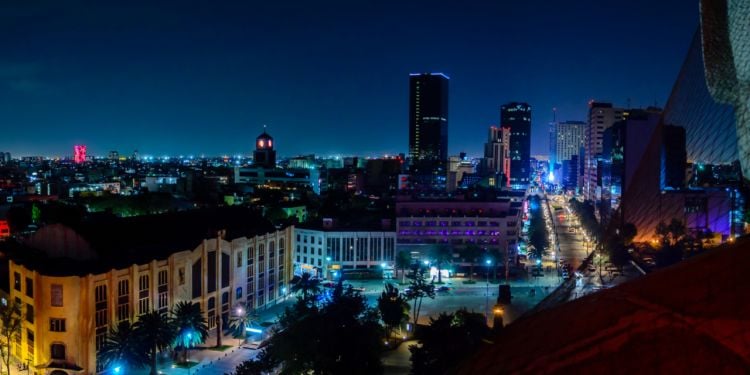
Working in Mexico City
Mexico City is not just any place. As one of the biggest cities in the world, it has a strong and ...
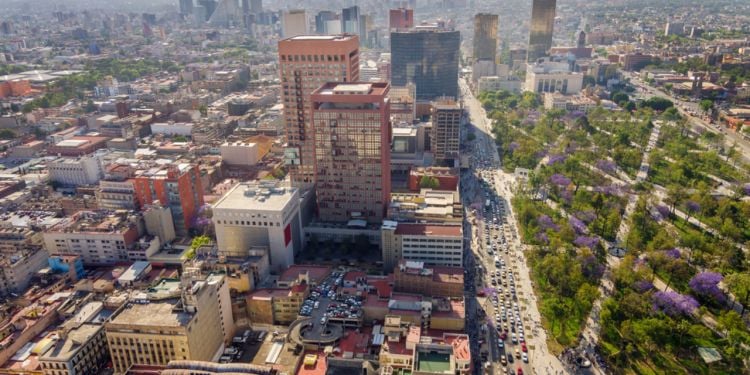
The labour market in Mexico City
As you might think, Mexico City is home to a number of firms, and office positions ...

The work culture in Mexico City
Like in many countries, work is a big part of the character and identity of Mexicans, and it is in ...
Higher education & universities
Mexico City hosts some of Latin America's most prestigious universities, offering world-class education at accessible prices. The capital educates over 300,000 university students across public and private institutions, with programs primarily in Spanish but growing English-language options.
Leading universities
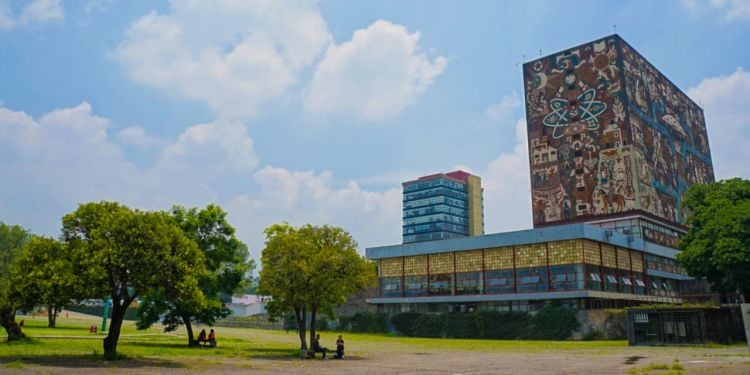
The Universidad Nacional Autónoma de México (UNAM), founded in 1551, is Mexico's largest university. Its main campus in Ciudad Universitaria is a UNESCO World Heritage Site. Meanwhile, Tecnológico de Monterrey has campuses in the city and is widely recognized for its engineering and business programs at both the undergraduate and postgraduate levels.
Admission requirements
Admission to major universities in Mexico City, such as the public UNAM and private institutions like Tecnológico de Monterrey, typically requires prospective students to successfully complete an entrance exam (Examen de Admisión), with the specific test (like EXANI-II or the PAA) varying by institution. Beyond the exam, applicants must submit a completed application, official academic transcripts showing secondary education equivalent to the Mexican Bachillerato, and a valid passport. International students have to demonstrate Spanish language proficiency at a minimum B2 level.
Sources: UNAM, Tecnológico de Monterrey

Schooling for children
While public education in Mexico City is free, most expatriate families choose private or international schools offering bilingual or English-language instruction and internationally recognized qualifications.
International schools
The city hosts more than 25 international schools offering British, American, French, German, and IB curricula. The American School Foundation (ASF), established in 1888, offers education from preschool through grade 12. Greengates School follows the British curriculum with Cambridge IGCSE and IB programs. Other notable options are the Lycée Franco-Mexicain, which provides a French education, and Eton School, specializing in bilingual instruction.
Enrollment process
Admission processes begin 6-12 months before the desired start date. Requirements include previous transcripts — the official records of a student's past course work, grades, and academic achievements — language proficiency assessments and letters of recommendation. Most schools conduct entrance exams and interviews. Tuition fees vary by institution and grade level. Factor in additional costs for transportation, uniforms, and activities.
Source: International Schools Database
Housing & neighbourhoods
Mexico City's housing market features a broad spectrum of residences, ranging from charming colonial-style apartments with historic architectural elements to sleek, modern high-rise condominiums.
Popular neighborhoods
Roma Norte and Roma Sur are known for their picturesque, tree-lined streets, stunning Art Nouveau architecture and trendy cafés. Adjacent to Roma, Condesa is popular for its beautiful parks and wide array of international dining options. For those seeking an upscale environment, Polanco is the is the place to settle, offering designer shopping and proximity to the vast Chapultepec Park. Further south, Coyoacán offers a quieter, more traditional atmosphere defined by its beautiful colonial architecture.
Rental process and rental costs
The rental process typically requires a security deposit of one to two months' rent, proof of income and identification, and often a Mexican guarantor. Standard leases run for 12 months.
Rent of a 1-bedroom city-center apartment | MXN 15,000 - 28,000/month |
Rent of a 3-bedroom city center apartment | MXN 30,000 - 67,000/month |
Data correct as of December 2025.
Sources: Numbeo
🔍To learn more
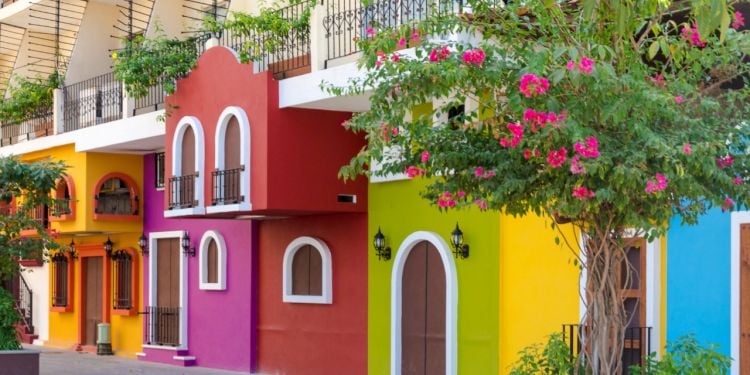
Accommodation in Mexico City
As you get better acquainted with Mexico City, you will start to gravitate towards certain ...
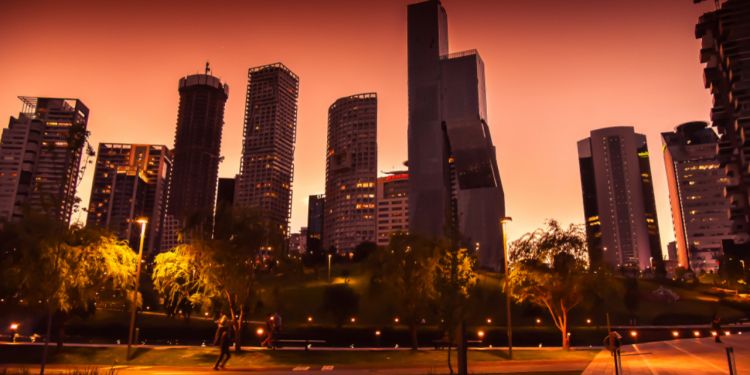
Buying property in Mexico City
People travel from all across the globe to reside in Latin America because of its cultural richness ...
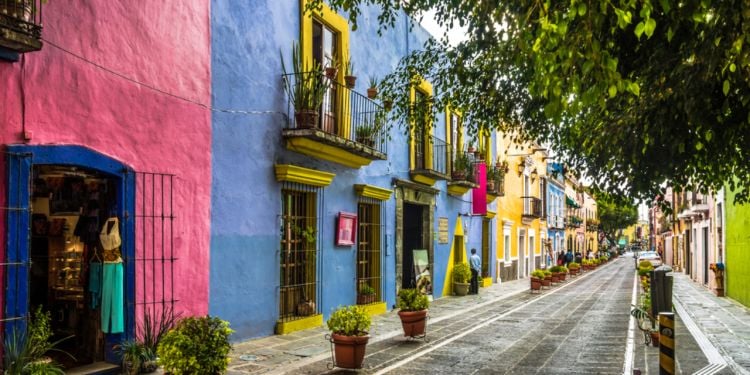
Popular neighbourhoods in Mexico City
One of the best things to do during an extended stay in Mexico City is to compare the different ...
Leisure, culture & things to do
Mexico City's cultural wealth rivals any major world capital, with over 170 museums, countless galleries, theaters, and performance venues. The calendar fills year-round with festivals, concerts, and cultural events, while parks, markets, and neighborhoods offer endless exploration.
Museums and attractions
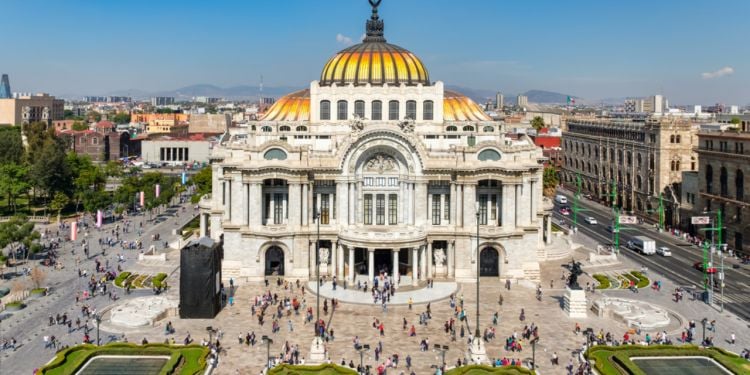
Mexico City offers an extraordinary wealth of cultural attractions, beginning with the highly popular National Museum of Anthropology, which houses the famous Aztec Sun Stone. Chapultepec Castle is another major attraction, standing atop a hill and providing sweeping city views. Art lovers flock to the Palacio de Bellas Artes to view spectacular murals by Diego Rivera, as well as attend opera and other performances. In the charming Coyoacán neighborhood, the Frida Kahlo Museum (Casa Azul) offers an intimate look into the celebrated artist's life and work. For modern and classical art, the architecturally stunning Museo Soumaya is notable for its extensive, 66,000-piece collection.
Entertainment and nightlife
Experience the unique ancient canals of Xochimilco via trajinera boat rides through the UNESCO-listed floating gardens. Watch the spectacle of Lucha Libre wrestling and Arena México, and explore a vibrant culinary scene, from street tacos to over 30 Michelin-starred restaurants. For nightlife, head to Roma or Condesa for their lively bars and clubs.
Sources: Chapultepec Castle, INAH
🔍To learn more
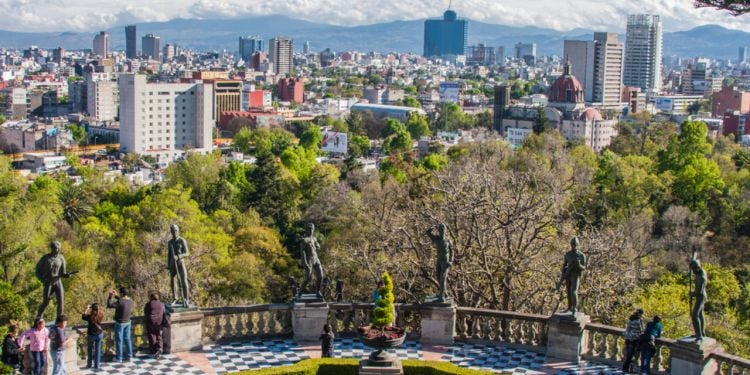
Things to do on weekdays in Mexico City
One thing that you will start to notice in Mexico City is how different neighbourhoods feel ...
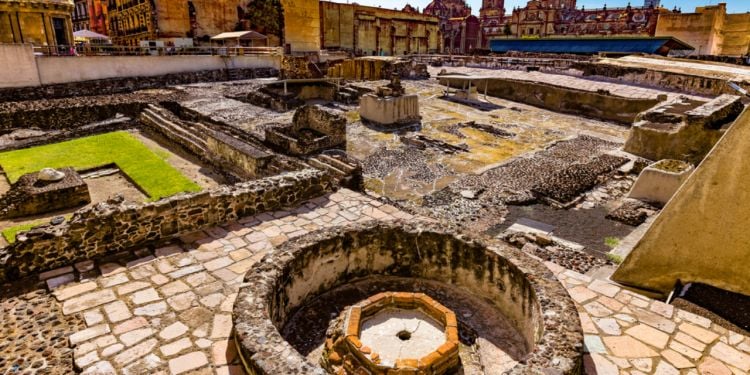
Things to do in Mexico City alone, with family and friends or with a partner
Mexico City is a meeting point for many different worlds and cultures. It has a plethora of ...
Sports in Mexico City
No matter what your favourite sport is, chances are that you will find a place where you can watch ...
Daily life
Daily life in Mexico City revolves around efficient public transportation, rich culinary traditions, and year-round cultural activities. The high altitude means cooler temperatures with rainy afternoons during summer months from June to September.
Getting around
The Metro system is a massive network, spanning 226.5 kilometers across 12 distinct lines and serving a total of 195 stations throughout the city. Travel on all public transport, including the Metro, requires the rechargeable Integrated Mobility Card for entry. This card is essential for the entire network. Complementing the ground transport is the Cablebús, which offers riders a unique mode of aerial transport to reach various points across the metropolitan area.
Lifestyle
Restaurants typically serve lunch from 2:00 to 4:00 PM and dinner from 8:00 PM onwards. Sunday is family day with long afternoon meals. Traditional markets offer fresh produce, while modern supermarkets provide international products. Tipping is customary at 10-15%. Spanish is essential, though English is increasingly common in international neighborhoods. Key celebrations include Día de Muertos on November 1-2 and independence celebrations on September 16.
🔍To learn more
Discovering Mexico City
What one must keep in mind when first getting to the Mexican capital is that this is a truly ...
The Mexico City culture
A mesh of cultures suits a place like Mexico City very well as it is one of the most visited places ...

Developing your social circle in Mexico City
Keep in mind that Mexicans are very social and that it doesn't take a lot of trouble to meet ...
Cost of living
The cost of living in Mexico City is significantly lower than many major Western cities. While pricier than other Mexican cities, it remains highly affordable for housing, food, and transportation.
Monthly expenses for a single person
Rent of a 1-bedroom apartment in the city center | MXN 15,000 - 28,000 |
Groceries | MXN 1,500 - 2,500 |
Utilities | MXN 500 - 1,821 |
Data correct as of December 2025.
Monthly expenses for a family of four
Rent of a 3-bedroom apartment in the city center | MXN 30,000 - 67,000 |
Groceries | MXN 4,500 - 10,000 |
Utilities | MXN 600 - 1,800 |
Data correct as of December 2025.
Sources: Numbeo, Foyer Global Health
In short
Mexico City offers expatriates an exceptional blend of affordability, culture, and opportunity in one of Latin America's most dynamic capitals. With world-class museums and dining, expanding job markets in technology and finance, and comprehensive public transportation, the city provides everything needed for comfortable modern living. Whether you're drawn by career prospects, educational opportunities, or the rich cultural tapestry, Mexico City welcomes international residents with open arms. Join the conversation and connect with fellow expats on the Expat.com Mexico City forum to share experiences, ask questions, and build your network before and after your move.
We do our best to provide accurate and up to date information. However, if you have noticed any inaccuracies in this content, please contact us.


News & testimonies

From Italy to Mexico amid the pandemic
Aurora left her job in Italy a few months ago to embark on a long journey with her boyfriend. Mexico is their first stop since the country doesn't require quarantine on arrival. But this is just the beginning of Aurora's travel blogging adventure.

Our expat blog of the month: Jill's Journey
It's been nearly twenty years since Jill first moved to Mexico for a study abroad semester. There, she met the love of her life which brought about the irresistible desire to come back and settle in Mexico. Jill talks about her journey and her everyday life as an expat on her blog. If you have always wondered what life in Mexico is all about, here we go!

Testimony of an American expat and active mom of four in Mexico
Tina arrived in Mexico with her husband and her four children to experience the slower pace of life in the country. She shared with Expat.com her feelings about life in Mexico, as an American mother of four children.
Alfredo in Mexico: "The rhythm of our lives is definitely different, slower and more relaxed"
Cuban but lived in U.S most of his life, Alfredo decided to move to Mexico with his husband more than ten years ago. He gives us in this testimony his vision about the more latino country of North-America.
Essential services for your expat journey