Living in Canada: the ultimate expat guide
Everything you need to know for a successful life in Canada.
Canada welcomes thousands of newcomers every year, drawn by its high quality of life, pristine natural environment, and strong job market. As the world's second-largest country, Canada offers remarkable cultural diversity, with welcoming communities and two official languages: English and French.
Major cities like Toronto, Vancouver, and Montreal concentrate most employment opportunities, while smaller regions offer a more affordable cost of living and a slower pace. The public healthcare system is well-regarded, though access varies by province. The climate, often harsh in winter, shapes Canadian life and requires proper preparation before arrival.
5 Reasons to Relocate to Canada
- Strong economy with opportunities across multiple sectors, particularly in tech, healthcare, and engineering
- Welcoming immigration policies and pathways to permanent residence and citizenship
- Universal healthcare coverage and excellent public services
- Safe, politically stable environment with low crime rates
- Outstanding natural beauty with access to wilderness, mountains, and coastlines
Key Facts and Figures
Canada at a glance for prospective expats:
Population | approximately 41 million |
Official languages | English and French |
Average annual gross salary | CAD 65,000 |
Unemployment rate | around 6% |
Winter temperatures | 23°F to -22°F (-5°C to -30°C) depending on region |
Sources: Wikipedia, Reuters, Statistics Canada
Visas and Entry Requirements for Canada
Moving to Canada involves several administrative steps that vary based on your personal and professional situation. The most common pathways include:
- Applying for a work permit, study permit, permanent residence, or specific program entry (such as Express Entry).
- Preparing required documentation before departure: valid passport, employment or study confirmation, proof of funds, police certificates, medical examinations.
- Upon arrival, registering with local services: Social Insurance Number (SIN), provincial health coverage, opening a bank account.
- Registering with provincial or municipal authorities where required.
📍 Learn More

How to obtain a study permit for Canada
Foreign nationals wishing to pursue their studies in Canada must obtain this essential document. ...

Obtain a Working Holiday Visa in Canada
Would you like to travel to Canada and work to fund your trip? This article should interest you. ...

How to Obtain a Transit Visa for Canada
This article provides information on obtaining a transit visa if you have to stopover in Canada.
Working in Canada
Canada's job market attracts skilled professionals worldwide thanks to diverse sectors and strong demand for qualified workers.
💡 Key Points
- High-demand sectors include healthcare, information technology, construction, engineering, education, and energy.
- Two types of work permits exist: employer-specific (closed) permits or open work permits, depending on your program.
- Employment opportunities vary by province and city, with major concentration in large metropolitan areas.
- Provincial minimum wage, standard working hours, and employee rights are regulated by law.
🗂️ City-Specific Work Guides
- Working in Calgary
- Working in Montreal
- Working in Quebec (province)
- Working in Toronto
- Working in Vancouver
📍 Learn More

How to find a job in Canada
If you wish to work in Canada, it is highly likely that you will need a work permit depending on ...

How to find an internship in Canada
Canada is a top destination to gain initial professional experience. An internship in Canada ...

Procedures for working while studying in Canada
Studying in Canada is an enriching experience, but it can also represent a significant financial ...
Studying in Canada
Canada welcomes hundreds of thousands of international students each year, attracted by the quality of education and diversity of programs.
💡 Key Points
- Numerous institutions exist in all provinces: universities, colleges, and specialized schools.
- Tuition fees vary by institution and province; they are often higher for international students.
- Instruction is in English, French, or both, depending on the region and program.
- A study permit is required for programs longer than six months, with proof of acceptance from an approved institution and sufficient financial resources.
- You can work during and after your studies through the Post-Graduation Work Permit (PGWP).
📍 Learn More

Universities in Canada
With a wide range of universities and renowned international colleges, the country attracts thousands of students each year, be they Canadian or ...
Banking and Finance in Canada
Managing your finances in Canada: opening a bank account, making international transfers, filing tax returns, and understanding the tax system.


Healthcare in Canada
Canada's healthcare system is publicly funded through taxation, but access varies by province or territory.
💡 Key Points
- Each province manages its own health insurance plan, with specific eligibility criteria and waiting periods for enrollment.
- Essential medical care is generally covered, but dental care, vision care, and many prescription medications are not included.
- Supplementary insurance is recommended to cover services not included or during the waiting period after arrival.
- Access to care varies by region and service type. Healthcare access is significantly more limited in rural areas.
📍 Learn More

The healthcare system in Canada
When you arrive in Canada, here are some tips on what you should do to access healthcare services.
Education and Schools in Canada
Canada offers a public education system recognized for its quality and accessibility. Each province or territory manages its own organization and curriculum.

French schools in Canada
French schools in Canada are highly regarded. According to the France-Canada Culture site, they stand out because "they allow for a high-quality ...
Finding Housing in Canada
Canada's housing market varies significantly by province and city. Rent and purchase prices are among the highest in major metropolitan areas.
💡 Key Points
- Rental leases typically run for one year, with security deposits sometimes equivalent to one month's rent depending on the province.
- Heating, water, or electricity may be included in rent, depending on the property.
- Foreign nationals can purchase property in Canada, though some provinces impose restrictions or additional taxes.
- Housing costs are highest in Toronto and Vancouver, and naturally more affordable in mid-sized cities or rural areas.
- For your search, use online platforms, real estate agencies, and local classified ads.
🗂️ City-Specific Housing Guides
- Housing in Calgary
- Housing in Montreal
- Housing in Quebec (province)
- Housing in Toronto
- Housing in Vancouver
For more details, explore our sub-guides on renting, buying property, and market conditions by province.
📍 Learn More

Accommodation in Canada
This article provides practical tips to assist you in adjusting to life in Canada and deciding on your housing options.
Moving to Canada
An international move to Canada requires careful planning and compliance with customs regulations.
💡 Key Points
- Hire a company specializing in international relocations to handle packing, shipping, and delivery of your belongings.
- Declare your personal effects to customs upon arrival; prepare a detailed inventory and respect restrictions on certain items (weapons, alcohol, food).
- If bringing pets, vaccinations and veterinary certificates are mandatory, with specific requirements depending on the province.
- Take out insurance to cover sea or air transport, as well as home insurance upon arrival.
- Be aware of shipping delays (several weeks for sea freight) and coordinate timing with your arrival.
📍 Learn More

Moving to Canada
If you're planning to move to Canada and don't know where to start, here are some practical tips to help you get things in order.
Leisure and Activities in Canada
Canada offers a wide variety of activities year-round for all interests.
For outdoor enthusiasts, enjoy hiking, skiing, snowboarding, kayaking, camping, and wildlife watching in national parks.
Sports fans can experience ice hockey, Canadian football, baseball, and water sports, depending on your region.
Canada boasts rich cultural offerings with numerous museums, festivals, concerts, and culinary events reflecting the country's diverse heritage.
Our tips: in winter, try snowmobiling or ice fishing, and in summer take advantage of the many festivals on offer!
📍 Learn More

Leisure activities in Canada
If you've recently relocated to Canada, you may be wondering how to spend your free time. Here's a rundown of the various activities you can ...
Daily Life in Canada
Life in Canada combines a high standard of living, efficient organization, and marked cultural diversity. To integrate well, join the many expat communities and participate in multicultural events available to you.
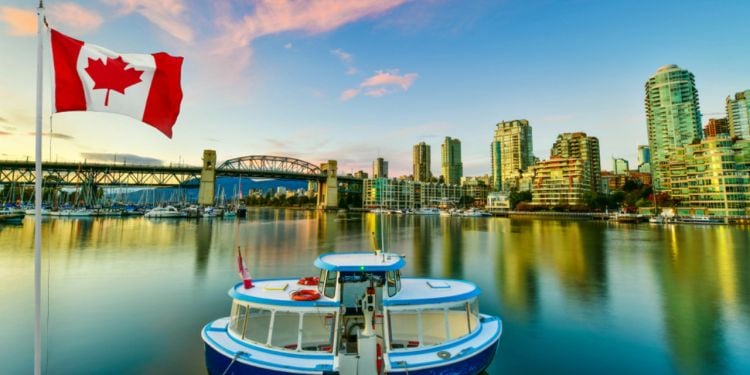
Key facts and figures about Canada
Canada is a vast country resembling a continent composed of a diverse mosaic of cultures. This ...
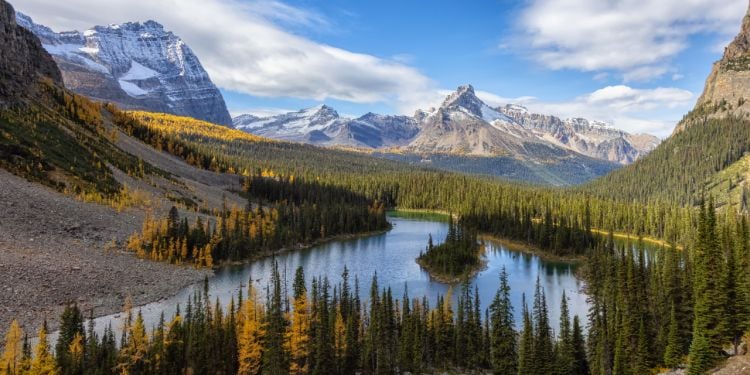
Discover Canada
Discover Canada with this guide. A welcoming land for many expatriates, this vast country ...

Getting around in Canada
The transportation in Canada is a shared responsibility between the federal, provincial, and municipal governments. Once settled in the country, ...
In Brief
Relocating to Canada offers numerous opportunities, whether for career, studies, or quality of life. This vast country appeals through its cultural diversity, spectacular landscapes, and welcoming attitude toward newcomers. Proper preparation is essential for a successful move.
To explore each aspect in depth, check out our detailed sub-guides by city, province, or topic, and benefit from advice from our expat community already living there.
We do our best to provide accurate and up to date information. However, if you have noticed any inaccuracies in this content, please contact us.


News & testimonies
Canada updates Express Entry categories
In a recent press release, Canada announced the creation of new Express Entry categories. The goal is to continue attracting top international talent in an increasingly competitive global market. Here's what you need to know.

Canada cuts temporary immigration by 43%: What's changing in 2026–2028
Canada continues to captivate expatriates, but entering and staying is becoming increasingly difficult. The immigration slowdown is confirmed. The 2026-2028 plan prioritizes long-term economic immigration and curtails temporary immigration to Canada. Temporary expatriate workers and students are directly targeted by this slowdown.

Studying in Canada? Here's what changed for the Post-Graduation Work Permit
On July 4, 2025, the Canadian federal government revised the Classification of Instructional Programs (CIP) codes, which are used to classify post-secondary programs by field of study. Here's what international students need to know.

British Columbia's PNP now prioritizes healthcare professionals
British Columbia is still grappling with a shortage of doctors and nurses. While the province's 2023 compensation plan has successfully brought in 1,001 new family doctors over the past year, about 400,000 residents remain without a family physician. In response, the province announced a cap on Provincial Nominee Program (PNP) applications as of April 14.
Essential services for your expat journey