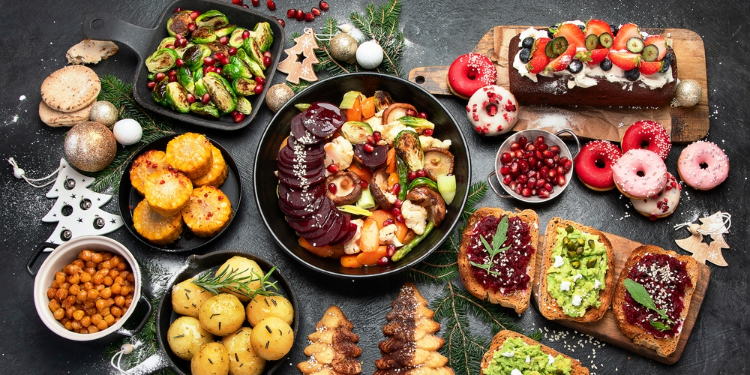
Expat life can be a fantastic adventure, but it often demands extra organization and adaptation, especially during the holiday season. For those on a vegetarian or vegan diet, embracing foreign culinary traditions can be rewarding and challenging. Here are some tips to help you fully enjoy the festive season while living abroad and staying true to your dietary preferences.
Living abroad provides a unique opportunity to explore different flavors and culinary traditions. Dive into the local cuisine and check out the vegetarian and vegan options that might be available. You might be pleasantly surprised by some of the traditional dishes.
Communicate your preferences
Before the celebrations, make sure to communicate your dietary preferences to the hosts or organizers. In most cases, people are understanding and will be happy to prepare dishes adapted to your diet.
Take part in the preparations
Take part in the culinary preparations. This allows you to propose vegetarian or vegan alternatives for specific dishes, showing your commitment to contributing to the festivities.
Organize your own celebrations
If you're unable to find suitable options at local celebrations, consider hosting your own vegetarian or vegan festivities. Invite expatriate friends or colleagues to share a festive meal according to your dietary preferences.
Check out local markets for fresh vegetarian ingredients. This way, you can cook delicious and diet-friendly dishes during the holidays.
Learn a few useful phrases
If you're not fluent in the local language, learn a few key phrases related to your diet. This can make it easier to communicate with chefs or waiters and ensure that your preferences are clearly understood.
Share your recipes
Share your vegetarian or vegan recipes with local friends. This can spark interest and promote a cultural exchange centered around cooking.
Be open to adaptations
Be ready to make adjustments to your diet while still respecting local traditions. You can make a few tweaks to accommodate your choices without losing the essence of the traditional dishes.
Explore local vegetarian/vegan restaurants
Discover vegetarian or vegan restaurants in your expatriate area. Some places might have specially crafted festive menus catering to those following this type of diet.
Introduce your friends and family to vegetarian/vegan cuisine
If you're invited to stay with local friends, bring a vegetarian or vegan dish to share. This way, everyone gets to taste your cooking while celebrating the diversity of flavors.
Vegetarian and vegan ingredients you'll find everywhere
If you're a vegetarian, you're pretty much guaranteed to find the following ingredients in your expat country:
Vegetables: fundamental to a vegetarian diet, they offer a variety of flavors, textures and nutrients.
Fruit: Rich in vitamins, minerals and fiber, fruit adds a sweet, fresh touch to vegetarian meals.
Cereals: whether rice, quinoa, wheat or oats, cereals are an important source of carbohydrates and fiber.
Pulses: beans, lentils, chickpeas and other pulses are essential plant proteins.
Dairy products: For vegetarians, dairy products, milk, cheese, and yogurt are sources of calcium and protein.
Eggs: a source of animal protein often consumed by vegetarians.
If you are vegan :
Vegetables and fruit: they form the basis of a vegan diet.
Wholegrain cereals: quinoa, wheat and other wholegrain cereals are sources of carbohydrates and fiber.
Pulses: essential for vegetable proteins, they offer a variety of textures and flavors.
Soy products: tofu, tempeh and soy milk are popular protein-rich substitutes.
Plant-based milk: alternatives to traditional milk, such as almond, soy or oat milk.
Vegetable oils: olive, coconut and rapeseed oils are used for cooking and seasoning.
Fructose: a natural sweetener often used as an alternative to sugar.
Seeds and nuts: rich in essential fatty acids, protein and fiber.
Seaweed: a source of nutrients, particularly omega-3 fatty acids.
Vegan meat substitutes: plant-based products that mimic the texture and taste of meat, such as vegan sausages, burgers and so on.
After a career in computer science in France, I decided to return to Mauritius, my birthplace, with my husband and two children in 2011. For almost a decade now, I have been working as a freelance web content writer and translator.