

 Guide written by Veedushi Bissessur on 12 August 2026
With 46,003,734 inhabitants (mid-2026 estimate), Argentina is increasingly attracting expats seeking vibrant urban life, dramatic landscapes, and a competitive cost of living. Following the sweeping economic reforms launched in 2024-2025, the country is back on a growth path (+4.4% in 2025) with sharply lower inflation. Buenos Aires remains the cultural capital of South America, while cities like Mendoza, Córdoba, and Bariloche attract a diverse expat community: digital nomads, retirees, corporate professionals, and diplomats.
5 good reasons to relocate to Argentina
- Buenos Aires, Latin America's cultural capital: European architecture, gastronomy, tango, world-class nightlife.
- Cost of living 40 to 60% lower than major Western cities (27.8% cheaper than Berlin excluding rent in 2026).
- Digital Nomad Visa in place since 2022, up to 1 year stay for around USD 200.
- Fast track to permanent residency (2 years) and citizenship (2-5 years), with dual nationality accepted.
- Outstanding natural diversity: Patagonia, glaciers, Andes, Iguazú Falls, Mendoza vineyards, Tierra del Fuego.
Your setup journey
Guide in 14 steps. Click any step below to jump directly to the section you need.
01Where to live in Argentina: Best cities for expats
Argentina offers a wide range of lifestyles, from the vast porteño metropolis to Andean foothills and Patagonian glacial shores. Choosing your base depends on your profile - working professional, retiree, family, or nomad - and your priorities: infrastructure, climate, expat community, and cost of living.
Buenos Aires (CABA)
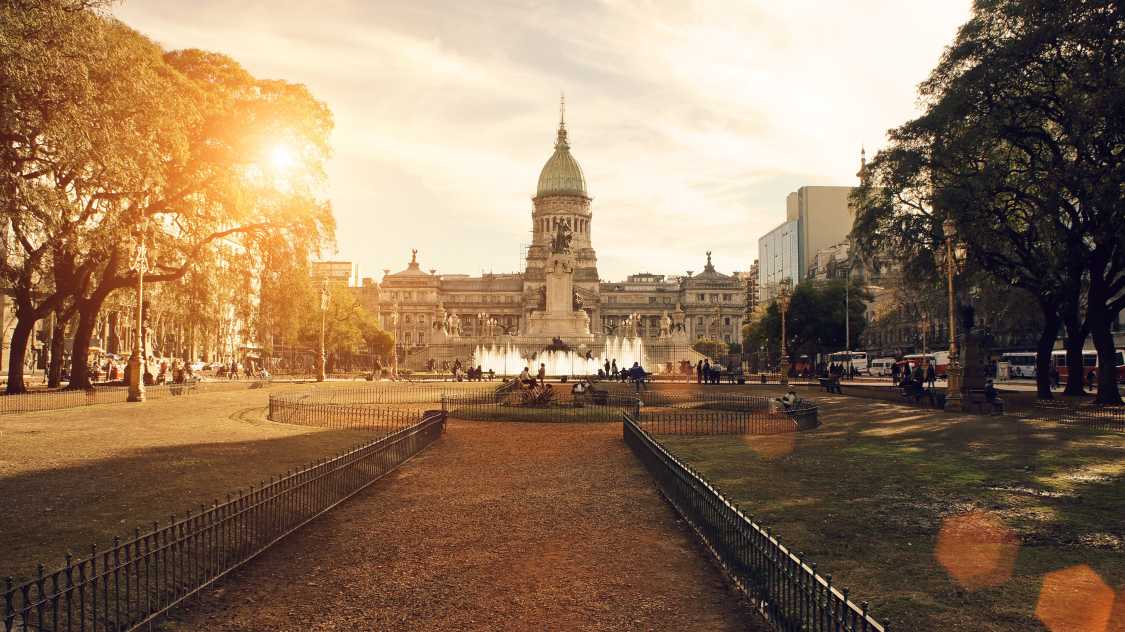
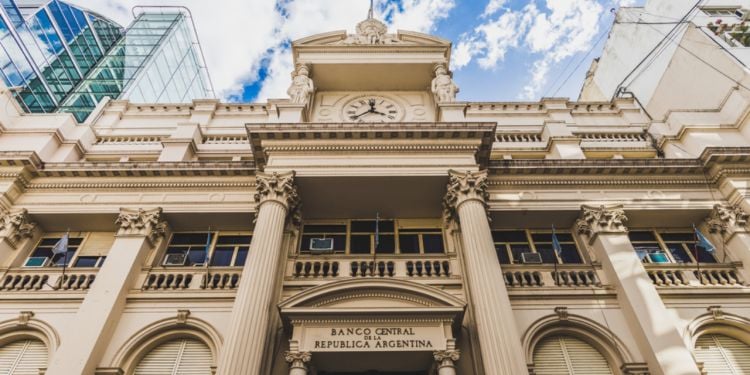
With 3.12 million inhabitants within the city limits and 14 to 16 million in Greater Buenos Aires, the capital concentrates most professional opportunities, international schools (32 in total), and cultural life. The average 1-bedroom rent is USD 685 according to Numbeo, but can reach USD 800 to 1,300 furnished in Palermo. Infrastructure is well-developed: Subte (6 lines A through H), Colectivos, suburban trains, two airports (Ezeiza EZE international and Aeroparque AEP domestic), one of the best internet connections in Latin America, and plenty of coworking spaces (Areatres, WeWork, Spaces). The expat profile varies by neighborhood: corporate in Belgrano, Recoleta, and Puerto Madero; nomads in Palermo and Villa Crespo; families in the northern suburbs (San Isidro, Vicente López, Olivos).
Mendoza
Home to about 1.1 million people, Mendoza is the world capital of Malbec and enjoys 300 days of sunshine per year. 1-bedroom rents range from USD 400 to 700/month, 30 to 40% cheaper than Buenos Aires. The city attracts winegrowers, retirees, outdoor enthusiasts (skiing at Las Leñas, hiking Aconcagua, vineyard cycling), and expats seeking a nature-oriented lifestyle. The Gov. Francisco Gabrielli airport (MDZ) connects to Buenos Aires in 1h45. Coworking spaces are growing rapidly, with decent internet. No international school of Lincoln's caliber, but several quality bilingual local schools.
Córdoba
Argentina's second-largest city with 1.6 million inhabitants, Córdoba is a major university and industrial hub, with a growing tech sector hosting Mercado Libre, Globant, Fiat, and Renault. 1-bedroom rents range from USD 350 to 600/month, 25 to 35% cheaper than Buenos Aires. Nightlife is vibrant (cumbia, folklore), culture is strong, but the expat community is smaller and international school options more limited. The Córdoba airport (COR) and a solid transport network ease daily life.
Bariloche
This Patagonian tourist town (~160,000 inhabitants), nicknamed the "Switzerland of South America" on the shores of Lake Nahuel Huapi, attracts retirees, outdoor athletes, and nature-loving nomads. Cerro Catedral is the largest ski resort in South America. 1-bedroom rents range from USD 350 to 700/month depending on season. The Bariloche airport (BRC) offers 2-hour flights to Buenos Aires. Internet is less developed than in big cities. Small but tight-knit expat community.
Salta
Salta (~660,000 inhabitants metro area) charms with its colonial heritage, regional cuisine (empanadas salteñas), and high-altitude wines from Cafayate. Rents are among the most affordable in the country: USD 250 to 450/month. As the gateway to northwest Argentina and the Quebrada de Humahuaca (UNESCO), it draws retirees and adventurers. The expat community is small but quality of life is highly rated.
Explore our city guides
02Visas and immigration: Everything you need to settle legally
Settling in Argentina starts with understanding your immigration options. The country has significantly overhauled its framework since 2025, with the new Agencia Nacional de Migraciones and Decreto 366/2025. Whether you are a tourist, digital nomad, retiree, or relocating with family, several pathways exist.
Visa-free entry and tourist extension
Citizens of the EU, US, Canada, UK, Australia, and most Western countries enter Argentina visa-free for 90 days. This period can be extended once for an additional 90 days (prórroga de turismo), totaling 180 days per stay. A common workaround is a quick border run to Colonia (Uruguay) to reset the clock, although this practice is now under closer scrutiny since 2025.
Digital Nomad Visa (TIE-24H)
Introduced in 2022 and formalized through Decreto 366/2025, this visa is designed for remote workers employed exclusively by foreign companies or clients. It grants transitory residence (non-immigrant) for 180 days, renewable once, up to one year total. No official minimum income is published, although specialized sources suggest around USD 2,500/month is realistic. International health insurance with minimum USD 20,000 coverage is now mandatory, along with a clean criminal record (apostilled and translated into Spanish). Total fees are around USD 200. Important caveat: this visa does not directly lead to permanent residency and does not grant a DNI, which complicates housing and banking.
Visa Rentista and other temporary residences
The Visa Rentista is highly popular among retirees and rentiers: it requires passive foreign income of at least USD 1,390/month (rents, dividends, pensions) and leads to permanent residency after 2 years of continuous stay. Temporary residency can also be obtained through an Argentine work contract, family status (spouse of an Argentine), or enrollment at a recognized university. Processing through the Dirección Nacional de Migraciones takes 3 to 5 months and results in a Precaria followed by a temporary DNI.
Permanent residency and citizenship
After 2 years of continuous temporary residence, you can apply for permanent residency, which comes with a DNI without expiration date. Argentine citizenship, one of the most accessible in the world, is granted after 2 years of legal residence. Dual nationality is accepted. Children born on Argentine soil are automatically citizens (jus soli), opening permanent residency to their parents. The 2025 decree aimed at tightening this rule was declared unconstitutional on August 27, 2025.
Essential documents
The DNI (Documento Nacional de Identidad) is essential for renting, opening a bank account, using MercadoPago, and accessing healthcare. The CDI/CUIL/CUIT are tax identification numbers issued by ARCA. Registration with the RaDEX platform is mandatory. All foreign documents must be apostilled and translated into Spanish by a sworn translator.
Argentina has signed bilateral tax and social security agreements with several major economies, easing pension portability and avoiding double taxation for many expats. US citizens should also note that there is currently no tax treaty between Argentina and the United States, although foreign tax credits remain available.




03Working and doing business in Argentina
Argentina's labor market has rebounded strongly in 2025-2026 after years of difficulty. For expats, the main challenge remains the gap between peso-denominated salaries (eroded by inflation) and a cost of living partially indexed to the dollar. The best-paid profiles are specialized technicians, bilingual managers, and freelancers serving foreign clients.
Labor market and wage conditions
The unemployment rate has dropped to 7.2% (INDEC, 2025), driven by economic recovery. Informality remains high however (35-40% of jobs). The minimum wage (SMVM) is updated monthly, reaching ARS 352,400/month (~USD 320) in March 2026. The average formal private sector wage stands at around ARS 850,000/month (~USD 770), with significant variation by industry. The legal workweek is 48 hours, and the 13th-month bonus (Aguinaldo) is mandatory, paid in two installments (June and December).
The table below shows indicative salaries by major sector identified for 2026. These ranges concern formal positions in urban centers, primarily Buenos Aires.
Sector | Monthly gross salary | USD equivalent |
SMVM (March 2026) | ARS 352,400 | ~USD 320 |
Average private sector wage | ARS 850,000 | ~USD 770 |
Tech / IT | ARS 2,000,000 – 5,000,000 | USD 1,800 – 4,500 |
Finance | ARS 1,500,000 – 4,000,000 | USD 1,350 – 3,600 |
Sources: Wage.is, RemotePeople, Trading Economics.
Sectors with strong demand
Several sectors offer real opportunities: energy with the Vaca Muerta shale boom (gas and oil), lithium mining in the Salta-Jujuy-San Juan triangle, agribusiness (soy, wheat, vineyards), technology (Buenos Aires hosts Mercado Libre, Globant, OLX), fintech, tourism in full recovery, and English language teaching. Time zones compatible with both the US and Europe make Argentina an attractive hub for international startups.
Social security contributions
Employee contributions amount to 17% of gross salary (pension SUSS/ANSES 11%, healthcare PAMI 3%, social services 3%). Employer charges total 26 to 30%. Argentina has signed social security totalization agreements with several countries (including Spain, Italy, France, and the MERCOSUR bloc), allowing expats to combine pension rights across jurisdictions.
Starting a business
The SAS (Sociedad por Acciones Simplificada), introduced in 2017, allows you to set up a company in 3 to 5 days through an online portal, with minimal capital and a single shareholder permitted. Traditional structures remain the SRL and SA. Registration takes place with the Inspección General de Justicia (IGJ) in Buenos Aires. The lifting of the cepo cambiario (currency controls) in April 2025 has dramatically simplified inbound and outbound fund transfers, a major shift for foreign investors.




04Finding a place to live in Buenos Aires and beyond
Finding accommodation in Argentina requires understanding local conventions, especially in Buenos Aires where most expats settle. The repeal of DNU 70/2023 in 2024-2025 liberalized the rental market, increasing supply and flexibility but also pushing up USD-denominated rents in popular neighborhoods.
Property types and key terms
The apartment dominates in Buenos Aires: a monoambiente is a studio, 2 ambientes is a 1-bedroom, and 3 ambientes is a 2-bedroom. PHs (Planta Baja o Alta) are duplexes or ground-floor units with a terrace, popular with families. Casas and chalets are mainly available in the northern suburbs (Olivos, San Isidro, Vicente López, Tigre). The expat market mostly operates in furnished rentals, with rents quoted in USD in Palermo, Recoleta, Belgrano, and Puerto Madero. Watch out for expensas (building service fees), often not included, which add USD 100 to 300/month.
Expat neighborhoods in Buenos Aires
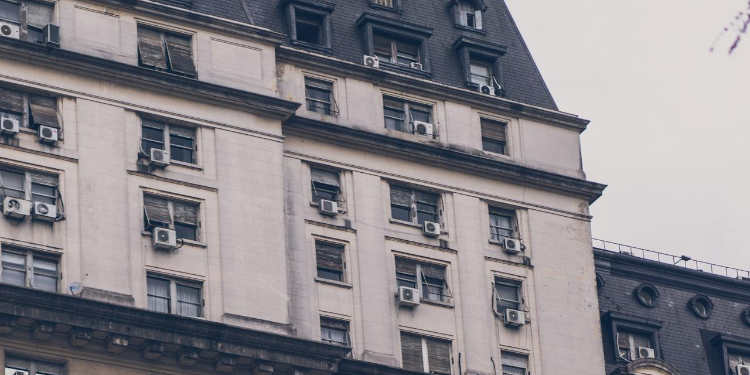
Palermo remains the top expat district, with sub-neighborhoods Soho, Hollywood, and Chico - restaurants, cafés, coworking spaces, and nightlife. Furnished 2026 rents: USD 500 to 800 for a studio, USD 800 to 1,300 for a 1-bedroom. Recoleta, more elegant with European-style architecture, attracts retirees and families; rents are similar to Palermo, slightly cheaper. Belgrano is residential, quiet, and close to international schools (Lincoln, Northlands); 1-bedroom rents: USD 600 to 1,000. Puerto Madero, the most luxurious, posts rents from USD 1,200 to 3,500 for high-end apartments with 24h security. San Telmo appeals to artists and tighter budgets, while Villa Crespo and Chacarita are emerging as alternatives 20-30% cheaper than Palermo.
For families seeking houses with gardens, the northern suburbs (San Isidro, Vicente López, Olivos) offer 3-bedroom homes for USD 1,500 to 3,000/month, near the major international schools.
Procedures and platforms
Foreigners without a DNI can legally rent but often need to provide an Argentine guarantor or pay 2 to 3 months' rent upfront. Obtaining a CDI from ARCA facilitates lease formalization. The leading platforms are ZonaProp, Argenprop, and Mercado Libre Inmuebles. For initial months, Airbnb or expat Facebook groups offer flexible options. Property purchase is unrestricted for foreigners, but engaging a bilingual lawyer to verify title deeds is strongly recommended.
Join the discussion on the forum
05Cost of living in Argentina
Argentina is no longer as inexpensive as it was during the "cepo cambiario" era (2019-2022), when parallel exchange rates made everything dirt-cheap for foreign earners. Since the currency liberalization of April 2025 and peso stabilization under the Milei administration, prices have normalized. Buenos Aires nevertheless remains 40 to 60% cheaper than major Western cities for most categories - comparable to mid-sized European cities for overall cost, but significantly cheaper on dining and leisure. Inflation dropped to about 31.5% annually at end-2025, down sharply from 118% a year earlier, but it remains a factor to watch.
Single person budget
According to Numbeo and Nomads.com (March 2026), a single person can live comfortably in Buenos Aires on USD 1,000 to 2,500/month depending on neighborhood and lifestyle. The table below details main cost categories for an expat in a typical Palermo or Belgrano area.
Furnished 1-bedroom Palermo | USD 800 – 1,300 |
Furnished 1-bedroom Belgrano | USD 600 – 1,000 |
Expensas (building fees) | USD 100 – 250 |
Groceries and food | USD 200 – 350 |
Utilities (water, electricity, gas) | USD 50 – 100 |
High-speed internet | USD 25 – 40 |
Public transport (SUBE) | USD 15 – 25 |
Prepaga health insurance | USD 100 – 300 |
Leisure (dining, sports, nightlife) | USD 300 – 600 |
Estimated total | USD 1,500 – 2,500/month |
Family of four budget
For a family of four in an expat neighborhood, the monthly budget varies sharply depending on schooling choice (public, bilingual, or premium international). The table below shows estimates excluding international school fees for a comfortable lifestyle.
3-bedroom rental in expat area | USD 1,800 – 3,000 |
Groceries | USD 500 – 800 |
Transport | USD 200 – 400 |
Family health insurance | USD 300 – 600 |
Leisure and miscellaneous | USD 300 – 600 |
Total excluding schooling | USD 3,000 – 5,000/month |
With 2 kids in international school | USD 5,100 – 10,400/month |
For reference, a meal at an inexpensive restaurant costs USD 8 to 15, a parrilla dinner for two with wine USD 50 to 100, and a coffee with medialuna USD 3 to 5. Payments increasingly run through QR systems (MercadoPago, Modo) - expect a 5 to 15% surcharge when using foreign cards.
Sources: WanderWallet, Nomads.com, Numbeo (March 2026).
Join the discussion on the forum
06Healthcare in Argentina
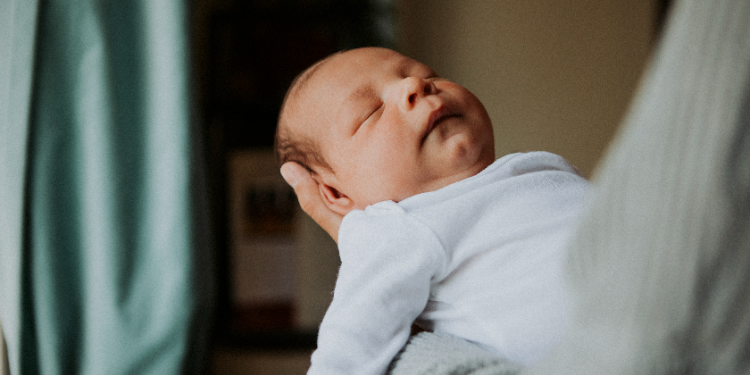
Argentina has a well-regarded three-tier healthcare system, with both public and private hospitals delivering high-quality care in major cities. Expats often find a level of medical service comparable to what is available in the US, UK, or Australia, at a fraction of the cost. Major changes introduced in 2025 now require valid health insurance to enter the country.
Healthcare structure
The system has three pillars. The Sector Público offers free care for everyone, residents and visitors alike; emergencies remain free under all circumstances. The Obras Sociales, union-based mutuals, are mandatory for formal employees and cover the worker and family members. Finally, Prepagas are private insurance plans giving access to top-tier private facilities. The emergency line is 107 (SAME) in Buenos Aires or 911 nationwide.
Mandatory insurance
Since July 1, 2025, Decreto 366/2025 requires all foreign visitors and non-residents to present valid health insurance with minimum USD 20,000 coverage to enter Argentina and access non-emergency care in public hospitals. Life-threatening emergencies remain free for all. This represents a break from Argentina's tradition of universal free access.
Insurance options and costs
The leading Prepagas are OSDE (widely considered the best for network breadth), Swiss Medical, Galeno, Medicus, and Hospital Alemán Prepaga. Expect USD 100 to 400/month depending on age and coverage tier, accessible only with a DNI or Precaria. For digital nomads and newcomers without a DNI, international policies such as SafetyWing (~USD 45/month), Cigna Global, Allianz Care, or Bupa Global are recommended.
A private GP consultation costs USD 50 to 80, a specialist visit USD 80 to 150, and a private hospital room USD 300 to 600 per day - significantly lower than US prices for comparable quality.
Top hospitals in Buenos Aires
Three private institutions stand out for expats. Hospital Alemán (Av. Pueyrredón 1640, CABA) is the most reputable, with German- and English-speaking doctors and full specialty coverage. Hospital Británico (Perdriel 74) traditionally serves the British community and offers excellent emergency and surgical services. Hospital Italiano (Gascón 450) is the largest private hospital in the country, with cutting-edge equipment and many international expat patients. In other provinces, notable options include Clínica Reina Fabiola in Córdoba and Clínica Francesa in Mendoza.

07Argentine taxation: What every expat needs to know
Argentina's tax system underwent a major overhaul in 2024-2025. The former AFIP was replaced by ARCA (Agencia de Recaudación y Control Aduanero), with several simplifications still rolling out. For expats, understanding tax residency rules and double taxation treaties is critical to avoid surprises.
Tax residency and filing
You are considered a tax resident in Argentina if you stay more than 12 consecutive months in the country, obtain permanent residency, or establish your permanent home there. The often-cited 183-day threshold is not the legal criterion in Argentina, which formally requires 12 months. Tax residents are taxed on their worldwide income, while non-residents are only taxed on Argentine-sourced income. The fiscal year runs from January 1 to December 31, with returns due by June 30 of the following year.
Personal income tax (Ganancias)
The progressive scale has 9 brackets, ranging from 5% to 35% of taxable annual income. The top 35% rate applies above approximately ARS 53,153,257/year (FY2025). For non-residents, taxation is flat: 35% on Argentine-sourced income, or an effective 24.5% for temporary workers staying less than 6 months.
VAT (IVA) and corporate tax
The standard VAT rate is 21%, with a reduced 10.5% rate (meat, grains, certain medical services) and an elevated 27% rate for utilities (gas, water, electricity, telephony). The corporate income tax is 35%, with potential reductions in special economic zones.
Wealth tax (Bienes Personales)
Residents are taxed on their worldwide net worth at progressive rates of 0.5% to 1.5%. Non-residents only pay on Argentina-located assets (0.5%). The REIBP regime, introduced in 2024, allows a one-time advance payment at a preferential rate (0.45-0.5%) with exemption until 2027 — popular for its predictability.
Other notable taxes
Several specific levies apply: the bank debit/credit tax (0.6%), provincial Ingresos Brutos (IIBB) (3-5% on freelancer turnover), real estate capital gains tax at 15%, stamp duty (Sello) of 1 to 1.5% depending on the province, and a property transfer tax of 1.5%. The PAIS tax (30% on foreign currency purchases) is being phased out under the Milei administration.
Double taxation treaties
Argentina has signed double taxation treaties (DTTs) with major economies including the UK, Australia, Canada, Germany, Spain, Italy, France, Switzerland, the Netherlands, and the UAE. Notably, there is no DTT with the United States, although foreign tax credits remain available — relevant for US citizens given FATCA reporting obligations. Argentina ratified the OECD Multilateral Convention (MLI) via Law 27,788 in May 2025, which automatically updates existing treaties without bilateral renegotiation. For expats with complex assets or income across multiple jurisdictions, a bilingual tax advisor is strongly recommended.
Sources: PwC Tax Summaries Argentina, PwC Argentina DTTs.
Discover more

Join the discussion on the forum
08Retiring in Argentina
Argentina may not be a traditional retirement destination for Europeans, yet it is increasingly attracting retirees drawn by its affordable cost of living, pleasant climate (especially in the northwest and Mendoza), and its culturally rich atmosphere with European influences. The majority of foreign retirees are either former expatriates who have worked in the country or individuals with comfortable pensions in strong currencies, ensuring their excellent purchasing power.
3 major advantages
- Affordable cost of living: with a pension in euros, purchasing power is significantly higher than in France.
- Quality of life and cultural richness: vibrant social life, gastronomy, tango, and climate variations across regions.
- Accessible rentista visa: Argentina offers a specific visa for retirees who can prove a regular income.
🔔 Key points
- The legal retirement age in Argentina is 65 years for men and 60 years for women.
- The rentista visa requires proof of a stable monthly income of at least 2,000,000 ARS (approximately €2,000), an amount which may fluctuate with inflation.
- Economic instability and high inflation can quickly affect the cost of living: it’s advisable to prioritize income in euros or other strong currencies.
- To live comfortably in Buenos Aires, with good accommodation, outings, leisure activities, and a few trips, expect a monthly budget between 1,800,000 and 2,800,000 ARS (approximately €1,800 to €2,800), depending on the level of comfort you seek.
Discover more

09Studying in Argentina
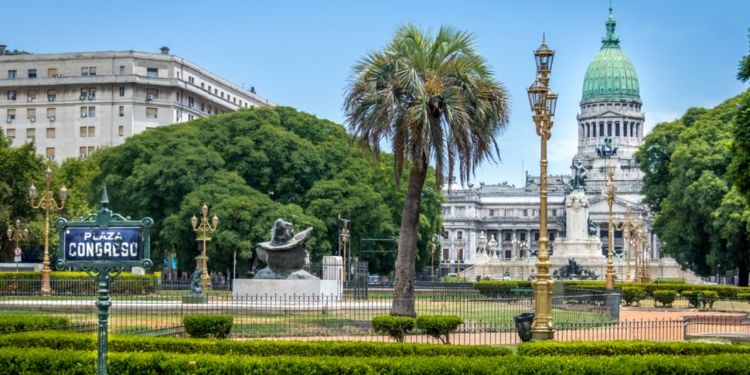
Argentina attracts many international students thanks to its tuition-free public universities and vibrant student life. The country boasts over 130 universities, with about fifty being public institutions. Among the most renowned are the University of Buenos Aires (UBA), the National University of Córdoba, the National University of La Plata, and the Torcuato Di Tella University (private).
Why study in Argentina?
Argentinian public universities offer tuition-free education for the first cycle, even for international students, making it a significant advantage for prospective expatriates. Programs cover a wide array of fields, with a particularly strong reputation in medicine, law, social sciences, and the arts. The student life is very dynamic, especially in Buenos Aires and Córdoba, and the cost of living is generally more affordable than in Europe. Courses are taught in Spanish, providing a complete language immersion experience. Private universities offer quality programs, with annual fees ranging from approximately 8,000,000 to 9,000,000 ARS (about €8,500 to €9,500) depending on the institution and the program.
💡 Our tips
- Plan for your enrollment: the recognition of your foreign degrees through the Ministry of Education can take time.
- A minimum B2 level in Spanish is often required; some universities offer preparatory courses.
- Budget for housing: university accommodations are limited, and shared housing is often preferred.
- Check the equivalence of your degrees to facilitate returning to France or enrolling in other countries.
Discover more
10Education in Argentina: Public, international, and bilingual schools
Argentine education enjoys an excellent reputation across Latin America, with a 99% literacy rate and a free, secular public system. Expat families typically opt for international or bilingual schools, especially in Buenos Aires, which hosts 32 of them. The Southern Hemisphere school calendar (March to December) is a key factor for families relocating from the Northern Hemisphere.
Local education system
Public education is free and compulsory, from Nivel Inicial (kindergarten) through the end of Secundario. The school year runs March to December, with summer holidays in January-February. Argentine diplomas (Bachillerato) are widely recognized abroad. The only school operating on the Northern Hemisphere calendar (August-June) in Buenos Aires is Lincoln School.
International and bilingual schools
For expat families, several international schools offer top-tier curricula:
- Asociación Escuelas Lincoln: the only authentically American school, Northern Hemisphere calendar, US curriculum + IB. Tuition: ~USD 6,470 to 19,890/year.
- Northlands School (Olivos): Spanish-English bilingual, IB World School, ranked among the best in the country. Tuition: USD 20,000 to 32,000/year.
- St George's College (North and Quilmes): British curriculum, the first school to offer the IB in Argentina.
- St Andrew's Scots School (Olivos): Scottish heritage, bilingual, IGCSE and IB.
- Goethe-Schule: historic German school (1897), trilingual, more affordable.
- Belgrano Day School and St John's College (San Isidro): other reputable bilingual options.
- BAICA (Buenos Aires International Christian Academy): US curriculum + Argentine, Northern Hemisphere calendar option.
Tuition and budget
Fees vary considerably: budget on USD 5,000 to 8,000/year for entry-level bilingual schools, USD 10,000 to 16,000/year for mid-range options, and USD 18,000 to 32,000/year for premium schools (Northlands, St George's, Lincoln). Add to this enrollment fees (USD 500 to 2,000), EAL support for non-Spanish speakers (USD 2,000 to 5,000/year), and exam fees for IB or IGCSE (USD 1,200 to 3,500/session). Total annual budget for two children in a premium international school can reach USD 25,000 to 65,000.
Universities
The Universidad de Buenos Aires (UBA), ranked among the top 5 in Latin America, is free for everyone, including foreign students, from undergraduate to master's level — an exceptional benefit rarely matched globally. Private universities such as Universidad Torcuato Di Tella (USD 4,000 to 8,000/year), Universidad Austral, and ITBA deliver world-class programs, particularly in economics, engineering, and social sciences.
Discover more

11Preparing your move to Argentina: Essential checklist
Relocating to Argentina requires careful preparation, especially given the immigration changes introduced in 2025. Good upfront planning will save you significant hassle on arrival. Here are the essential steps to anticipate before and during your first weeks.
- Choose and obtain the right visa before departure: Digital Nomad Visa, Visa Rentista, work, or family. Application can be made at the Argentine consulate in your country or online via RaDEX.
- Apostille and translate all official documents (birth certificate, criminal record, diplomas, marriage certificate) through a sworn Spanish translator - usually 2 to 4 weeks lead time.
- Take out international health insurance with minimum USD 20,000 coverage: mandatory at entry since July 2025. Include repatriation coverage.
- Book temporary accommodation for the first 1 to 3 months (Airbnb, hotel, sublet) while you find a formal lease.
- Prepare a foreign currency budget (USD or EUR): plan for USD 5,000 to 10,000 in reserves for the first months (deposits, initial rents, admin fees, equipment).
- Register with your home country's consulate in Buenos Aires upon arrival — useful for administrative procedures and emergency contact.
- Obtain a CDI from ARCA in your first weeks: essential for leases, opening a bank account, and using MercadoPago.
- Register on RaDEX and book an appointment with the Dirección Nacional de Migraciones for your Precaria and DNI.
- Subscribe to a Prepaga once you have your DNI: OSDE, Swiss Medical, or Galeno depending on your preferences.
- Import personal belongings: customs exemption is generally available for first-time settlers — confirm with your consulate or international mover.
- Driving license: your international permit is valid for 90 days; plan to convert to an Argentine license for longer stays.
- SUBE card: indispensable for public transport in Buenos Aires (subte, buses, trains), available at kiosks.
- Recommended vaccinations: hepatitis A, typhoid, yellow fever (for tropical areas in the north), and antimalarial prophylaxis if travelling to Misiones or tropical zones.
Tap water is safe to drink in Buenos Aires and most major cities. Safety in expat neighborhoods is reasonable, but standard precautions apply (bags, phones, late-night travel).
Discover more

12Everyday life in Argentina
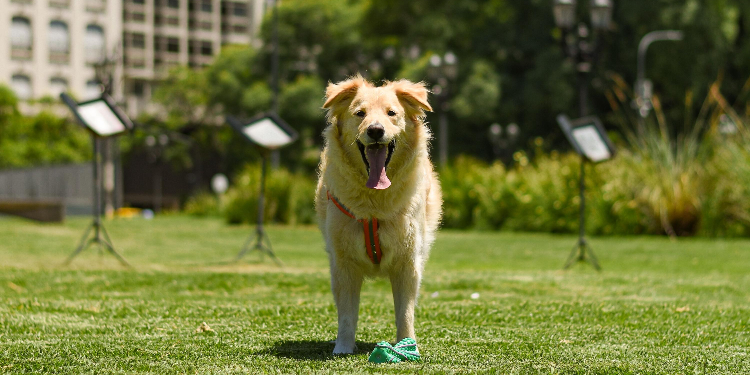
Living in Argentina means embracing a laid-back and friendly lifestyle, defined by a strong sociability. Argentinians are warm, direct, and place a high value on family and friendships. The work environment is generally balanced, with standard office hours (9 AM - 6 PM) but longer lunch breaks compared to Europe. Relocating with family is common and made easier by a living environment suited for children, featuring plenty of parks, outdoor activities, and a strong family culture.
Important notes
- Safety varies by neighborhood: Buenos Aires requires heightened vigilance (pickpockets, bag snatching), but residential areas are generally safe. Just avoid displaying valuables or cash.
- Daily schedules are quite different: lunch typically takes place between 1:30 PM and 3 PM, dinner rarely happens before 9:30 PM - 10 PM, and weekend outings often start after midnight. The approach to time is more relaxed than in Europe: a meeting scheduled at 7 PM might actually start at 7:30 PM or 8 PM without raising eyebrows. This more laid-back lifestyle is often referred to as “después.”
- Driving in Argentina requires an international license or the conversion of your license. The traffic laws are sometimes enforced loosely, and having a car is essential outside Buenos Aires.
- In Buenos Aires, getting around is easy thanks to the metro (Subte), buses (colectivos), and taxis. Elsewhere, people mostly travel by car or intercity bus.
- Internet and mobile phone services are reliable in major cities, but more irregular in rural or mountainous areas. Plans start at 3,000 ARS/month (approximately €3) for mobile and 15,000 ARS/month (approximately €15) for fixed internet.
- Most communication takes place through WhatsApp, which is used for both personal and professional exchanges.
- The asado (Argentinian barbecue) on Sundays is a social institution, a cherished occasion spent with family or friends.







13Leisure in Argentina
Argentina is an endless playground for lovers of culture, nature, and gastronomy. Buenos Aires hosts one of Latin America's most dynamic arts scenes, while the regions offer dramatic landscapes and rare geographical diversity. Late-night, warm social life will appeal to expats open to a different rhythm.
Culture and urban life in Buenos Aires
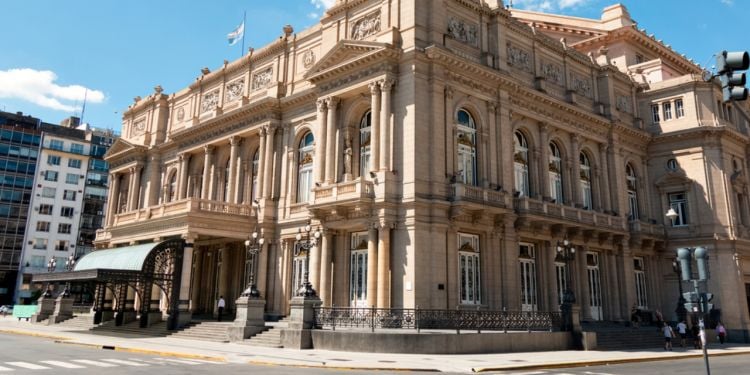
Tango remains the soul of Buenos Aires: it is danced in milongas across the city (El Viejo Almacén, Café de los Angelitos, La Viruta), and the Buenos Aires Tango Festival in August features mostly free shows throughout the capital. Teatro Colón, one of the world's grandest opera houses, offers world-class lyrical and symphonic programming at accessible prices. MALBA (Museo de Arte Latinoamericano de Buenos Aires) in Palermo and the Museo Nacional de Bellas Artes (free admission) are must-visits. The Recoleta Cemetery, where Eva Perón is buried, and the colorful La Boca / Caminito neighborhood, birthplace of tango, complete the essential city tour. The Sunday flea market in San Telmo draws collectors and strollers alike.
Nature and adventure
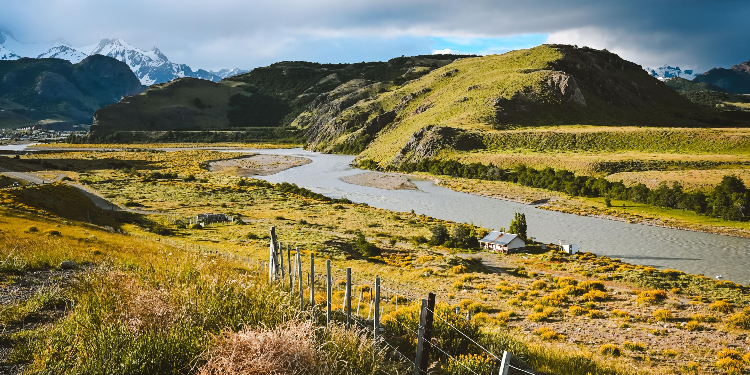
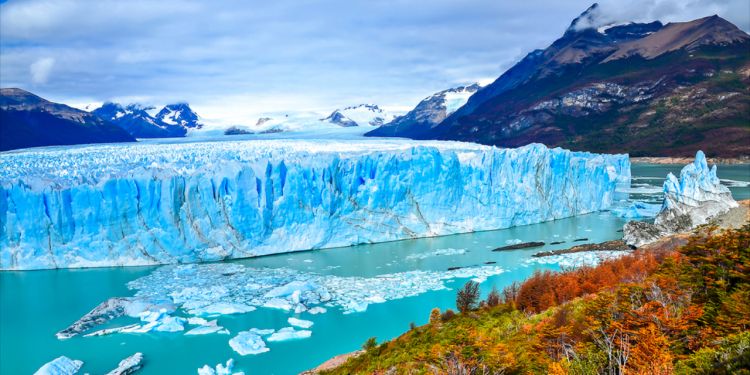
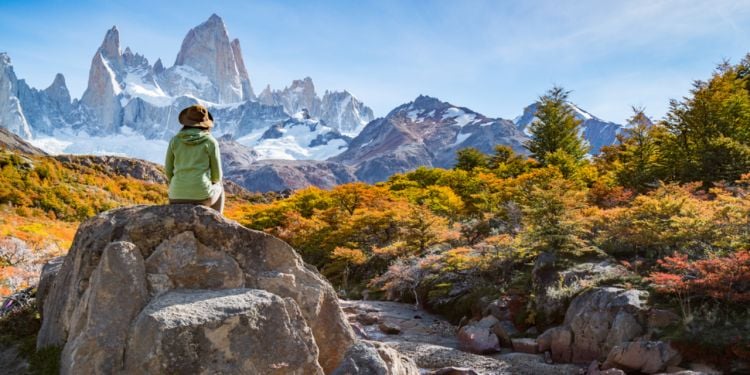
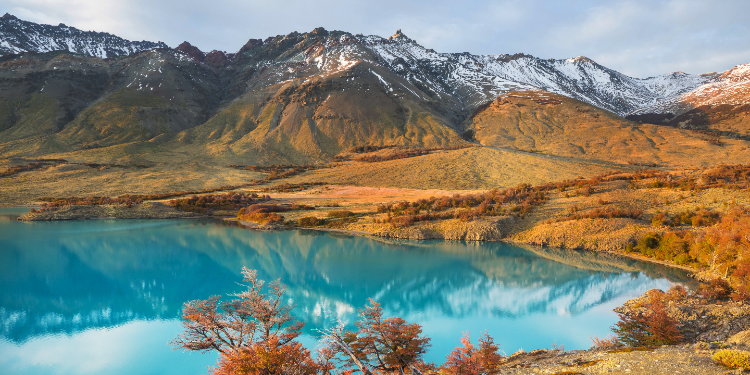
Beyond Buenos Aires, Argentina unfolds extraordinary natural diversity. Patagonia, accessible from September to April, offers Bariloche (Lake Nahuel Huapi, Cerro Catedral for winter skiing), El Calafate with its UNESCO-listed Perito Moreno Glacier, El Chaltén (Argentina's trekking capital, Mount Fitz Roy), and Ushuaia, the world's southernmost city and gateway for Antarctic cruises. Mendoza is the world capital of Malbec with its wine route (Luján de Cuyo, Valle de Uco) and Aconcagua (6,961 m), the highest peak in the Americas. The Iguazú Falls (Misiones, UNESCO) rank among the world's most awe-inspiring, with 275 cascades over 2.7 km.
The northwest (Salta, Jujuy) charms with its colorful gorges (Quebrada de Humahuaca, UNESCO) and high-altitude vineyards of Cafayate (Torrontés). The Valdés Peninsula (Chubut), UNESCO-listed, allows whale watching from July to November, alongside penguins, elephant seals, and orcas.
Gastronomy and lifestyle
Asado (barbecue) is a national institution, and parrillas serve outstanding beef (Black Angus, Hereford). Malbec from Mendoza and Torrontés from Salta rank among the best wines in Latin America. Empanadas, facturas, dulce de leche, and ice cream (helado) are staples. A steak dinner with Malbec at a top restaurant such as Don Julio, La Cabrera, or Parrilla Peña costs USD 35 to 60 per person. Football, the national religion centered on Boca Juniors and River Plate, shapes social life - particularly during the legendary Superclásico derby.
Discover more

14In Short: Why Argentina in 2026
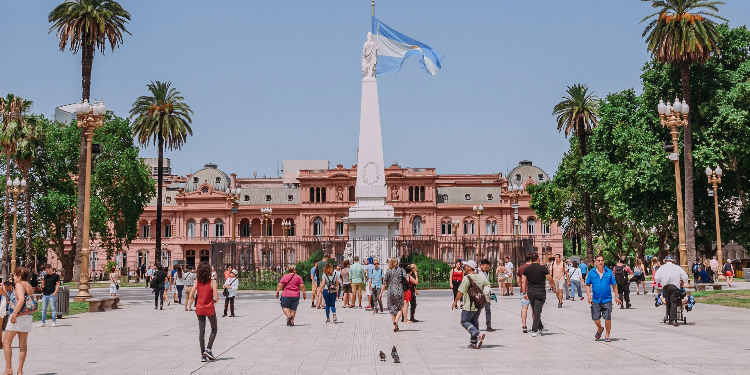
Argentina has changed considerably in 2026: currency liberalization, inflation under control, growth restored, and a renewed migration framework. For expats, the country offers a competitive cost of living, exceptional cultural depth, and one of the world's fastest paths to permanent residency and citizenship. Whether you dream of tango in Buenos Aires, Mendoza vineyards, or Patagonian glaciers, the Argentine experience is best lived through careful preparation - visa, taxes, healthcare, and housing. The expat community, particularly active in Buenos Aires, is a major asset for settling in and making the most of this unique destination, where European heritage meets South American energy and a rapidly modernizing economy.
Join the Argentina community
Get regular tips and advice to make the most of your expat life
Essential services for your expat journey







Forum topics on living in Argentina
Discover forums topics on expat life in Argentina: join the conversation, ask your questions, get advice and share your experience.
- Recommendations for law firms specializing in immigration
- Finding Burmese(Myanmar) connections in Argentina
- Wish I had found Expat.com sooner! Mar del Plata?
- Are u considering moving to Patagonia, or just traveling for a while?
- Argentina and Paraguay residency at the same time
- How to go about getting admitted by Argentinian universites?
- Advice looking to move to Mendoza
- Safe city to move with a family
- What is it like to live live in San Martin de Los Andes?
- Is it worth shipping a used car to Argentina?
- I am debating between Buenos Aires and Rosario
- Temporary residence visa, Argentina
- Best way to send money to Argentina
- Any other expats in or around Bariloche?
- Vaccines required in Argentina
- Looking for long lost family - family name HALAJ