

 Guide updated by Veedushi Bissessur on 02 December 2025
Whether you’re relocating to Scotland for career growth, study, or a new way of life, this heritage-rich nation provides a dynamic and welcoming environment for newcomers. From vibrant cities like Edinburgh and Glasgow to the stunning Highlands, Scotland offers a high quality of life with strong public services, excellent education, and great transport links, and it’s often more affordable than many other parts of the UK.
Five compelling reasons to live in Scotland
Growing economy and job prospects: Key sectors like tech, renewable energy, tourism, and finance are thriving.
Quality education: Scotland is home to world-renowned universities, and all children of compulsory school age are eligible for free education at public schools.
Healthcare access: Residents benefit from publicly funded healthcare, which covers most essential services.
Multicultural community: Over half a million people in Scotland were born outside the UK, making for a diverse and inclusive society.
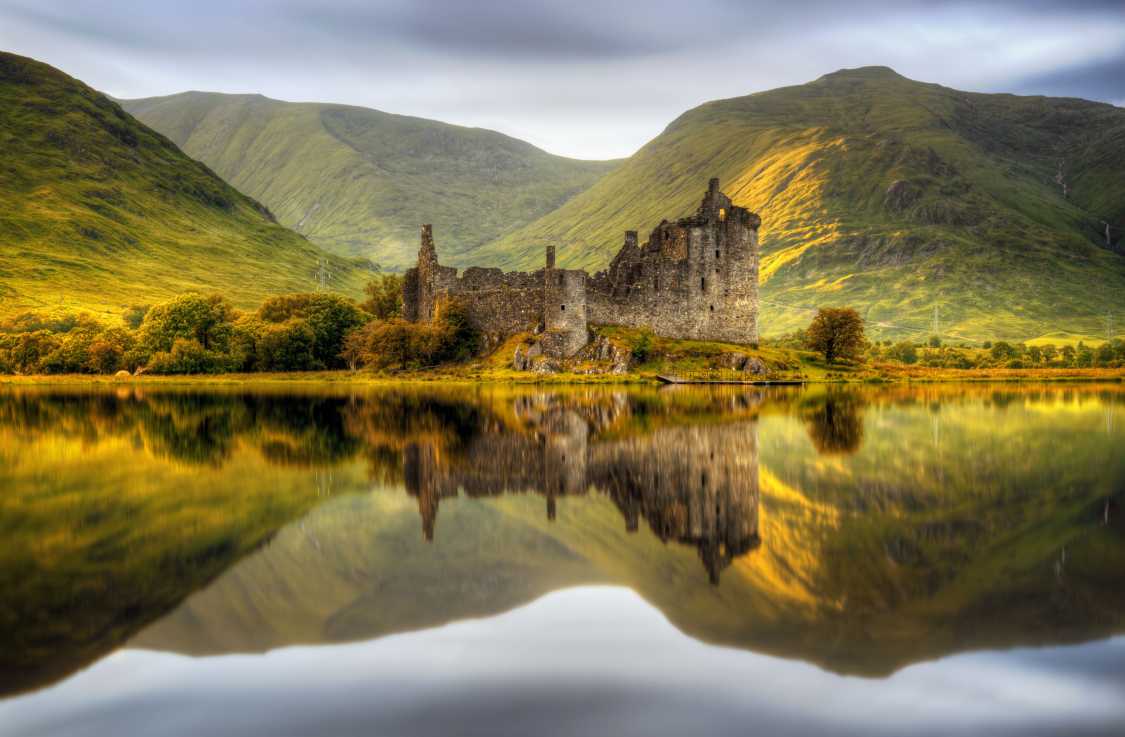
Stunning landscapes: From the rugged Highlands to tranquil lochs and scenic islands, Scotland’s natural beauty provides many opportunities for recreation and outdoor fun.
Your setup journey
Guide in 13 steps. Click any step below to jump directly to the section you need.
01Where to live in Scotland
Most expats who settle in Scotland choose to live near major employment centers, well-connected transport hubs, or areas with strong cultural and community life. Scotland offers newcomers a mix of coastal towns, bustling cities, and rural areas, each with its own lifestyle and cost of living. Housing varies widely across the country, with city centers costing more than suburban and rural areas, which offer lower rents and more space.
Popular expat locations
• Edinburgh: International job market, especially in finance, tech, and government, plus strong cultural life.
• Glasgow: More affordable than Edinburgh, with a large employment base in creative industries, technology, education, and healthcare.
• Aberdeen: A hub for energy, engineering, and offshore industries, attracting skilled workers from around the world.
• Dundee: Growing tech and gaming sector and lower living costs in the country's fourth largest city.
• Stirling: Central location with quick access to both Edinburgh and Glasgow, and popular with entrepreneurs.
• Inverness: Gateway to the Highlands, popular with those seeking outdoor activities and a quieter lifestyle.
• Perth: Good quality of life and transport links, lower cost of living and strong education system.
Explore our city guides
02Formalities and visas in Scotland
Moving to Scotland means navigating the UK immigration system, as Scotland’s visa rules are set at the UK level. Since the end of EU free movement in January 2021, the UK has operated a points-based immigration system that focuses on skills and talent rather than nationality, meaning EU/EEA and Swiss citizens must now meet the same visa requirements as most other nationalities. You can still visit Scotland for up to 6 months without a visa, but you cannot work, study long-term, or settle without applying for the correct visa type.
Tips:
• Check that your employer is a licensed sponsor: Only approved employers can sponsor Skilled Worker visas.
• Ensure your job and salary meet visa requirements: Each visa has specific eligible jobs and minimum salary thresholds.
• Prepare proof of funds and documents carefully: Bank statements, savings, and dependent evidence must be complete and correctly formatted.
• Meet English-language requirements: Most visas require proof of English proficiency through tests or exemptions.
Useful link:



Join the discussion on the forum
03Working in Scotland
Scotland’s job market remains steady and full of opportunities for skilled expats, with unemployment at just 3.74% (July–September 2025), below the UK average of 5.0%. The country is welcoming to international workers, as many sectors face shortages and are actively hiring skilled talent. Competitive roles — particularly in tech, finance, and life sciences (healthcare, biotech, pharmaceuticals, and research) — require relevant experience, problem-solving skills, adaptability, and strong English skills.
Sectors currently hiring in Scotland:
• Health and social care: Nurses, care workers, and allied health professionals.
• Education: Teachers, administrators, and support staff.
• Retail and hospitality: Openings in stores, restaurants, and accommodation.
• Energy and renewables: Growth in wind, green energy, and sustainable engineering.
• Professional, scientific, and technical services: Tech, innovation, and consultancy roles.
• Finance and banking: Opportunities for accountants, analysts, fintech specialists, and risk management professionals.
Facts and figures
Unemployment rate | 3.74% (July to September 2025) |
Largest employment sectors | Health and social work 15.3%, education 13.5%, wholesale and retail 13.4% |
Public sector share of employment | 22.3% of all workers (March 2025) |
National living wage | Age 23 and over £11.44 (USD15.12) per hour |
Data correct as of December 2025.
Sources:
Scottish government labour market trends, Scottish government labour market insights, and Gov UK national minimum wage rates.


04Accommodation in Scotland
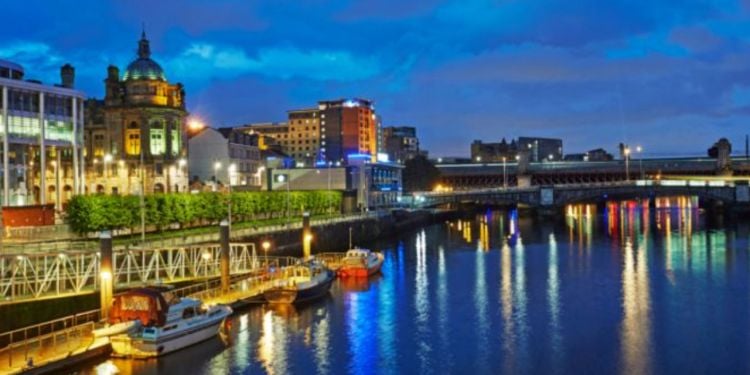
When it comes to finding a place to call home, there is a wide range of housing options in Scotland. From city flats to rural cottages, prices vary by location and property type. Detached homes in Edinburgh are among the most expensive in the country, while more affordable areas include Inverclyde and North Ayrshire on the west coast near Glasgow, and Fife, a region east of Edinburgh.
Most expats in Scotland start by renting to get a feel for the area before buying property and if you're an expat in Scotland, you can buy property, although mortgage eligibility may depend on your visa or residency status.
Types of housing in Scotland
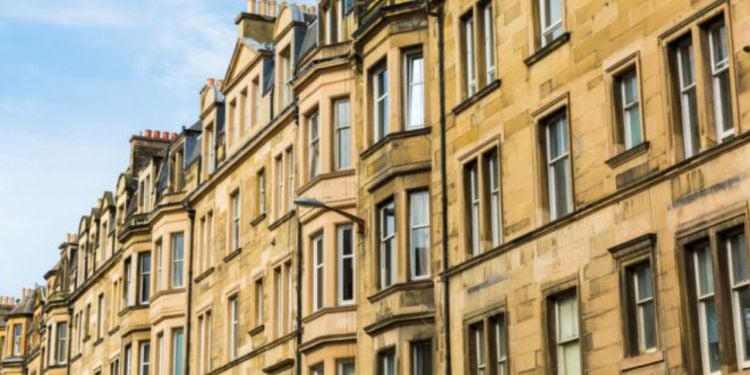
• Flats/apartments: Prevalent in cities like Edinburgh and Glasgow, especially in tenement buildings (traditional stone flats) and modern apartment blocks.
• Cottage flats (duplex-style): Also found in older Glaswegian neighborhoods.
• Terraced houses: Common in many urban and suburban areas throughout the country.
• Detached and semi-detached houses: Often in suburban or rural regions; detached houses are standalone homes, semi-detached houses share one wall.
• Cottages and rural homes: Available in the Highlands and other less densely populated parts of Scotland, ideal for countryside living.
Discover more
Join the discussion on the forum
05Cost of living in Scotland
Scotland’s cost of living lands somewhere in the middle — more affordable than London and many major global cities, but not exactly cheap. Rent, utilities, and transport can feel steep in big Scottish cities like Edinburgh or Glasgow, though housing is generally more affordable than in England. Heating bills in colder months can be high, and electricity costs are a real burden for many households. On the flip side, groceries and public transport are relatively affordable compared to many big U.S. or continental European cities.
Below is an overview of average monthly household expenses for different family types, including housing.
Monthly expenses
Category | Single expat (per month) | Family of four (per month) |
Rent (city center) | 1 bedroom: £926 (USD 1,160) | 3 bedrooms: £1,845 (USD 2,310) |
Rent (suburbs) | 1 bedroom: £717 (USD 900) | 3 bedrooms: £1,110 (USD 1,390) |
Utilities (electricity, water, gas, Internet) | £260–£270 (USD 325–340) | £400–£450 (USD 500–565) |
Groceries | £200–£300 (USD 250–375) | £500–£650 (USD 625–815) |
Public transport | £68 (USD 85) | £120–£140 (USD 150–175) |
Dining out and entertainment | £100–£200 (USD 125–250) | £250–£400 (USD 310–500) |
Sources:
Join the discussion on the forum
06Health care in Scotland
Scotland’s public healthcare system, NHS Scotland, offers high-quality, mostly free medical care to residents — including many expats once they’re legally living and working in the country. The system is publicly funded, meaning GP visits, hospital treatment, emergency care, maternity services, and prescriptions are all covered. While wait times can vary, expats typically find the level of care reassuringly thorough — and the cost savings significant. Many also appreciate that Scotland runs its own NHS system, separate from NHS England, with its own policies, funding, and priorities.
Important points:
- Register with a GP once you have a Scottish address, as this is your gateway to nearly all healthcare services.
- Most expats qualify for free NHS care if they hold a valid visa that allows them to live in Scotland for more than six months.
- Prescriptions are free — unlike the rest of the UK.
- Emergency treatment is free.
- Private healthcare is available but optional; some expats choose it for faster access to non-urgent procedures or specialist consultations.
Discover more

07Finance and banks in Scotland
Scotland’s banking system is part of the UK-wide network, so most of the banks you find in Scotland operate across the United Kingdom. Major high-street banks include Bank of Scotland, Royal Bank of Scotland, Lloyds, and HSBC. In addition, there are digital banks (fully online banks with no physical branches) and challenger banks, which are smaller, newer banks that offer low fees and innovative services. Banking in Scotland is modern and generally easy to access, though some branch services are being reduced as more customers manage accounts online.
Tips:
• Many banks have a 'New to the UK' service for new arrivals in the country.
• To open a bank account in Scotland, you will typically need: a passport or national ID, proof of UK address, and potentially, proof of income.
• Once you have the right to work in the UK, you will need to apply for a National Insurance (NI) number for working and paying tax.
• Scotland has its own income tax bands and rates, which differ slightly from the rest of the UK.


08Studying in Scotland
Scotland is a highly regarded destination for international students, thanks to its world-class universities, flexible course structure, and supportive post-graduation visa options. Each year, Scotland hosts students from more than 180 countries, including China, India, Nigeria, and the U.S.
Top universities in Scotland
• University of Edinburgh – Globally ranked and research-strong, international students make up 49% of the student population.
• University of Glasgow – One of the oldest Scottish universities, offering a wide range of disciplines and strong research programs.
• University of St Andrews – Famous for its historic prestige and academic excellence, particularly in humanities and sciences.
Tips:
• You apply for university through the Universities and Colleges Admissions Centre — UCAS (for undergraduate courses).
• For postgraduate courses, you typically apply directly via the university’s own system.
• To apply for university, you’ll need to submit academic transcripts, proof of English proficiency, a personal statement, and references.
• If you need a visa, you should begin the visa application process as soon as you receive your university offer.
• University graduates may then be eligible for a Graduate visa, which allows them to remain in Scotland for up to two years to work or seek employment.
09Education and schools in Scotland
Scotland offers a strong, well-regarded education system with a broad curriculum covering literacy, numeracy, sciences, and the arts. Schools also provide extracurricular opportunities in sports, music, and creative subjects, ensuring a well-rounded education for children. In Scotland, schooling is compulsory from age five and is free for children aged five to 18 for whom Scotland is their ‘main home’. This includes children of parents on a work visa, student visa, or family visa, as well as those with 'settled' status.
Types of schools
• State schools – funded by the government, follow the Scottish Curriculum for Excellence, and are generally zoned by catchment areas.
• Independent/private schools – fee-paying schools offering a variety of curricula, often with smaller class sizes and additional extracurricular programs.
• International schools – follow non-Scottish curricula (e.g., IB, English national curriculum), often preferred by expats seeking continuity in education.
• Specialist schools – for children with additional learning needs or specific talents.
The Scottish school year runs from August/September through to June/July, and there are school holiday breaks in mid-October, mid-December–early January, late March–early April, and late June–mid-August.
Useful link:
Discover more

10Planning your move to Scotland
Relocating to Scotland involves more than booking a flight — you need to navigate customs rules, import your household goods, and ensure your move complies with UK regulations. Understanding Transfer of Residence (ToR) relief can save you money on shipping your personal belongings and vehicles, while careful planning can help you avoid delays and unexpected charges. Expats should familiarize themselves with what can be imported duty-free, the documents required, and the timelines for relocating their household items.
Tips for expats making the move to Scotland:
• Check customs rules for moving household goods into the UK from your home country.
• Use reputable international movers who offer insurance for high-value items.
• Keep an inventory and receipts for all goods shipped to help with customs clearance and potential insurance claims.


Join the discussion on the forum
11Everyday life in Scotland
Scotland offers a safe and welcoming environment, whether you live in a bustling city or the quieter countryside. Urban areas like Edinburgh and Glasgow are vibrant, with cultural events, restaurants, and convenient public transport networks, while rural regions provide a slower pace, outdoor activities, and tight-knit communities. Overall, daily life balances security, convenience, and access to nature.
Tips:
• Punctuality is appreciated, especially in professional settings.
• Politeness and queuing are expected in public places.
• Scots enjoy local festivals, outdoor activities, and sports such as football and golf.
• Pubs, cafes, and community events are central to Scottish social life.
• Prepare for frequent rain and changing conditions; layering is essential!




12Leisure in Scotland
Scotland offers a rich mix of leisure activities for all ages, from bustling city experiences to outdoor adventures. Edinburgh and Glasgow are cultural hubs, with world-class theatres, music venues, museums, and galleries. Festivals, such as the Edinburgh Fringe and Hogmanay, attract visitors from around the globe. Cafés, pubs, and restaurants provide a lively social scene, while golf, football, and rugby are popular sports enjoyed by both locals and expats.
Beyond the cities, Scotland’s natural landscapes are a playground for outdoor enthusiasts. The Highlands, lochs, and islands offer hiking, cycling, sailing, and wildlife watching. Historic castles, whisky distilleries, and scenic train journeys, such as the West Highland Line, offer unique ways to explore the country. Whether you enjoy active pursuits, cultural experiences, or simply relaxing in nature, Scotland’s leisure options are diverse and accessible.
Top leisure activities in Scotland
• Hiking and outdoor adventures: Explore Ben Nevis, Cairngorms National Park, and the Isle of Skye.
• Historic sites: Visit Edinburgh Castle, Stirling Castle, and numerous ancient ruins throughout the country.
• Whisky distilleries: Tour Speyside and Islay distilleries to sample Scotland’s world-famous whiskies.
• Festivals: Experience the Edinburgh Fringe Festival, Hogmanay New Year celebrations, and local Highland Games.
• Golf: Play at legendary courses like St Andrews or enjoy courses across smaller towns.
• Wildlife watching: Spot puffins, red deer, and seals in coastal and island regions.
• City activities: Enjoy Glasgow’s music scene, Edinburgh’s theatres, shopping districts, cafés, and vibrant nightlife.
Discover more
13Outro
With its mix of modern infrastructure, rich heritage, and welcoming communities, Scotland is the perfect place for expats to resettle and build a rewarding life. But moving to Scotland is an exciting step that takes careful planning. Our Scotland guides cover everything you need to know about moving to this beautiful country, such as where to live, finding a job, healthcare, schools, visas, and things to do in your leisure time. Then, with your plans in place, all that’s left to do is embrace your new life in this vibrant and welcoming country.
Join the Scotland community
Get regular tips and advice to make the most of your expat life
Essential services for your expat journey






Forum topics on living in Scotland
Discover forums topics on expat life in Scotland: join the conversation, ask your questions, get advice and share your experience.