

 Guide updated by Veedushi Bissessur on 15 December 2025
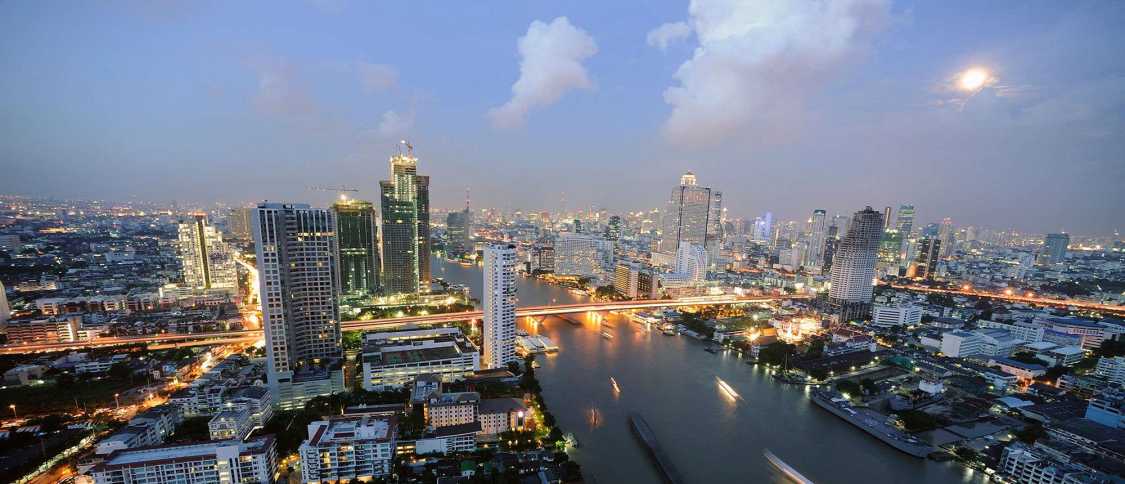
Bangkok is Thailand's capital and a major regional hub for business culture and transport with a population of over 11 million people. This fast-moving city has a mix of old districts and modern areas, making it a lively place to live. The food scene, markets and local communities add plenty of character. Thanks to its two international airports, Bangkok serves as an exceptionally practical base for both regional travel and global business.
5 good reasons to move to Bangkok
- Large job market with strong demand across many business sectors, including tech, education and hospitality roles.
- Well-known international hospitals, clinics, and specialist treatment centers support high-quality medical care.
- A broad range of international schools serving different learning needs, curricula, and age groups.
- Good transport network with air, rail and river routes across regions.
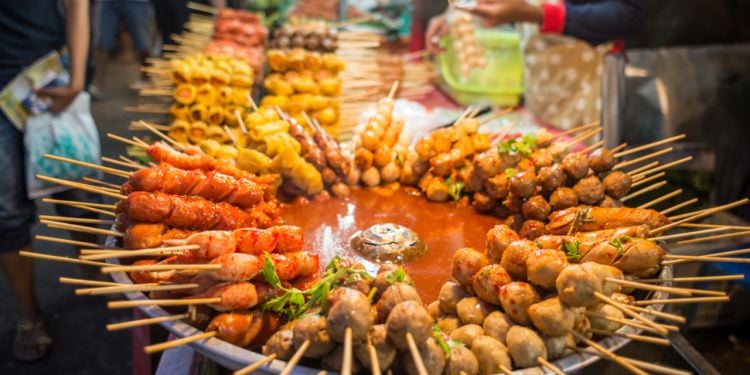
- Great food scene, lively markets, and rich cultural traditions.
Source: World Population Review
Your setup journey
Guide in 9 steps. Click any step below to jump directly to the section you need.
01Working in Bangkok
Bangkok’s economy is diverse, spanning finance, technology, tourism, and manufacturing. Foreign workers generally require a work permit and a local entity to sponsor their employment.
Key industries
Major sectors include finance, technology, tourism, and logistics. Many multinational companies and regional headquarters operate from Bangkok.
Visas and work permits
All foreign nationals who plan to work in Bangkok must obtain a non-immigrant visa and a work permit issued in Thailand. These documents are legally required for employment, and the application process involves both the Thai Immigration Bureau and the Ministry of Labour. Requirements and procedures can change, so it is important to check the latest official guidance before starting work to ensure compliance and avoid fines or legal issues.
Unemployment rate (Thailand) | 0.76% |
Average monthly salary (net) | THB 26,588 |
Top sectors | Finance and banking, real estate and construction, manufacturing |
Data correct as of November 2025.
Sources: Trading Economics, Numbeo, Bangkok Labor Report 2024/2025
Discover more



02Housing & neighborhoods
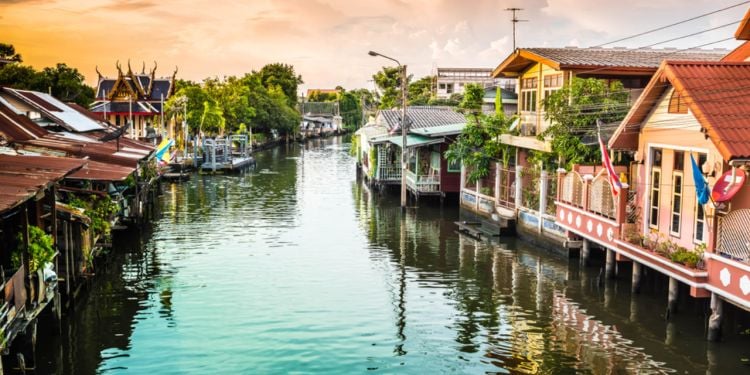
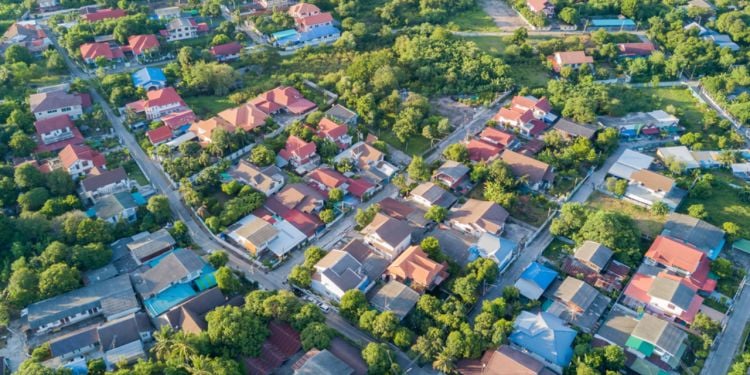
Bangkok offers a variety of housing options, from modern high-rise apartments in the city center to spacious suburban houses and secure gated communities. Whether you prefer city living or a quieter neighborhood, there’s something to suit every preference.
Popular expat neighbourhoods
Popular with expats, Sukhumvit is known for its shopping and nightlife, Sathorn for business and convenience, Silom for a mix of work and leisure, and Ari for its cafés and tree-lined streets. These neighborhoods are well-connected by public transport and are close to international schools, hospitals, and other essential services.
Rental costs and rental process
Rental procedures for accommodation in Bangkok vary by property type. Most leases require a passport, visa entry stamp, and a security deposit. Long-term leases over three years must be registered with the Thai Land Department, and the maximum lease length is generally 30 years. Lease agreements, documentation, and payment schedules should be reviewed carefully before signing.
1-bedroom city center apartment | THB 15,000 - 30,000/month |
3-bedroom city center apartment | THB 45,000 - 120,000/month |
Data correct as of November 2025.
Source: Numbeo
Join the discussion on the forum
03Daily life & cost of living
The cost of living in Bangkok can vary widely depending on lifestyle and location. While some neighborhoods and services are affordable, others, especially in central areas or expat-focused districts, can be more expensive
Monthly expenses for a single person
Rent 1-bedroom apartment (city center) | THB 15,000 - 30,000 |
Groceries | THB 4,000 - 6,000 |
Utilities | THB 2,000 - 5,312 |
Data correct as of November 2025.
Monthly expenses for a family of four
Rent 3-bedroom apartment (city center) | THB 45,000 - 120,000 |
Groceries | THB 10,000 - 20,000 |
Utilities | THB 5,000 - 10,000 |
Data correct as of November 2025.
Sources: Numbeo, The Baht, Thailand Insider
04Retirement in Bangkok
Thailand is a well‑known destination for retirees with long‑stay visa options for applicants aged 50 and above who meet specified financial and health‑insurance requirements. Bangkok attracts retirees thanks to its modern hospitals, well‑connected neighborhoods, beautiful scenery and relaxed pace of life.
Retirement visa options
Thailand issues non-immigrant O-A and O-X visas for retirees. Applicants must satisfy age, income, and health-insurance criteria. Official guidance and updates are available from the Thai Ministry of Foreign Affairs and the Immigration Bureau.
Healthcare and costs
Bangkok has internationally accredited hospitals, and most expats use private health insurance to cover routine care, specialist consultations, and emergencies. Medical costs depend on the level of coverage, the hospital chosen, and the types of services required.
Sources: Thai Ministry of Foreign Affairs, Thai Immigration Bureau
05Higher education & universities
Bangkok hosts leading Thai universities and many international study programs. The city draws students from around the world, with popular fields including business, medicine, and engineering. Programs taught in English allow international students to participate fully, and many universities also offer research opportunities across a wide range of disciplines.
Main universities
Key institutions include Chulalongkorn University and Thammasat University, both of which provide English-language programs, modern facilities, and opportunities for study and research.
Fees and admission
Tuition fees for international students wanting to study in Bangkok vary depending on the university and chosen program. Admission typically requires submission of academic transcripts, proof of English proficiency, and completion of visa requirements for long-term study.
Sources: Chulalongkorn University, Thammasat University
Discover more


06Schooling for children
Bangkok has an extensive private school sector, with many international schools offering British American and IB curricula. Public schools teach primarily in Thai, which may be difficult for students who are not fluent.
Public schooling
Public education in Thailand is free only for Thai nationals. Foreign children can enroll in public schools in Bangkok, but they often pay for their tuition and must navigate Thai‑language instruction.
International schools and fees
Annual tuition for international schools in Bangkok varies widely — many schools charge from around THB 300,000 up to more than THB 1,000,000 per year for top-tier institutions. Some schools require assessment tests, and submitting applications well in advance is often recommended.
Source: Ministry of Education Thailand
07Everyday life in Bangkok
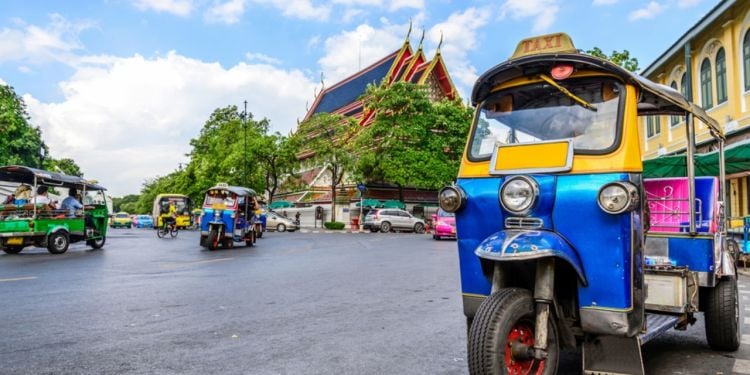
Bangkok’s streets are lively, often crowded, and sometimes chaotic, full of noise, color, and movement as people go about their daily lives.
Getting around
Getting around Bangkok is easy thanks to its wide range of transportation options.The BTS Skytrain and MRT subway connect central districts, while buses, taxis, motorbike taxis, and river ferries offer additional options. Ride-hailing apps are widely used, and planning around traffic peaks can save significant time.
Setting up services
Setting up daily essentials is straightforward. Mobile SIM cards, data packages, and home internet are easily obtained, and utilities are generally reliable. Groceries, fresh markets, and everyday shops are conveniently located throughout the city.
Discover more



08Leisure, culture & things to do
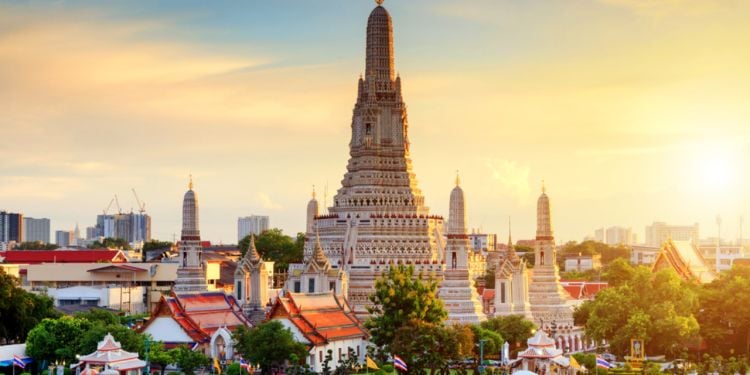
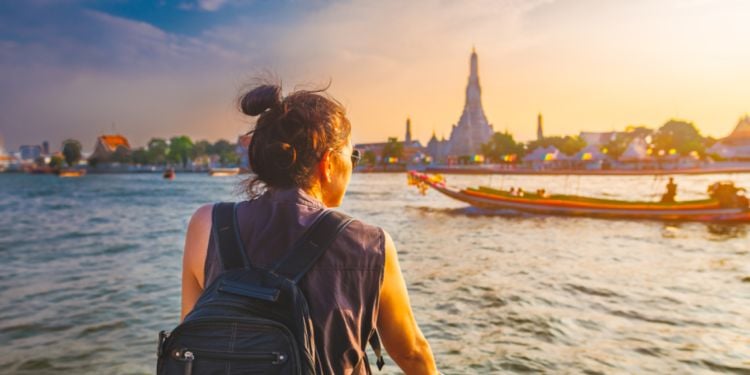
A dynamic city of contrasts, Bangkok combines historic architecture, bustling streets, and modern urban energy, giving residents plenty to do in their spare time.
Museums, parks and events
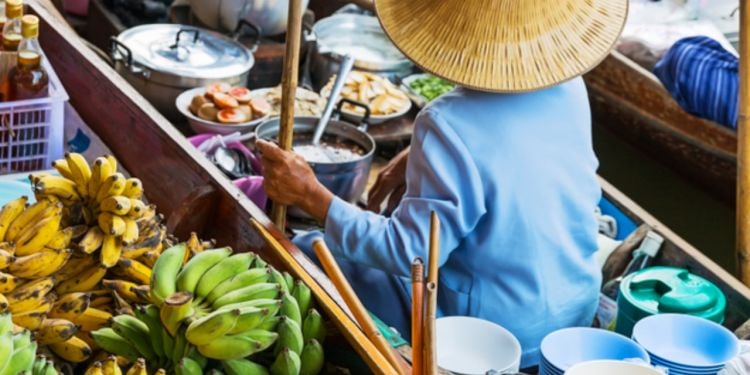
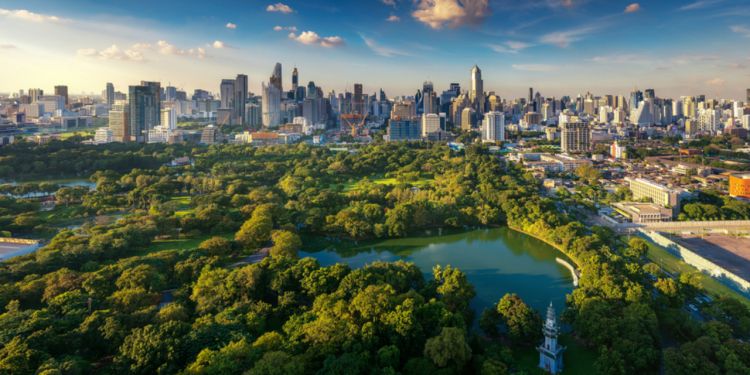
Temple visits, river tours and sampling the diverse food scene are just a few of the things you can do in Bangkok. Key attractions include the Grand Palace, the Temple of the Emerald Buddha, and the Bangkok Art and Culture Centre, which hosts contemporary exhibitions and performances. Lumphini Park and other green spaces provide areas for walking, jogging, and outdoor activities. There is also a ful calendar of festivals and events throughout the year.
Nightlife, sports and outdoors
Night markets, rooftop bars, and live music venues bring Bangkok’s nightlife to life. The city hosts Muay Thai matches, football games, and other regional sporting events. Parks and riversides are popular for jogging, paddle boating, and casual recreation, giving both locals and visitors opportunities to enjoy the outdoors alongside the city’s vibrant urban life.
Discover more

Join the discussion on the forum
09In short
Bangkok is a bustling city of markets, temples, and riverside neighborhoods. Private healthcare is widely available through internationally accredited hospitals and clinics, and the city has a broad selection of international schools offering various curricula. Public transport — including the BTS Skytrain, MRT subway, buses, and river ferries — connects most districts, though traffic can be heavy at peak times. Each neighborhood has its own character and lifestyle, from vibrant commercial areas to quieter residential streets. For more information, our informative articles are great places to start. You can also join the Expat.com Bangkok forum to connect with other expats and ask questions about what life is like in this fascinating city.
Join the Bangkok community
Get regular tips and advice to make the most of your expat life
Essential services for your expat journey






Forum topics on living in Bangkok
Discover forums topics on expat life in Bangkok: join the conversation, ask your questions, get advice and share your experience.