Living in Indonesia: the ultimate expat guide
Everything you need to know for a successful life in Indonesia.
Indonesia, a vast archipelago of over 17,000 islands, offers a unique blend of vibrant cities, lush landscapes, and diverse cultures. From the bustling streets of Jakarta to the serene beaches of Bali, the country attracts expats seeking professional opportunities, a relaxed lifestyle, or a mix of both. With its tropical climate, rich heritage, and growing economy, Indonesia provides an appealing setting for families, retirees, and professionals looking for a fresh start abroad.
Five compelling reasons to live in Indonesia
Rich cultural heritage: Indonesia is home to hundreds of ethnic groups, languages, and traditions, reflected in its festivals, art, and daily life.
Affordable cost of living: Many expats enjoy a comfortable lifestyle at a fraction of the cost in Western countries.
Natural beauty: Volcanoes, rainforests, and pristine beaches make Indonesia a paradise for outdoor enthusiasts.
Warm climate: The tropical weather encourages year-round outdoor activities and a relaxed pace of life.
Growing economy: With a rapidly developing economy, particularly in technology, tourism, and manufacturing, Indonesia presents numerous professional and business opportunities.
Facts & figures
Population | 286.3 million |
Expat population | 355,000 (approx.) |
Most common foreign nationalities | Chinese, Singaporeans, Japanese |
Average monthly salary | $790 USD |
Data correct as of October 2025
Sources: Worldometer, Statista, Empleyo
Formalities and visas in Indonesia
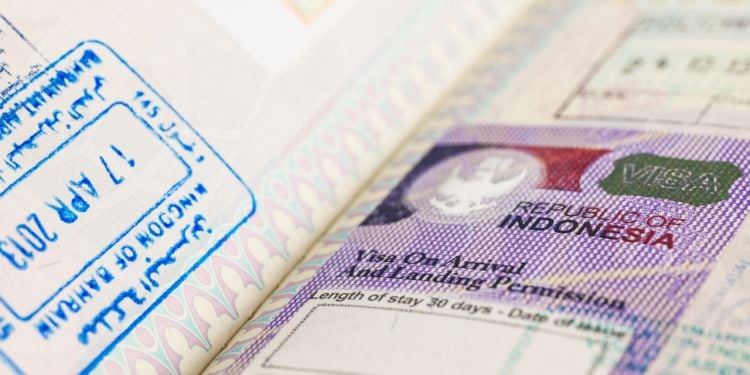
Before moving, familiarize yourself with the visa requirements for Indonesia, which vary based on the length and purpose of your stay. From short-term visits to long-term residency, proper planning ensures a smooth relocation and avoids complications with local authorities.
For longer stays, most expats will need a Limited Stay Visa (ITAS), depending on employment or retirement status. These visas are often tied to sponsorship or proof of income and can be extended while in-country. Tourist visas allow short visits of up to 30 days and are sometimes extendable.
Tips:
- Ensure your passport is valid for at least six months beyond your intended stay.
- Keep all visa and supporting documents organized and easily accessible.
- Stay updated on Indonesian immigration rules, as they can change with little notice
Source:
The Official Immigration Services Website for Indonesia
🔍To learn more
Visas for Indonesia
If you are planning to move to Indonesia and reside there for a while, you will need a visa ...

Retiring in Indonesia
Like many expatriates, are you considering retiring to an idyllic island destination, enjoying some ...

Traveling to Indonesia
For the many foreigners who visit the world's largest archipelago each year, formalities are ...
Working in Indonesia
Indonesia’s job market offers opportunities for skilled professionals in many fields. Expats with experience in education, IT, hospitality and engineering often find fulfilling roles with both international and local companies.
In-demand jobs
Some of the most in-demand jobs in Indonesia include English teachers, particularly in international schools and language centers, IT professionals (software development, data analysis, and tech management roles) and hospitality and tourism.
Tips:
- Tailor your CV to Indonesian standards, highlighting relevant skills and experience.
- Network through local events, professional associations, and online platforms.
- Understand workplace culture and expectations, which can differ from Western norms.
Facts & figures
Unemployment rate | 4.9% |
Youth unemployment rate (15 - 24) | 13.1% |
Average annual salary | $9,872 USD |
Data correct as of October 2025
Sources: CEIC, World Bank, Time Doctor
🔍To learn more

Working in Indonesia
As one of the major regional economic powerhouses in Southeast Asia, Indonesia ...
Starting a business in Indonesia
Thanks to the country's large population, affordable labor force, and abundant ...

Internships in Indonesia
Do you wish to acquire hands-on experience, gain new professional skills and expand ...
Studying in Indonesia
Indonesia is becoming an appealing study destination for international students looking for a mix of academic quality, cultural diversity, and affordability. With its growing network of reputable universities and a welcoming environment, the country offers a unique setting to earn a degree while experiencing life in one of Southeast Asia’s most dynamic nations.
Top institutions such as Universitas Indonesia (UI), Gadjah Mada University (UGM), and Bandung Institute of Technology (ITB) are recognized for their programs in engineering, business, social sciences, and environmental studies. An increasing number of universities offer fully English-taught or English-track programs, especially at the postgraduate level and in key fields.
Why study in Indonesia?
Indonesia offers a well-balanced mix of academic opportunity and cultural discovery. Tuition and living costs are generally lower than those at Western universities, though English‐track programs may carry premium fees, and living costs vary by city. Students can also benefit from government or university scholarships designed for international learners, including the Darmasiswa Scholarship, which supports non-degree studies in the Indonesian language, arts, and culture.
Outside the classroom, studying in Indonesia opens the door to diverse traditions, natural beauty, and a welcoming local community—ideal for anyone interested in Southeast Asian culture and global connections.
Tips:
- You’ll need to apply for a student visa (often class C316), and then your university will help you convert to a stay permit (KITAS) after arrival.
- Gather transcripts, passport, financial proof, and health certificate, legalized by the Indonesian Embassy if required.
- Many programs are in English, but learning Bahasa Indonesia helps with daily life and local interactions.
- Always check whether your chosen program is genuinely full-English (or partially) and recognized in your home country.
Study in Indonesia
Indonesia has the third largest education system in Asia, with over 3 million teachers and 50 million students attending 300,000 schools in ...
Retiring in Indonesia
For many, Indonesia offers an enticing setting for retirement, with warm tropical climates, rich culture, and a lower cost of living. Retirees from Australia, the United States, Europe, and other regions are increasingly drawn to Bali, Yogyakarta, or the peaceful beaches of Lombok. From vibrant coastal towns to serene jungle hideaways, there’s a lifestyle to suit every preference, whether you seek community, adventure, or quiet reflection. Bali’s beach resorts and Java’s cultural heartlands are perennial favorites for people retiring to Indonesia.
Major advantages
Affordable living: Lower costs for housing, food, and daily expenses compared with Western countries.
Health access: Private clinics offer quality care; international health insurance is recommended.
Relaxed lifestyle: Warm weather, abundant natural beauty, and an emphasis on community and family life.
Important:
- Retirees should apply for a retirement visa and provide proof of sufficient funds (typically around USD 1,500 per month).
- Bureaucracy can be slow; expect multiple visits to immigration and local offices.
- Private health insurance is strongly recommended, as public healthcare facilities may not meet expat expectations.
Source:
Finance and banks in Indonesia
The banking system in Indonesia is generally reliable and straightforward, with a good mix of local and international banks. Most banks require you to open an account in person, and doing so makes it much easier to manage daily expenses and local transfers. Major banks such as Bank Central Asia (BCA), Bank Mandiri, and BNI offer user-friendly mobile apps and often have English-speaking staff.
Your account options may depend on your visa type. In most cases, foreign residents need a valid passport, KITAS or KITAP (residency permit), and proof of address such as a rental agreement or utility bill. Some banks may also request a tax identification number (NPWP).
Tips:
- Be prepared to meet minimum deposit requirements, which vary by bank and account type.
- Ask about monthly fees, foreign transaction charges, and ATM limits before opening an account.
- Bring extra documents, as requirements can differ between branches or cities.
🔍To learn more
Healthcare in Indonesia
The healthcare system in Indonesia is a mix of public and private services, with the highest quality care found in major cities such as Jakarta, Surabaya and Bali. The public system is managed through the BPJS Kesehatan national health insurance program, which provides basic coverage for citizens and eligible residents. However, public hospitals can experience long wait times and limited English support, so most expats rely on private hospitals or international clinics for faster, higher-standard treatment.
Private facilities such as Siloam Hospitals, RS Premier, and International SOS are known for modern equipment, English-speaking staff, and efficient service. Expats are strongly advised to obtain private or international health insurance, as costs for quality care can be high without coverage. Note that private hospitals may require upfront payment or insurance guarantee letters before treatment.
What you need to know
- In a medical emergency in Indonesia you can call 112 (general emergency number) or 118/119 for ambulance/medical support, depending on the region.
- BPJS Kesehatan is Indonesia’s public insurance scheme, offering limited coverage mostly suited to basic or routine care.
- Most expats choose private health insurance for reliable access to international hospitals and a wider network of specialists.
- English-speaking doctors are common in private hospitals, especially in Jakarta and other major expat areas.
Source:
BPJS Kesehatan national health insurance program
🔍To learn more

Healthcare in Indonesia
The standards of the Indonesian healthcare system are not comparable to Western ...

Accidents and emergencies in Indonesia
Medical emergencies or accidents are always difficult to deal with when you are in a foreign ...

Having a baby in Indonesia
If you are about to have a baby in Indonesia, you should be aware that the medical services ...
Education and schools in Indonesia
For families moving to Indonesia, understanding the school system helps make the transition smoother for children. Education standards vary widely, and the choice between local state schools, private schools, and international schools often depends on your location, budget, and language preferences.
State (public) schools in Indonesia are open to residents and follow a national curriculum taught primarily in Bahasa Indonesia. While they are in many cases more affordable, they may not always suit children who are new to the language or unfamiliar with the local system. Many expat families instead look to private or international schools for continuity and English-based instruction.
International schools tend to be concentrated in larger cities such as Jakarta, Surabaya, and Bali. They often offer globally recognised programs (for example the International Baccalaureate (IB), Cambridge International Examinations or an Australian curriculum) and instruction in English. These schools frequently place more emphasis on personalised learning, extracurricular activities and multicultural community, and they come with higher tuition fees.
Tips:
- Check the school calendar — in many cases the school year starts around July and runs through mid-year, but private/international schools may use different schedules.
- Some schools have entrance assessments or interviews, so start applications several months in advance.
- Ask about second-language support if your child is not yet fluent in English or Bahasa Indonesia.
Sources:
Ministry of Education, Culture, Research and Technology
Association of National and Private Schools Indonesia (ANPS)
Accommodation in Indonesia
Finding accommodation in Indonesia depends heavily on your lifestyle, location and budget. In major cities such as Jakarta and Surabaya you’ll find apartment complexes (including serviced apartments) with shared facilities like gyms, pools and security, while in smaller towns and tourist-areas the typical options are houses, townhouses or private villas. Coastal regions and islands often offer rental options aimed at expats seeking a quieter or resort-style environment — though supply and cost vary widely.
Short-term rentals are popular among newcomers who want to test different neighbourhoods before committing long-term. Rental agreements vary greatly: in some the monthly rent includes utilities, maintenance and services (common in serviced apartments), while in others you’ll pay utilities separately. In many expat-friendly buildings long leases of around 12 months are common; serviced apartments may offer more flexible terms of 6 months, 3 months or even month-to-month depending on the property.
Indonesian law restricts foreign ownership of land — foreigners cannot normally own freehold land (Hak Milik) in their own name. However, there are legal alternatives such as long-term leases (Hak Sewa), “right to use” titles (Hak Pakai), or owning strata-title apartment units under certain conditions. More complex structures (for example a foreign-investment company, PT PMA) may be used for investment or commercial property ownership. Because of the legal complexity it’s wise to consult a local property lawyer or specialist.
Tips:
- Confirm utility access and internet speed before signing any lease or agreement.
- Visit multiple properties at different times to assess noise, traffic and neighborhood safety.
- Read contracts carefully to check included fees, lease terms, and deposit requirements.
- Use reputable agents or property managers to avoid scams or misrepresentation.
Source:
Accommodation in Indonesia
Many of the expatriates living in Indonesia prefer renting accommodation owing to the generally limited duration of their stay and the ...
Planning your move to Indonesia
Moving to Indonesia is an exciting opportunity to experience a new culture, but careful preparation will make the transition much easier. From navigating visa requirements to arranging housing, starting early can help you avoid stress and unexpected delays.
Tips:
- Begin your move at least six months in advance to handle visas, flights, and housing searches.
- Research reputable international movers experienced with shipments to Indonesia and Southeast Asia.
- Don´t take everything with you—Indonesia’s shipping costs depend on volume, so lighter loads are more cost-effective.
- Keep all essential documents together, including passports, visas, vaccination records, and educational or work certificates.
- Familiarize yourself with Indonesia’s customs rules; certain electronics, foods, or medicines may require special permits.
- Clearly label all boxes and maintain a detailed inventory to speed up clearance at customs.
- Arrange temporary accommodation for the first few weeks to settle in while exploring local neighborhoods.
- Before shipping or moving, check the Indonesian Directorate General of Immigration website or your nearest Indonesian embassy for the latest visa categories and requirements, as these can change.
Sources:
Directorate General of Customs and Excise – Indonesia
FIDI – International Federation of International Movers
🔍To learn more


Leisure in Indonesia
Life in Indonesia offers endless ways to enjoy free time, whether you’re seeking relaxation, adventure, or cultural immersion. Many expats embrace local hobbies like yoga, cycling, or exploring traditional markets on weekends, blending everyday activities with the country’s vibrant culture. Waterfront walks, riverside cafés, and community parks provide low-key ways to unwind while observing local life.
Adventure seekers can explore active volcanoes, tropical forests, and hidden waterfalls, or join local clubs for surfing, diving, and hiking excursions. Meanwhile, cultural engagement is part of daily life: attending traditional dance performances, cooking classes, or craft workshops allows you to connect directly with Indonesian customs. The country’s growing café culture, modern malls, and music venues make it easy to socialize and find like-minded communities.
Tips:
- Explore local communities and weekend markets to discover authentic experiences beyond tourist spots.
- Join clubs, workshops, or sports groups to meet expats and locals with shared interests.
- Take advantage of public parks, riverfronts, and cultural centers for low-cost leisure activities.
- Keep an eye on festival calendars—religious and regional events offer unique cultural experiences.
Source:

Leisure and lifestyle in Indonesia
As an expatriate, your life in Indonesia will undoubtedly be very different from the one you led in your home country. However, if you are ...
Everyday life in Indonesia
Life in Indonesia often follows local rhythms rather than the clock. Many neighborhoods feature vibrant morning markets, street vendors serving breakfast, and communal spaces where neighbors gather for conversation or tea. Daily routines are frequently intertwined with social and cultural interactions, making community engagement a natural part of life.
Urban centers like Jakarta or Bandung are bustling and fast-paced, but outdoor life remains important. Streets are shared by pedestrians, motorcycles, and bicycles, while parks, plazas, and riverfronts provide spaces to relax, exercise, or meet friends. In smaller towns and villages, life moves at a slower pace, with local traditions shaping daily routines, celebrations, and family gatherings.
Local habits & customs
Greetings: A handshake is common in professional contexts; a slight nod or “Selamat pagi” (good morning) is typical socially.
Respect and hierarchy: Using polite forms of address, such as “Bapak” (Mr.) or “Ibu” (Mrs./Madam), signals respect, especially toward elders or authority figures.
Modesty and etiquette: Dress conservatively in public spaces, particularly in religious areas, and remove shoes before entering homes or certain businesses.
Community focus: Participation in local events, from neighborhood gatherings to religious ceremonies, is valued and helps build relationships.
🔍To learn more
Transportation in Indonesia
Getting around the big cities of Indonesia is no small challenge due to the traffic jams and ...

Communications in Indonesia
In Indonesia, you will have no trouble getting your home connected to the internet. But ...

Useful contacts and resources in Indonesia
In an expatriation project, health matters tend to take on an even greater place in the planning ...
Cost of living in Indonesia
Indonesia is generally more affordable than many Western countries, though costs vary by location. Jakarta and Bali tend to be more expensive than smaller towns. Here is a general breakdown of average monthly expenses for different household types to help you manage your budget.
Monthly expenses
Category | Single expat (per month) | Family of four (per month) |
Average total expenses (excluding rent) | $431 USD | $1,532 USD |
Rent (city centers) | $150 to $950 USD | $300 to 2,100 USD |
Rent (outside city centers) | $72 to $480 USD | $150 to $1,500 USD |
Utilities (gas, electricity, water) | $59 USD | $78.50 USD |
Transport | $72.50 USD | $157 USD |
Groceries | $151 USD | $278 USD |
Data correct as of October 2025
Sources: Numbeo, Copound - single person, Copound - family of four
The essentials to remember
Moving to Indonesia means adapting to a diverse and dynamic environment, from energetic cities to tranquil islands. Embracing local customs, trying Bahasa Indonesia (the official language), and exploring your neighborhood will help you feel at home quickly. Building connections with both locals and other expats can make daily life easier and more enjoyable.
Preparation is crucial. Sorting out visas, understanding healthcare options, and arranging accommodation before arrival prevents common challenges. To dive deeper, explore our informative articles on living in Indonesia—covering topics like schooling, transportation, healthcare, housing, and ways to spend your free time. For practical advice and personal experiences, join our Indonesia expat community and learn from those who have navigated the move successfully.
We do our best to provide accurate and up to date information. However, if you have noticed any inaccuracies in this content, please contact us.


News & testimonies

Indonesia C18 visa: New rules for foreign workers on trial
According to the Directorate General of Immigration, the aim is to prevent the exploitation of foreign workers. Since June 14, 2025, new rules have been in place to more strictly regulate the C18 stay permit (C18 visa). Also known as the "Work Trial" visa, the C18 is intended for workers coming to Indonesia to complete a trial period with a sponsoring company—the company where the trial will be carried out.

Indonesia announces new strategies to attract qualified and wealthy expatriates
Indonesia is currently implementing new strategies to support the strong economic recovery observed in 2022. In addition to reforming its economy and encouraging innovation, the government is counting on wealthy and skilled foreigners. The health crisis has turned the organization of work upside down, and digital nomadism is at its peak. As a country that aims to become one of the top 5 largest economies by 2045, Indonesia is also luring wealthy investors.

Small town to bustling city: Expat life in Surabaya
Wayne yearned for something bigger than the small-town life he had grown accustomed to, and decided to explore what lies beyond Canada's borders. His travels took him to Asia, where he ended up remaining, eventually settling in Surabaya, Indonesia. Here, he shares with Expat.com his thoughts about his expat journey and life in Indonesia.
Cassandra: "Jakarta is easy to live"
Cassandra left Singapore, her home country, to live in Indonesia as her husband got a job opportunity in the country. They settled in Jakarta with their children...
Essential services for your expat journey