

Living in Casablanca: the ultimate expat guide
Everything you need to know for a successful life in Casablanca.
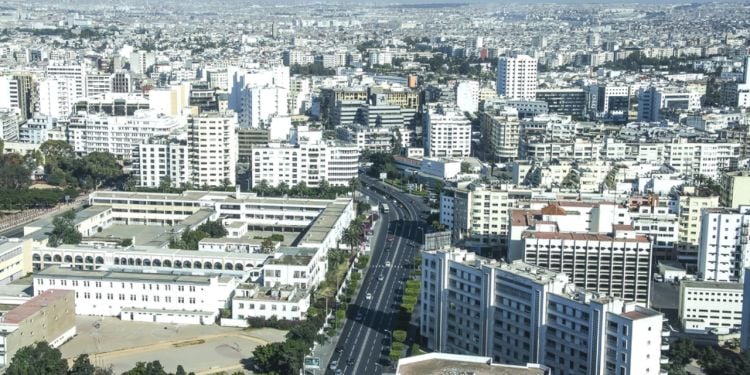
Casablanca is Morocco's largest city and its economic hub, with modern business districts, a long Atlantic coastline, and historic neighborhoods. The city has reliable transport connections, major universities, and international schools. Arabic and French are widely spoken in this lively, modern city. Its metropolitan area has more than 4 million residents, and the port handles 24–26 million tonnes of cargo annually, accounting for roughly one-third of Morocco’s maritime traffic.
5 good reasons to move to Casablanca
- Largest commercial hub in the country, with opportunities in business, finance, and industry.
- International airport, tram network, and good regional connections make commuting and travel straightforward.
- Major public universities and a variety of international schools.
- Healthcare, government offices, and foreign embassies are all easily accessible within the city.
- The cost of living in Casablanca is more affordable than many European cities.
Sources: World Population Review, Port of Casablanca
Working in Casablanca
As the commercial heart of Morocco, Casablanca is a hub for finance, manufacturing, logistics, and services. The city is home to many multinational offices and a busy port and industrial zone. Non-citizens require a work permit, which employers usually arrange along with their residence card.
Key industries
The main engines driving Casablanca’s economy are diversified, including finance, manufacturing (notably automotive and textiles), and logistics. This activity generates high demand for foreign expertise, meaning the best places to find job openings are often within multinational firms, shipping companies, and consulting or business advisory firms, as well as the growing IT and services sectors.
Work permits & procedures
Foreign employees must have a signed employment contract, and their employer must submit an application to the relevant Moroccan authorities to obtain a work visa, followed by a residence permit. All procedures and requirements are set by Morocco’s labour and immigration authorities, and processing times can vary depending on the individual case.
Unemployment rate (Casablanca-Settat region) | 26.4% |
Average monthly salary (net) | MAD 5,226 |
Major sectors | Manufacturing, trade and transportation, services |
Data correct as of November 2025.
🔍To learn more
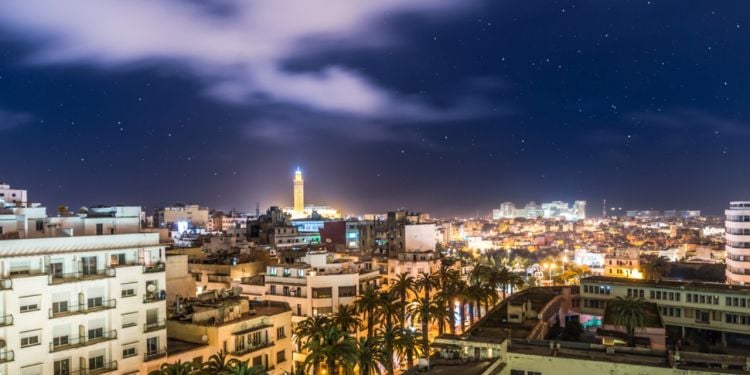
Working in Casablanca
Moving to Casablanca for work might not be an easy step as opportunities are mostly available for ...
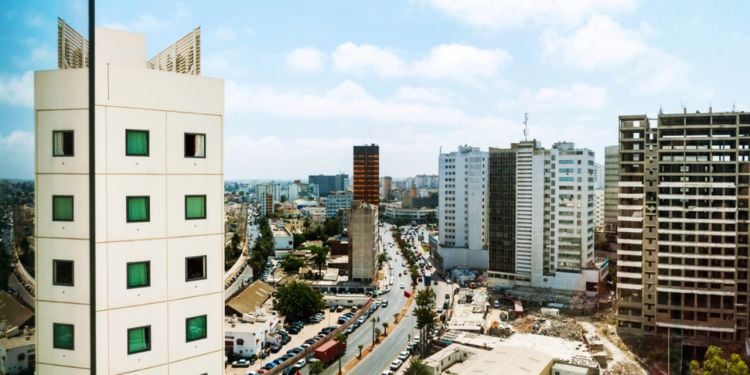
Casablanca's labour market
Working in Morocco can be confusing for anyone coming from European countries. As an economic ...

The work culture in Casablanca
Working in Casablanca and Morocco, in general, can prove to be a culture shock for Europeans ...
Higher education & universities
Casablanca is home to one of Morocco’s largest public universities, Hassan II University (UH2C), alongside specialized schools that focus on one field such as business, engineering, design and architecture. International students can study Moroccan degrees in French and Arabic, while some private institutions also offer programs with international curricula in English.
Universities and programs
Public university tuition is relatively low — in many cases a few hundred to several hundred euros a year for international students. Fees at private institutions are more varied, and can reach tens of thousands of dirhams annually. Major higher‑education institutions in Casablanca include UH2C, Mohammed VI University of Health Sciences (UM6SS), and ESCA School of Management.
Research and innovation
Casablanca supports a growing research and innovation ecosystem, anchored by Hassan II University, which operates nearly 100 research laboratories across fields including health, engineering, social sciences and economics. In addition, Casablanca Technopark is a hub for tech start-ups and innovation in information and green technologies.
Sources: UH2C, Mohammed VI University of Health Sciences (UM6SS), ESCA School of Management
🔍To learn more
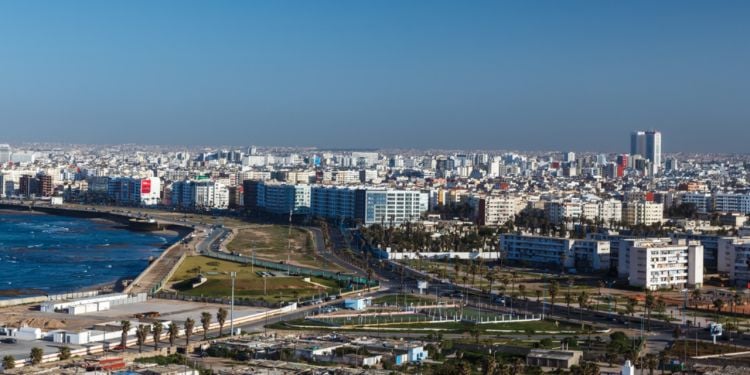

Schooling for children
Families in Casablanca can choose between Moroccan public schools, bilingual private schools, and fully international institutions. Public schools typically teach in Modern Standard Arabic and French, while private and international schools offer instruction in English or French and provide international diplomas like the IB, an American high school diploma, or the French baccalaureate.
International schools
Casablanca has a number of well-established international institutions, including the Casablanca American School (CAS), American Academy Casablanca (AAC), British International School of Casablanca (BISC), and the International School of Morocco (ISM). Tuition fees at international schools in Casablanca can range from about US $8,600 to US $16,000+ per year, depending on the school and grade level.
Enrollment process
Admission to international or private schools in Casablanca typically involves providing a child’s birth certificate and previous school records. Some schools may also ask for proof of residence.
Sources: American Academy Casablanca, Casablanca American School, International School of Morocco
Housing & neighbourhoods
Casablanca offers a range of housing, from modern high-rise apartments in lively districts to spacious villas in quieter, tree-lined neighborhoods. Some areas feature gardens and wide streets, while others are more urban and bustling. Most districts are well connected by main roads, buses, and the tram system, making it easy to move across the city.
Where expats live
Many expats gravitate toward neighborhoods like Anfa, Gauthier and Californie — areas known for their leafy streets, international schools, and western-style amenities. These districts offer a mix of cosmopolitan apartment buildings and large family homes.
Rental prices and process
Renting in Casablanca usually involves working with a local real-estate agent, signing a formal lease, and paying a security deposit of one to three months’ rent. Landlords may request a passport, proof of income, and sometimes a residency permit for expats.
1-bedroom apartment in the city center | MAD4,000 - 8,000/month |
3-bedroom apartment in the city center | MAD7,500 - 15,000/month |
Data correct as of November 2025.
Source: Numbeo
🔍To learn more
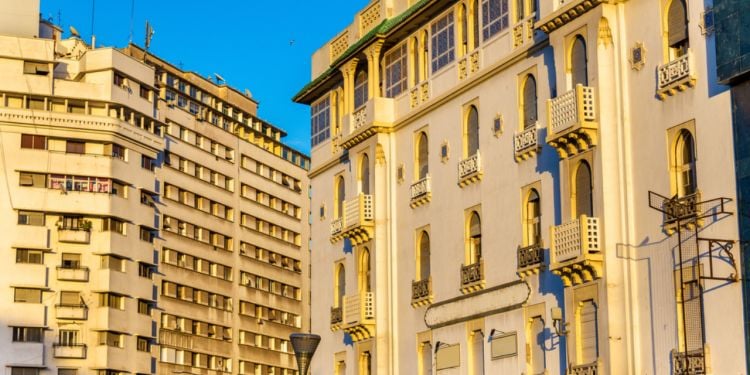
Accommodation in Casablanca
In Casablanca, as anywhere else, everyone chooses the area where they want to live according to ...
Buying property in Casablanca
The real estate market in Morocco and particularly in Casablanca, is quite similar to the ...
Casablanca neighbourhoods
Stretching over 220 km², Casablanca is more than twice the size of Paris. Like all historical ...
Leisure, culture & things to do
Casablanca offers a lively urban atmosphere, featuring a bustling waterfront, a thriving contemporary art scene, and active nightlife. The city's notable sites include architectural landmarks and museums, which form the backdrop to a variety of annual festivals and major sports events. Residents can also enjoy the extensive network of coastal promenades and public spaces.
Museums & culture
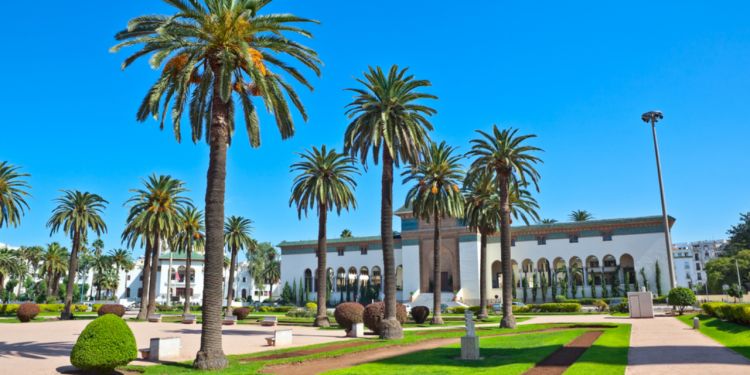
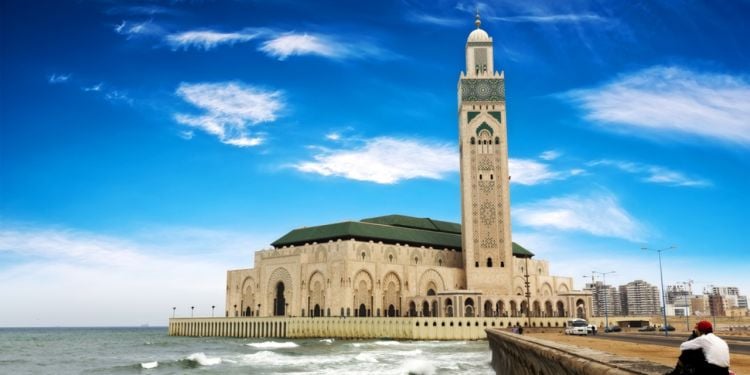
Highlights include Muhammad V Square and the Museum of Moroccan Judaism, along with smaller contemporary galleries. The Hassan II Mosque on the Corniche welcomes visitors on guided tours and is notable for its towering minaret and intricate architectural details.
Parks, events & nightlife
The promenade and cafés of the Ain Diab Corniche are popular year-round, while parks and sports clubs provide recreational spaces across the city. Popular nightlife spots include the coastal districts, Gauthier, and Racine. Annual events such as the Jazzablanca and the L’Boulevard Festival (urban music) attract visitors from across the region.
Sources: Casablanca municipal site, Museum of Moroccan Judaism, Hassan II Mosque
🔍To learn more
Things to do in Casablanca alone or with your family
Casablanca is a big city, with different resources for different tastes, just like the city itself. ...
Leisure activities in Casablanca
In a dynamic and diverse city like Casablanca, there's practically no chance that you will ever ...
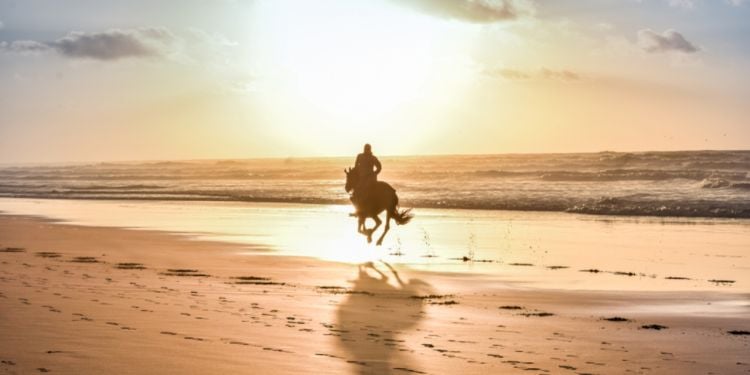
Sports activities in Casablanca
Sport in Morocco is mainly practiced in gyms and sports clubs, and Casablanca is no exception. ...
Daily life
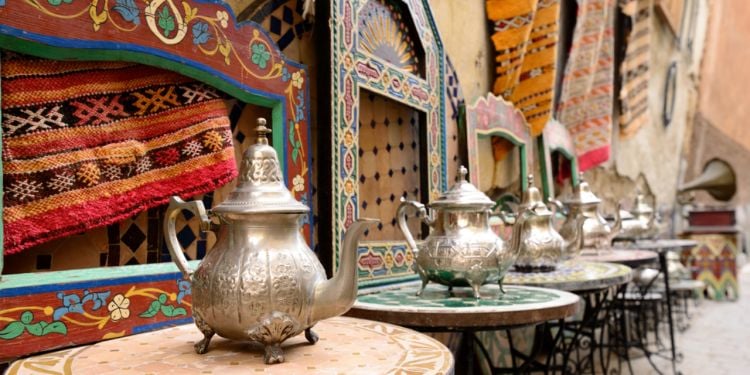
Life in Casablanca moves quickly but retains a strong sense of tradition. Mornings see office workers heading to high-rises while market vendors set up stalls selling spices, textiles, and fresh produce. Cafés fill with locals sipping espresso or mint tea, and daily tasks—from school runs to municipal errands—take place alongside the city’s bustling streets.
Transport & getting around
The Casa Tramway and bus network serve the city’s main corridors with multiple lines (T1–T4) and dedicated bus lanes. Tickets and passes can be purchased at stations, online, or via authorized retailers. Mohammed V International Airport handles flights to destinations worldwide, while ONCF trains connect Casablanca with other Moroccan cities.
Everyday essentials
Casablanca has a variety of shopping options, from traditional markets (souks) to supermarkets and modern malls. It helps to carry small change and know basic French or Arabic phrases. Most public offices operate Monday to Friday.
🔍To learn more
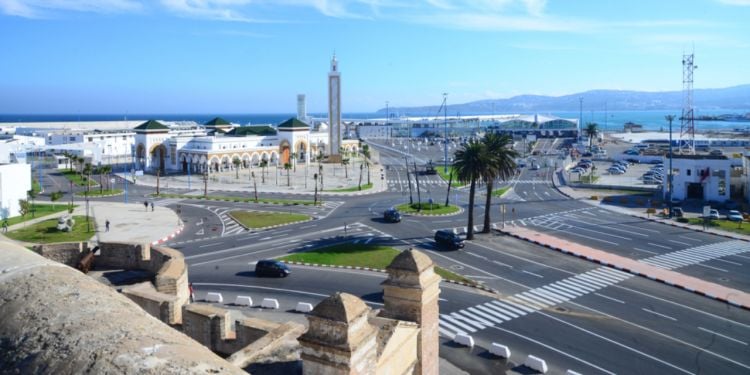
Discovering Casablanca
Casablanca. The name alone is mythical and a symbol of romanticism, thanks to Hollywood! But what ...
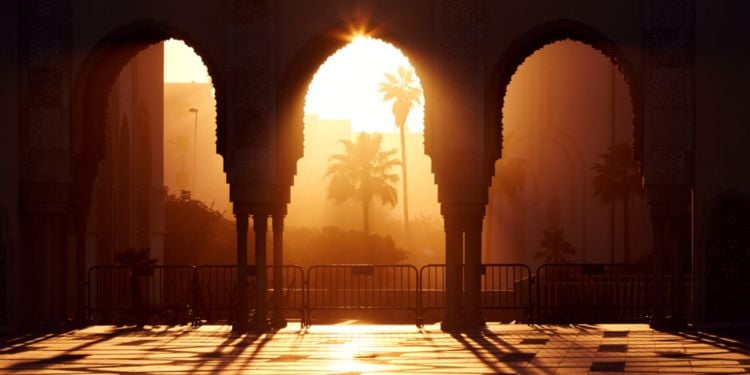
Adjusting to the Casablanca culture
Casablanca is, above all, a mythical city with a diverse culture. With many visitors and expats ...

Developing your social circle in Casablanca
Casablanca is a big city, and it might look scary due to its size and its wide population range. ...
Cost of living
The cost of living in Casablanca is lower than most Western European cities but varies by lifestyle. If you want to cut down on daily expenses, consider shopping at local markets, using public transport, and eating at neighborhood cafés.
Monthly expenses for a single person
Rent (1-bedroom apartment in the city center) | MAD4,000 - 8,000 |
Groceries | MAD1,300 |
Utilities | MAD300 - 700 |
Data correct as of November 2025.
Monthly expenses for a family of four
Rent (3-bedroom apartment in the city center) | MAD7,500 - 15,000 |
Groceries | MAD2,000 - 3,500 |
Utilities | MAD800 - 1,200 |
Data correct as of November 2025.
In short
Casablanca is the country’s economic heart, making it a good choice for expatriates wanting to move for work or study. The city has large universities, international schools, and a growing transport network that makes getting around easy. French and Arabic are commonly used for administrative and business matters, and living costs are significantly lower than in Western Europe. For more insights, join the Expat.com Casablanca forum to ask questions and get advice from expats about neighborhoods, schools, and daily life.
We do our best to provide accurate and up to date information. However, if you have noticed any inaccuracies in this content, please contact us.


News & testimonies
We'll always have Casablanca
My name is Eleanor, and I am from Chicago. I thankfully found a job in an American school and moved to Casablanca right after graduation.

Morocco earthquake: Expats share tales of tragedy and resilience
Morocco has caught the world's attention following the deadly earthquake it was struck by last Friday. According to the United States Geological Survey (USGS), the tremors were of magnitude 6.8, while the Moroccan Geophysical Center recorded the magnitude at 7.2. The local media points out that this is the strongest earthquake the country has experienced in over 120 years. Expats who have been in Morocco for several years have seen their lives turn into a nightmare in just a few minutes.

Five things you should know before moving to Morocco
According to many studies, including the latest Ernst & Young (EY) report, Morocco is one of the most attractive countries for investment in Africa. If you're looking to work, retire, or start or expand your business abroad, here are five things you should know about Morocco and what makes it a great place to live.
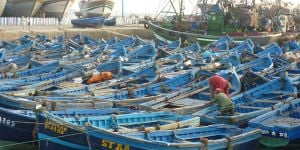
Lynn in Essaouira: "The Moroccan lifestyle is pretty laid back"
British expat, Lynn moved to Essaouira more than three years ago to be with her Moroccan partner. Freelance author and travel writer, she particularly enjoys the sun, the beach and the relaxed pace of life in the country.
Essential services for your expat journey