
The most unusual toilets around the world
The squat toilets in China
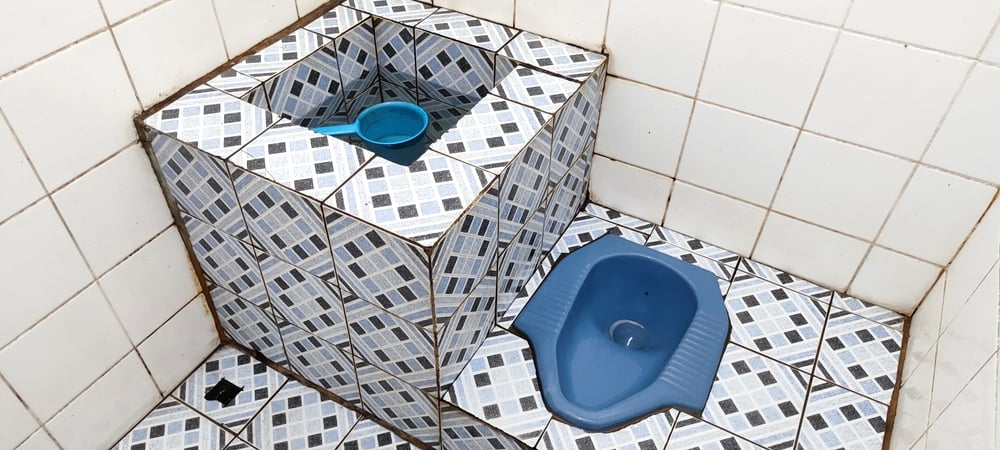
To this day, the majority of restroom facilities in China are squat toilets - and this includes both public bathrooms and those in apartments across the country. If you are an expat in China, renting an apartment with a “Western-style” toilet pretty much puts you in the “you've made it category”. Just like bathtubs, toilets with a seat remain a coveted luxury in the local expat community.
If you are not familiar with the idea of a squat toilet, it is exactly what it sounds like: it's a toilet that you use by squatting rather than sitting. Visually, it's a porcelain basin on the floor. These types of toilets have been used in China for centuries, and some recent studies have even shown that they may be better for your health than the familiar toilets back home.
The high-tech toilets in Japan
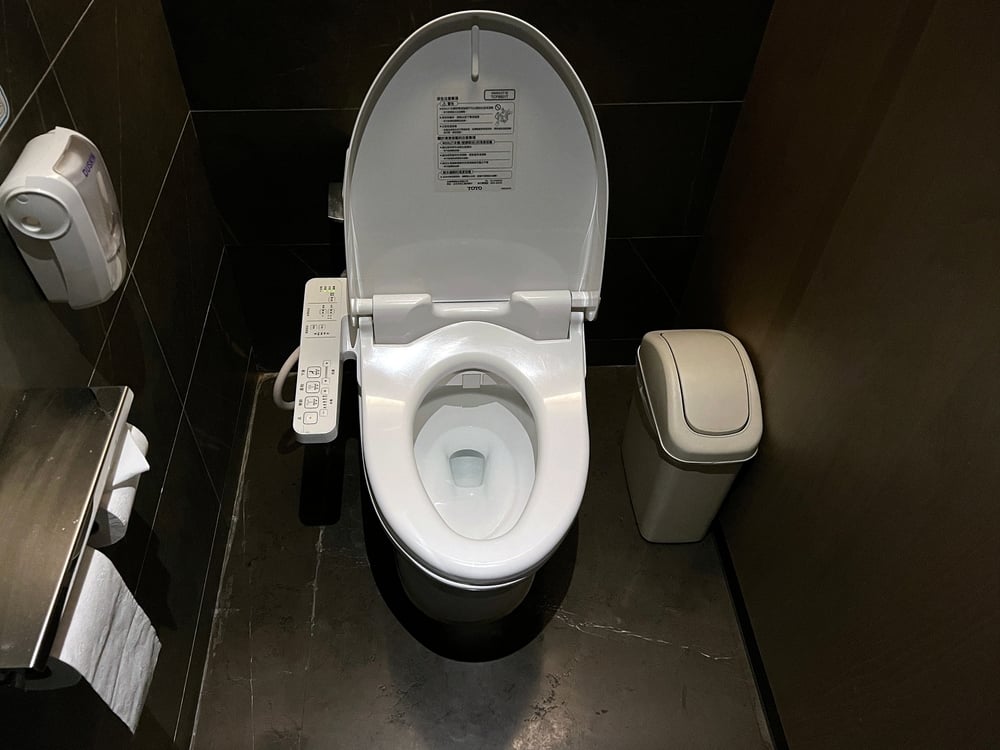
Japan is known for all things high-tech — and occasionally weird. And the country's now famous toilets perfectly fit into this picture. Heated seats, warm air dryers, deodorizers, and music-playing options have also earned Japanese toilets a substantial following on social media – as well as a dedicated episode on South Park.
A lot of the time, you can also personalize your experience via the elaborate control panel that often leaves those new to the invention at a loss as to what button to press - any why there is more than one.
The “Bum Guns” in Thailand and Turkey
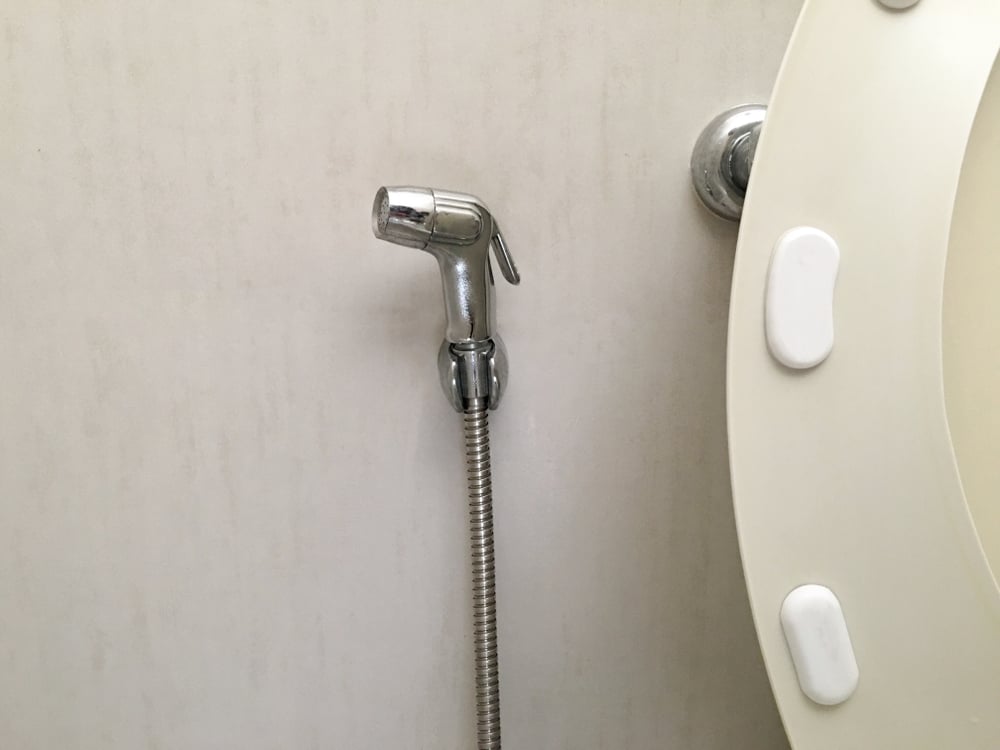
Bum guns are officially known as bidet sprayers or health faucets – but the descriptive nickname has been given to them by the unexpecting expats caught off guard in bathrooms with no toilet papers. While not necessarily a major life adjustment, bidet sprayers may take some time to get used to. You are likely to find bidets in most Muslim countries. And while they may seem unusual at first, many expats come to appreciate the cleanliness and eco-friendliness that bum guns offer.
Scoops and buckets in Indonesia
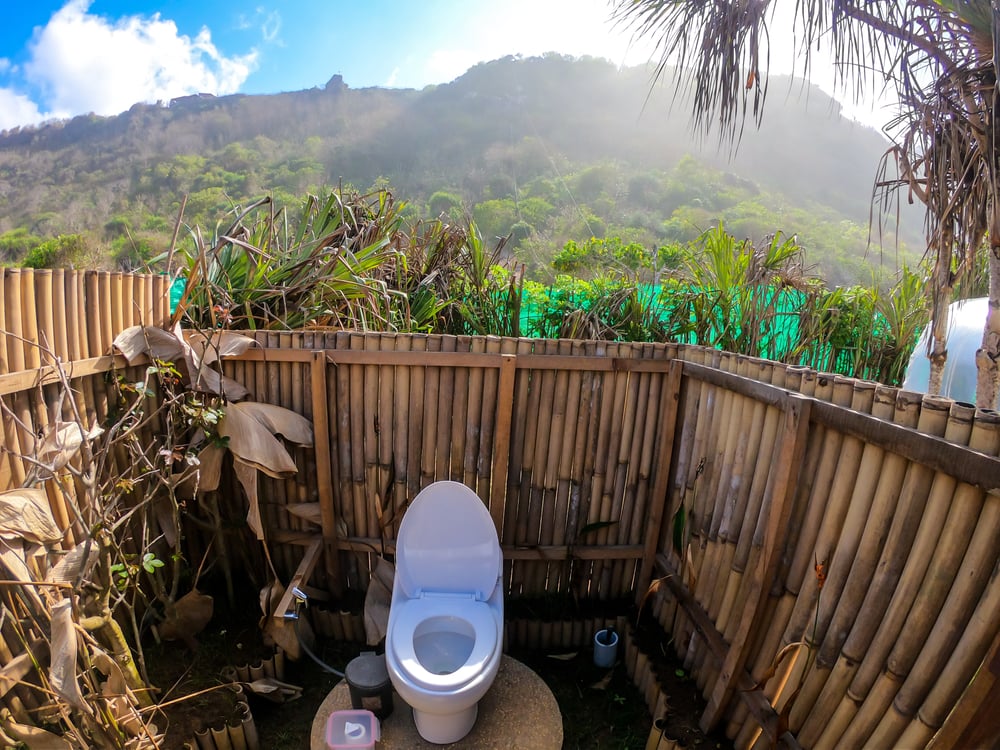
If you are familiar with the Instagram-faced side of Bali, you may imagine Indonesian bathrooms as outdoor art rooms complete with a rose-filled jacuzzi. And while these conveniences certainly exist on the island, outside the glamor and expat-readiness of Bali, Indonesia can be wild and unpredictable. In the more rural parts of the country, you are likely to find a scoop and bucket setup. In these types of toilets, you won't find a conventional flush mechanism or plumbing system. Instead, you will be asked to use a squat toilet or even a simple hole in the ground. Next to it, you will generally find a plastic scoop and a bucket filled with water used for hygiene and flushing.
Floating toilets in rural Cambodia
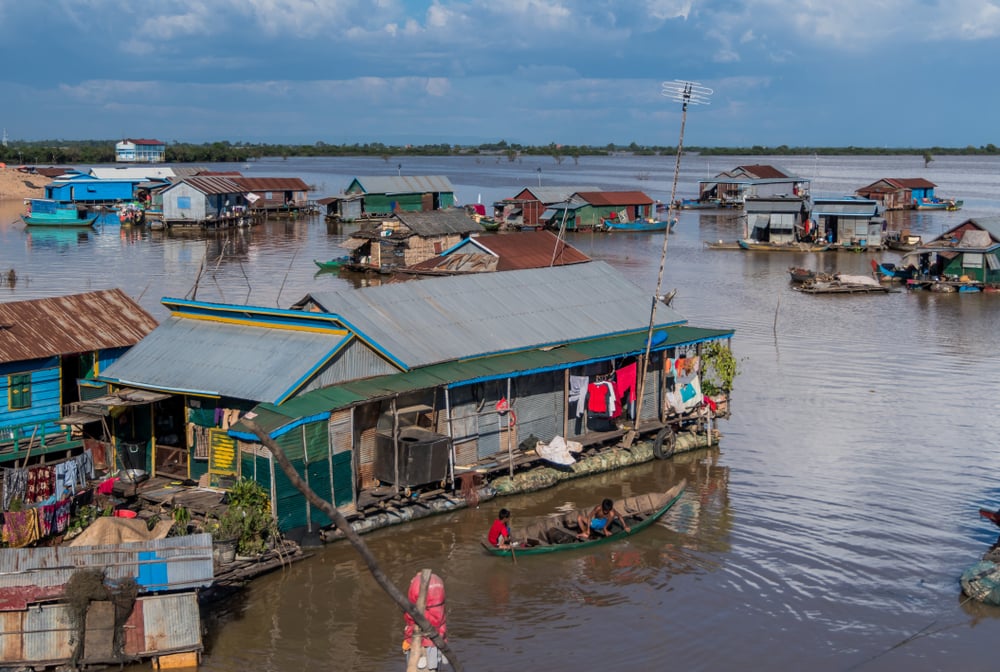
In Cambodia, floating toilets are an inventive adaptation to the unique way of life along the country's extensive network of rivers and lakes – especially in rural areas. Though unusual and definitely a picturesque sight, floating toilets are not here for the tourists. They address sanitation needs while minimizing the environmental impact in the sensitive aquatic ecosystem where a lot of Cambodian villages are based. Using a floating toilet is not particularly different from using a stationary one – you will just need to make some allowances for the ripples.
Communal toilets in Russia
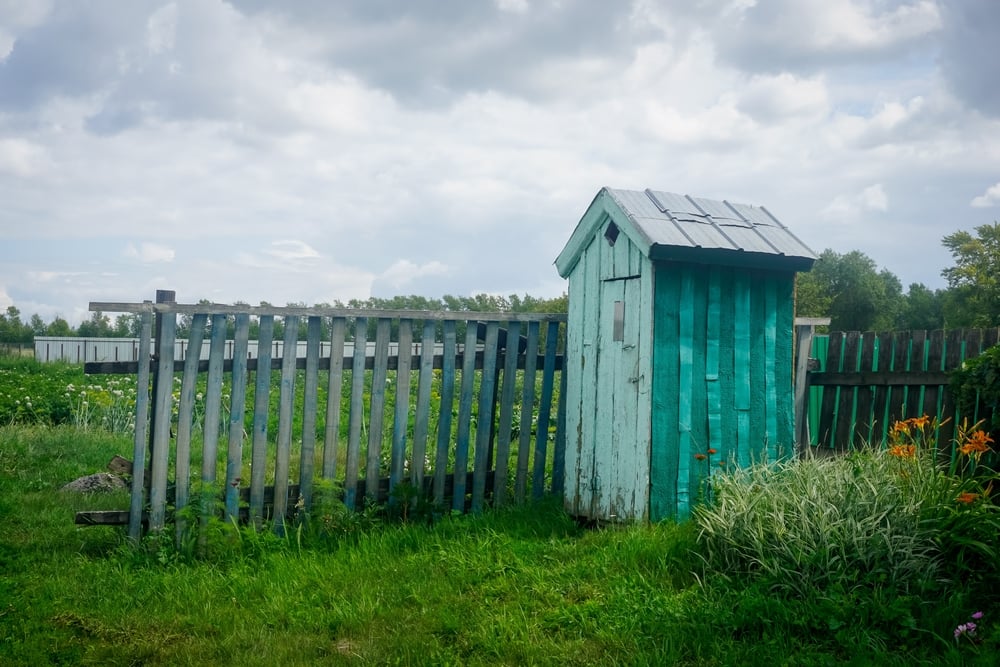
In older buildings in Russia, particularly communal apartments, you may find shared toilets down the hall from individual apartments. These shared toilets are a reminder of the communal living practices from the Soviet era - but are actually more widespread than one might think, especially in smaller towns and hostels.
If you are traveling through rural Russia, you may just be lucky enough to come across the infamous standalone cabin toilets often featured in pictures of Russian farmland. These toilets are basically small, rickety wooden structures with a hole in the ground and a strategically placed keyhole opening so that you can see if anyone is approaching your private cabin.
Eco-friendly toilets in Sweden
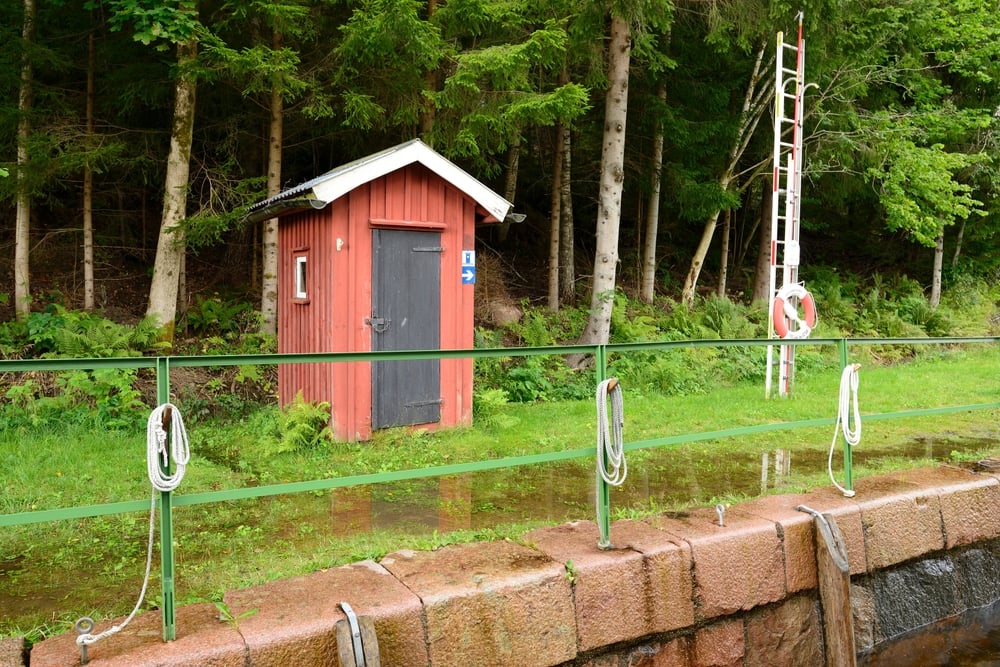
In Sweden, you may come across composting toilets. These are often found in eco-communities, remote cabins, and nature reserves – but you may even come in touch with one (quite literally) in any public facility that prioritizes sustainability. These toilets separate and convert human waste into nutrient-rich compost, reducing water consumption and minimizing the environmental impact of waste disposal. For expats looking to embrace a more sustainable lifestyle, composting toilets may actually be a welcome sight and a favorable adjustment.