



Veedushi Bissessur
@Veedushi
Mauritian citizen
Forum posts
1643
Contacts
68
About me
Mauritian
Lives in Quatre Bornes
Speaks Français, anglais, créole, hindi
Registration: 02 April 2013
Articles written or translated by Veedushi Bissessur

Bogotá is home to more than 30 universities and draws students from across Latin America and beyond, offering a combination of rigorous academics, relatively affordable tuition compared to North American or European cities, and full immersion in Spanish within a large, dynamic metropolis. Whether you are considering a semester exchange or a full degree program, this article covers the institutions, costs, visa requirements, neighborhoods, and daily realities that shape student life in the Colombian capital, including one important detail many students overlook: the strict work restrictions that apply to most international student visa holders.
25 May 2026Bogotá sits at 2,640 meters above sea level, making it one of the highest capital cities in the world, and that altitude shapes almost everything about daily life here: the cool climate, the physical adjustment period on arrival, and even the hearty local cuisine. With a metropolitan population of nearly 12 million, Colombia's capital is a sprawling, high-energy city that blends colonial architecture with a fast-growing tech and corporate economy. This article covers the neighborhoods where expats tend to settle, what things cost, how the city moves, and what to expect from the culture, the food, and the community you'll find here.
25 May 2026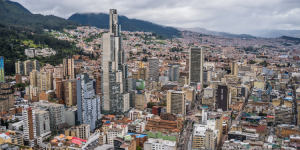
Foreigners can buy residential property in Bogotá with relatively few restrictions, making the city one of the more accessible markets in Latin America for international buyers. The Colombian peso's exchange rate, a range of neighborhoods at very different price points, and a clear legal framework for registering foreign investment all combine to make the process manageable, provided buyers understand the local procedures. This article covers everything from neighborhood price ranges and the step-by-step buying process to transaction costs, mortgage conditions, ongoing ownership taxes, and what foreign sellers need to know when it comes time to exit the market.
25 May 2026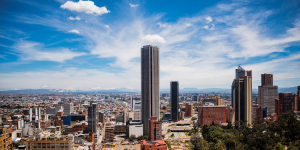
Bogotá generates roughly a quarter of Colombia's entire economic output, making it the country's undisputed commercial center and the most consequential city for any expat planning to build a career in the region. The city combines a large base of established multinationals, a fast-growing technology sector, and a deeply relationship-driven hiring culture that rewards those who invest in their network early. This article covers the districts where work concentrates, the employers actively hiring, salary benchmarks, statutory benefits, workplace norms, and what the daily commute actually looks like.
25 May 2026
Bogota sits at 2,640 metres (8,661 feet) above sea level, and that single fact shapes every aspect of its sports culture. Newcomers who arrive expecting to jump straight into a training routine quickly discover that the altitude demands a gradual acclimatization period before aerobic performance returns to normal levels. Once past that adjustment, the city opens up into a remarkably active environment: free Sunday cycling events covering 120 kilometres of closed avenues, a public sports infrastructure managed by the Instituto Distrital de Recreación y Deporte (IDRD), competitive football derbies that fill a 39,000-seat stadium, and a padel scene that has grown from niche to mainstream in just a few years. This article covers the main sports and fitness options available across the city, from spectator events and gym memberships to kids' programs and public courts.
25 May 2026
Choosing the right school is one of the most consequential decisions an expat family makes before relocating to Bogotá. The city runs on two academic calendars, offers a wide range of international curricula from the IB Diploma to Advanced Placement and the French Baccalaureate, and presents a competitive admissions landscape where waiting lists at popular schools can stretch from 3 to 9 months. Understanding how the system is structured, which neighborhoods sit closest to the main campuses, and what the full annual cost actually looks like will help families arrive with a plan rather than scramble for a place.
22 May 2026
Becoming a Colombian citizen is one of the most consequential steps in an expat's life in the country, and Colombia makes the process more accessible than many people expect. The legal framework, updated under Ley 2332 de 2023, offers several distinct pathways depending on your background: standard naturalization after five years of permanent residency, accelerated timelines for Latin American and Caribbean nationals, a two-year route for those married to Colombian citizens, and automatic citizenship by descent for children of Colombian parents. Colombia also permits dual citizenship under Article 96 of its Constitution, which means most applicants can become Colombian without giving up their existing nationality. This article covers every pathway, the exams and documents you will need, the real costs involved, and what happens on the other side of the oath ceremony.
21 May 2026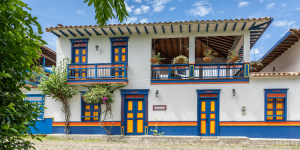
One in four residential properties sold in Medellín in 2024 was acquired by an international buyer or non-resident Colombian: a figure that says a great deal about how Colombia's real estate market has evolved. Foreign nationals enjoy the same constitutional property rights as Colombian citizens, face no nationality-based restrictions on standard urban purchases, and can complete a transaction using only a valid passport. This article covers the full buying process, from understanding the market and choosing a location to registering your investment with the Central Bank, managing ongoing taxes, and qualifying for an investor visa.
21 May 2026
Colombia has one of the most socially vibrant dating cultures in Latin America, shaped by deeply rooted family values, regional differences between cities like Bogotá and Medellín, and a sharp divide between traditional courtship norms and modern app-based dating. For expats, navigating this landscape means understanding specific social expectations around who pays, how fast relationships move, and where the genuine safety risks lie. This article covers everything from the first date dress code to the visa pathway for a long-term partner.
21 May 2026
Colombia attracts foreign professionals across industries ranging from technology and energy to agriculture and education, yet its work authorization system is more structured than many expect. Every foreign national must hold a valid work visa before starting any compensated activity, and the type of visa required depends on the nature of the role, the employer's legal setup, and whether the work is performed for a Colombian or foreign entity. This article covers all major work visa categories, the sponsorship requirements employers must meet, the step-by-step application process, fees, and what happens after you arrive, including social security contributions and the path to permanent residency.
21 May 2026
Colombia attracts a growing number of retirees drawn by a cost of living roughly 50% to 60% lower than in the United States or Western Europe, a private healthcare sector with internationally accredited hospitals, and a climate that ranges from Caribbean coastline to temperate mountain valleys. The Visa Migrante Pensionado (M-11) offers a clear legal pathway to long-term residency for anyone receiving a qualifying lifetime pension, and the path to permanent residency follows after five continuous years of legal residence. This article covers everything from visa income thresholds and tax rules to the best cities for retirees and the practical challenges you should plan for before you arrive.
21 May 2026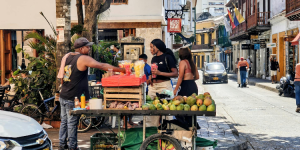
Colombia sits at the northern tip of South America with coastlines on both the Pacific Ocean and the Caribbean Sea, a geographic position that shapes everything from its climate to its culture. The country has steadily built a reputation as a practical and rewarding destination for expats: the cost of living runs roughly 51.6% lower than in the United States, a dedicated Digital Nomad Visa opened a clear legal pathway for remote workers, and cities like Medellín and Bogotá offer modern infrastructure alongside a warm social culture. This article covers what daily life in Colombia actually looks like, from regional differences in pace and climate to safety realities, food, language, and where the expat community concentrates.
21 May 2026
Football fills stadiums in Bogotá and Medellín every weekend, cycling is woven into the national identity, and a Sunday morning in any major Colombian city means streets closed to traffic and opened to runners, walkers, and riders. Colombia offers a wide range of ways to stay active and connect with local life, whether you are joining a neighborhood futsal game, signing up for a PADI course on the Caribbean coast, or tackling one of the Andes' legendary road climbs. This article covers the sports culture, facilities, costs, and practical steps you need to get moving in Colombia.
21 May 2026
Medellín runs on a calendar that rarely goes quiet. Between a free international poetry festival in July, the iconic Feria de las Flores in August, and a Christmas light display stretching 1.5 km along the Río Medellín, the city gives expats a concrete reason to get out and explore nearly every month of the year. This article covers the full range of leisure options available in Medellín: cultural attractions, outdoor spaces, shopping, festivals, nightlife, family activities, wellness centers, and the social events where newcomers tend to meet people.
21 May 2026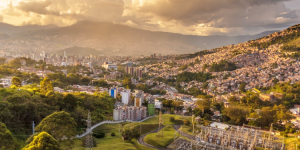
Medellín sits in a narrow Andean valley at roughly 1,500 meters above sea level, giving it a mild year-round climate that sets it apart from most cities at the same latitude. For expats, that climate is just one of several reasons the city has attracted a growing international community: a relatively low cost of living by global standards, a well-connected public transit network, and distinct neighborhoods that range from buzzing international hubs to quieter residential streets where Spanish is the clear default. This article covers the practical and cultural essentials you need to plan or settle into life in Medellín.
21 May 2026
Colombia places children at the center of social life in a way that many expat parents find genuinely refreshing. From the warmth strangers show toward young children in public to the strong network of international schools in Bogotá, Medellín, and Cali, the country offers a solid foundation for family life abroad. This article covers everything parents need to navigate childcare, schooling, healthcare, and daily life with children in Colombia, including the practical details that make the difference between a smooth transition and a stressful one.
21 May 2026
Colombia draws a steady stream of newcomers with its varied climates, relatively low cost of living, and visa categories designed specifically for retirees and remote workers. What catches many people off guard is the pace and precision that Colombian bureaucracy demands: registration deadlines are strict, customs procedures are detailed, and most official processes run exclusively in Spanish. Whether you are heading to Bogotá for work, Medellín for lifestyle, Cartagena for the coast, or Cali for a lower-cost urban base, getting the sequence right from the moment you land makes a significant difference to how smoothly your first months unfold. This article walks through the full relocation process, from visa planning and financial preparation to shipping, customs rules, and the first administrative steps you need to take after arrival.
21 May 2026
Colombia has a dedicated visa for remote workers, affordable living costs across its major cities, and an established nomad infrastructure that few countries in Latin America can match. Whether you are drawn to Medellín's temperate climate, Bogotá's metropolitan energy, or the Caribbean coast, this article covers everything you need to make an informed decision: the legal framework, visa requirements, tax implications, connectivity, accommodation, and the realities of daily life as a remote worker in Colombia.
21 May 2026
Colombia ranks 32nd globally for fixed broadband speeds, with a median download of 292.77 Mbps, putting it ahead of many Western European countries on that metric. Whether you are setting up a home office in Bogotá, working remotely from a coastal town, or simply landing and needing a SIM card on day one, this article covers everything from mobile network coverage and prepaid plans to home fiber options, satellite internet, public WiFi, and the device registration rules that catch many newcomers off guard.
21 May 2026
Colombia's road network spans everything from smooth multi-lane highways connecting major cities to narrow mountain passes that demand patience and local knowledge. For expats, getting behind the wheel here requires more than a valid license from home: the rules around when your foreign license stops being valid, what insurance the law requires, and how traffic restrictions like Pico y Placa affect daily movement are all practical realities that shape life on Colombian roads. This article covers the full picture, from your first days as a tourist driver to buying and registering a vehicle as a long-term resident.
21 May 2026
Colombia runs on social energy. Music spills out of neighborhood cafés, Sunday mornings belong to cyclists and families in the park, and the calendar fills quickly with festivals that bring entire cities to a standstill. For expats, this rhythm can be both exhilarating and disorienting at first. This article covers the full range of leisure and lifestyle options across Colombia's major cities and regions, from free museum Sundays in Bogotá and salsa classes in Medellín to day trips, dining costs, and the best times to shop. Whether you're settling in long-term or still finding your bearings, understanding how Colombians spend their free time makes integration considerably easier.
21 May 2026
Setting up a bank account in Colombia is one of the first practical steps that separates a short-term visitor from a committed resident. The country has a mature, tightly regulated financial sector overseen by the Superintendencia Financiera de Colombia (SFC) and the central bank, Banco de la República, alongside a rapidly growing digital banking ecosystem that now rivals many larger economies. What makes Colombia particularly notable for newcomers is the documentation chain: without a physical foreigner ID card, the Cédula de Extranjería, no formal financial footprint is possible. This article covers everything you need to navigate that process, understand the costs involved, and make the most of both traditional and digital banking options available to expats.
21 May 2026
Colombia ranks 33rd globally in the CEOWORLD Health Care Index, with a coverage rate of roughly 99% of the population and internationally recognized hospitals in its major cities. For expats, understanding how the system is structured from the start makes a significant practical difference: the public and private sectors operate very differently in terms of access, wait times, and cost, and health insurance is a mandatory visa requirement for most long-term stays. This article breaks down every dimension of the Colombian healthcare system, from enrolling in the public scheme and choosing private coverage to finding a doctor, filling prescriptions, and knowing what to do in an emergency.
21 May 2026
Colombia taxes its residents on their worldwide income, uses an annually adjusted unit of value to set every threshold in its tax code, and in late 2025 introduced emergency wealth and equity levies by presidential decree after a major reform bill failed in Congress. For expats, the stakes are real: once you cross 183 days on Colombian soil, your global income becomes declarable to the tax authority. This article covers how the system works, what triggers tax residency, the rates that apply to individuals and companies, and how to stay compliant.
21 May 2026
Colombia has a well-developed higher education system, with several universities ranked among the top in Latin America, tuition fees that are a fraction of what comparable programs cost in North America or Europe, and a campus culture that integrates students into city life quickly. Whether you are considering a full undergraduate degree, a postgraduate program, or a semester exchange, Colombia offers a range of options across Bogotá, Medellín, and Cali. This article covers everything you need to plan your studies: from understanding the academic calendar and admission requirements to securing your student visa, managing your budget, and navigating what comes next after graduation.
21 May 2026
Colombia's geography shapes everything about how people move through it. A country divided by three Andean mountain ranges, a Pacific coastline, a Caribbean shore, and an Amazon basin cannot rely on a single transport model, and it doesn't. Cities like Bogotá, Medellín, and Cartagena each operate their own transit systems, intercity travel depends almost entirely on buses and domestic flights, and in the Amazon region, rivers remain the main roads. This article covers every major transport option available to expats living in Colombia, from daily commutes on Bus Rapid Transit networks to airport transfers, cycling infrastructure, and the legal complexities of ride-hailing apps.
21 May 2026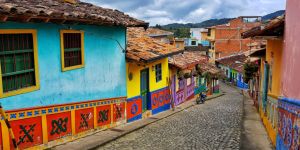
More than 40% of Colombian households live in rented properties, making renting the dominant housing arrangement in a country where urban demand is growing fast. Whether you are heading to Bogotá's northern business districts, Medellín's leafy residential neighborhoods, or Cartagena's coastal streets, the rental market is active and accessible, but it comes with a set of requirements that catch many newcomers off guard. The most significant of these is the codeudor, a local guarantor who owns mortgage-free real estate in Colombia, which most formal leases require by law. This article explains how the market works, what documents you need, what to expect from a lease, and how to navigate the process as a foreigner.
21 May 2026
Colombia allows citizens of over 100 countries to arrive without a visa, yet the entry system comes with rules that catch many travelers off guard. The 180-day annual cap, the mandatory Check-Mig digital registration form, and a structured fine system for overstays make it essential to understand how short-stay access actually works before you book your flights. This article covers who qualifies for visa-free entry, which visa categories apply to those who do not, how to apply, what to carry to the border, and what happens if you stay longer than permitted.
21 May 2026
Colombia attracts a growing number of foreign residents drawn by its varied climate, urban energy, and relatively accessible immigration pathways. What makes the system stand out is its fully digital architecture: every visa application, regardless of category, is submitted online through a single government portal, and visas are issued electronically by email. Understanding how the three main visa tiers work, what each category requires, and what to do after you arrive will put you in a strong position to plan your move with confidence. This article covers the complete framework, from short tourist stays to permanent residency.
21 May 2026
Colombia recorded a national unemployment rate of 9.2% in February 2026, the lowest figure for that month since 2001. For expats weighing a career move to the country, that number signals a market in motion. The economy is growing, foreign direct investment is flowing in from the United States, Spain, Panama, and China, and demand is rising sharply in technology, renewable energy, and bilingual services. This article covers everything you need to navigate that market practically: where the opportunities are, how to search and apply, what to expect in interviews, and how employment contracts and labor protections actually work in Colombia.
21 May 2026
Getting married in Colombia is legally straightforward for foreigners, with no residency requirement and a clear notarial process that applies equally to opposite-sex and same-sex couples. Whether you are planning a civil ceremony at a local notary or a Catholic church wedding, both carry full legal weight provided the marriage is properly registered. This article covers every stage of the process, from gathering your documents and understanding apostille requirements to filing for a spouse visa once the ceremony is done.
21 May 2026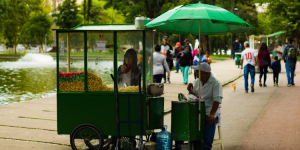
Sitting at 2,640 meters above sea level, Bogota has built a food culture shaped as much by altitude as by history. Hearty soups and warming comfort foods remain central to daily life, while the city's restaurant scene has grown into one of the most layered in Latin America, ranging from a corrientazo lunch costing under USD 5 to multi-course tasting menus that draw international food travelers. Whether you're settling into a neighborhood for the long term or still finding your bearings, understanding how Bogota eats will help you shop smarter, spend less, and eat better from your first week onward.
20 May 2026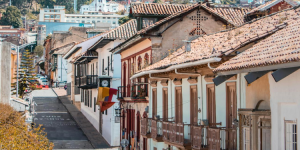
Finding a rental in Bogotá is manageable once you understand how the property market works, but the city has a few rules that catch most newcomers off guard. Colombia's rental framework is governed by a national law that caps rent increases, prohibits cash deposits, and requires a financial guarantee that most foreigners simply don't have when they arrive. This article covers the full rental process in Bogotá: which neighborhoods attract expats, what different apartment types cost, how the application process works, and how to navigate the guarantor requirement that stands between most new arrivals and their first long-term lease.
20 May 2026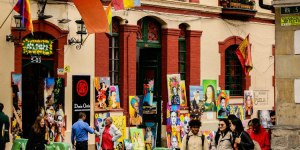
Bogotá sits at over 2,600 meters above sea level, and its cool, consistent climate shapes the rhythm of daily life in ways that surprise many new arrivals. The city runs on a dense calendar of free cultural events, open-air markets, weekly street closures for cyclists, and a nightlife scene anchored in a handful of well-defined neighborhoods. This article covers the main leisure options available to expats across the city, from world-class museums and outdoor spaces to festivals, shopping, and the social networks that make building a life here considerably easier.
20 May 2026
Building a professional or social network in Bogotá takes a different approach than in many other major cities. Relationships come first here, and business rarely moves forward without a foundation of personal trust. For expats arriving in the city, understanding this dynamic early makes a tangible difference: knowing where to show up, which platforms professionals actually use, and how to follow up correctly can open doors that cold outreach simply will not. This article covers the key events, associations, coworking spaces, expat groups, and cultural norms that shape networking in Bogotá today.
20 May 2026
Santiago operates one of the most integrated and technologically advanced public transport networks in Latin America, making it entirely possible to live well here without ever owning a car. The system, known as the Red Metropolitana de Movilidad, combines the Metro, electric buses, and commuter rail into a single fare network, and a smart monthly cap means frequent commuters can significantly reduce what they spend on getting around. Whether you are settling into Providencia, exploring Lastarria on foot, or figuring out how to get from the airport on your first day, this article covers every transport option available in the city so you can navigate confidently from the start.
10 April 2026
Building a professional and social network in Santiago takes more than showing up to events. Chilean business culture runs on personal trust and long-standing relationships, which means the rules of engagement here differ meaningfully from what many expats are used to. This article covers the key networking events, associations, expat communities, and platforms active in the city, along with practical advice on how to build credibility and lasting connections in Santiago's business environment.
10 April 2026
Chile is home to the top-ranked university in Latin America, according to the QS Latin America and Caribbean University Rankings 2026, and its higher education system spans institutions across the country, from Santiago to Valparaíso and Concepción. For international students, the combination of competitive tuition fees, specialized academic programs, and a clear post-graduation pathway makes Chile a genuinely practical choice. This article covers everything from how to apply and what a student visa requires, to what daily life and finances look like on the ground.
10 April 2026
Chile has a well-structured immigration system, but it comes with a rule that catches many people off guard: you generally cannot arrive as a tourist and switch to a residency permit while inside the country. Most visa categories require you to apply from abroad before you travel. Understanding how the system works, which permit fits your situation, and what to expect at each stage will help you plan your move with confidence. This article covers every major residency pathway available in Chile, from short-stay permits and work visas to investor and retirement options, along with what to do once you arrive.
10 April 2026
Chile permits 100% foreign ownership of companies with minimal restrictions, making it one of the more open markets in Latin America for foreign entrepreneurs. Whether you are launching a startup in Santiago, establishing a trading company, or scaling an existing operation into South America, understanding Chile's registration process, tax framework, and employment rules is essential before you begin. This article covers every key step, from choosing a legal structure and registering with Chilean authorities, to hiring your first employee and accessing government support programs designed specifically for foreign founders.
09 April 2026
Chile stretches over 4,300 km from the driest desert on earth to some of the most dramatic glacial landscapes on the planet, and that geography shapes everyday life in ways that few other countries can match. Weekends in Santiago can mean skiing in the Andes in the morning and sampling wine in a valley vineyard by the afternoon. This article covers the full range of leisure options available across Chile, from free museum days and street art in Valparaíso to nightlife in Bellavista and stargazing in the Atacama, giving expats a practical picture of what daily life outside of work actually looks like.
09 April 2026
Chile has one of the most structured work authorization frameworks in Latin America, built around a migration law that reshapes how foreign nationals enter the workforce. Whether you are moving for a corporate role in Santiago, seasonal work in the agricultural regions, or independent consulting anywhere in the country, understanding the rules before you travel is essential: the current system requires most applicants to apply from outside Chile before arriving. This article covers every major stage of the process, from visa categories and eligibility to fees, rights, and the path to permanent residency.
09 April 2026
Valparaíso holds a distinctive place in Chilean education: some of South America's oldest international schools were founded here, and the city remains home to institutions offering trilingual instruction and dual graduation pathways. For expat families, the school landscape is more layered than it first appears. The best-known British, German, and French international schools sit in neighboring coastal communes rather than within the city limits, while Valparaíso proper hosts strong private options and a growing public system. Understanding this geography early is the key to making the right decision about where to live and which school to target.
09 April 2026
Valparaíso is a port city shaped by the Pacific, and its food scene reflects that geography at every turn. Fresh seafood pulled daily from the ocean, bold Chilean comfort dishes, and a thriving café culture spread across its colorful hillside neighborhoods give the city a culinary identity that is hard to find anywhere else in Chile. Lunch is the anchor of the day here, the evening meal starts late, and the local wine flows easily thanks to the nearby Casablanca Valley. This article covers everything expats need to know to eat well in Valparaíso: from the dishes to seek out on arrival to where to shop, how much to budget, and how to navigate delivery apps and dietary needs.
09 April 2026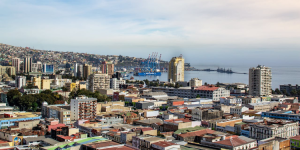
Valparaíso's port handles roughly 25% of Chile's national cargo volume, which tells you a lot about the city's economic identity before you even set foot there. The job market here is shaped by maritime logistics, a growing tourism sector, and a dense cluster of universities that together create a varied but competitive employment landscape. Getting hired locally without Spanish is a real challenge, and salaries sit below the national average; however, the cost of living is considerably lower than in Santiago, which changes the practical calculation for many expats. This article covers the key industries, business districts, major employers, salary benchmarks, and commuting realities you need to know before making a professional move to Valparaíso.
09 April 2026
Chile's residential property market has been recovering steadily, with nationwide sales volumes surging by 26.6% year-on-year in the third quarter of 2025. For foreign buyers, the country offers something relatively rare in Latin America: full and equal property rights, no residency requirement, and a transparent legal framework built around an inflation-adjusted pricing unit called the Unidad de Fomento (UF). Whether you are buying an apartment in Santiago, a vacation home on the Pacific coast, or a lifestyle plot in the Lake District, this article covers everything you need to know before signing anything, from the first administrative step to the taxes you will owe after the keys are in your hand.
09 April 2026
Santiago's rental market moves fast. Vacancy rates for small apartments sit at around 2%, meaning well-located properties are claimed within days of listing. For expats arriving in the Chilean capital, that pace can feel disorienting, especially when combined with a lease system that relies on inflation-linked pricing, notarized contracts, and a local financial guarantor most newcomers have never heard of. This article breaks down the Santiago rental market from neighborhood selection to utility setup, so you can arrive prepared, act quickly, and avoid the most common pitfalls.
09 April 2026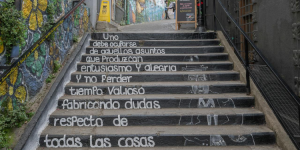
Valparaíso welcomes over 1,000 international exchange and full-degree students each academic year, drawn not just by its universities but by a city that makes academic life impossible to separate from everyday life. The steep hills, street art, and UNESCO World Heritage cityscape form the backdrop to a higher education scene that spans engineering, architecture, health sciences, and the humanities. For anyone considering studying here, understanding how admissions, costs, and student support actually work in Valparaíso is the first step to making the most of it.
09 April 2026
Chile operates one of the most developed healthcare systems in South America, built around a clear public-private structure that every expat needs to understand before their first doctor's appointment. Whether you arrive as a salaried employee, a retiree, or a student, your access to care and the costs you face depend directly on which system you enroll in and when. This article explains how both systems work, what insurance options are available, what things cost, and what to do when things go wrong.
08 April 2026
Valparaíso earned its UNESCO World Heritage designation in 2003 for good reason: the city's steep hillside neighborhoods, labyrinthine staircases, and layered history make it unlike anywhere else on the Chilean coast. For expats settling here, leisure is not a weekend afterthought but the fabric of daily life, from riding century-old funiculars up to street-art-covered cerros (hills) to catching world-class fireworks over the bay on New Year's Eve. This article covers the full range of things to do in Valparaíso, from free outdoor wandering to cultural museums, festivals, nightlife, family outings, and wellness retreats, so you can build a social and recreational life in the city from day one.
08 April 2026