Colombia runs on social energy. Music spills out of neighborhood cafés, Sunday mornings belong to cyclists and families in the park, and the calendar fills quickly with festivals that bring entire cities to a standstill. For expats, this rhythm can be both exhilarating and disorienting at first. This article covers the full range of leisure and lifestyle options across Colombia's major cities and regions, from free museum Sundays in Bogotá and salsa classes in Medellín to day trips, dining costs, and the best times to shop. Whether you're settling in long-term or still finding your bearings, understanding how Colombians spend their free time makes integration considerably easier.
Daily life in Colombia revolves around music, food, family, and social connections. The country's working culture tends toward long weekday hours, but weekends shift decisively toward neighborhood gatherings, regional escapes, and extended meals that stretch well into the evening. Expats who lean into this social rhythm typically integrate faster than those who keep to themselves.
Colombia does not follow a four-season calendar. Sitting close to the equator, the country moves between dry and rainy seasons, with altitude doing more to determine daily climate than the time of year. Bogotá sits at 2,640 meters and stays permanently cool, Medellín enjoys a mild spring-like climate year-round, and Cartagena on the Caribbean coast is consistently tropical. Outdoor activity peaks during the main dry periods, roughly December through March and again in July and August, while the wetter months push leisure indoors: malls, cultural centers, and restaurant tables become the social venues of choice.
Expats consistently note that Colombian socializing places a strong emphasis on personal introductions and showing up. Accepting extended family invitations and late-night weekend plans, even when you're tired, is often how genuine friendships begin.
Colombia's cultural institutions are among the most accessible in Latin America, with flat entry fees and regular free admission days keeping major museums open to broad audiences.
In Bogotá, the Museo del Oro (Gold Museum) holds over 34,000 pre-Columbian pieces and charges a flat entry fee of COP 5,000 (approximately USD 1.40). Every Sunday, admission is free for all visitors, which draws crowds of up to 5,000 people. Online ticketing is strongly recommended to secure a time slot for the daily guided tours available in both English and Spanish. An audio guide in English costs an additional COP 8,000 (USD 2.23).
Also in the historic La Candelaria district, the Botero Museum and the Casa de la Moneda are both entirely free to the public. These two spaces together offer a substantial introduction to Colombian and international art without any admission cost.
For something more unusual, the Zipaquirá Salt Cathedral, carved into an active salt mine about an hour from Bogotá, offers tiered international adult entry options: a Basic visit runs around COP 121,223 (USD 33.88), a Standard visit costs approximately COP 131,887 (USD 36.87), and the Premium experience is around COP 159,074 (USD 44.47). Timed-entry ticketing applies across all levels to manage visitor flow through the underground spaces.
Join the Colombia community
Get regular tips and advice to make the most of your expat life
Annual events and festivals in Colombia
Colombia's festival calendar is one of the richest in the region, and planning around major events early pays off in both logistics and experience.
The Carnaval de Barranquilla is one of the largest carnivals in the world. The main four-day celebration typically runs in February, with the iconic Batalla de Flores parade opening the festivities. Hotels in Barranquilla reach full capacity well before the event, so accommodation and flights should be booked months in advance.
Festival Estéreo Picnic is Colombia's premier multi-genre music festival, held at Parque Simón Bolívar in Bogotá each March. The event draws international headliners across electronic, rock, and alternative stages and regularly sells out ahead of time.
Two other anchor events define the Colombian calendar: the Feria de las Flores (Flower Festival) in Medellín each August, and the Feria de Cali at the end of December, which centers on salsa music and competition and draws visitors from across the continent.
Outdoor activities in Colombia
Colombia's geography makes it an outstanding destination for outdoor enthusiasts, with options ranging from high-altitude hikes to Caribbean coast marine activities.
In Bogotá, the Ciclovía program closes 121 kilometers of major avenues to motorized traffic every Sunday and public holiday from 7:00 AM to 2:00 PM. Cyclists, joggers, skaters, and walkers take over the streets, making it one of the city's most popular and completely free weekly events.
Hiking Monserrate, the mountain that overlooks Bogotá, is a rite of passage for residents. Those who prefer not to hike can take the funicular or cable car: a round trip costs COP 33,720 (USD 9.43) Monday through Saturday, dropping to COP 21,075 (USD 5.89) on Sundays. Newcomers to Bogotá should allow a few days to acclimatize to the altitude before attempting the ascent on foot.
From Medellín, El Peñón de Guatapé is the standout outdoor excursion: a massive granite monolith rising above a series of man-made lakes, reached by climbing over 700 stairs to a panoramic summit view.
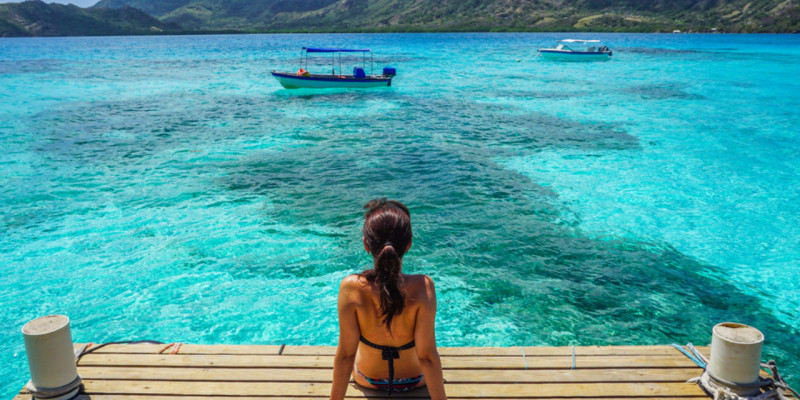
Along Colombia's Caribbean coast, outdoor life focuses on the water. Day trips from Cartagena to the Rosario Islands and the Totumo Mud Volcano, where entrance costs around COP 25,000 (USD 6.99), are popular options for residents and visitors alike.
Nightlife and entertainment in Colombia
Colombia's nightlife scene is lively and varied, with distinct characters across its major cities.
In Bogotá, the neighborhoods of Chapinero and Zona Rosa (commonly called Zona T) concentrate the city's upscale clubs, cocktail bars, and electronic music venues. In Medellín, El Poblado and Laureles offer extensive bar culture across a wide range of budgets and styles.
For cinema, Cine Colombia is the leading theater chain nationwide. At major multiplexes, a General section ticket before 3:00 PM on weekdays costs COP 8,000 (USD 2.23). Prime-time slots on Tuesday and Wednesday evenings rise to COP 12,600 (USD 3.52). Major international releases are screened in their original language with Spanish subtitles; look for the "Subtitulada" label when booking online.
Getting around at night safely means using app-based ride-hailing services such as Uber or Cabify. Hailing taxis off the street after dark is widely discouraged across all major Colombian cities.
Restaurants and dining out in Colombia
Eating out in Colombia covers an unusually wide range of budgets, and understanding the local dining structure helps you get the most out of every meal.
The menú del día is the defining institution of everyday Colombian dining: a set lunch served at casual neighborhood eateries, typically including soup, a main plate with rice and beans, and a drink. Prices run from COP 12,000 to COP 25,000 (USD 3.35 to USD 6.98), making it the best-value meal available at any time of day.
A meal at a mid-range restaurant in neighborhoods like Getsemaní in Cartagena or Chapinero in Bogotá runs from COP 45,000 to COP 80,000 (USD 12.58 to USD 22.36) per person, including a drink.
At the high end, Bogotá's fine dining scene has attracted international recognition. Restaurants such as El Chato and Leo, which appear on the World's 50 Best list, offer tasting menus starting around COP 650,000 (USD 182).
Most mid-range and fine dining establishments automatically add a 10% voluntary tip (propina voluntaria) to the bill. While technically optional, declining it is considered impolite unless the service was poor. For exceptional service, leaving an additional COP 2,000 to COP 5,000 (USD 0.55 to USD 1.40) in cash directly for the server is a common gesture. Always check your bill before adding anything extra, as the 10% is already included as standard.
Shopping in Colombia
Colombia offers a range of shopping environments, from large modern malls to artisan markets carrying traditional crafts.
Major malls include Andino and Unicentro in Bogotá and Santafé in Medellín. International fashion retailers such as Zara, Mango, Stradivarius, and H&M run their winter clearance sales, known locally as Rebajas de invierno, starting online on January 6 and in physical stores from January 7, running through to late February.
A separate e-commerce discount event called the Hot Sale typically takes place in mid-March across major platforms, including Falabella, with heavy discounts on electronics, appliances, and clothing. This event is exclusively online and separate from the January in-store sales.
For traditional crafts, Artesanías de Colombia markets are the most reliable option for mochilas (woven bags), emeralds, and locally produced coffee. Prices at these fixed-price artisan markets are set, unlike those of street vendors, where negotiation is more common.
Fitness and wellness in Colombia
The gym market in Colombia is dominated by two major chains: Smart Fit and Bodytech, with branches across all major cities.
Smart Fit offers several membership tiers. The base Plan Fit costs between COP 69,900 and COP 119,900 (USD 19.54 to USD 33.52) depending on the specific branch, while the premium Plan Black, which grants access to all Smart Fit locations nationwide, is set at COP 119,900 (USD 33.52). A one-time registration fee of COP 9,900 (USD 2.76) applies at sign-up, though promotional periods occasionally waive this cost. Most contracts at major chains run for 12 months (referred to as a fidelidad commitment). A supplementary medical-sports service fee of COP 89,000 (USD 24.88) is typically charged within the first three months of membership.
Month-to-month plans exist but carry fewer multi-gym privileges and generally cost more. Expats planning to stay longer than a year will find the annual contract offers the best value, while those on shorter stays should factor in early cancellation costs before committing.
Hobbies and classes in Colombia
Colombia's cities offer a strong range of classes and creative activities that double as social entry points for expats.
Spanish immersion courses are widely available at private academies in Chapinero (Bogotá), El Poblado (Medellín), and throughout Cartagena. For expats committed to integrating into local life, a structured Spanish course is one of the most practical first investments.
Dance classes are deeply embedded in Colombian culture. Salsa is a staple in Medellín and above all in Cali, while Champeta is central to the social scene in Cartagena and Barranquilla. Group classes at local cultural centers are frequently low-cost or subsidized, and enrolling in one is consistently one of the fastest routes into local social circles.
Cooking classes focused on traditional Colombian dishes, including arepa preparation, ceviche, and sancocho, are available through gastronomy schools and some upscale restaurants that open their kitchens for hands-on experiences.
Family activities in Colombia
Colombia's cities offer a solid range of family-friendly activities that work for both weekday outings and longer weekend trips.
In Bogotá, Parque Simón Bolívar is the city's primary green space for weekend family outings. The park frequently hosts free municipal concerts and community events, making it a regular fixture in many families' Sunday routines. Sunday mornings across Colombian cities generally follow this pattern: parks fill with local vendors, children's activities, and playground crowds, while shopping malls run dedicated children's programming.
For indoor options, Maloka in Bogotá and Parque Explora in Medellín are interactive science museums that draw school groups and families throughout the year. Both offer subsidized entry on specific municipal discount days, making them accessible at a low cost.
For longer weekend trips, Hacienda Nápoles in Antioquia and Parque del Café in Quindío serve as major family destinations. Both integrate Colombian agricultural and regional history with amusement park attractions, making them well-suited for families with children of different ages.
Day trips and getaways from Colombia's cities
Colombia's geography puts a number of memorable day trips within easy reach of its main cities, accessible by public bus for a modest cost.
From Bogotá, the Zipaquirá Salt Cathedral is the most popular day trip. A direct intermunicipal bus from Portal Norte departs every 15 to 20 minutes, costs around COP 7,000 (USD 1.96), and takes roughly one hour. Private carpool or ride-share options run significantly higher, around USD 60 to USD 91 for the round trip.
From Medellín, the town of Guatapé and the monolith El Peñol are the standard getaway. A direct bus from Terminal del Norte costs approximately COP 25,000 (USD 6.99) and takes between 2 and 2.5 hours each way.
Inter-municipal travel in Colombia operates on a pay-per-journey basis with no integrated pass system. Tickets are purchased directly at the main bus terminals (Terminal de Transporte) or through apps such as redBus. Carrying cash is advisable for small-town attractions and buses, as card terminals frequently lose signal outside major urban centers.
Meeting people and socializing in Colombia
Building a social network in Colombia takes some deliberate effort, but the opportunities are genuinely abundant once you know where to look.
The weekly Ciclovía in Bogotá has its own informal community around it: cycling groups form organically, and the event regularly serves as a casual meetup point for expats and locals alike. Language exchange events and neighborhood café gatherings are other consistent anchors of social life.
Long-term expats frequently cite volunteering with local NGOs as one of the most effective ways to build genuine connections. Teaching English, participating in environmental projects, or joining community-building initiatives puts you in regular contact with motivated locals outside of a transactional context.
For finding specific communities, niche Facebook groups, neighborhood WhatsApp clusters, and university bulletin boards are the primary tools for organizing local meetups. Attending events hosted by your home country's local chamber of commerce can also be an effective way to meet both expat professionals and local business contacts who are already oriented toward international relationships.
Colombia rewards those who know when and where to look for value. Several well-established mechanisms keep leisure accessible across a range of budgets.
The most consistent saving is the free museum Sunday in Bogotá: nearly all public museums, including the Gold Museum, waive admission fees on Sundays. Independent galleries and some municipal spaces also offer periodic late-night free entry events. The main trade-off is crowd size, as Sundays at the Gold Museum can see up to 5,000 visitors.
For public transport, the TuLlave card for the TransMilenio bus rapid transit system costs COP 6,000 (USD 1.68) to purchase, with individual rides priced at COP 2,950 (USD 0.82). There is no unlimited tourist pass available for public transport in Colombia; the system operates strictly on a pay-per-journey basis.
The menú del día remains the most consistent food deal in any Colombian city: a three-course set lunch for under USD 7 at a local eatery, available at lunchtime throughout the week.
Expats over 60 frequently qualify for free or half-price entry to national parks and major museums upon presenting a passport or Cédula de Extranjería. It is worth asking at ticket counters even when a senior discount is not advertised.
Most public museums in Colombia maintain flat, accessible entry fees rather than peak or off-peak pricing. The Gold Museum in Bogotá, for example, charges COP 5,000 on weekdays and is free on Sundays. Timed-entry ticketing is used for guided tours to manage visitor flow, so booking online in advance is recommended for weekend visits.
A 10% voluntary tip (propina voluntaria) is automatically added to the bill at most mid-range and fine dining restaurants. You are not obligated to pay a higher percentage, but leaving an extra COP 2,000 to COP 5,000 in cash directly for the server is appreciated for good service. Always check your bill carefully before adding anything extra to avoid double-tipping.
Major chains like Smart Fit typically require a 12-month commitment for their standard membership rates. Month-to-month options exist but are more expensive and come with fewer multi-gym privileges. Expats on shorter stays should review the cancellation terms carefully before signing up.
International brands begin their winter clearance sales online on January 6 and in physical stores from January 7, running through late February. A separate e-commerce Hot Sale event typically takes place in mid-March, covering electronics, appliances, and clothing on major platforms. The two events are distinct: one affects physical stores, the other runs exclusively online.
Colombia does not offer an unlimited tourist transport pass. The TuLlave rechargeable card for Bogotá's TransMilenio system costs COP 6,000 to purchase, and each ride costs COP 2,950. All inter-municipal travel requires individually purchased tickets at the terminal or through booking apps.
Cine Colombia charges around COP 8,000 (USD 2.23) for General seating before 3:00 PM on weekdays. Prime-time and weekend evening tickets rise to approximately COP 12,600 to COP 15,700, depending on seat tier and location. Films screened in their original language with Spanish subtitles are labeled "Subtitulada."
Tickets can be bought directly at the main bus terminals (Terminal de Transporte) or in advance through apps such as redBus. A bus from Medellín to Guatapé costs around COP 25,000, and the Bogotá to Zipaquirá route runs about COP 7,000. Carrying cash is advisable for smaller towns, as card terminals can be unreliable outside major cities.
The Carnaval de Barranquilla falls in February each year, with the exact dates shifting in line with the liturgical calendar. The celebration runs over four days, opening with the Batalla de Flores parade. Accommodation in Barranquilla fills up months in advance, so planning early is essential.
Tipping taxi drivers is not expected in Colombia. Fares are metered or agreed in advance, and most riders simply pay the stated amount, rounding up to the nearest COP 1,000 at most. Using app-based services removes the need to handle cash or negotiate fares altogether.
ℹ️
We do our best to provide accurate and up to date information. However, if you have noticed any inaccuracies in this article, please let us know in the comments section below.
A journalist, holder of the DALF C1 and C2 and a diploma from the University of Mauritius, I have nearly twenty years of writing experience. After six years in the Mauritian press, I joined Expat.com, where I have been working for over a decade, including five years as editorial assistant, and now as editorial manager.