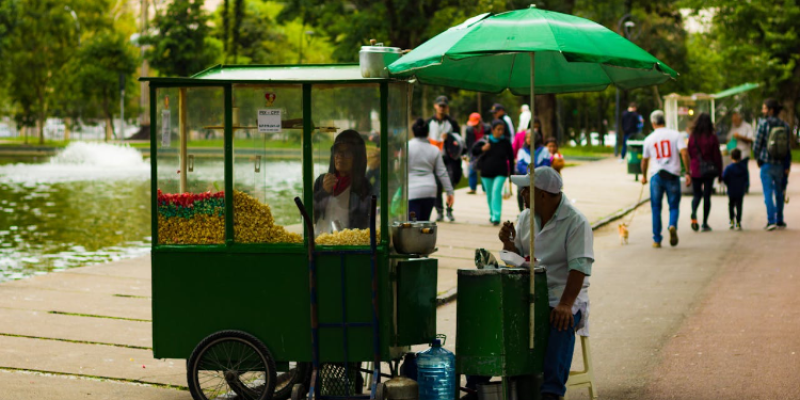
Sitting at 2,640 meters above sea level, Bogota has built a food culture shaped as much by altitude as by history. Hearty soups and warming comfort foods remain central to daily life, while the city's restaurant scene has grown into one of the most layered in Latin America, ranging from a corrientazo lunch costing under USD 5 to multi-course tasting menus that draw international food travelers. Whether you're settling into a neighborhood for the long term or still finding your bearings, understanding how Bogota eats will help you shop smarter, spend less, and eat better from your first week onward.
Bogota's culinary identity balances its Andean highland traditions with a rapidly expanding cosmopolitan dining scene. The local gastronomy is ingredient-driven, drawing from Colombia's diverse microclimates to source unique fruits, tubers, and herbs from small regional producers. A prominent trend among top chefs is the reinterpretation of traditional indigenous and rural Colombian ingredients using modern international techniques, a movement sometimes called heritage fusion.
Dining out in Bogota is highly tiered. The city offers everything from ultra-affordable working-class lunches to globally recognized fine dining tasting menus that attract international food tourists. Because of the city's elevation, warm comfort foods like hearty soups and stews remain fundamental to local residents' daily diet. Learning basic Spanish food vocabulary is useful when navigating traditional markets and local eateries, even though fine-dining restaurant staff in upscale neighborhoods often speak English.
Ajiaco is the undisputed signature dish of the city. It is a thick, hearty soup made with chicken, corn on the cob, and three types of native potatoes, traditionally garnished with capers and heavy cream. The dish is closely tied to Bogota's cool climate and Andean heritage, and you will find it on the menu of almost every traditional restaurant.
Arepas, cornmeal cakes made from ground corn, are served at almost every meal, either plain as a side dish or stuffed with cheese, meats, and sauces at street food stalls. Bandeja Paisa, originally from the Antioquia region, is also widely available across the city: a large platter combining beans, rice, ground beef, chorizo, chicharrón, sweet plantain, a fried egg, and an arepa.
For breakfast, changua is a traditional Andean soup made from milk, water, eggs, scallions, and cilantro, often served with stale bread. On weekends, tamales tolimenses, corn dough mixed with meats and vegetables and steamed in plantain leaves, are a popular morning meal. Chocolate santafereño is Bogota's classic comfort beverage: hot, sweet chocolate served alongside a slice of savory cheese that melts into the cup. For dessert, obleas are a popular street option consisting of two large thin wafers sandwiching a layer of arequipe (caramel), often topped with cheese or fruit jams.
Join the Bogota community
Get regular tips and advice to make the most of your expat life
Types of dining in Bogota
The corrientazo, also known as the menú del día, forms the backbone of daily dining for most residents. These budget-friendly set lunch menus are served from 11:30 AM to 2:30 PM and typically include soup, a main dish with rice and plantains, and fresh fruit juice. They represent some of the best value eating the city offers.
At the other end of the spectrum, Bogota has developed a serious fine dining scene, with avant-garde tasting menus frequently featured on Latin America's 50 Best Restaurants list. This recognition has driven a notable surge in gastro-tourism, with visitors specifically traveling to eat at restaurants like El Chato.
Between these two poles, homegrown casual chains such as Crepes and Waffles and El Corral offer reliable mid-range meals in almost every neighborhood and shopping mall. Cafes and bakeries are equally integral to daily life in Bogota, serving premium Colombianspecialty coffee alongside traditional pastries like almojábanas and pandebonos. For a more immersive experience, the city's plazas de mercado, such as La Perseverancia, house traditional food courts where multiple vendors cook regional Colombian stews and roasted meats at low prices.
Neighborhoods for food in Bogota
Zona G, short for Zona Gourmet, sits within the broader Chapinero district and concentrates the city's highest density of fine-dining establishments and international bistros. It is the first area most expats explore for upscale eating. The broader Chapinero neighborhood beyond Zona G is a hub for trendy brunch spots, vegan cafes, craft beer bars, and specialty coffee roasters, making it one of the most food-diverse areas in the city.
Zona T and Zona Rosa make up the primary entertainment district, packed with upscale casual dining and international chains. Restaurants in this area transition into social venues after dinner hours. To the north, Usaquén has a colonial village feel and is known for its weekend flea markets surrounded by upscale traditional Colombian and international restaurants. It is a popular destination for a long Sunday lunch.
La Macarena, located closer to the city center, is Bogota's bohemian quarter: a dense strip of independent, artsy restaurants serving global cuisines in intimate settings. For traditional food with historical roots, La Candelaria is the best area, home to centuries-old establishments such as La Puerta Falsa, which is famous for its tamales and hot chocolate.
Bogota has a diverse international food scene that delivers quality at prices well below those found in North America or Western Europe. Italian restaurants are highly prevalent across the city, with stylish spots like Storia D'Amore and numerous trattorias offering homemade pasta and imported wines.
Asian food is well represented, with brands like Wok dominating the mid-range market with extensive pan-Asian menus. Premium sushi restaurants offer elaborate tasting menus for around COP 300,000 (approximately USD 82). Peruvian and Mexican cuisine are also widespread, driven by geographic proximity: high-end ceviche bars and upscale taquerias are particularly popular in Chapinero. A strong Lebanese culinary influence across Colombia means that authentic shawarma, kibbeh, and hummus are easy to find in most major dining districts.
Grocery shopping in Bogota
For everyday shopping, expats quickly learn that the city's supermarket landscape is split into clear tiers. At the premium end, Carulla is the dominant upscale chain, stocking imported international goods, artisanal cheeses, organic produce, and premium meats. Gastronomy Market, located near Parque 93, specializes in organic and imported artisan products. Both are reliable sources for ingredients that are harder to find elsewhere in the city.
Mid-range hypermarkets like Éxito and Jumbo carry a vast selection of daily essentials at competitive prices. For budget shopping, hard discount chains including Ara, D1, and Ísimo offer aggressively priced pantry staples and basic dairy products. For fresh produce specifically, local fruit and vegetable shops known as fruvers are scattered across every neighborhood and typically offer lower prices than large supermarkets on locally grown items.
For the widest selection of fresh meats, exotic Colombian fruits, and flowers sourced directly from producers, Paloquemao is the city's largest open market and is worth a visit on its own terms. A standard grocery run covering basic weekly essentials for one person costs approximately COP 550,000 (around USD 150).
Good to know:
Some supermarket chains and specialty stores offer online ordering with home delivery, which can be practical for heavier or bulkier items.
Eating out costs in Bogota
Bogota covers a wide price range depending on where and what you eat. At the budget end, a corrientazo, or street-food meal, costs between COP 12,000 and COP 18,000 (approximately USD 3.30 to USD 4.90). These meals typically include a soup course, a main dish, and fresh juice, making them a practical daily option.
A typical three-course dinner for two people in areas like Chapinero or Usaquén costs between COP 120,000 and COP 160,000 (approximately USD 32.70 to USD 43.60) before drinks. At the top of the market, a premium multi-course tasting menu at a restaurant like El Chato or Leo costs roughly COP 600,000 to COP 850,000 (approximately USD 163 to USD 231) per person with wine pairings.
For drinks, a domestic beer in a standard bar runs COP 6,000 to COP 10,000 (approximately USD 1.65 to USD 2.72), and a cappuccino in a cafe costs around COP 6,500 (approximately USD 1.77).
Dietary requirements in Bogota
Traditional Colombian cuisine is heavily meat-centric, but Bogota's upscale neighborhoods, especially Chapinero, have a growing number of dedicated vegan cafes and vegetarian-friendly bistros. Plant-forward dining has also gained ground in the city's fine-dining scene, with native vegetables and tubers featuring prominently in tasting menus at top restaurants.
For vegetarians navigating traditional restaurants, clear communication is essential. When ordering meat-free dishes, stating "sin carne, sin pollo, y sin caldo de carne" (no meat, no chicken, and no meat broth) is important, as chicken or meat stock is often used as a base and may not be flagged as an ingredient by default.
For those managing gluten-free diets, arepas are naturally gluten-free as they are made from corn, making them a reliable staple. Cross-contamination is a practical concern in budget eateries, so people with celiac disease should communicate their needs clearly when eating at mid-range and fine-dining establishments, where kitchens tend to be more responsive to specific requests.
Food delivery in Bogota
Rappi, a Colombian-founded super-app, completely dominates the food delivery market in Bogota. It covers restaurant meals, pharmacy deliveries, liquor, pet supplies, and personal courier tasks through its RappiFavor service. In central and northern zones, delivery is efficient. For more outlying areas, delivery times extend to 30 to 45 minutes. The platform's Rappi Turbo service provides sub-10-minute delivery for groceries and convenience items in central zones. DiDi Food operates as a secondary backup platform.
Expats sometimes find that international credit cards trigger fraud blocks when setting up accounts on local apps. Linking cards through Apple Pay or Google Pay, or using a local bank account, tends to resolve this. Paying the delivery driver directly in cash is also an accepted alternative when a card payment does not go through. Visit Rappi Colombia to browse available restaurants and services by zone.
Tipping in Bogota is governed by a voluntary tip model known as the "propina voluntaria." When presenting the bill, the server is legally required to ask whether you want to include service. Saying yes adds a standard 10% to the total. By law, this amount cannot be used to cover the establishment's operational costs and must be distributed among service staff. While declining is legally permitted, accepting is the cultural norm in all but cases of genuinely poor service.
Always check your receipt to confirm the tip was only added after you agreed. It should not appear automatically before the question is asked.
On dress codes, Bogota has a relatively formal dining culture shaped partly by its cool climate. Casual wear works for everyday spots, but upscale venues in Zona G expect smart-casual attire, typically closed shoes and long trousers for men, and nothing resembling beachwear. For fine-dining establishments and popular weekend brunch spots, advance reservations are essential and are typically made through WhatsApp or the restaurant's own website.
Lunch is the main meal of the day, eaten between noon and 2:00 PM. Dinner tends to be lighter and is served between 7:00 PM and 9:00 PM, though trendier restaurants in Chapinero and Zona G stay open later. Arriving for dinner before 7:00 PM will find most restaurant dining rooms largely empty.
Frequently asked questions about food and dining in Bogota
A corrientazo or standard set lunch typically costs between COP 12,000 and COP 18,000 (approximately USD 3.30 to USD 4.90). This usually includes a soup course, a main dish with rice and plantains, and fresh juice. These menus are available at local eateries and market food courts across the city from late morning until mid-afternoon.
Tipping follows a voluntary model. Before finalizing your bill, the server will ask if you want to include the 10% service charge. Saying yes adds it automatically. It is legally optional but culturally expected in all but cases of clearly inadequate service. The tip collected must be distributed to the service staff by law and cannot be kept by the establishment.
Rappi is the dominant platform for food delivery in Bogota and covers far more than just restaurant meals, including groceries, pharmacy items, and personal courier tasks. DiDi Food operates as a secondary option. If your international card is rejected during setup, linking through a mobile payment service or paying the driver in cash are accepted alternatives.
The Carulla supermarket chain is the most reliable source for imported cheeses, wines, and specialty international ingredients. Gastronomy Market, near Parque 93, specializes in organic and imported artisan goods. Prices for imported products are noticeably higher than for locally sourced equivalents.
Chapinero and Zona G have a growing number of dedicated vegan cafes and plant-forward restaurants. In traditional eateries, it is worth specifying that you want no meat, no chicken, and no meat broth, as stock-based cooking is common and not always flagged. Vegetarian options are more limited and less consistent in budget corrientazo-style restaurants.
Ajiaco is the most iconic local dish: a thick soup made with chicken, corn, and three types of native Colombian potatoes, served with capers and heavy cream. It is closely linked to the city's Andean climate and heritage, and it appears on the menus of most traditional restaurants in the city.
Lunch is the main meal, typically eaten between noon and 2:00 PM. Set lunch menus at local restaurants are generally available from 11:30 AM to 2:30 PM. Dinner is lighter and is usually served between 7:00 PM and 9:00 PM, with trendier establishments staying open later, particularly on weekends.
Zona G, also called Zona Gourmet, in the Chapinero district, concentrates the highest density of upscale tasting-menu restaurants and international bistros. Reservations are strongly recommended, especially for weekend dinners, and are typically made directly through the restaurant's website or WhatsApp channel.
ℹ️
We do our best to provide accurate and up to date information. However, if you have noticed any inaccuracies in this article, please let us know in the comments section below.
A journalist, holder of the DALF C1 and C2 and a diploma from the University of Mauritius, I have nearly twenty years of writing experience. After six years in the Mauritian press, I joined Expat.com, where I have been working for over a decade, including five years as editorial assistant, and now as editorial manager.