

 Guide updated by Veedushi Bissessur on 11 December 2025
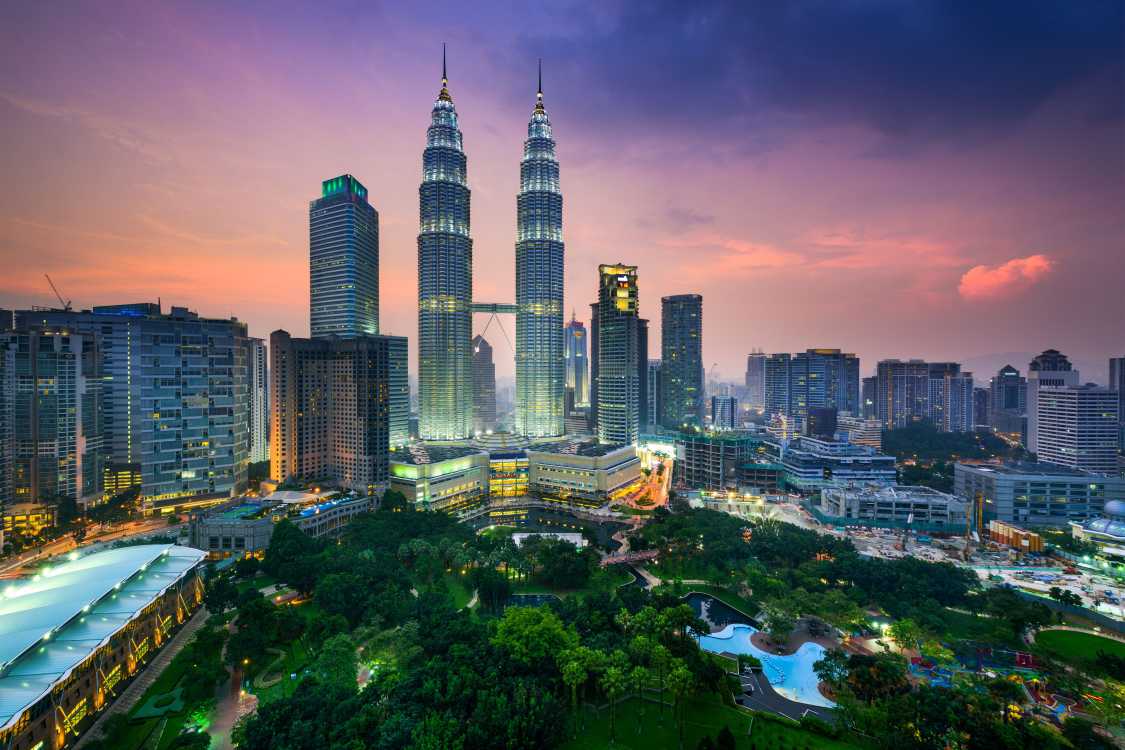
Malaysia stands out as one of Southeast Asia’s most attractive destinations for expatriates, offering a balance of opportunity, comfort, and cultural richness. Its mix of modern infrastructure, political stability, and relaxed tropical lifestyle makes it ideal for professionals, retirees, and families alike. The country’s multicultural blend of Malay, Chinese, Indian, and Indigenous traditions creates a warm, inclusive atmosphere—while English is widely spoken in cities, easing daily life and integration for newcomers.
Expats are drawn to Malaysia’s affordable living costs, strong healthcare system, international schools, and efficient transport networks. With established expat communities across major cities like Kuala Lumpur and Penang, and easy access to the broader Asia-Pacific region, Malaysia offers both a fulfilling lifestyle and a strategic base for work or travel.
5 good reasons to move to Malaysia
Affordable living – enjoy a high quality of life at a lower cost than in many Western countries.
Strategic location – centrally located in Southeast Asia, with easy access to neighboring countries and international markets.
Cultural diversity – live in a welcoming, multicultural society including Malay, Chinese, Indian, and Indigenous communities.
•Career opportunities – a growing economy attracts professionals in technology, education, healthcare, and finance.
Convenience and comfort – modern infrastructure, high-quality healthcare, and widespread English proficiency make daily life easy for expatriates.
Your setup journey
Guide in 14 steps. Click any step below to jump directly to the section you need.
01Where to live in Malaysia
When choosing where to settle in Malaysia, consider factors such as access to work opportunities, transport connections, proximity to schools and hospitals, and overall cost of living.
Popular locations for expats in Malaysia
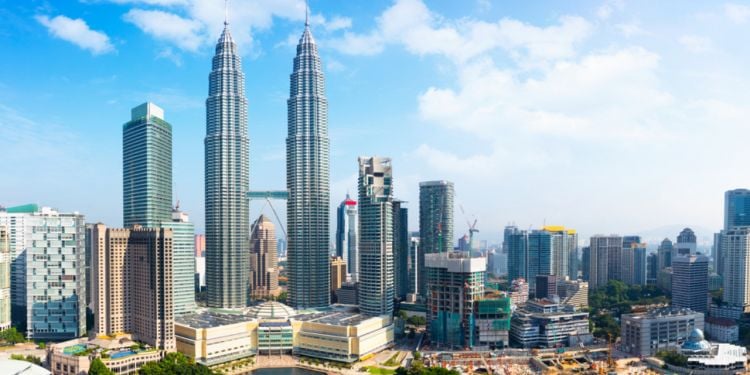
Kuala Lumpur and Klang Valley – most popular for expatriates, offering modern amenities, international schools, and proximity to offices and embassies.
Penang – attracts professionals and retirees seeking heritage charm, coastal living, and strong health care facilities.
Johor (Iskandar region) – favored by those working cross-border or interested in property investment opportunities.
Sabah and Sarawak (East Malaysia) – offer a quieter lifestyle, closer contact with nature, and lower living costs, though with fewer international schools and business hubs.
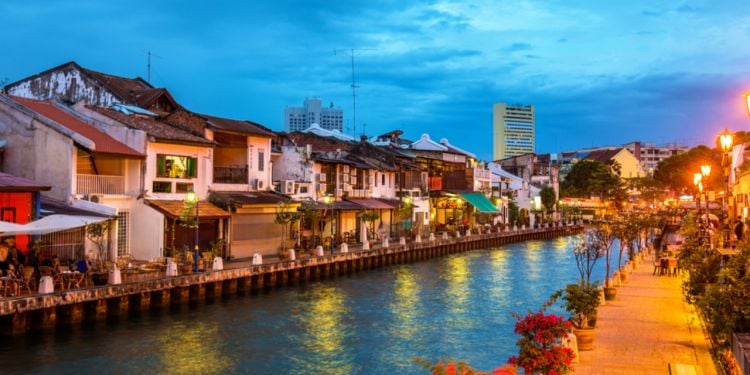
Secondary cities (Ipoh, Malacca, Kuching) – appeal to those who prefer smaller urban environments while maintaining access to good services and transport links.
Explore our city guides
02Formalities and visas in Malaysia
Malaysia offers several visa options depending on your reason for staying — whether for work, retirement, study, or family. The process is generally straightforward, but requirements vary by visa type and nationality. Most applications require a valid passport, proof of financial means, and supporting documents such as job offers or sponsorship letters.
Visa options for Malaysia
- Employment Pass – for foreign professionals with job offers in Malaysia; typically sponsored by the employer.
- Professional Visit Pass – for short-term or project-based work, allowing temporary assignments.
- Dependent Pass – for spouses and children of Employment Pass holders.
- Long-Term Social Visit Pass – for family members, partners, or foreign nationals staying longer than standard tourist visas.
- Malaysia My Second Home (MM2H) Visa – long-term renewable visa for retirees and financially independent foreigners.
- Student Visa – for international students enrolled in Malaysian institutions.





Join the discussion on the forum
03Working in Malaysia
Skilled foreign professionals have the best prospects for finding work in Malaysia in technology, finance, healthcare, engineering, and international education. Expats need an Employment Pass, typically arranged by their employer, and the company must show that the position cannot be filled by a local. English is commonly used in business, though speaking Malay can be an advantage. Most expats find jobs through networking, recruitment agencies, or multinational companies, and salaries and benefits vary depending on the industry, experience, and whether the employer provides visa sponsorship.
Malaysia is an attractive destination for startups, offering a supportive business environment, relatively easy company registration, and lower operating costs compared to many other countries in the region. Its strategic location in Southeast Asia, English-speaking workforce, and access to talent make it ideal for regional expansion. Government programs and funding opportunities, especially for tech and digital businesses, further support entrepreneurs looking to establish a presence in the country.
Key employment facts and figures
Unemployment rate: | 3% (June 2025) |
Labor force participation rate: | 70.8% (June 2025) |
Median monthly wage of Malaysian ' formal' employees: | RM3,000 (USD 710) |
Highest median monthly wage: | Mining and quarrying sector — RM8,800 (USD 2,081) |
Data correct as of October 2025
Sources: Department of Statistics Malaysia, Ministry of Economy Malaysia.


04Accommodation in Malaysia
Housing for expatriates in Malaysia is varied and generally affordable. Options include high-rise condominiums, serviced apartments, and houses. Most expats rent properties near city centers or within gated communities, offering facilities like swimming pools, gyms, and security. Rental prices are significantly lower than in major Western cities, though costs vary by location. Kuala Lumpur, Penang, and Johor Bahru are among the most expensive, while smaller towns offer excellent value.
Foreigners can buy property in Malaysia, making it an appealing option for expats looking to settle long-term. Most states in Malaysia set a minimum purchase price, with foreigners typically limited to residential strata-titled properties like condos. Landed or agricultural land is usually off-limits, and buyers need state authority approval before finalizing the purchase. With clear rules, a straightforward process, and attractive property prices compared to many Western countries, Malaysia remains a popular choice for expats seeking a home in Southeast Asia.
Discover more
Join the discussion on the forum
05Cost of living in Malaysia
The cost of living in Malaysia is lower than in most developed countries, making it attractive for both professionals and retirees. Rents, groceries, and local services are reasonably priced; however, imported products and international school fees are generally more expensive than local items.
Monthly expenses | Single expat | Family of four |
Rent (city center) | 1-bedroom: MYR 1,631 (USD 408) | 3-bedroom: MYR 2,952 (USD 738) |
Rent (suburbs) | 1-bedroom: MYR 1,127 (USD 282) | 3-bedroom: MYR 1,946 (USD 487) |
Utilities (electricity, water, gas, Internet) | MYR 212 (USD 53) | MYR 700 – 1,000 (USD 175 – 250) |
Groceries | MYR 800 – 1,200 (USD 200 – 300) | MYR 2,500 – 3,500 (USD 625 – 875) |
Transportation (car, fuel, public transport) | MYR 150 – 300 (USD 38 – 75) | MYR 500 – 800 (USD 125 – 200) |
Dining out and entertainment | MYR 400 – 700 (USD 100 – 175) | MYR 400 – 700 (USD 100 – 175) |
Source: Numbeo
Join the discussion on the forum
06Health care in Malaysia
Expatriates in Malaysia primarily rely on private health care, which offers high-quality services and English-speaking staff. Public hospitals are technically accessible but are primarily for Malaysian citizens, with higher fees and longer wait times for foreigners. Most expats use private health insurance to cover routine care, emergencies, and hospital stays. Expatriates generally do not qualify for Malaysian government benefits such as pensions or social security. Coverage and contributions are usually managed through employer-provided plans or private insurance, rather than public schemes.
Discover more



07Finance and banks in Malaysia
Opening a bank account in Malaysia is straightforward for expatriates with a valid visa, typically requiring a passport, proof of address, and employment or student documents. Major banks offer online banking, international transfers, and multi-currency accounts.
Malaysia uses a territorial tax system, meaning expatriates are generally taxed only on income earned within Malaysia. Foreign-sourced income is typically not subject to Malaysian tax unless it is remitted into the country under specific circumstances. Malaysian-source income is taxed at progressive rates from 0% to 30%, and employers usually deduct tax via the Monthly Tax Deduction (MTD) scheme.
Discover more


08Retiring in Malaysia
Malaysia remains one of Asia’s most popular retirement destinations, combining affordability, safety, and comfort. The nation’s warm climate, multicultural society, and proximity to regional destinations also make it a top choice for retirees.
Foreign retirees are often drawn to Penang, Kuala Lumpur, Ipoh, Malacca, and Langkawi for their modern amenities, scenic coastal settings, and well-established expatriate communities. There are a few different visa options for those looking to retire in Malaysia, and foreigners are also permitted to purchase property.
Top nationalities of expat retirees in Malaysia:
- China
- Japan
- United States
- United Kingdom
- Australia
09Studying in Malaysia
Studying in Malaysia offers international students a blend of high-quality education, cultural diversity, and affordability. The country is home to more than 20 public universities, over 160 private higher education institutions, and numerous international branch campuses, providing a wide range of academic programs. Malaysia’s universities are known for affordability, diverse student populations, and pathways to international degree recognition.
Top-ranked institutions in Malaysia include:
- Universiti Malaya (UM)
- Universiti Kebangsaan Malaysia (UKM)
- Universiti Sains Malaysia (USM)
Top nationalities for international students in Malaysia:
- China: 26,630 students (+21% compared with 2022)
- Bangladesh: 6,570 (+94%)
- Indonesia: 4,310 (+19%)
- Pakistan: 1,940 (+42%)
- India: 1,900 (+18%)
- Yemen: 1,770 (+32%)
- Nigeria: 1,420 (-10%)
- Japan: 1,400 (+29%)
- Sudan: 1,310 (+60%)
- Egypt: 880 (+12%)
Discover more
10Education and schools in Malaysia
Expat families in Malaysia have access to a variety of high-quality education options, with international schools offering English-language curricula and global standards. While public schools primarily teach in Malay, international schools follow British, American, Australian, or International Baccalaureate programs, often with smaller class sizes and a strong focus on academic achievement. International school fees are significantly higher than those of local schools, and the Malaysian academic year runs from February to December.
Well-known international schools in Malaysia include:
- Mont’Kiara International School (M’KIS) – Kuala Lumpur
- Alice Smith School – Kuala Lumpur
- Garden International School – Kuala Lumpur
- International School of Kuala Lumpur (ISKL) – Kuala Lumpur

Join the discussion on the forum
11Planning your move to Malaysia
Relocating to Malaysia requires careful preparation to ensure a smooth transition. Choosing a reputable international moving company and comparing quotes from multiple providers can save time and reduce stress, while contacting the nearest Malaysian embassy or consulate helps clarify customs regulations and prohibited items. International moving insurance is highly recommended, with detailed inventories ensuring your belongings are fully covered. Shipping times vary—for example, cargo from Europe can take around three weeks to arrive at Port Klang. By planning ahead and understanding the logistics of moving, expats can settle into Malaysia quickly and comfortably.


Join the discussion on the forum
12Everyday life in Malaysia
Living in Malaysia offers expatriates a comfortable lifestyle with modern conveniences, a rich culture, and plenty of opportunities to enjoy both city and outdoor life.
- Comfortable and accessible – reliable infrastructure, modern amenities, and generally safe cities, though petty theft can occur in busy areas.
- Multicultural society – English is widely spoken; Malay is the official language. Expats can expect a tolerant, diverse culture.
- Food and leisure – rich culinary scene blending Malay, Chinese, and Indian cuisines; a wide range of entertainment, shopping, beaches, rainforests, and nightlife.
- Climate – warm and humid year-round.
- Cultural etiquette – respect for local customs, especially Islamic traditions, is appreciated in both social and professional settings.






13Leisure in Malaysia
Malaysia offers a rich mix of leisure opportunities for expatriates, with its vibrant cities, tropical beaches, and lush rainforests providing activities for every interest. Expats can enjoy a dynamic urban lifestyle or explore outdoor adventures, all within easy reach and at affordable costs. The country’s cultural diversity also ensures a year-round calendar of festivals, events, and culinary experiences.
Popular activities in Malaysia include:
- Exploring cities and cultural hotspots in Kuala Lumpur, Penang, and Johor Bahru
- Attending cultural festivals
- Sampling local cuisine at street markets, mamak stalls, and cafes
- Water sports like scuba diving, kayaking, and parasailing
- Golfing at international-standard courses across the country
- Hiking, cycling, and jogging in parks and recreational areas
- Participating in community and expat events for social networking
Join the discussion on the forum
14Outro
Malaysia offers expatriates a unique combination of affordability, modern infrastructure, and cultural diversity. With high-quality health care, international schools, and a wide range of leisure activities, the country provides a comfortable lifestyle for both professionals and retirees. Expats can enjoy vibrant cities, tropical beaches, and lush rainforests, while engaging in community events, exploring local cuisine, and participating in sports and outdoor activities.
Navigating visas, employment, and property ownership is generally straightforward for skilled professionals and retirees, and the presence of established expat communities makes settling in easier. Whether moving for work, study, retirement, or entrepreneurship, Malaysia’s strategic location, supportive business environment, and welcoming society make it an appealing destination for expatriates looking for both opportunity and quality of life.
Join the Malaysia community
Get regular tips and advice to make the most of your expat life
Essential services for your expat journey








Forum topics on living in Malaysia
Discover forums topics on expat life in Malaysia: join the conversation, ask your questions, get advice and share your experience.