

Living in Jakarta: the ultimate expat guide
Everything you need to know for a successful life in Jakarta.
Jakarta, Indonesia's sprawling capital, is home to over 11 million people and serves as the country's economic and cultural heart. This megacity offers expats a unique blend of Southeast Asian traditions, modern infrastructure, and endless opportunities. From its gleaming skyscrapers in the Golden Triangle to traditional kampung neighborhoods, international residents can expect a truly multifaceted experience. The city's tropical climate, affordable cost of living, and position as a regional business hub make it an increasingly popular choice for expats seeking career growth in Asia.
5 good reasons to move to Jakarta
- Career opportunities: As Southeast Asia's largest economy, Jakarta hosts regional headquarters for multinational companies across finance, technology, and manufacturing sectors.
- Affordable lifestyle: Your money stretches further here than in Singapore or Hong Kong, with reasonable housing, dining, and entertainment costs.
- Cultural richness: Experience authentic Indonesian culture, from traditional markets and street food to world-class museums and performing arts.
- Strategic location: Jakarta's international airport connects you to destinations across Asia, making weekend getaways to Bali, Singapore, or Bangkok easily accessible.
- International community: A well-established expat network with international schools, social clubs, and English-speaking services makes settling in smoother for foreign residents.
Source: World Population Review
Working in Jakarta
Jakarta is the engine of Indonesia's economy, creating substantial opportunities for skilled foreign professionals, particularly in the finance, technology, energy, and education sectors.
Key industries and employment sectors
Financial services lead the way, with the Indonesia Stock Exchange and major banks based in the capital. Other prominent sectors include the technology sector, which features major regional players like Gojek and Tokopedia and requires a steady supply of specialized IT talent. The city also has significant oil and gas operations.
Work permits and visa requirements
Foreign employees need a KITAS (Limited Stay Permit) sponsored by an Indonesian company. The employer manages the steps, starting with an approved manpower plan and a work-permit (IMTA) notification from the Ministry of Manpower. Processing usually takes several weeks, and the employer pays the required expatriate-levy fee before the permit is issued. Indonesia gives priority to local hires, so the position must show a clear need for foreign expertise. A KITAS is normally issued for up to a year and can be renewed if employment continues.
Unemployment rate | 6.05% |
Average monthly salary (net) | IDR 8.2 million |
Primary sectors for expats | Finance, technology, oil & gas |
Data correct as of December 2025.
Sources: Berita Jakarta, Numbeo
🔍To learn more
Working in Jakarta
As Indonesia's major financial and commercial hub, the capital city has a wealth of ...

Jakarta's labour market
Jakarta, home to more than 9 million people, is a bustling city full of opportunities. ...

The work culture in Jakarta
As an expat, adapting to a new working environment in a new city can be challenging. In Jakarta, ...
Higher education & universities
Jakarta hosts Indonesia's most prestigious universities, offering programs taught in both Indonesian and English. International students will find quality education at competitive prices compared to Western institutions, though language barriers and cultural adjustments are considerations.
Top universities and programs
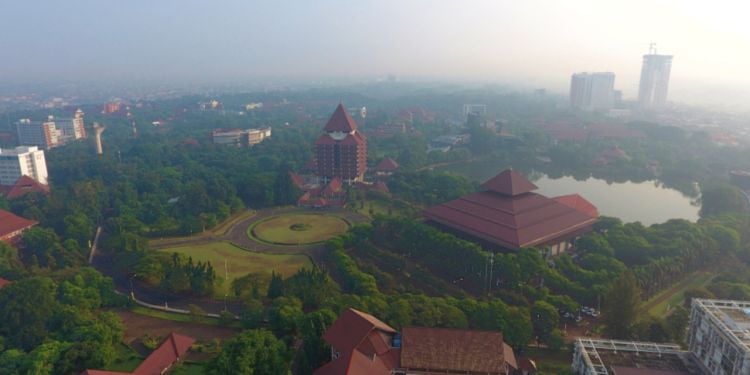
University of Indonesia (UI) ranks as the country's leading institution, offering undergraduate and postgraduate programs across humanities, sciences, and engineering. Bina Nusantara University (Binus) specializes in technology and business, with several programs delivered entirely in English. Trisakti University and Atma Jaya Catholic University also attract international students with diverse program offerings.
Tuition fees and admission
Annual tuition fees for universities in Jakarta vary widely by institution and program, with international and private universities charging higher rates than regular public tracks. Applicants usually submit transcripts and meet each school's specific criteria, including English proficiency for international programs. Some universities may require an internal entrance exam. Deadlines differ, but many fall in the months before the academic year begins in late summer. Several institutions also offer merit-based scholarships that can reduce overall tuition costs for eligible international students.
Sources: University of Indonesia, Bina Nusantara University, Trisakti University

Schooling for children
There is a good selection of international schools in Jakarta catering to expat families, following various curricula including British, American, and International Baccalaureate programs. These schools maintain high standards but come with substantial fees that many expat employers cover partially or fully.
International schools
The Jakarta Intercultural School (JIS) is the oldest and largest, serving over 2,400 students from pre-kindergarten through grade 12 with an American curriculum. British School Jakarta (BSJ) follows the English National Curriculum and offers IGCSE and A-Levels. Gandhi Memorial International School is also a popular choice. Most international schools teach in English and offer extensive extracurricular activities.
Fees and enrollment
Annual costs for schools in Jakarta vary widely, with premium institutions charging higher tuition and adding separate fees for enrollment, facilities, transport, and activities. Expect total costs to climb well above base tuition at the top schools. Most families submit previous school records, entrance assessments, and immunization documents during the application process. The school year typically runs from August to June, and places can fill early, so it is best to apply several months ahead. More affordable national-plus schools offer blended curricula and lower fees for families seeking alternatives.
Sources: British School Jakarta, Jakarta Intercultural School
🔍To learn more
Housing & neighbourhoods
Most foreign residents in Jakarta opt for either serviced apartments or houses in areas with established international communities. Due to Jakarta's notorious traffic congestion, selecting your location relative to your workplace is one of the most important factors when finding suitable accommodation.
Popular expat areas
Menteng is an upscale central neighborhood with tree-lined streets, colonial architecture, and proximity to embassies and international schools. Kemang attracts younger expats with its cafés, restaurants, and nightlife scene. Pondok Indah and Permata Hijau in South Jakarta offer modern apartments, shopping malls, and family-friendly environments. Kelapa Gading in North Jakarta suits families preferring quieter suburban living with good schools nearby.
Rental procedures and rental costs
To rent a property in Jakarta, you will typically need to provide a copy of your passport and work permit (KITAS) for the lease agreement and administrative registration. Landlords may require one year's rent paid upfront, though some accept quarterly or semi-annual payments. Budget for a security deposit equal to one month's rent. Most expat rentals include furnishings, water, and building maintenance, but electricity, internet, and gas are additional.
Rent 1-bedroom apartment in the city center | IDR 4.5 million - 9 million/month |
Rent 3-bedroom apartment in the city center | IDR 10.5 million - 35 million/month |
Data correct as of December 2025.
Source: Numbeo
🔍To learn more
Accommodation in Jakarta
The capital of Indonesia, Jakarta is a dynamic city in many ways. Beyond its busy streets ...
Buying property in Jakarta
When planning a move abroad, housing is a priority issue. If you expect to be away for a ...
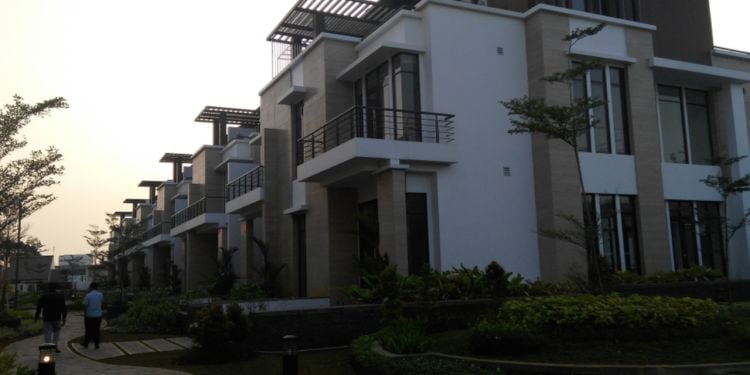
Choosing your neighbourhood in Jakarta
Jakarta is a large city made up of exciting and thriving districts. Some are upmarket and ...
Leisure, culture & things to do
There is plenty to see and do in Jakarta in your spare time, from exploring Indonesia's rich cultural heritage to enjoying the city's urban nightlife and leisure activities.
Cultural attractions and museums
The National Museum of Indonesia (Museum Gajah) houses the country's most comprehensive collection of historical artifacts, including ancient stone sculptures and traditional textiles. Museum MACAN (Museum of Modern and Contemporary Art in Nusantara) showcases Southeast Asian contemporary art in a striking modern building. The Istiqlal Mosque, Southeast Asia's largest mosque, welcomes respectful visitors outside prayer times, while the adjacent Jakarta Cathedral highlights the city's religious diversity.
Parks and nightlife
Enjoy a break from the city hustle and bustle in its green spaces and enjoy day trips to Taman Mini Indonesia Indah and Ragunan Zoo. The Gelora Bung Karno Sports Complex is a popular spot for working up a sweat, while the nearby Thousand Islands makes a great weekend escape. For nightlife, areas like SCBD and Kemang host everything from upscale rooftop bars offering skyline views to international dining and authentic street food.
Sources: National Museum of Indonesia, Museum MACAN
🔍To learn more

Things to do in Jakarta alone, with friends or with family
Jakarta is never boring. The Indonesian capital has countless fun activities and unique places ...

Eating out in Jakarta
Being an international metropolitan city, Jakarta has a stunning and diversified ...
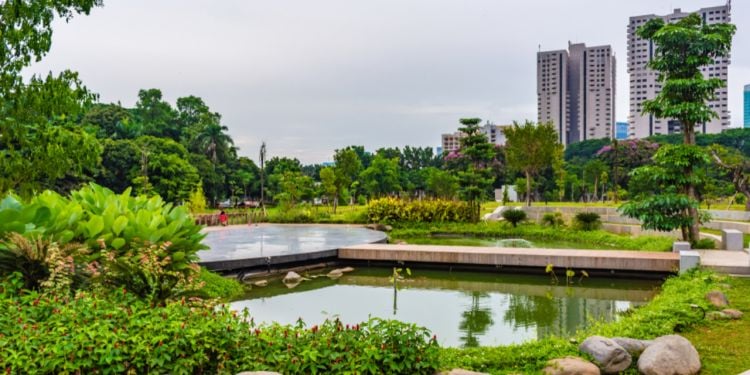
Things to do in Jakarta on weekdays
The Indonesian capital is a city that never sleeps. As a result, there is no shortage ...
Daily life
Daily life in Jakarta requires adapting to a tropical megacity's rhythms, where modern conveniences coexist with traditional practices. Understanding local customs, transportation options, and practical considerations helps expats settle more comfortably.
Transportation and getting around
Jakarta’s traffic congestion is among the most severe in the world. The MRT (Mass Rapid Transit), which opened in 2019, currently runs one line linking South Jakarta to the city center. The TransJakarta bus rapid transit system provides extensive coverage across the city. Many expats use private drivers for daily commutes to avoid traffic stress and parking difficulties. Ride-hailing apps like Gojek and Grab are also widely used, offering motorcycle taxis and car services for shorter trips.
Lifestyle and cultural habits
Indonesia is predominantly Muslim, so respect local customs regarding dress and behavior, particularly during Ramadan. The climate remains hot and humid year-round, with temperatures between 25-33°C and a rainy season from November to March. Shopping malls serve as social hubs for escaping the heat, offering air-conditioned spaces for dining, entertainment, and shopping. English is spoken in expat areas and international businesses, but learning basic Indonesian phrases greatly enhances daily interactions. The local currency is the Indonesian Rupiah (IDR), and while credit cards work in modern establishments, carry cash for markets and smaller shops. Banking is straightforward, with major international banks operating alongside local institutions.
Sources: Jakarta MRT, TransJakarta
🔍To learn more
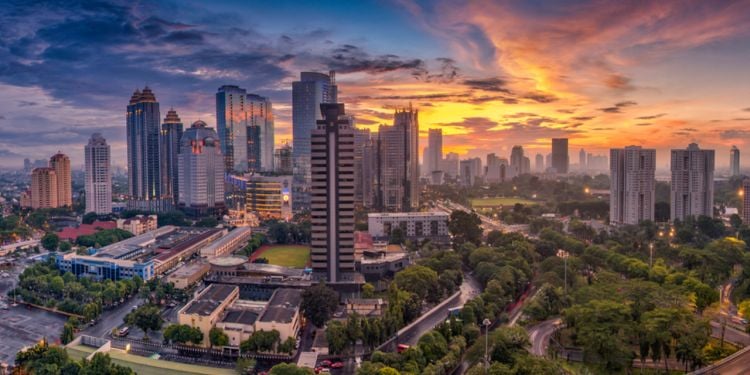
Discovering Jakarta
The vibrant and fascinating capital of Indonesia is a place that leaves no one indifferent. ...
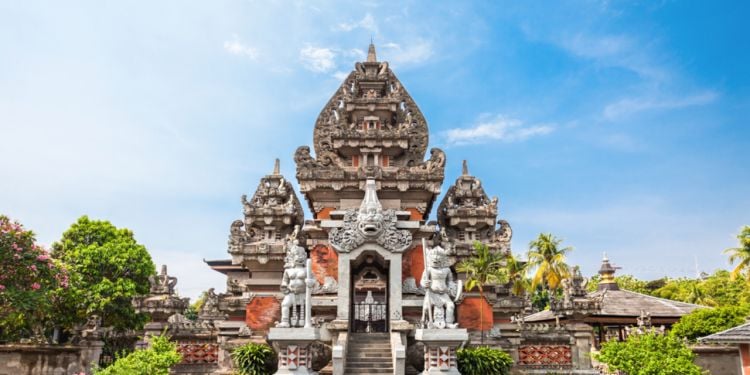
The local culture in Jakarta
Jakarta is a true melting pot with a rich and multifaceted culture, where beauty, respect ...

Making friends in Jakarta
Once you have settled in Jakarta, you will seek to make friends in order to adapt to your ...
Cost of living
The cost of living in Jakarta is significantly lower than other major Asian cities like Singapore or Hong Kong. However, costs vary considerably depending on lifestyle choices and where in the city you choose to live.
Monthly expenses for a single person
One-bedroom apartment (city center) | IDR 4.5 million - 9 million |
Utilities | IDR 850,000 - 3 million |
Groceries | IDR 1.8 million - 3 million |
Data correct as of December 2025.
Monthly expenses for a family of four
Three-bedroom apartment (city center) | IDR 10.5 million - 35 million |
Utilities | IDR 2 million - 4.5 million |
Groceries | IDR 5 million - 8 million |
Data correct as of December 2025.
Source: Numbeo
In short
Jakarta offers expats an exciting opportunity to experience Southeast Asian culture while building careers in one of the region's most dynamic economies. The city combines affordable living costs, a thriving business environment, and excellent international schools with the energy of a tropical megacity. Yes, you'll face traffic challenges and cultural adjustments, but the welcoming expat community, fascinating local traditions, and strategic location for exploring Asia make Jakarta a rewarding place to call home. For more information, read our informative articles and join the Expat.com Jakarta forum, where you can ask questions, share experiences, and get insider tips from those who've already made the transition.
We do our best to provide accurate and up to date information. However, if you have noticed any inaccuracies in this content, please contact us.


News & testimonies
Cassandra: "Jakarta is easy to live"
Cassandra left Singapore, her home country, to live in Indonesia as her husband got a job opportunity in the country. They settled in Jakarta with their children...
Fred in Jakarta: "I like the people here, especially their relaxed attitude"
Seven years have gone by since Fred, a British national, settled in Jakarta to be with his wife, an Indonesia national. They now have two children and Fred says to love the country and its people...

Indonesia C18 visa: New rules for foreign workers on trial
According to the Directorate General of Immigration, the aim is to prevent the exploitation of foreign workers. Since June 14, 2025, new rules have been in place to more strictly regulate the C18 stay permit (C18 visa). Also known as the "Work Trial" visa, the C18 is intended for workers coming to Indonesia to complete a trial period with a sponsoring company—the company where the trial will be carried out.

Indonesia announces new strategies to attract qualified and wealthy expatriates
Indonesia is currently implementing new strategies to support the strong economic recovery observed in 2022. In addition to reforming its economy and encouraging innovation, the government is counting on wealthy and skilled foreigners. The health crisis has turned the organization of work upside down, and digital nomadism is at its peak. As a country that aims to become one of the top 5 largest economies by 2045, Indonesia is also luring wealthy investors.
Essential services for your expat journey