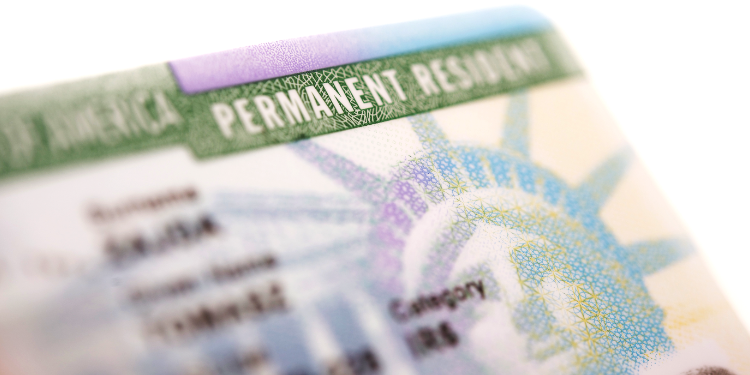
Another blow for foreigners in the United States. On May 22, a memo from the US immigration services introduced a new rule aimed at limiting legal immigration. Apart from a few exceptions, Green Card applications will now have to be filed from the applicant's country of origin. What is the current situation?
According to Zach Kahler, spokesperson for USCIS (U.S. Citizenship and Immigration Services), this is a return "to the original spirit of the law." The first goal is to reduce the risk of illegal immigration. Since all applications will be filed from the applicant's home country, anyone whose request is denied will already be outside U.S. territory.
The second goal is to ensure that temporary residents, such as workers (including H-1B visa holders) and students, leave the country when their residence permits expire. USCIS points out that temporary residence should not be used as a stepping stone to apply for permanent residency (the Green Card).
Get regular tips and advice to make the most of your expat life
What does this mean for foreigners with legal status?
Unsurprisingly, the USCIS announcement has been met with widespread concern. Many legal residents are already in the United States when they apply for their Green Card. A procedure known as "adjustment of status" allows them to change their status while remaining on U.S. soil. This process isn't new; it's been in place since the 1950s. Immigrant rights advocates and the political opposition believe this measure is designed to curb legal immigration.
Has the Trump administration backtracked?
Ultimately, the restriction outlined in the USCIS notice may not apply to all temporary residents. Cases would be reviewed "on an individual basis." That's the explanation the U.S. Department of Homeland Security gave to the New York Times on May 30, 2026, barely a week after the USCIS memo (as reported by AFP). For critics, this clearly amounts to a government reversal following the public outcry the measure provoked.
Another Trump administration measure is targeting African countries. According to an internal memo, the government plans to cut by half the number of African embassies authorized to issue U.S. visas: 20 embassies and consulates, down from around 50 today. No effective date has been announced yet. Some sources suggest the rollout could begin as early as this June. The 20 embassies and consulates expected to retain their authorization reportedly include Abidjan, Cape Town, Johannesburg, Dakar, Kinshasa, Port Louis, and Yaoundé.
Freelance web writer specializing in political and socioeconomic news, Asaël Häzaq analyses about international economic trends. Thanks to her experience as an expat in Japan, she offers advices about living abroad : visa, studies, job search, working life, language, country. Holding a Master's degree in Law and Political Science, she has also experienced life as a digital nomad.