


 Guide updated by Veedushi Bissessur on 13 August 2026
Peru stretches from a desert Pacific coastline through the Andes to the Amazon basin, packing three distinct ecosystems into one country. With a population of 34.41 million and a growing expat community, it offers one of the most accessible entry points into South America for anyone planning a long-term move. Spanish is the official language, spoken by more than 80% of residents alongside Quechua and Aymara, and the currency is the Peruvian sol (PEN).
5 reasons to move to Peru
- One of the lowest costs of living in South America: a single person's monthly budget runs around USD 577 (PEN 1,936) excluding rent, according to Numbeo (January 2026)
- Recent macroeconomic stability: Peru's central bank has kept inflation near its target, which means fewer budget surprises for expats earning or saving in foreign currency
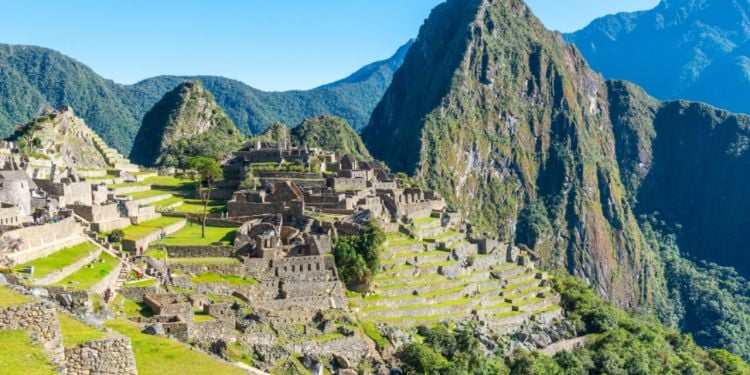
- Unmatched geographic variety: Machu Picchu, the Sacred Valley, Lake Titicaca, the Nazca Lines and the Amazon are all within the same country
- A globally recognized food scene anchored by ceviche and Nikkei cuisine, with Lima's restaurant Central ranked number one in the world in 2026 by multiple industry lists
- Low residency thresholds: the Rentista visa is available from USD 1,000 per month in passive income
Your setup journey
Guide in 14 steps. Click any step below to jump directly to the section you need.
01Where to live in Peru: Lima, Arequipa, Cusco and beyond
Where you choose to base yourself in Peru shapes the experience considerably. Lima offers scale and services; Arequipa and Cusco offer a slower pace and lower costs but come with trade-offs.
Lima
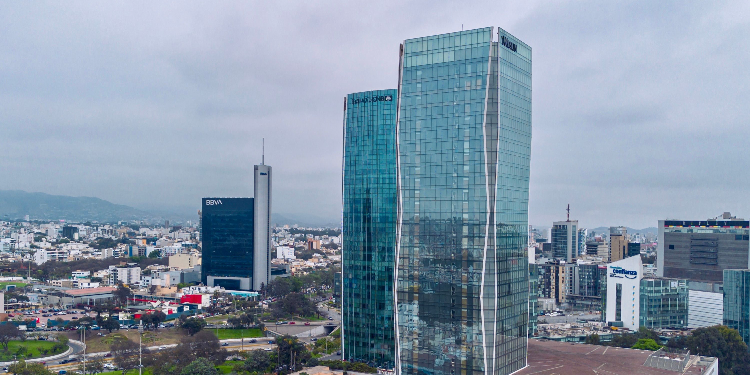
Peru's capital and its metropolitan area of around 10 million people concentrate the country's largest expat community, its best private hospitals, and most of its international schools. A 1-bedroom apartment averages PEN 2,449/month (approx. USD 730) in the centre, or PEN 1,347/month (approx. USD 401) outside it. The expat-favored districts are Miraflores, San Isidro, Barranco and Surco, all of which have lower crime rates and better infrastructure than the broader city. Day-to-day security remains the most commonly cited friction point for Lima residents in 2026: petty theft and phone snatching are the main risks, not violent crime, but they require consistent street awareness. The Metropolitano BRT system and Metro Line 1 serve the main corridors, and Jorge Chávez International Airport in Callao connects to most major hubs.
Arequipa
Peru's second city has a population of around 1 million, with rents significantly lower than Lima. Its climate is mild year-round, its UNESCO-listed colonial center is built from white volcanic stone, and it hosts more than 15 university campuses. Arequipa suits those looking for a calmer lifestyle without completely giving up urban amenities.
Cusco
The former Inca capital sits at around 3,400 meters and has a city population of roughly 430,000. A 1-bedroom apartment typically costs USD 250 to 350 per month. The San Blas neighborhood is the most popular with the expat and digital nomad community. Altitude acclimatization takes two to three days for most people. Cusco works well for remote workers, freelancers and those in tourism-adjacent industries.
Other options
Trujillo, Peru's third city on the northern coast, offers a consistently mild climate and lower costs. Máncora, further north, is the country's main surf and beach hub and has a small but established community of long-stay foreigners.
02Visas and residency in Peru: from the rentista to the investor route
Peru's immigration system is run by Migraciones, the national migration authority. The country offers several residence categories depending on your situation, most of which lead to permanent residency after three years of continuous legal stay. The framework was partly reshaped by reforms in 2025 and 2026, so it is always worth checking the current requirements directly with Migraciones before starting your application.
Main visa categories
Peru offers clearly defined routes for different expat profiles. Here is a summary of the most relevant categories:
Visa | Main requirement | Notes |
Tourist visa | No paid work permitted | Up to 183 days/year. Electronic pre-registration now required 72h before arrival. Overstay fines up 15% in 2026. |
Rentista | Passive income from USD 1,000/month (plus USD 500/month per dependent) | Indefinite residency. No local employment. Approx. 6 weeks. |
Trabajador | Contract with a registered Peruvian employer (20% foreign staff cap) | Approx. 6 weeks. |
Trabajador Independiente | Documented income of approx. USD 1,000/month | Temporary, renewable. |
Inversionista | Investment in a Peruvian company. Thresholds vary by source (USD 30,000 to PEN 500,000). Confirm with Migraciones. | Approx. 8 weeks. |
Familiar Residente | Family reunification | Tied to the sponsoring resident. |
Digital nomad visa | Formally created by decree (2026) but regulations not yet published as of July 2026 | Not operational. Use Rentista or Trabajador Independiente for now. |
How to apply
- Check requirements for your category on the Migraciones website and open an account on the Agencia Virtual online portal.
- Gather your documents: passport, police clearance, medical certificate and proof of income or investment. Documents issued abroad need a Hague apostille and a certified Spanish translation.
- Pay the applicable fee at Banco de la Nación.
- Submit online and wait up to 30 working days for a decision.
- Collect your Carné de Extranjería once approved.
Permanent residency and citizenship
Permanent residency is available after three years of continuous legal residence. Standard naturalization takes 18 to 24 months to process, or 12 to 15 months by marriage to a Peruvian national. Changing residency or citizenship status does not affect the 183-day threshold for tax residency.





Join the discussion on the forum
03Working in Peru: salaries, key sectors and setting up a business
Peru's economy has grown steadily in recent years, supported by mining exports and recovering urban employment. Wages remain well below North American or Western European levels, but so does the cost of living, and the country's formal employment sector comes with mandatory social contributions on both sides of the payroll.
Labour market snapshot
The table below covers the key figures for anyone considering working or hiring in Peru:
Unemployment rate | 5% to 7% in metropolitan Lima; higher nationally |
Average net monthly salary (Lima) | PEN 2,167 (approx. USD 645) |
Minimum wage (since January 2025) | PEN 1,130/month (approx. USD 305) |
Standard working week | Up to 48 hours (8 hours/day or 6 days/week) |
Employer social contribution (EsSalud) | 9% of gross salary |
Employee pension contribution (ONP or AFP) | Approx. 13% of gross salary |
Source: Trading Economics, Peru Employment Rate, 2026; Numbeo, Lima, January 2026.
Key sectors for expats
Formal salaries in mining (gold, copper, silver) sit well above the minimum wage. There is also steady demand in energy, financial services, tourism, agroexport and technology or remote-work roles that can be performed from Lima, Arequipa or Cusco. Formal employees receive two gratificaciones per year, one in July and one in December, each worth roughly one month's salary, plus a severance fund called CTS.
Starting a business
Foreign investors typically enter through the Inversionista visa described above. Company registration goes through SUNARP, the public registry, and SUNAT, the tax authority. The most common structures for small and medium businesses are the S.A.C. and the E.I.R.L.


04Renting in Peru: neighborhoods, prices and what to expect from the market
Renting is the standard starting point for most expats arriving in Peru. Lima's rental market varies widely from one district to the next, so neighborhood research before committing to a lease pays dividends quickly.
Types of property
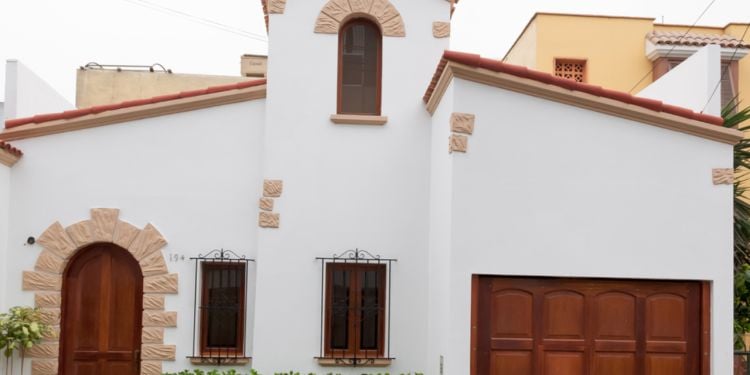
The most common option in Lima is a departamento, an apartment typically found in a secured building with amenities such as a concierge or gym. Standalone houses are more common on the outskirts and in provincial cities. Gated residential complexes with pools, gyms and 24-hour security are available in the wealthier districts.
Best neighborhoods for expats
- Miraflores: seafront location, restaurants and nightlife. Lima's most expensive district and a natural first base for newcomers.
- San Isidro: Lima's upscale business district. One of the safest areas in the city with a well-maintained residential feel.
- Barranco: bohemian and artistic, also on the Pacific cliff. Popular with younger expats and the creative community.
- Santiago de Surco, San Borja and La Molina: quiet, family-oriented residential areas with good international schools nearby.
- Magdalena del Mar, Jesús María and Pueblo Libre: solid value for money with good transport links and a lower crime profile.
Rental prices
The figures below come from Numbeo's Lima dataset, last updated 28 January 2026 and confirmed unchanged as of July 2026:
1-bedroom apartment, city centre | PEN 2,449/month (approx. USD 730) |
1-bedroom apartment, outside centre | PEN 1,347/month (approx. USD 401) |
3-bedroom apartment, city centre | PEN 3,885/month (approx. USD 1,157) |
3-bedroom apartment, outside centre | PEN 2,141/month (approx. USD 638) |
Buy price per sq metre, city centre | PEN 7,620 (approx. USD 2,268) |
Mortgage interest rate (20-year fixed) | Approx. 9.1% |
Source: Numbeo, Cost of Living in Lima, January 2026.
Note that a comfortable budget for a single person in a higher-end neighborhood like Miraflores or San Isidro, including rent and all living costs, is closer to USD 2,000 to 2,500 per month. The Numbeo figures represent city-wide averages and skew lower.
Discover more
Join the discussion on the forum
05Cost of living in Peru: honest monthly budgets for singles and families
Peru remains one of the more affordable countries in South America for anyone earning in a hard currency. Lima is notably more expensive than Cusco or Arequipa, and Miraflores costs more than the city average, but the overall level still compares favorably to most North American or Western European cities. All figures below come from Numbeo's Lima data, last updated 28 January 2026 and confirmed unchanged in July 2026.
Monthly budget: single person
Numbeo estimates a single person's monthly costs at around USD 577 (PEN 1,936) excluding rent. Here is a full breakdown:
Rent, 1-bedroom apartment, city centre | PEN 2,449 (approx. USD 730) |
Rent, 1-bedroom apartment, outside centre | PEN 1,347 (approx. USD 401) |
Groceries (monthly) | PEN 600 to 900 (approx. USD 180 to 270) |
Basic utilities (85m² apartment) | PEN 215 (approx. USD 64) |
Internet (60Mbps+) | PEN 86/month (approx. USD 26) |
Mobile plan | PEN 46/month (approx. USD 14) |
Monthly transport pass | PEN 76 (approx. USD 23) |
Gym membership | PEN 110/month (approx. USD 33) |
Private health insurance | USD 100 to 250/month |
Source: Numbeo, Cost of Living in Lima, January 2026.
Monthly budget: family of four
Numbeo's estimate for a family of four is around USD 2,121 (PEN 7,114) per month excluding rent. School fees represent the largest variable cost for families:
Rent, 3-bedroom apartment, city centre | PEN 3,885 (approx. USD 1,157) |
Rent, 3-bedroom apartment, outside centre | PEN 2,141 (approx. USD 638) |
Groceries (monthly) | PEN 1,500 to 2,200 (approx. USD 450 to 650) |
Basic utilities | PEN 215 (approx. USD 64) |
International school tuition (per child, per year) | PEN 45,000 (approx. USD 13,400) |
Private preschool/kindergarten (per child, monthly) | PEN 721 (approx. USD 215) |
Family private health insurance | From USD 250/month |
Source: Numbeo, Cost of Living in Lima, January 2026.
06Healthcare in Peru: EsSalud, private insurance and the best clinics in Lima
Peru operates a mixed public-private healthcare system. Most expats rely primarily on the private sector for quality and speed, while the public system provides a safety net for the broader population.
The public system
EsSalud covers employees in the formal sector and is funded by a 9% employer contribution. It extends to a spouse and children under 18, but waiting times for specialists can run from several weeks to a few months. SIS covers lower-income residents and is not generally accessible to foreign nationals. MINSA runs the wider public health network including regional hospitals across the country.
Private healthcare and insurance
Private health insurance typically costs between USD 100 and USD 250 per month, through local providers such as Rímac, Pacífico and MAPFRE, or international plans from companies like Cigna Global and Bupa. Leading private facilities in Lima include Clínica Anglo Americana in San Isidro, Clínica Internacional across multiple Lima locations, Clínica Delgado (Auna) in Miraflores, and the SANNA clinic network. Private hospitals in Lima are generally well-equipped with modern facilities and English-speaking staff at the top end; quality drops significantly outside major cities.
Practical notes
Pharmacy chains InkaFarma and MiFarma are widely available in cities. Note that Medicare does not cover treatment outside the United States, making a private international policy essential for US citizens. UK nationals relying on NHS coverage should also arrange separate cover before departure.
Discover more


07Taxes in Peru: income tax brackets, IGV and what US and UK expats need to know
Peru uses a territorial approach to personal income tax based on residency status. The key dividing line is 183 days of presence in the country, which determines whether you are taxed as a domiciled or non-domiciled individual. Tax brackets and rates were stable throughout 2025 and the first half of 2026, with no major reform identified.
Personal income tax
For domiciled individuals, income tax is progressive and calculated using Peru's UIT, the annual tax reference unit set at PEN 5,500 for 2026. The first 7 UIT of income are tax-free, and up to 3 additional UIT can be deducted for expenses such as rent and professional services. The brackets above that threshold are:
Up to 5 UIT | 8% |
5 to 20 UIT | 14% |
20 to 35 UIT | 17% |
35 to 45 UIT | 20% |
Above 45 UIT | 30% |
Source: PwC Tax Summaries, Peru, 2026.
Domiciled vs non-domiciled taxpayers
Anyone present for more than 183 days in Peru becomes tax-domiciled and is taxed on worldwide income from the following 1 January. A non-domiciled individual is only taxed on Peru-sourced income, at a flat rate of 30% on employment income, or 24% on independent professional services. Changing your residency or citizenship status does not change this 183-day threshold.
IGV, other taxes and social contributions
The standard sales tax, IGV, is 18%. Corporate income tax is 29.5%, with a 5% withholding on dividends. Peru levies no wealth tax and no inheritance or gift tax. Property tax runs from 0.2% to 1%. Employers add 9% to EsSalud on top of the gross salary.
Double taxation treaties
Peru has tax treaties in force with Brazil, Canada, Chile, Japan, South Korea, Mexico, Portugal and Switzerland, plus the Andean Community covering Bolivia, Colombia and Ecuador. A treaty with the United Kingdom was signed in March 2025 and takes effect in Peru from 2027. There is currently no tax treaty between Peru and the United States. US citizens remain subject to FATCA reporting obligations regardless of where they live. For the full treaty list, see PwC Tax Summaries, Peru.
Discover more
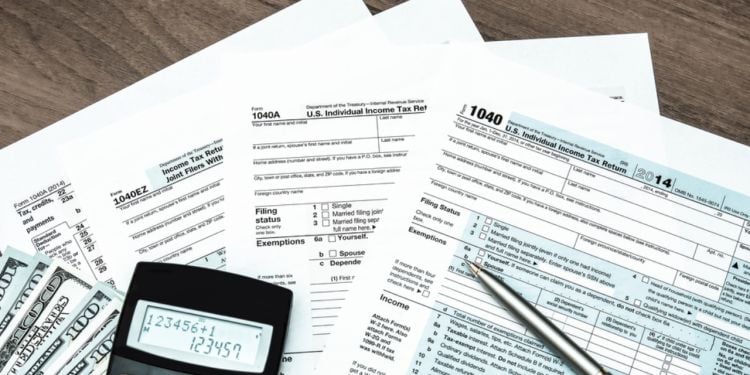
08Retiring in Peru
Peru may not be among the most popular retirement destinations for expatriates, but it certainly attracts some who choose to spend their golden years here. Most are former residents who have worked in the country for several years, particularly in sectors like energy, finance, education, or tourism. The country charms with its affordable cost of living, renowned cuisine, rich cultural heritage, and stunning landscapes.
If you’re looking to settle in Peru as a retiree, there is a specific visa (the "rentista visa") that requires a minimum monthly income of 4,000 PEN (approximately €990), plus 2,000 PEN (around €495) for each dependent. This visa can be obtained from the General Directorate of Migrations in Lima, once you arrive and are in legal status. French nationals can enter Peru without a visa for stays of up to 183 days, which makes the initial arrangements more straightforward.
3 major advantages
- Affordable cost of living: Although rising in larger cities like Lima, the cost of living remains lower than in France, especially for local food and domestic services.
- Rich cultural and natural heritage: With its Pacific coast, Andes mountains, and Amazon rainforest, Peru offers an exceptional diversity of landscapes and a remarkable historical legacy.
- Favorable tax environment: Peru does not tax foreign-sourced income, including foreign retirement pensions.
💡 Important to know
- There is no social security agreement between France and Peru. Having private or international health insurance is essential. Depending on your options, expect to budget 200 to 800 PEN/month (around €50 to €200).
- For a comfortable living standard in Lima, budget around 6,000 to 8,500 PEN/month (approximately €1,480 to €2,100), which includes housing, utilities, food, and leisure activities.
- Safety can vary significantly depending on the neighborhoods (especially in Lima). A prior reconnaissance of the area is essential before making a permanent move.
Discover more
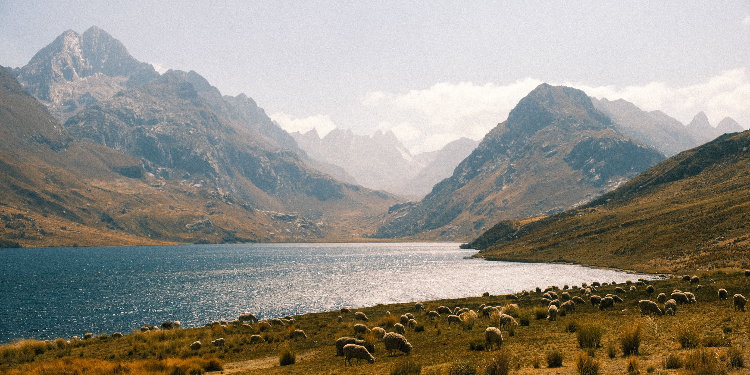
09Studying in Peru
The Peruvian university system warmly welcomes international students and is among the most dynamic in Latin America. The country boasts around 140 public and private universities, primarily located in Lima. Some of the most renowned institutions include the Pontificia Universidad Católica del Perú (PUCP), famous for its social sciences and humanities, the Universidad Nacional Mayor de San Marcos, founded in 1551 and considered the oldest university in South America, the Universidad del Pacífico, specializing in economics and management, and the Universidad de Lima, known for its strong programs in communication and engineering.
Why study in Peru?
The country provides a rich academic experience in a unique cultural environment. Tuition fees are relatively affordable compared to Europe or North America, ranging from 3,900 to 11,700 PEN (approximately 1,000 to 3,000 EUR) per year at public universities for international students, and from 7,800 to 23,400 PEN (about 2,000 to 6,000 EUR) per year at the more prestigious private universities. Courses are primarily taught in Spanish, providing an excellent opportunity for language immersion. Access to public universities is subject to a selective entry exam, while private institutions typically have more flexible admission processes. The Peruvian university system consists of three cycles: bachelor's (5 years), master's (2 years), and doctorate (3 years).
💡 Our tips
- Plan for your student visa, which is mandatory for any stay exceeding 90 days.
- Check the equivalence of your degrees with Sunedu to continue your studies.
- Budget for housing that is more substantial in Lima, as shared accommodation is the most accessible option for students.
- Research available scholarships and university exchange programs.
Discover more

10Schools in Peru: international curricula, costs and degree recognition
Lima's international school market has developed alongside its mining, energy and financial sectors, giving expat families a real choice of curricula and price points. The local system is free but widely regarded as inconsistent in quality, so most families with children opt for the private or international sector.
International schools in Lima
Annual tuition at Lima's main international schools ranges from roughly USD 8,000 to USD 28,000 depending on the school, curriculum and grade. Key options include:
- Colegio Franklin Delano Roosevelt (La Molina): American curriculum plus IB
- Markham College and Newton College: British curriculum and IB, in Miraflores and La Molina respectively
- Colegio Peruano-Alemán Alexander von Humboldt: German curriculum and IB
- Hiram Bingham School (Surco): full IB continuum from primary through diploma
- San Silvestre School: British curriculum, girls' school
Average annual tuition for international primary school is around PEN 45,000 (approx. USD 13,400). Register early: waiting lists at popular schools fill up quickly.
Bilingual schools
Spanish-English, Spanish-German and other bilingual schools are common in Lima's expat neighborhoods and offer a more affordable middle ground between the local public system and a fully international curriculum.
Degree recognition
SUNEDU, Peru's higher education authority, handles recognition of foreign degrees. The process requires a Hague apostille on your original documents. A UK-Peru mutual recognition of degrees treaty has been in effect since 2021. US degrees are assessed against SUNEDU's list of recognized foreign universities. For UK citizens, degree recognition is relatively straightforward under the bilateral treaty; for other nationalities, SUNEDU applies a general equivalency procedure that typically takes around 90 working days and is free of charge.
Discover more

11Moving to Peru: your practical relocation checklist
Moving to Peru involves more preparation than booking a flight, but working through the list methodically means you arrive with the paperwork and logistics already under control. Here is a practical checklist to work through before leaving.
- Choose your visa route before booking a one-way ticket. Confirm which category fits your situation: Rentista, Trabajador, Trabajador Independiente or Inversionista.
- Apostille and translate your documents: police clearance certificate, civil status documents and academic qualifications all need a Hague apostille and a certified Spanish translation if issued abroad.
- Book a medical certificate and, where required, arrange an Interpol background check before your Migraciones appointment.
- Open a Peruvian bank account as soon as you have your Carné de Extranjería. A local account is required for the Rentista visa and simplifies rent payments and daily banking.
- Arrange private health insurance with international coverage and repatriation before you travel, not after you land.
- Check customs rules with SUNAT if you plan to ship personal belongings or a vehicle under the menaje de casa import allowance.
- Book temporary accommodation in Miraflores or San Isidro for the first few weeks while you search for a long-term rental.
- Plan for altitude acclimatization if your first destination is Cusco or another highland city. Two to three days is typically enough for most people.
Discover more


12Everyday life in Peru
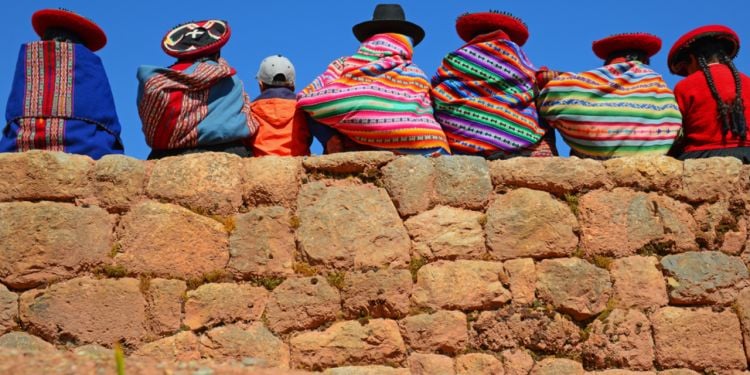
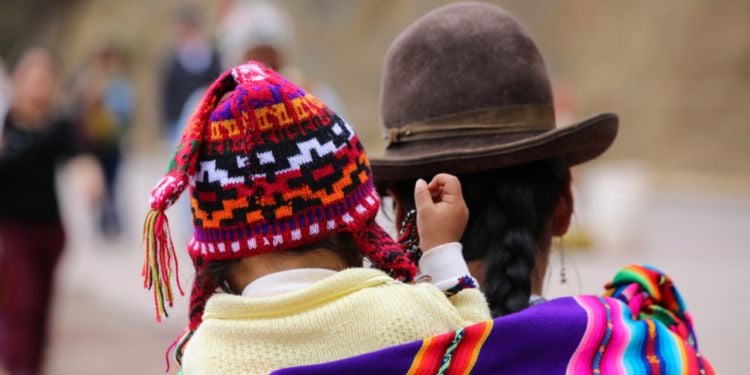
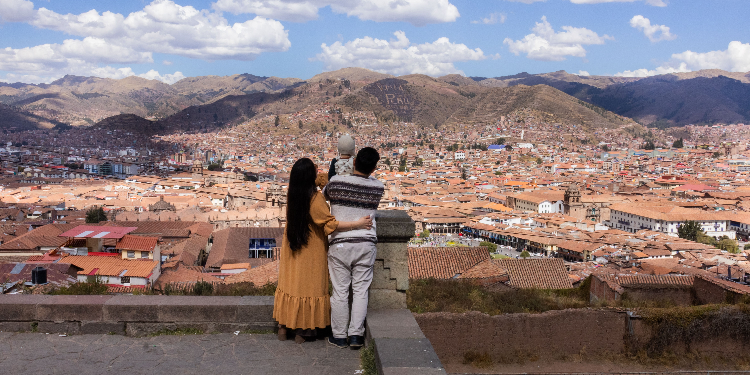
Daily life in Peru features a more relaxed pace compared to many European countries. Peruvians place great value on family and social connections. The country beautifully blends Andean tradition with urban modernity, especially in Lima, where historic neighborhoods coexist with contemporary business districts.
Things to note:
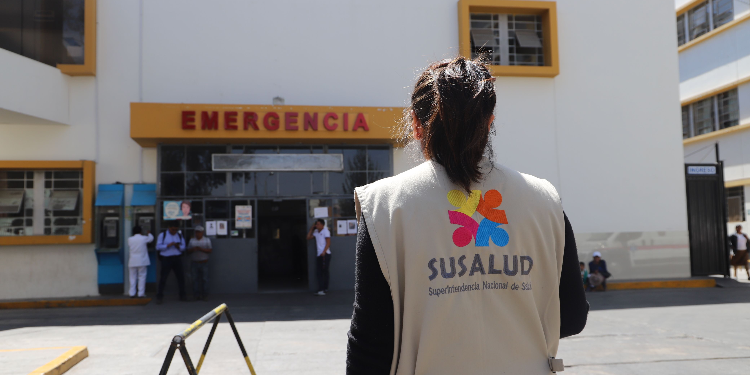
- Safety levels vary significantly between neighborhoods. In Lima, residential areas like Miraflores, San Isidro, and Barranco are generally considered safe, while some outlying sectors require more caution.
- Working hours typically run from 9 AM to 6 PM Monday through Friday, with some businesses closing early on Saturday mornings. In smaller towns, shops often close for a break between 1 PM and 3 PM.
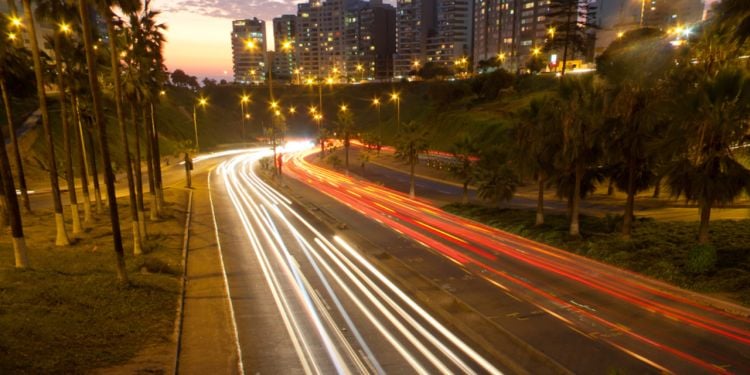
- Transportation in Peru primarily relies on buses, minibuses (known locally as combis), and taxis, which are available in all cities. In Lima, the options are more extensive: the Metropolitano (rapid bus), Line 1 of the metro, and classic buses make getting around easy, although traffic can often be heavy.
- Mobile phone and Internet services work well in urban areas: a typical mobile plan costs between 15 and 50 PEN per month (approximately 3.50 to 12 EUR), and fiber optic internet is available in most major cities for 25 to 60 PEN monthly (around 6 to 14 EUR).
- WhatsApp is the preferred tool for daily communication, both personal and professional.




Join the discussion on the forum
13Leisure and lifestyle in Peru: what residents actually do on weekends
Living in Peru puts an unusually wide range of landscapes and cultural experiences within reach of a single base, making weekends and holidays genuinely varied even after years of residency.
Culture and heritage
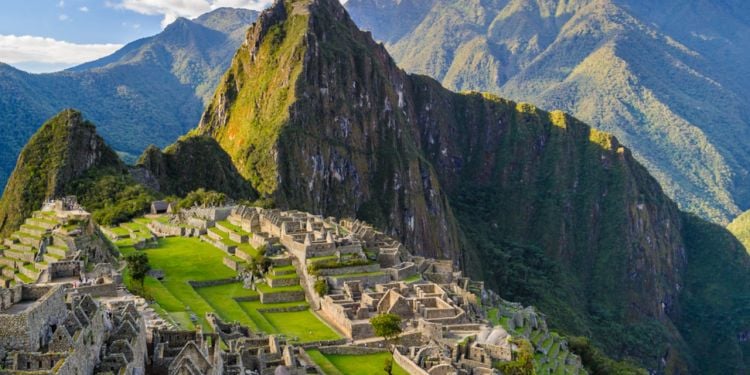
Machu Picchu remains the headline draw, but the surrounding region offers far more: Cusco as a living Inca city, the Sacred Valley with its markets and ruins, the Nazca Lines, and Lake Titicaca near Puno. The colonial architecture of Arequipa, including its white volcanic stone buildings, is a UNESCO World Heritage Site.
Sport and outdoor activities
The Inca Trail remains one of the world's most iconic multi-day hikes. Surfers head to Máncora on the northern coast or to breaks right in Lima. Paragliding above Miraflores is a popular weekend activity for residents. The Cordillera Blanca offers serious mountaineering terrain, while the Sacred Valley suits more casual trekking.
Nature and day trips
The Amazon basin around Iquitos and Puerto Maldonado is within reach of a long weekend from Lima. Vinicunca, the mountain known for its striped mineral colors, draws day-trippers from Cusco. The Paracas Reserve and Ballestas Islands on the southern coast offer wildlife and desert scenery within a few hours of Lima.
Food
Peru's food scene is a genuine competitive advantage. Lima hosts multiple restaurants on global top-50 lists, but the real reward is everyday eating: a lunch menú in a local restaurant costs between PEN 10 and PEN 18 (roughly USD 3 to 5) and typically includes a starter, main course and drink.
Discover more


14FAQ
15In a nutshell: is Peru the right move for you?
Peru's combination of low living costs, accessible residency routes and an extraordinary natural and cultural landscape makes it a genuinely compelling option for a long-term move in South America. Lima delivers the infrastructure and professional opportunities that a serious relocation demands, while Arequipa and Cusco offer alternatives for those who want a slower pace or a lower monthly outgoing. The bureaucracy requires patience and the security situation requires awareness, but neither represents an insurmountable barrier. The best way to get a real feel for life on the ground is to connect with people already there: the Peru forum is a good place to ask specific questions and hear honest answers before you book your flight.
Join the Peru community
Get regular tips and advice to make the most of your expat life
Essential services for your expat journey






Forum topics on living in Peru
Discover forums topics on expat life in Peru: join the conversation, ask your questions, get advice and share your experience.