

Living in Dubai: the ultimate expat guide
Everything you need to know for a successful life in Dubai.
Dubai has been transformed from a desert trading port into a global metropolis, attracting professionals and families from across the globe. The emirate's strategic location, zero personal income tax, and world-class amenities create a compelling destination for international professionals. With a population exceeding three million residents representing over 200 nationalities, the city maintains a cosmopolitan atmosphere while preserving its cultural identity. Dubai experiences warm temperatures throughout the year, featuring extremely hot summers and mild, comfortable winters that are ideal for outdoor activities.
5 good reasons to move to Dubai
- Tax-free income – no personal income tax allows professionals to maximize earnings and savings potential.
- Career opportunities – thriving economy with expanding sectors in technology, finance, hospitality, and healthcare.
- World-class infrastructure – modern transportation, healthcare facilities, and education options meet international standards.
- Multicultural environment – diverse expatriate community with international schools following various curricula.
- Safety and security – consistently ranked among the world's safest cities with low crime rates.
Source: World Population Review
Formalities and visas in Dubai
All you need to know to enter Dubai and settle in. Learn entry requirements, the documents you need, how to apply for a visa or residency, and tips to navigate the bureaucracy smoothly.
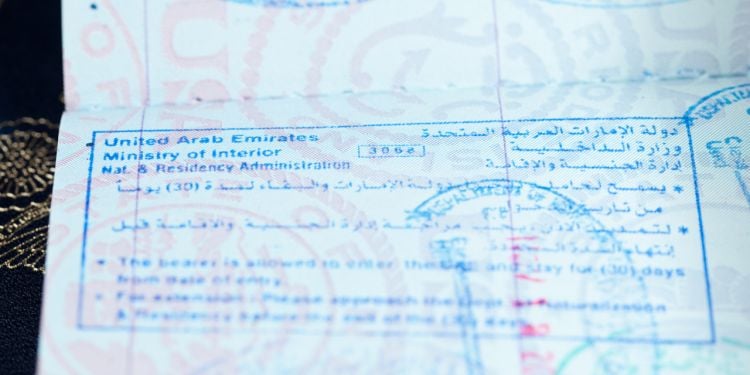
Work permit for Dubai
Modern, vibrant, and cosmopolitan, Dubai attracts millions of visitors annually, as well as expatriates. With its dizzying skyscrapers and ...
Travelling to Dubai
Travelling to Dubai is easy as it is the world's busiest airport in terms of international passengers. Therefore, flights are available from ...
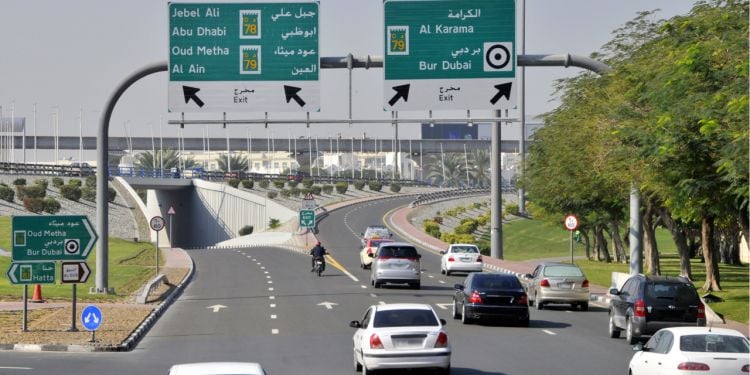
Driving in Dubai
To drive in Dubai, you will need a local driver's license. There is a list of 30 countries for which no driving test is required. Moreover, you ...
Working in Dubai
Dubai's economy has diversified substantially beyond traditional sectors, creating employment opportunities across multiple industries. The emirate ranks among the world's most competitive labor markets, with unemployment rates consistently below global averages. International professionals find opportunities in technology, financial services, construction, hospitality, and healthcare sectors.
Employment landscape and key sectors
The technology sector continues expanding rapidly, driven by government initiatives including the Dubai Blockchain Strategy and UAE Artificial Intelligence Strategy 2031. Dubai International Financial Centre serves as a regional hub for banking and financial services, while tourism and hospitality generate substantial employment. Construction projects support urban development initiatives, and renewable energy investments create specialized roles. The private sector dominates the employment landscape, with the vast majority of professionals working outside government positions.
Work permits and employment regulations
Foreign nationals need employment visas sponsored by employers. The application process includes medical examinations and security clearance. Companies handle visa procedures, which typically involves obtaining an Emirates ID card. Labor regulations protect employee rights, including end-of-service gratuity and clear termination procedures governed by the UAE Labour Law.
Unemployment Rate (UAE) | 1.9% |
Average monthly salary (net) | AED 15,127 |
Key sectors | Technology, finance, tourism, construction, healthcare |
Data correct as of December 2025.
Sources: Federal Competitiveness and Statistics Centre, Gulf News, Numbeo
🔍To learn more
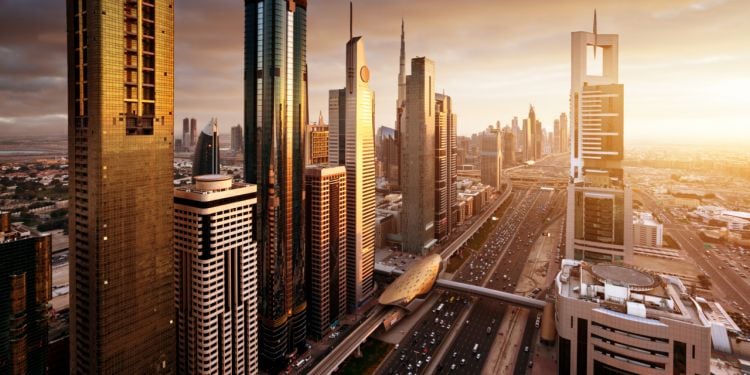
Finding a job in Dubai
Home to 9 million expats, the UAE is a very popular relocation destination. If you are employed by ...

The labor market in Dubai
Dubai is one of the most desirable destinations for any expat in a peaceful and secure country. ...

Setting up a business in Dubai
If you are planning to set up a business in Dubai, Expat.com is providing you with some useful tips ...
Higher education & universities
Dubai hosts over 65 universities and colleges, including branch campuses of internationally recognized institutions. Students from the Middle East, Asia, and Africa are drawn to the emirate for its diverse academic offerings. Programs cover business, engineering, technology, hospitality, healthcare, creative industries, and emerging fields such as artificial intelligence and cybersecurity.
International universities and academic programs
Branch campuses offer degrees from institutions including Heriot-Watt University (Scotland), Middlesex University (UK), University of Birmingham (UK), and Rochester Institute of Technology (USA). Local institutions like the University of Dubai and Zayed University provide programs accredited by international bodies. The Dubai International Academic City houses multiple institutions in a dedicated education zone. Programs range from undergraduate degrees to master's programs and doctoral studies, with instruction primarily in English. Fields like artificial intelligence, cybersecurity, business administration, and engineering are particularly popular.
Admission requirements and application process
If you are applying to a university in Dubai, you will need to provide proof of completing secondary school education and English proficiency scores from IELTS or TOEFL. Universities may have additional requirements depending on the program. The visa process requires an acceptance letter from your university, proof of funds, and a medical exam. Most programs begin in September, though some universities accept students in January. Bachelor's degrees typically last three to four years, while master's programs take one to two years.
Sources: QS Top Universities, Knowledge and Human Development Authority

Retirement in Dubai
Dubai is a compelling retirement destination for international professionals seeking tax advantages, modern healthcare, and a comfortable climate during winter months. The emirate introduced specific retirement visa programs enabling foreign nationals to reside long-term without employment sponsorship, recognizing the growing appeal among international retirees.
Retirement visa options
The UAE retirement visa grants five-year renewable residency for individuals aged 55 and above who meet specific financial requirements. Applicants can demonstrate financial stability through property ownership, substantial savings, or regular monthly income from pensions or investments. Long-term visas are also available for property investors meeting higher value thresholds.
Healthcare and lifestyle for retirees
Dubai's healthcare system includes internationally accredited hospitals and specialized clinics staffed by multilingual medical professionals. Mandatory health insurance ensures access to quality medical care, with comprehensive coverage available through various providers. The emirate's modern infrastructure, including accessible transportation and adapted facilities, accommodates senior residents.
Retirees can enjoy a wide range of leisure activities, from golf clubs and marina excursions to cultural events and venues. Winter offers comfortable weather for outdoor pursuits, while indoor spaces remain pleasant during the hot summer thanks to extensive air-conditioning. Dubai’s international airport provides convenient connections worldwide, and the city’s multicultural population, along with the widespread use of English, helps international retirees settle in with ease.
Source: Dubai Health Authority
Finance and banks in Dubai
Tips to manage your money in Dubai: from opening a bank account, transferring funds to filling your tax and understanding the fiscal system.

Opening a bank account in Dubai
In Dubai, opening a bank account is not complicated. You simply need to ensure that you meet some of the documentation requirements. As an expatriate ...
Health care in Dubai
Understand the healthcare system in Dubai: public and private health system, health insurance options, how to access medical care...

Healthcare in Dubai
In the United Arab Emirates, you will find clinics, public and private hospitals, and primary healthcare centers. In Dubai, more specifically, the ...
Schooling for children
There are more than 220 international schools in Dubai following diverse curricula. The Knowledge and Human Development Authority (KHDA) regulates educational standards through annual inspections, publishing comprehensive quality reports. Schools offer British, American, International Baccalaureate, Indian, French, and other curricula, creating options suited to various educational backgrounds.
International school options and curricula
British curriculum schools follow the National Curriculum of England through key stages, culminating in GCSE and A-Level qualifications. American schools implement US state standards with Advanced Placement courses. Notable institutions include American School of Dubai, Dubai College specializing in British education for ages 11-18, GEMS World Academy offering IB continuum programs, and Nord Anglia International School. Indian curriculum schools like The Millennium School serve substantial South Asian communities.
Enrollment procedures and requirements
o enroll a child in a school in Dubai, parents must provide the child’s birth certificate and previous school records, along with the parents’ passport copies, residence visa documents, and the child’s immunization records. Many schools also require entrance assessments for certain grade levels. Popular institutions often maintain waiting lists, so it is recommended to apply early. The school year runs from August through June, though many schools accept mid-year transfers. UAE regulations require all students to study Arabic, with Muslim students taking Islamic Studies and non-Muslims studying ethics or a comparable subject. Class sizes typically range from 20 to 25 students, though some schools maintain smaller groups for more personalized attention.
Housing & neighborhoods
Dubai's residential market includes apartments, townhouses, and villas in neighborhoods throughout the city. Rental agreements typically span one year, with payments often required in one to four installments. The Dubai Land Department regulates rental increases through official calculators, protecting tenant rights.
Residential areas
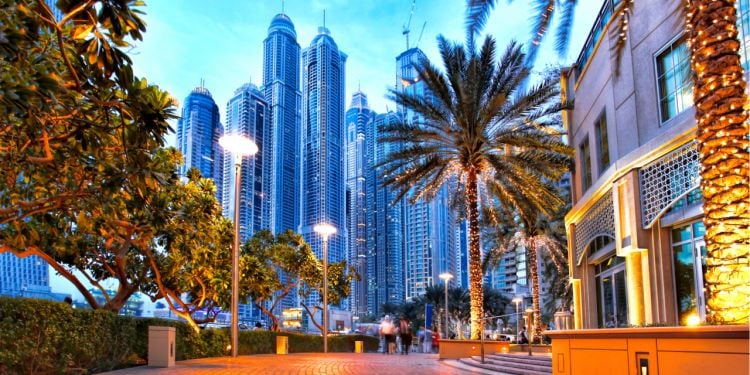
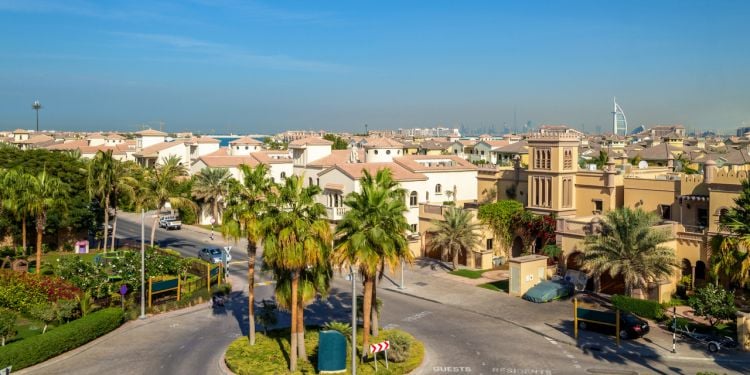
Premium neighborhoods include Dubai Marina, known for waterfront high-rise apartments with plentiful dining and entertainment options; Downtown Dubai, featuring luxury apartments near the Burj Khalifa and Dubai Mall; and Palm Jumeirah, offering beachfront villas and apartments with resort-style living. Mid-range communities such as Jumeirah Lakes Towers (JLT) attract both singles and families with convenient amenities, Dubai Sports City provides residential options alongside sports facilities, and Town Square features modern townhouses with active community events. More affordable areas on the city’s outskirts include DAMAC Hills 2, Mirdif, and International City, offering budget-friendly housing while still providing access to key services and facilities.
Rental procedures and rental costs
To secure a rental property in Dubai, you'll need passport copies, visa documentation, a security deposit, and post-dated checks for the year's rent. All tenancy contracts must be registered through the Ejari system. Landlords need to give 90 days' notice for non-renewals, while tenants give 60 days' notice. DEWA (Dubai Electricity and Water Authority) handles electricity and water connections, while internet comes from providers like Etisalat and du. Most communities feature amenities including swimming pools, gyms, and parking.
Rent of a 1-bedroom apartment in the city center | AED 6,000 - 14,000/month |
Rent of a 3-bedroom apartment in the city center | AED 10,000 - 25,000/month |
Data correct as of December 2025.
Source: Numbeo
🔍To learn more
Accommodation in Dubai
One of the first things you will need to settle when relocating to Dubai is accommodation. If you ...
Buying property in Dubai
Dubai is like a drug; from the minute you step into the city as a tourist, the love affair starts. ...
Choosing a neighbourhood in Dubai
Relocating to a new country and a new city is always tricky. The most important thing is to find ...
Planning your move to Dubai
Moving to Dubai? Get advice and tips to planning your relocation, choosing the best company, packing your belongings and managing customs procedures.
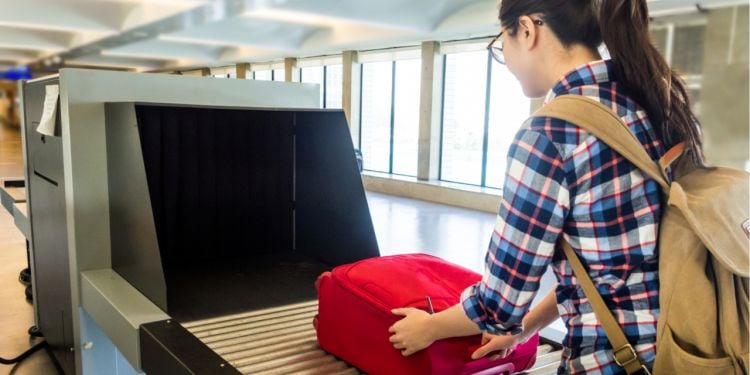
Customs in Dubai
If you are relocating to Dubai, you might be bringing some items in your luggage in addition to what you're shipping over. These are probably ...
Leisure, culture & things to do
There is lots to see and do in Dubai for residents and visitors alike. Year-round sunshine enables outdoor activities during cooler months, while world-class indoor facilities provide respite during summer heat.
Cultural heritage and museums
The Dubai Museum, housed in the 18th-century Al Fahidi Fort, showcases the emirate's transformation from pearl-diving village to global metropolis through multimedia displays and archaeological exhibits. The Al Fahidi Historical Neighbourhood preserves traditional architecture with wind towers, narrow lanes, and buildings converted to galleries and cultural centers. The Museum of the Future, opened in 2022, presents innovative exhibits on space travel, artificial intelligence, and sustainability within striking torus-shaped architecture. The Etihad Museum documents UAE formation and national development. For performing arts, Dubai Opera hosts international performances from classical concerts to contemporary theater. Meanwhile, Alserkal Avenue in Al Quoz serves as the city’s contemporary arts hub, with galleries, studios, and regular exhibitions that celebrate Dubai’s dynamic creative scene.
Entertainment and outdoor activities
The Burj Khalifa observation decks provide panoramic city views from the world's tallest building. Dubai Mall, among the globe's largest shopping centers, contains over 1,200 stores plus attractions like the Dubai Aquarium. Palm Jumeirah, the iconic man-made island, features luxury hotels, beaches, and the Atlantis Aquaventure waterpark. Jumeirah Beach and La Mer offer public beach access with dining and recreational facilities. Dubai Parks & Resorts encompasses multiple theme parks. Golf courses, marina facilities, and numerous sports clubs cater to active lifestyles. The city also hosts international sporting events, concerts, and festivals throughout the year.
Sources: Dubai Culture, Visit Dubai
🔍To learn more

Things to do on weekdays and weekends in Dubai
Dubai is often called the city that never sleeps. People tend to associate Dubai with luxury hotels ...
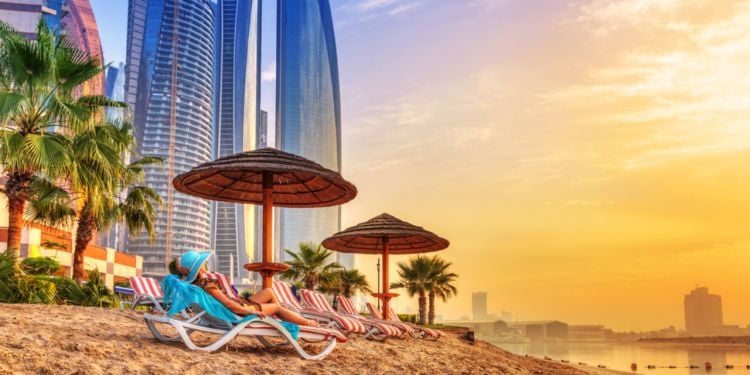
Things to do in Dubai alone, with your partner or with friends
There is so much to discover in Dubai. If you don't believe us, just hop on the largest Ferris ...
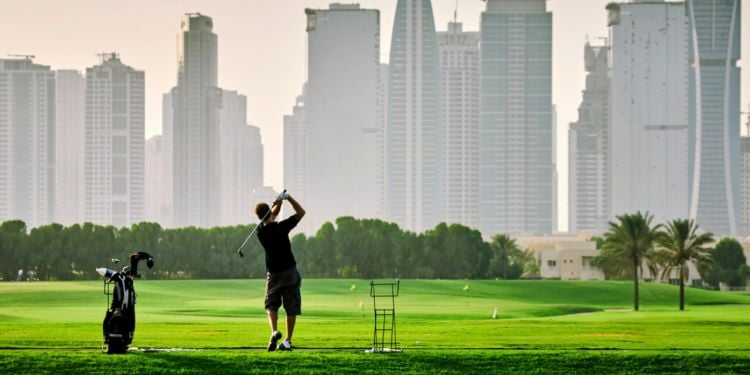
Sports activities in Dubai
People generally tend to associate Dubai with skyscrapers and highways, which is true. However, the ...
Daily life
Dubai operates on a Sunday-to-Thursday work week, with Friday and Saturday comprising the weekend. English is the primary business language, though Arabic is the official language. The emirate has a conservative dress code in public spaces while accommodating Western lifestyles in designated areas.
Transportation and getting around
The Dubai Metro, operated by the Roads and Transport Authority (RTA), comprises Red and Green Lines, connecting dozens of stations across the city. The driverless system consistently receives high marks for customer experience and operational excellence. The metro operates from early morning to midnight on weekdays, with extended hours on weekends. The extensive bus network reaches all areas of the city. Dubai Tram serves the Marina and JBR areas. Water transport includes traditional abra boats crossing Dubai Creek, modern water buses, and the Dubai Ferry.
Cultural aspects and lifestyle considerations
Dubai respects Islamic traditions while welcoming international communities. During Ramadan, eating and drinking in public during daylight hours is prohibited out of respect for those fasting. Weekends begin Friday, aligning with Islamic prayer schedules. The climate requires some getting used to, with high summer temperatures keeping most activities indoors, while winter months from November through March provide comfortable outdoor conditions. Healthcare standards meet international levels, with mandatory health insurance for all residents.
Sources: Roads and Transport Authority, Keolis MHI
🔍To learn more
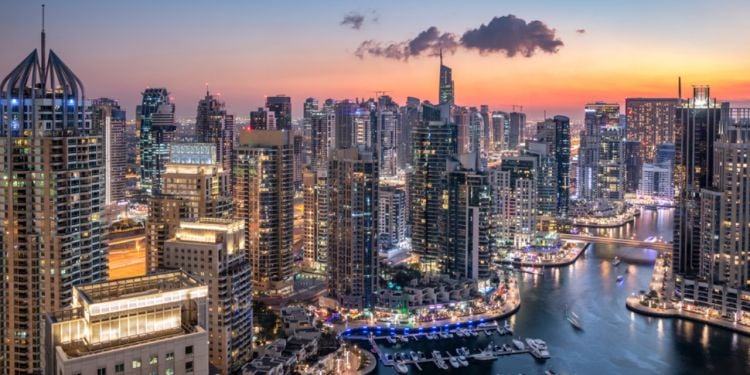
Discover Dubai
The UAE is a country with over 9 million expats — and this alone says a lot. Dubai is the ...
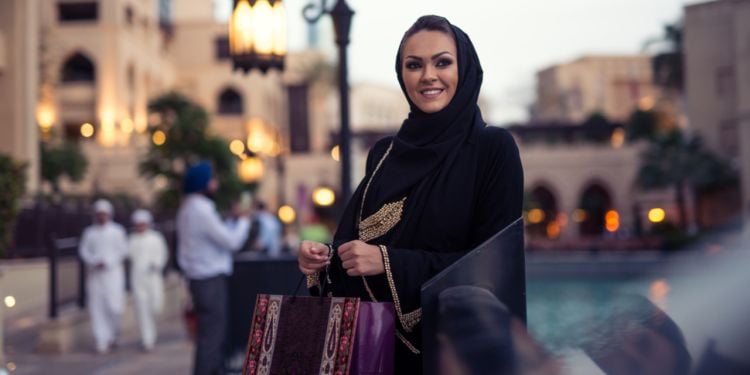
The local culture in Dubai
Dubai, like most of the United Arab Emirates, is one of the most desirable job destinations ...

How to develop your social circle in Dubai
Moving to a new country or city is not always easy, especially when you're leaving behind your ...
Cost of living
The cost of living in Dubai is higher than many global cities, yet remains more affordable than destinations like Hong Kong, Singapore, and London.
Monthly expenses for single person
Rent of a 1-bedroom apartment in the city center | AED 6,000 - 14,000 |
Utilities | AED 600 - 1,300 |
Groceries | AED 800 - 1,200 |
Data correct as of December 2025.
Monthly expenses for family of four
Rent of a 3-bedroom apartment in the city center | AED 10,000 - 25,000 |
Utilities | AED 1,500 - 2,500 |
Groceries | AED 2,000 - 4,000 |
Data correct as of December 2025.
In short
Dubai offers cutting-edge infrastructure alongside authentic Arabian culture, creating an exceptional destination for international professionals and families. Zero personal income tax, diverse employment opportunities across expanding sectors, and world-class amenities make the emirate a premier expatriate location. The multicultural community of over 200 nationalities creates an inclusive environment where international schools, diverse dining, and cultural events cater to all backgrounds. While living expenses may be high, competitive salaries and employer benefits often include housing and education allowances. From museums preserving Emirati heritage to futuristic attractions showcasing innovation, Dubai provides experiences appealing to all ages and interests. Connect with other expatriates on the Expat.com Dubai forum to share experiences and discover insider tips for making the most of life in this dynamic city.
We do our best to provide accurate and up to date information. However, if you have noticed any inaccuracies in this content, please contact us.


News & testimonies
Why buying property beats renting in Dubai
Renting a home in Dubai as an expat is becoming more and more challenging. Faced with skyrocketing rents, more and more expatriates are considering real estate purchases to continue living in the city. What are the benefits of this investment? How can one become a homeowner in Dubai? Here are some insights and practical advice.
The real expat life in Dubai: Beyond the glitz
Is Dubai truly the new haven for foreign ultra-rich and bold investors? Beyond the city's superficial image, expats reveal a different reality—a far more ordinary daily life than the extravagance seen online. Let's uncover the other side of Dubai.

Why Dubai is opening its government agencies to foreign talent
The United Arab Emirates is still facing significant labor shortages despite its multiple strategies to fill in the gaps. In Dubai, the impacted public sector is opening its doors to international talent. But the Emirate doesn't want to limit itself to simply recruiting foreign workers. Behind this vast recruitment campaign is a broader project to attract more investors and foreign talent.

Dubai welcomes nearly 100,000 expatriates amid the crisis
The number one city in the United Arab Emirates (UAE), Dubai stands out in terms of immigration. Its economic prosperity has left everyone speechless. After a sudden demographic drop in the early days of the pandemic, Dubai started welcoming new immigrants in the fall of 2020. So how has this city become a favorite expat destination within the past two years?
Essential services for your expat journey