

Living in Algeria: the ultimate expat guide
Everything you need to know for a successful life in Algeria.
Algeria is a large North African country offering a very different expat experience from more mainstream destinations. It combines Mediterranean cities, Saharan landscapes, and a strong sense of local identity. For expats, Algeria is usually considered for professional assignments, long-term projects, or family and cultural ties, rather than casual relocation. Life here can be affordable and rewarding, but it requires preparation, adaptability, and realistic expectations. Understanding the country’s customs, demographics, and lifestyle is essential before making the move.
Five compelling reasons to live in Algeria
1. Low cost of living
Housing, local food, utilities, and transport are generally inexpensive by international standards, especially outside premium neighborhoods.
2. Strong demand for skilled professionals.
Expats most often work in energy, engineering, construction, diplomacy, education, and technical services.
3. Mediterranean lifestyle in major cities.
Cities such as Algiers, Oran, and Annaba offer coastal living, mild winters, and an urban rhythm familiar to many Europeans.
4. Deep cultural immersion.
Living in Algeria provides daily exposure to Arab, Amazigh, and Mediterranean cultures, with rich traditions and social life centered on family and community.
5. Strategic location.
Algeria sits at the crossroads of Europe, Africa, and the Middle East, which is valuable for regional business and travel.
Facts and figures
Population (2023) | 45.6 million |
Expat population (2020) | 250,400 |
Common migrant nationalities (2020) | Palestine, Somalia, Syria, Iraq, Saudi Arabia, and Yemen |
Typical temperatures | Summer: 24°C – 32°C (75°F – 90°F), winter: 10°C – 15°C (50°F – 59°F) |
Data correct as of December 2025.
Sources:
Statista — population, Integral Human Development — expat population, and Population Pyramid — nationalities.
Formalities and visas in Algeria
Algeria requires most foreign nationals to obtain a visa before arrival unless they are from a visa-exempt country. There is no central online application system — you must apply through an Algerian embassy or consulate in your country of residence. The process involves filling out paper forms, gathering documentation, and submitting it in person or via a representative. Processing times can vary widely — from a few days for some tourist visas to several weeks or more for other categories, so early application is essential.
What you should know
• Who needs a visa: Most non-Algerian citizens must apply for a visa before travelling to the country via an Algerian diplomatic mission or consulate.
• Types of visas available: Algeria issues multiple visa types, including tourist, business, work, study, family, transit, and special categories such as diplomatic or press visas.
• Application process: There is no complete online visa system — application forms are downloaded and completed on paper, then submitted with supporting documents at the embassy/consulate in your home country.
• Supporting documents: Standard requirements include a completed form, passport photos, passport copy, travel insurance, and purpose-specific documents (invitation letters, accommodation proof, employment contracts, etc.).
• Processing times: Officially, some visas (such as tourist visas for organized trips) can be issued quickly (e.g., within 48 hours for complete files), but many applicants experience weeks to months of waiting depending on the reason for their visit and the visa type.
• Visa validity: Visas can be issued with validity from 90 days up to two years; each entry usually allows a maximum 90-day stay, and total stays in a year generally cannot exceed ~180 days without extension.
• Visa extensions: Some visas can be extended within Algeria at local authorities under specific conditions, usually handled through immigration offices.
• Work and residence: A work visa typically requires additional work authorization from Algerian labor authorities before you apply at the consulate.
• Fee and reciprocity. Visa fees vary by nationality and length of stay; some nationals may be exempt from fees under reciprocity agreements.
Useful link:
Ministry of Foreign Affairs — visas
🔍To learn more
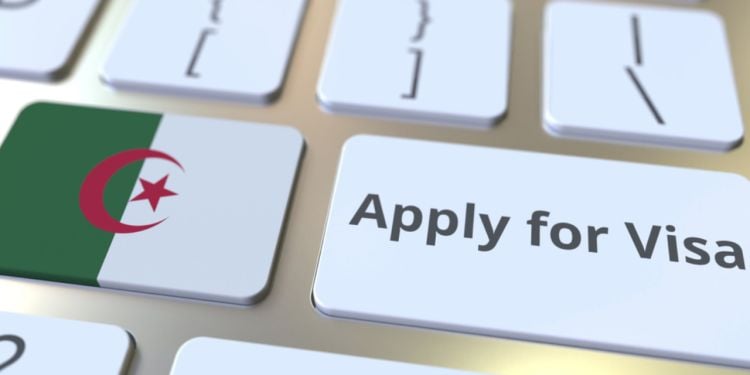
Visas for Algeria
If you intend to travel to Algeria, you will probably need a visa. Find out how to obtain a visa in this article.
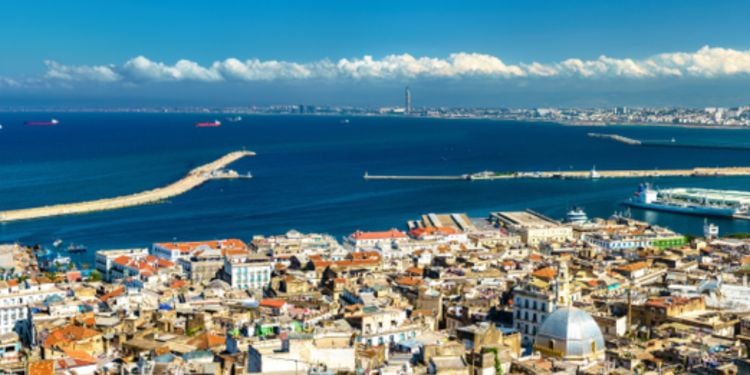
Traveling to Algeria
Do you intend to travel to Algeria? Find in this article useful information regarding formalities to be filled in.

Driving in Algeria
Driving in Algeria implies some conditions and regulations. Find out more about these in this article.
Working in Algeria
Finding work in Algeria as an expat requires preparation and patience. The country has high overall unemployment, especially among young Algerians, which can make local competition for some positions strong.
Expats usually secure jobs through international companies, NGOs, diplomatic missions, or the energy sector, rather than the local job market. Many choose Algeria for career opportunities in oil and gas, construction, and technical projects, or for short-term assignments with multinational firms. Knowledge of French and Arabic is a significant advantage.
Expats often focus on sectors where foreign skills are in short supply, and salaries are higher than the local average. Multinational companies provide structured employment contracts, housing assistance, and guidance on work permits, making them the most straightforward path for foreign professionals.
In-demand jobs
• Energy and hydrocarbons: Oil and gas companies are a significant source of expat employment.
• Engineering and construction: Infrastructure projects often require foreign expertise.
• Education: International schools and universities hire foreign teachers for language or technical subjects.
• IT and telecommunications: Growing demand for digital skills and technical specialists.
• Healthcare: Hospitals and clinics sometimes recruit expat doctors and specialists.
Tips:
- Show relevant skills and experience – employers value technical expertise and proven competence.
- Demonstrate adaptability – be flexible and ready to adjust to local work practices.
- Cultivate cultural awareness – understanding Algerian norms and social dynamics is essential.
- Leverage language skills – French and Arabic fluency are substantial advantages.
- Network effectively – use professional contacts to discover opportunities.
- Respect local business etiquette – communicate formally, respect hierarchy, and be punctual.
- Be proactive and flexible – willingness to learn and adjust increases your chances of integration and success.
Facts and figures
Unemployment rate (2024) | 11.4% |
Largest employer by sector (2023) | Services 59.87% (government services, wholesale and retail trade, transport and logistics, telecommunications, banking and finance, real estate, hotels and restaurants, education, healthcare) |
Informal workforce | 42% of total employment |
Data correct as of December 2025.
Sources:
World Bank — unemployment, Trading Economics — employer by sector, and IMF — informal workforce
🔍To learn more
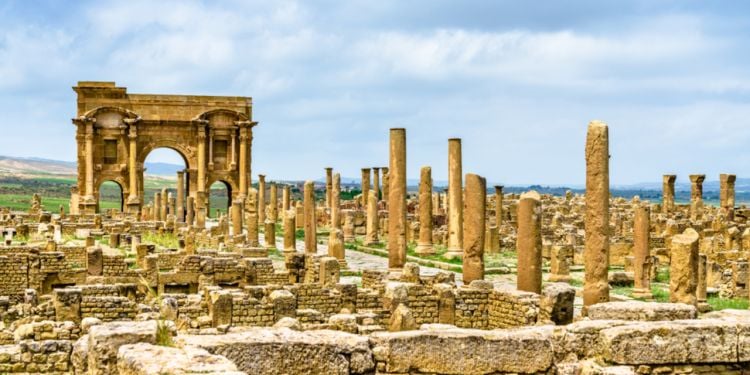
Work in Algeria
What are the conditions governing the employment of foreigners in Algeria? What are the major ...
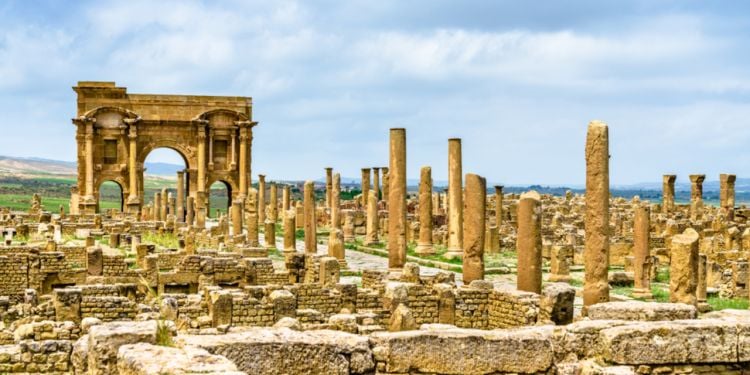
Setting up a business in Algeria
Do you intend to set up a business in Algeria? Find out in this article what are the formalities to ...

Internship in Algeria
Looking for an internship in Algeria? Find out, in this article, some useful tips to guide you ...
Studying in Algeria
Algeria has an extensive public university system with over 70 institutions, serving a rapidly growing student population. Overall, the quality of higher education is solid in certain fields, such as engineering, medicine, and the natural sciences. However, it may lag behind some North African and European peers in research output and global rankings. Universities are heavily subsidized, which keeps tuition low for students, and the country has been investing in modernizing campuses and programs. Algeria excels in STEM disciplines, energy-related studies, and public administration training, making it attractive for students seeking practical, career-oriented degrees.
Algeria has several thousand international students enrolled at its educational institutions, attracted by low tuition fees and the opportunity to study in French or Arabic. Students primarily come from sub-Saharan Africa, the Maghreb, and the Middle East to complete medical, engineering, and business programs. Student visas are accessible if you have university admission and proper documentation, though the process requires planning and coordination with the Ministry of Higher Education.
Top universities in Algeria
University of Algiers 1 (Benyoucef Benkhedda) – the oldest and most prestigious university in the country, strong in humanities, law, and social sciences.
University of Science and Technology Houari Boumediene (USTHB), Algiers – known for engineering, technology, and applied sciences, with a strong research focus.
University of Oran 1 Ahmed Ben Bella – offers a broad range of programs, particularly in medicine, science, and business administration, and attracts a significant number of international students.
🔍To learn more
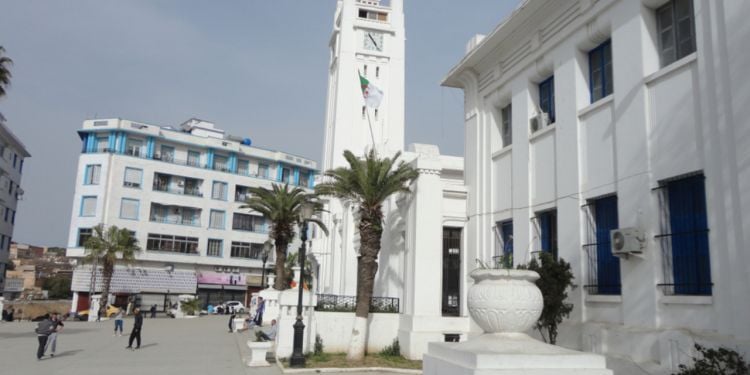
Study in Algeria
Do you wish to study further in Algeria? Find out in this article how to proceed with registration formalities and to obtain a visa.
Finance and banks in Algeria
Algeria’s banking system is functional but can feel traditional compared to those of more digitally advanced countries. Most banks offer standard services like checking and savings accounts, international transfers, and ATMs, but online and mobile banking are still developing, and not all services are fully digital. Expats can open bank accounts, but the process can be slow and requires several documents, including a residency certificate, passport, and proof of income or employment. While major cities have numerous branches and ATMs, rural areas are less covered, so plan accordingly.
Tips:
• Opening an account: You generally need to visit a branch in person; opening an account from abroad is typically not possible.
• Required documents: Passport, residency permit, proof of employment or student status, and sometimes a reference letter from another bank.
• Cash: Cash is widely used in Algeria, so expats should carry enough local dinars (DZD) and not rely on cards or ATMs outside major hotels and cities.
• Digital banking: Online and mobile banking exist but can be limited or inconsistent, so expect some in-person transactions.
• ATMs: Widely available in urban areas, but smaller towns may have few or unreliable ATMs.
• Currency restrictions: Algeria enforces strict foreign currency controls; exchanging money is regulated through banks or official exchange offices.
• Bank fees: International transfers can be slow and costly, so compare options before moving funds.
Useful link:
🔍To learn more
Health care in Algeria
Algeria has a public healthcare system that is low-cost and widely available, but it can be crowded and slow, especially in urban hospitals. Public hospitals provide free or very cheap care for residents, but quality can vary. Certain specialties, such as cardiology, infectious diseases, and emergency care, are strong, while diagnostic services and elective procedures may be limited.
Many expats rely on private clinics in major cities or travel to neighboring countries, such as Tunisia or France, for complex treatment. Compared to other North African countries, Algeria offers affordable access but lower infrastructure and service quality than Morocco or Tunisia in some areas.
Finding a general practitioner (GP) is possible in urban areas, but rural locations have fewer options. Expats do not automatically receive free public healthcare and typically need either residency status contributions or private health insurance. Expats widely use private healthcare for faster service and English-speaking staff. Pharmacies are plentiful in cities, and many medicines are available without a prescription, though some require a doctor’s note.
Tips:
Emergency number: Dial 14 for ambulance or emergency services.
Pharmacies: Usually open 8 am–12 pm and 2 pm–7 pm; city pharmacies often offer delivery and can advise on medicines.
Health insurance: Consider taking out private health insurance for full coverage, especially if you want access to private hospitals.
Medicines: Most common medications are available in pharmacies, but bring essential prescriptions from home for chronic conditions.
Language: Many doctors speak French, and English is less common outside private clinics in Algiers or Oran.
🔍To learn more

Health care in Algeria
Are you eligible to public health care in Algeria? What are the conditions and fees applied? Find out the answers to your queries in this article.
Education and schools in Algeria
Education in Algeria is free and compulsory from ages 6 to 16, with a system structured around primary, middle, and secondary levels. Public schools follow a national curriculum in Arabic, with French often taught as a second language. While public education is widely available, quality can vary between urban and rural areas, and many families supplement learning with private tutoring. Schools excel in core subjects like mathematics, sciences, and languages, but resources and extracurricular options may be limited compared to international standards.
Expat children can attend public schools, though instruction is primarily in Arabic and French, which may be a challenge for non-French speakers. Many expat families therefore choose international schools, which follow French, British, American, or other foreign curricula. These schools are primarily located in major cities such as Algiers, Oran, and Constantine. While not as numerous as in other countries, several well-established international schools offer English- or French-language instruction and recognized diplomas.
The school year in Algeria generally runs from September to June, with slight regional differences. Students get breaks in winter (Dec–Jan), spring (Mar–Apr), and summer (July–Aug), as well as public holidays such as Independence Day and major religious celebrations.
Tips:
• Plan early: Popular international schools have limited spots; apply well in advance.
• Language readiness: Consider language support programs if your child isn’t fluent in French or Arabic.
• Documentation: Be prepared with passport copies, residency permit, previous school records, and vaccination certificates when enrolling.
Accommodation in Algeria
Finding housing in Algeria is generally affordable by Western standards, but the market varies widely across cities. Algiers, the capital, is the most competitive, with higher rents and limited options in popular neighborhoods. Coastal towns like Oran and Annaba are moderately priced, while inland cities tend to offer more space and lower costs. Expats often need to plan ahead and work with local agents or company contacts to secure suitable housing.
Expats can choose from apartments, villas, and occasionally gated compounds in Algeria. Furnished apartments in secure buildings are popular for short- to medium-term stays, while villas are typically preferred by families seeking more space. Most expats rent rather than buy, as the buying process for foreigners can be complex, though property purchases are possible with the correct permits and approvals from local authorities. International real estate agents can help navigate legal requirements.
Tips:
• Use reputable agents: Local or international agencies can guide you through contracts and negotiations.
• Research the neighborhood carefully: Proximity to work, schools, and services is key; urban traffic can be challenging.
• Understand rental contracts: Most leases are long-term; clarify utilities, maintenance, and deposit terms before signing.
• Consider furnished apartments: Especially for short-term stays, as they are easier to move into and sometimes include security.
• Foreigners can buy property: Research permits and legal requirements if considering purchasing real estate; some areas may require approval.
🔍To learn more
Accommodation in Algeria
If you intend to move to Algeria, find out, in this article, how to proceed to find accommodation there.
Planning your move to Algeria
Moving to Algeria requires careful preparation, as shipping your belongings can be more complex than in many Western countries. Customs procedures are strict, and paperwork must be thorough to avoid delays. While major ports and logistics providers in cities like Algiers are modern and professional, the process is not fully digital and can take several weeks for clearance. Expats should plan ahead, use reputable international movers, and familiarize themselves with Algerian import regulations.
Tips:
Use certified international movers: Choose companies experienced with Algerian customs to avoid shipping delays.
Prepare all documentation: Complete inventory lists, invoices, and proof of ownership for household goods; incomplete paperwork may result in confiscation or fines.
Understand duty exemptions – Certain personal items may be exempt if properly documented; check Algerian Customs regulations before shipping.
Plan for wait times: Customs clearance can take 2–6 weeks, depending on the port and your paperwork.
Avoid prohibited items: Firearms, certain electronics, and restricted substances may be banned; review the official prohibited imports list.
Useful link:
🔍To learn more


Leisure in Algeria
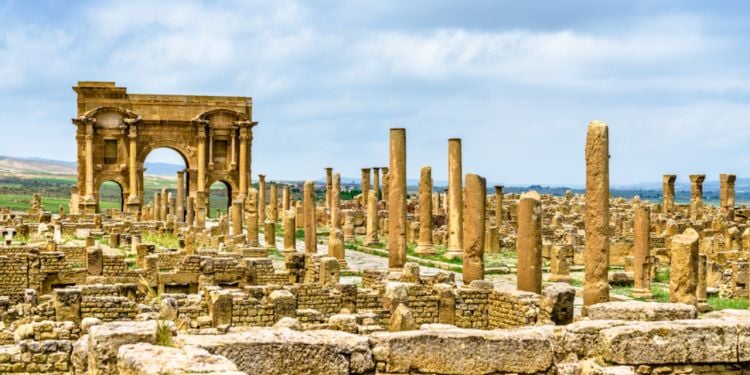
Algeria is a country full of diverse landscapes, rich culture, and vibrant traditions, offering expats plenty of ways to spend their free time. From the Mediterranean coastline to the vast Sahara Desert, there is no shortage of outdoor adventure. Expats can explore ancient Roman ruins, traditional Kasbahs, and bustling markets in cities like Algiers, Oran, and Constantine.
Algerian cuisine, music, and festivals are central to local life, giving visitors and residents alike a chance to immerse themselves in authentic cultural experiences. Whether it’s hiking in the Kabylie mountains, enjoying water sports along the coast, or sampling local dishes at a street café, Algeria provides a blend of leisure activities that suit both nature lovers and culture enthusiasts.
Popular activities in Algeria
• Beach and water activities – swimming, sailing, and relaxing along the Mediterranean coast.
• Hiking and trekking – explore mountain regions and the Sahara landscapes.
• Cultural tours – visit Roman ruins, UNESCO heritage sites, and traditional Kasbahs.
• Local markets and cuisine – sample Algerian street food, pastries, and traditional meals.
• Music and festivals – attend Rai music events, cultural festivals, and local celebrations.
• Desert adventures – experience camel treks, desert camping, and sand dunes in the Sahara.
• Museums and galleries – discover Algerian art, history, and archaeology in urban centers.
🔍To learn more
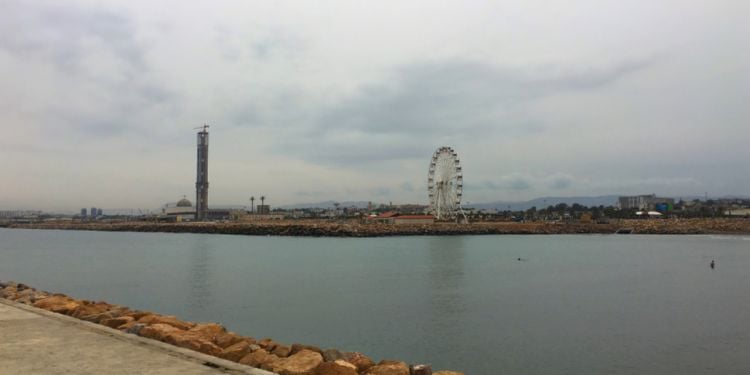
Leisure in Algeria
Discover in this article how to keep yourself busy during your leisure time in Algeria if you are settling there.
Everyday life in Algeria
Life in Algeria blends traditional culture with modern urban living. Daily routines often revolve around family, work, and community. Major cities offer cafés, markets, and shopping centers, while smaller towns have a slower pace.
Expats will notice the importance of social interactions, hospitality, and local etiquette. Public transport is available in cities, but owning a car can make life easier. Algerians place a strong emphasis on family gatherings, meals, and celebrations, making social life warm and community-oriented.
Local customs and traditions
• Greetings matter – a handshake or polite verbal greeting is customary; close friends may exchange cheek kisses.
• Dress modestly – especially outside major cities; conservative attire is appreciated in public spaces.
• Observe prayer times – daily life pauses briefly during Islamic prayer hours; Friday is a special day for communal prayer.
• Hospitality is key – accept invitations to homes and meals when offered; it’s a central part of Algerian culture.
• Tipping culture – small tips in cafés and restaurants are customary but not mandatory.
• Respect public norms – public displays of affection are uncommon; be mindful of local customs in social interactions.
• Language etiquette – French is widely used in urban life, while Arabic and Berber are common in official and rural contexts.
🔍To learn more
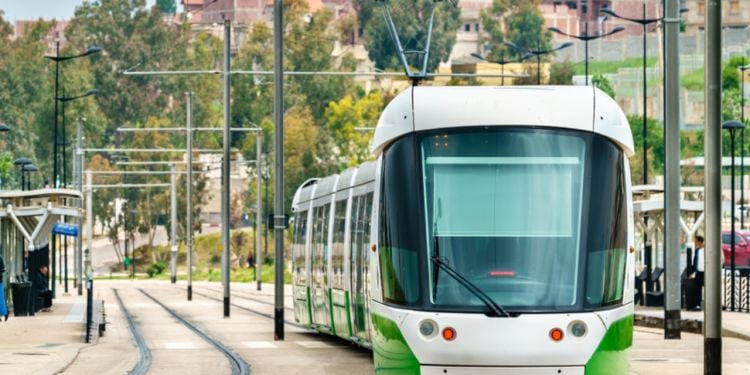
Transport in Algeria
What are the means of transport that are available in Algeria? Find an overview of the country's transport network in this article.

Phones and Internet in Algeria
How to obtain a land line in Algeria? What about Internet? Find out more about the Algerian telecommunications network in this article.
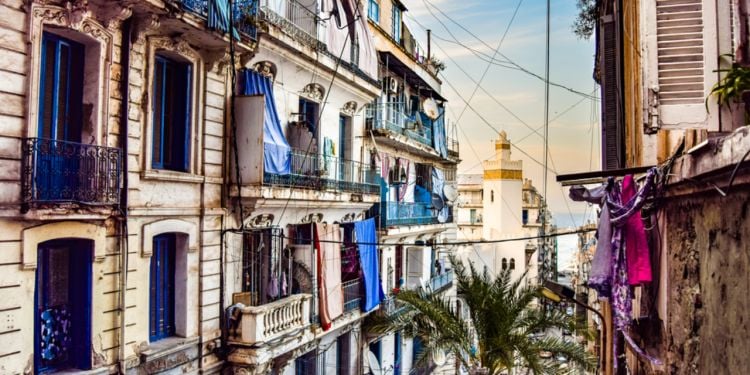
Lifestyle in Algeria
Being an African country, Algeria is a culturally rich and variable country, displaying different lifestyles. Find out more in this article.
Cost of living in Algeria
Algeria is generally very affordable compared with Western countries and even most of the Mediterranean region. Daily expenses such as groceries, local transport, and utilities are low, allowing expats to live comfortably on a modest budget. Compared with neighbors like Morocco or Tunisia, Algeria sits somewhere in the middle — cheaper than Morocco in some urban areas but pricier for imported goods.
Things that tend to be expensive include imported electronics, luxury items, and international brand products, while local markets, fresh produce, and public services remain budget-friendly. For expats, understanding these dynamics is key to planning a realistic lifestyle and budget in Algeria.
Here is a general breakdown of average monthly expenses for different household types in Algeria.
Monthly expenses
Single expat (per month) | Family of four (per month) | |
Rent (city center) | 1 bedroom: DZD 26,000 (USD 178) | 3 bedroom: DZD 45,500 (USD 312) |
Rent (suburbs) | 1 bedroom: DZD 17,600 (USD 120) | 3 bedroom: DZD 30,900 (USD 212) |
Utilities (electricity, water, gas, Internet) | DZD 11,000 (USD 75) | DZD 20,700 (USD 142) |
Groceries | DZD 30,400 (USD 208) | DZD 57,600 (USD 394) |
Public transport | DZD 2,600 (USD 18) | DZD 7,800 (USD 54) |
Dining out and entertainment | DZD 14,400 (US 99) | DZD 36,000 (USD 247) |
Data correct as of December 2025.
Source:
Outro
Moving to Algeria is an exciting adventure that offers expats a rich blend of culture, history, and diverse landscapes to explore. From affordable living and career opportunities in key sectors to unique leisure experiences, vibrant cities, and a welcoming local community, Algeria has much to offer those willing to plan ahead. Be sure to consult our guides on housing, work, healthcare, education, and day-to-day life, and take advantage of our Algeria forum, where fellow expats share practical advice and firsthand experiences. With the proper preparation, you can fully embrace and enjoy your incredible new life in Algeria.
We do our best to provide accurate and up to date information. However, if you have noticed any inaccuracies in this content, please contact us.


Essential services for your expat journey



