

 Guide written by Veedushi Bissessur on 22 July 2026
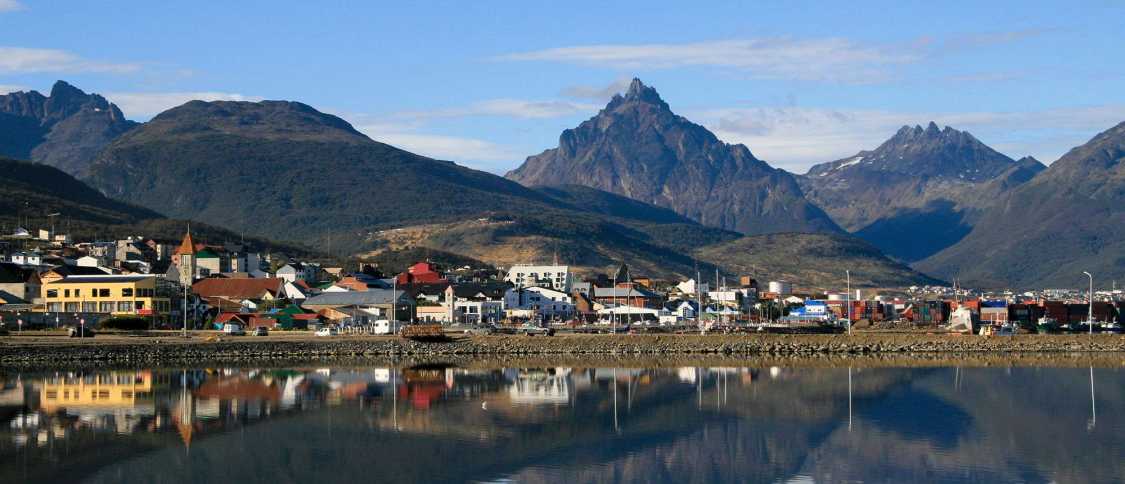
Ushuaia, the capital of Tierra del Fuego Province, holds the distinction of being the world's southernmost city. Located on the southern coast of Isla Grande de Tierra del Fuego, this remote city of approximately 82,000 residents sits where the Andes Mountains meet the Beagle Channel. Founded in 1884, Ushuaia has transformed from a former penal colony into a thriving gateway to Antarctica and a destination that attracts adventurers, researchers, and those seeking a unique quality of life at the edge of the world.
A Unique Geographic Setting
The city is bounded by the Martial Mountain Range to the north and the Beagle Channel to the south, creating a dramatic landscape of snow-capped peaks, ancient forests, and pristine waterways. This subpolar oceanic climate offers mild summers averaging 9.6°C and cold winters around -1.3°C. The region experiences extended summer daylight and short winter days, creating a rhythm of life unlike anywhere else on the planet.
5 Good Reasons to Move to Ushuaia
- Unparalleled natural beauty – Access to Tierra del Fuego National Park, glaciers, and the Beagle Channel at your doorstep.
- Gateway to Antarctica – Unique professional and adventure opportunities as the launching point for Antarctic expeditions.
- Tax advantages – The region benefits from special industrial promotion laws offering fiscal incentives.
- Safe community – Low crime rates and a close-knit community atmosphere.
- Outdoor lifestyle – Year-round activities including skiing at Cerro Castor, hiking, sailing, and wildlife watching.
Your setup journey
Guide in 10 steps. Click any step below to jump directly to the section you need.
01Where to Live: Key Areas in Tierra del Fuego
Tierra del Fuego Province offers two main cities for expatriates: the capital Ushuaia and the industrial center Río Grande. Each has distinct characteristics, economies, and lifestyles to consider.
Ushuaia
As the provincial capital and tourism hub, Ushuaia (population approximately 82,000) offers the most amenities, cultural activities, and natural beauty. The city center along Avenida San Martín provides walkable access to restaurants, shops, and the port. Average rents range from USD 500–800 for one-bedroom apartments to USD 900–1,500 for family homes. The job market centers on tourism, government, and services. Access to Tierra del Fuego National Park, Cerro Castor ski resort, and Beagle Channel activities makes it ideal for outdoor enthusiasts. The international airport connects daily to Buenos Aires. For more detailed information about living in Ushuaia, visit the Expat.com Argentina guide.
Río Grande
Río Grande (population approximately 95,000) is the larger city and industrial center of the province, located on the Atlantic coast 119 km north of Ushuaia. The economy is dominated by electronics manufacturing under the industrial promotion regime, along with petroleum and sheep farming. Housing costs are generally 10–20% lower than Ushuaia. The city is known as the trout fishing capital of Argentina, attracting fly fishermen from around the world. While less scenic than Ushuaia, Río Grande offers more employment opportunities in manufacturing and a more local, less tourist-influenced atmosphere. Climate is windier and slightly drier than Ushuaia.
Choosing Between the Two Cities
Choose Ushuaia if you prioritize natural beauty, tourism-related work, outdoor recreation, and international connectivity. Choose Río Grande if you seek manufacturing employment, lower housing costs, or prefer a more traditional Argentine provincial city experience. Both cities have complete infrastructure including schools, hospitals, and universities.
02Working in Ushuaia: Employment Opportunities at the End of the World
Ushuaia's economy is driven by a distinctive mix of tourism, electronics manufacturing, fishing, and public sector employment. The city benefits from Argentina's Subrégimen de Promoción Industrial, which provides tax incentives for manufacturing in Tierra del Fuego. While the job market is smaller than mainland cities, opportunities exist for those with the right skills and determination.
Key Employment Sectors
The tourism industry is a major employer, particularly from October through March when cruise ships arrive en route to Antarctica. Hotels, tour operators, restaurants, and transportation services actively seek workers during peak season. The electronics manufacturing sector employed approximately 8,271 workers in 2024 under the industrial promotion regime, though this number has declined with reduced production of televisions and mobile phones. Fishing and seafood processing remain significant, with king crab and other marine products exported worldwide. The public sector, including provincial and municipal government, education, and healthcare, provides stable employment year-round.
Work Permits and Requirements
Foreign nationals require a temporary residence permit with work rights to be legally employed. The 23A visa applies to most salaried workers, while MERCOSUR nationals from countries like Brazil, Chile, and Uruguay benefit from simplified procedures. Employers must be registered with RENURE (National Registry of Petitioning Companies). Remote workers may qualify for Argentina's digital nomad visa, valid for 180 days with possible extension.
The following table summarizes key employment indicators for the Ushuaia-Río Grande region:
Urban Population (economically active) | 90,000 (Q4 2024) |
Average Annual Salary (regional) | ARS 8,258,552 (~USD 700/month) |
Main Employment Sectors | Tourism, Manufacturing, Fishing, Public Sector |
Sources: CEIC Data, Salary Expert
03Housing and Neighborhoods in Ushuaia: Where to Live
The housing market in Ushuaia is characterized by limited supply and rising demand, driven by population growth and the city's geographic constraints between mountains and sea. Rental prices have increased significantly in recent years, and finding accommodation requires patience and local connections.
Housing Types and Rental Prices
Most rentals in Ushuaia are apartments (departamentos) in multi-story buildings or houses (casas) in residential neighborhoods. A one-bedroom apartment in the city center typically rents for USD 500–800 per month, while a three-bedroom apartment ranges from USD 900–1,500. Properties with views of the Beagle Channel or mountains command premium prices. Due to high demand, many landlords require guarantees (garantías), typically a property owner in Tierra del Fuego Province as a co-signer, though some accept deposit alternatives. Utilities including heating are essential given the climate and add approximately USD 80–150 monthly.
Popular Neighborhoods
The city center (Centro) around Avenida San Martín offers convenience with easy access to shops, restaurants, and the port. The Bahía Encerrada area provides scenic waterfront living. Residential neighborhoods like Andorra and Río Pipo on the city's outskirts offer more space and mountain access but require transportation. Many newcomers initially stay in temporary furnished rentals while searching for permanent housing, as the long-term rental market operates largely through word-of-mouth and local classified ads.
Buying Property
Foreigners can purchase property in Argentina without restrictions. However, properties in Ushuaia are expensive relative to other Argentine cities, with apartments starting around USD 80,000–120,000 for modest units. The market is small, and inventory moves quickly during peak seasons.
1-Bedroom Apartment (Center) | USD 500–800/month |
3-Bedroom Apartment | USD 900–1,500/month |
Utilities (monthly) | USD 80–150 |
Sources: Numbeo, LivingCost.org
04Cost of Living in Ushuaia: Monthly Budget Planning
The cost of living in Ushuaia is approximately 7% lower than Buenos Aires but higher than many other Argentine cities due to its remote location and import costs. Planning a realistic budget requires accounting for higher housing and food prices compared to mainland Argentina.
Monthly Budget for a Single Person
A single person living modestly in Ushuaia can expect monthly expenses of approximately USD 1,000–1,300, excluding major leisure activities. This assumes renting a small apartment, cooking at home primarily, and using public transportation.
Category | Monthly Cost (USD) | Notes |
Rent (1-bedroom) | 500–700 | City center apartment |
Utilities | 80–120 | Heating, electricity, water |
Groceries | 200–300 | Home cooking, local markets |
Transportation | 30–50 | Public transport and occasional taxi |
Health Insurance | 80–150 | Private prepaid plan (obra social) |
Dining/Entertainment | 100–150 | Restaurants, cafes, activities |
Monthly Budget for a Family of Four
A family of four should budget approximately USD 2,000–2,800 monthly, depending on housing size and schooling choices.
Category | Monthly Cost (USD) | Notes |
Rent (3-bedroom) | 900–1,400 | Family apartment/house |
Utilities | 120–180 | Larger space, higher consumption |
Groceries | 400–550 | Family of four |
Transportation | 80–150 | Vehicle ownership recommended |
Private School (2 children) | 300–700 | Optional; public schools are free |
Health Insurance (family) | 200–350 | Private family plan |
Sources: Expatistan, Nomads.com, Numbeo
05Retiring in Ushuaia: Is the End of the World Right for You?
Ushuaia attracts a small but dedicated community of retirees drawn by its natural beauty, safety, and unique character. While it lacks the warm climate of traditional retirement destinations, those who appreciate adventure, outdoor activities, and a close-knit community may find it an appealing choice.
Retirement Visa Options
Argentina's Rentista Visa (Independent Means Visa) is the primary pathway for retirees. Applicants must demonstrate monthly passive income of at least USD 1,400–2,000 (five times the Argentine minimum wage) from sources such as pensions, rental income, or investments. The visa is initially granted for one year and renewable annually for up to three years, after which permanent residency may be obtained. After two years of continuous legal residence, naturalization becomes possible. The process typically takes 2–6 months and can be initiated online through the RaDEX system or at Argentine consulates abroad.
Healthcare Considerations
Argentina has a three-tier healthcare system: public hospitals (free but variable quality), union-based prepaid plans (obras sociales), and private healthcare (prepagas). Ushuaia has a regional hospital and private clinics for routine care, but complex medical procedures may require travel to Buenos Aires. Private health insurance for retirees costs approximately USD 150–300 monthly depending on age and coverage level. It is advisable to research coverage options thoroughly before relocating.
Lifestyle Factors
Retirees should consider the climate challenges: cold winters, short daylight hours, and isolation from family who may be far away. However, active seniors find excellent hiking in summer, skiing in winter, and year-round sailing and nature opportunities. The cost of living is moderate, and the community is welcoming to newcomers who engage with local life.
06Higher Education in Ushuaia: Universities and Academic Programs
Despite its remote location, Ushuaia offers legitimate higher education opportunities through public universities. Students can pursue undergraduate and postgraduate degrees without leaving Tierra del Fuego, with programs specifically designed to address regional needs and opportunities.
Universidad Nacional de Tierra del Fuego (UNTDF)
The Universidad Nacional de Tierra del Fuego, established in 2010, is the primary higher education institution with its main campus in Ushuaia and a secondary campus in Río Grande. The university offers 26 programs at undergraduate and postgraduate levels, organized across four institutes: Institute of Polar Sciences and Austral Environments (ICPA), Institute of Culture, Society and State (ICSE), Institute of Economic Development and Innovation (IDEI), and Institute of Education and Knowledge (IEC). Notable programs include Political Science, Sociology, Tourism, Economics, and a pioneering Master's in Antarctic Studies, which is unique in Argentina. Tuition at public universities is free for undergraduate programs, including for international students.
Universidad Tecnológica Nacional (UTN) - Tierra del Fuego Campus
The Facultad Regional Tierra del Fuego of UTN has operated since 1982, offering engineering programs in electronics, industrial, chemical, and electromechanical fields. The institution also provides technical programs in programming and teacher training.
Admission and Practical Information
International students must have their secondary school credentials validated through the Ministry of Education. Documents require apostille certification and Spanish translation. The academic year runs from March to November. While courses are taught in Spanish, the international focus of Antarctic and environmental studies attracts research collaborations worldwide.
UNTDF Main Campus | Fuegia Basket 251, Ushuaia |
UTN Tierra del Fuego | Sabatini 55, Río Grande |
Undergraduate Tuition | Free at public universities |
Sources: UNTDF Official Website, UTN Tierra del Fuego
07Schools for Children in Ushuaia: Education Options for Families
Families relocating to Ushuaia will find a complete public education system covering all levels from kindergarten through secondary school. While international school options are limited compared to larger Argentine cities, the local schools provide solid education and immersive Spanish language environments.
Public School System
Argentina's education is compulsory from age 4 through secondary school. Ushuaia has numerous public schools (escuelas públicas) that are free of charge. Notable institutions include Colegio Nacional de Ushuaia, one of the city's newest secondary schools modeled after the prestigious Colegio Nacional de Buenos Aires. The Colegio Provincial Dr. José María Sobral offers specializations in Tourism, Natural Sciences, and Communication. For technical education, Colegio Técnico Provincial Olga B. de Arko and Colegio Técnico Provincial Antonio Martín Marte provide IT and technical tracks. Enrollment typically occurs in November-December for the following school year, which runs from March to December.
Private and Religious Schools
The Colegio Diocesano Monseñor Miguel Ángel Alemán is the primary private Catholic school in Ushuaia, offering education from kindergarten through secondary level. The Escuela Modelo de Educación Integral (E.M.E.I.) provides an alternative private education option. Private school fees in Ushuaia typically range from USD 150 to USD 400 per month, considerably lower than Buenos Aires rates.
Considerations for International Families
Ushuaia does not have international schools following British, American, or IB curricula. Families requiring English-language education may need to consider distance learning programs or relocation to Buenos Aires where international schools are available. However, many expatriate children successfully integrate into local schools, becoming fluent in Spanish within months.
Public Schools | Free (all levels) |
Private Schools (monthly) | USD 150–400 |
School Year | March to December |
Sources: Ministerio de Educación Tierra del Fuego
08Daily Life in Ushuaia: What to Expect
Living in Ushuaia requires adaptation to its unique rhythm, shaped by extreme seasonal variations in daylight, weather unpredictability, and geographic isolation. Those who embrace these characteristics find a rewarding lifestyle centered on nature and community.
Getting Around
Ushuaia is a compact city where many daily destinations are within walking distance in the center. The public bus system operates several lines connecting neighborhoods to downtown, with fares around ARS 300 (USD 0.25). Taxis are readily available, with rides within the city typically costing USD 2–5. Many residents own vehicles, essential for accessing the national park, Cerro Castor ski resort, and surrounding areas. The Malvinas Argentinas International Airport is located just 4 km from the city center, with daily flights to Buenos Aires (3.5 hours) and connections to other Argentine cities.
Climate and Lifestyle Adaptations
The climate demands preparation: layered clothing, waterproof gear, and quality winter boots are essential purchases. Summer (December-February) brings up to 17 hours of daylight, while winter days can have less than 7 hours. Wind is a constant companion year-round. Central heating is standard in all residences, typically gas-powered. Fresh produce and imported goods cost more than on the mainland due to transportation, though local seafood, particularly king crab (centolla) and fish, is excellent and affordable.
Community and Social Life
Ushuaia's population has grown rapidly, creating a mix of longtime residents and newcomers from across Argentina and abroad. The community is generally welcoming, though integrating socially benefits from speaking Spanish. Weekend activities often revolve around outdoor pursuits: hiking in summer, skiing in winter, and year-round excursions on the Beagle Channel. The city has a selection of restaurants, cafes, and bars concentrated along Avenida San Martín.
09Leisure, Culture and Things to Do in Ushuaia
Ushuaia offers a lifestyle centered on outdoor adventure and natural exploration. The city's location provides unparalleled access to pristine wilderness, marine wildlife, and winter sports, while its cultural scene reflects both Patagonian heritage and the influence of global travelers passing through.
Outdoor Activities and Nature
Tierra del Fuego National Park, located 11 km from the city, is the primary outdoor destination. Hiking trails range from easy walks along Lapataia Bay to challenging mountain treks. The park marks the end of the Pan-American Highway (Ruta 3), some 3,063 km from Buenos Aires. Beagle Channel boat tours are essential experiences, visiting sea lion colonies, cormorant islands, and the iconic Les Eclaireurs Lighthouse. From November to March, excursions to Martillo Island offer close encounters with Magellanic and Gentoo penguin colonies. Cerro Castor, located 26 km from the city, is the world's southernmost ski resort, operating from June to October with 35 km of slopes at elevations up to 1,057 meters.
Museums and Cultural Sites
The Museo Marítimo y del Presidio, housed in the former prison, is Ushuaia's premier museum, covering maritime history, Antarctic exploration, and the city's penal colony past. The Museo del Fin del Mundo presents regional natural history and indigenous Yámana culture. The End of the World Train (Tren del Fin del Mundo) offers a scenic historic railway journey into the national park.
Dining and Nightlife
Local cuisine highlights include centolla (king crab), lamb cooked Patagonian-style (asado al palo), and fresh seafood. Avenida San Martín is the main strip for restaurants, bars, and cafes. While nightlife is modest compared to larger cities, several pubs and wine bars cater to locals and visitors, particularly during tourist season.
10In Short
Ushuaia offers a truly unique expatriate experience at the end of the world. This compact city combines spectacular Patagonian scenery with practical infrastructure, genuine community, and access to adventures that most people only dream about. From kayaking the Beagle Channel to skiing at the world's southernmost resort, from watching penguins to embarking on Antarctic expeditions, life here is shaped by extraordinary nature. The challenges are real—remote location, cold climate, limited housing, and distance from family—but for those seeking something beyond conventional expat destinations, Ushuaia delivers an unmatched quality of life. Whether you come for work, retirement, or simply a different pace of life, this frontier city welcomes those willing to embrace its rhythms.
Ready to explore life at the End of the World? Join the Expat.com Ushuaia forum to connect with fellow expatriates, ask questions, and share experiences about living in Ushuaia and Tierra del Fuego.
Join the Ushuaia community
Get regular tips and advice to make the most of your expat life
Essential services for your expat journey




Forum topics on living in Ushuaia
Discover forums topics on expat life in Ushuaia: join the conversation, ask your questions, get advice and share your experience.
- Recommendations for law firms specializing in immigration
- New members of the Argentina forum, introduce yourselves here - 2026
- Finding Burmese(Myanmar) connections in Argentina
- Wish I had found Expat.com sooner! Mar del Plata?
- Are u considering moving to Patagonia, or just traveling for a while?
- Monthly Housing BA (Belgrano)
- How to go about getting admitted by Argentinian universites?
- Advice looking to move to Mendoza
- Relocating to Argentina from Ghana
- Safe city to move with a family
- What is it like to live live in San Martin de Los Andes?
- Is it worth shipping a used car to Argentina?
- I am debating between Buenos Aires and Rosario
- Best way to send money to Argentina
- Any other expats in or around Bariloche?
- Vaccines required in Argentina