

 Prepared by Julien Faliu on 08 September 2026
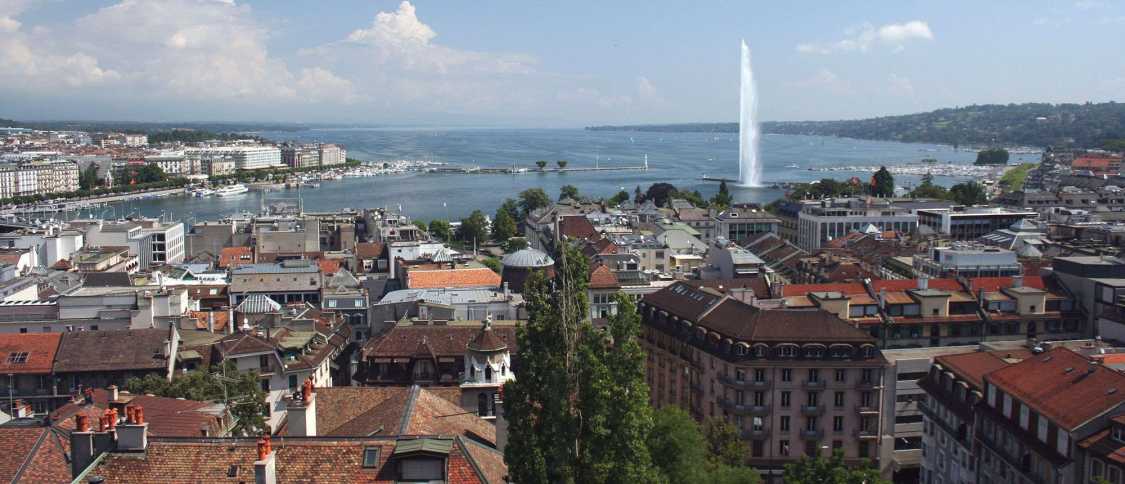
Geneva is a global city in the French-speaking part of Switzerland, home to numerous international organizations and diplomatic missions. The city is known for its high living standards, multilingual services, and well-developed public infrastructure. For expatriates, Geneva offers career opportunities with international organizations, world-class healthcare, and convenient transport links within Switzerland and into France. Finance, diplomacy and professional services such as banking and consulting form the backbone of its economy.
5 reasons to move to Geneva
- A thriving international business hub with plenty of job opportunities.
- Comprehensive public and private healthcare with advanced facilities and specialist care.
- A well-organized public transport system with frequent services and seamless connections to Switzerland’s national rail network.
- Prestigious universities and world-class research centers attracting global talent.
- Extensive social support systems and multilingual education options for families relocating abroad.
Your setup journey
Guide in 8 steps. Click any step below to jump directly to the section you need.
01Working in Geneva
Geneva’s labour market encompasses finance, diplomacy, trade, watchmaking, pharmaceuticals, and a host of professional services. Expatriates often find employment with international organizations, private banks, NGOs, and in corporate headquarters. Foreign workers must obtain formal permits to work in Switzerland, with rules differing for EU/EFTA citizens and nationals from other countries.
Key sectors and employers
Beyond the main industries, Geneva offers opportunities in research institutions, legal and consulting firms, technology and innovation hubs, and cultural and educational organizations. These employers typically offer positions in administration, policy, project management, and specialized technical areas, giving expatriates a wide range of career paths.
Permits and hiring
Non-Swiss nationals must obtain a work and residence permit under SEM (State Secretariat for Migration) rules. EU/EFTA (European Free Trade Association) citizens benefit from a simplified process for the B permit (residence permit for long-term stay), while third-country nationals are subject to quotas and approval based on specific skills. Employers typically sponsor work permit applications.
Unemployment rate | 4.7% |
Average monthly salary (net) | CHF 6,023 |
Top sectors | Finance and banking, international organizations and technology and innovation |
Data correct as of November 2025.
Sources: Statista, Numbeo, EURES (European Employment Services)


02Housing & neighborhoods
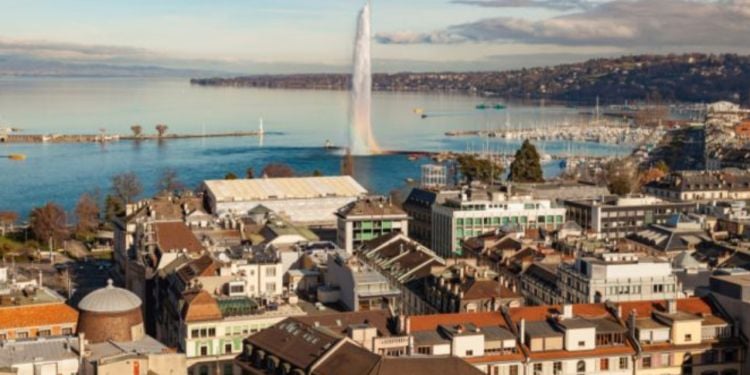
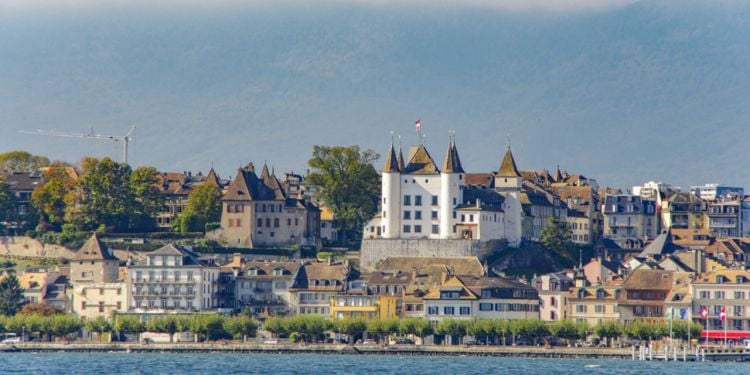
The housing market in Geneva is known for steep prices and intense competition. Expatriates frequently weigh their options, which typically include city-centre apartments, family homes in adjacent Swiss communes, or residences located just across the border in France — all of which offer different trade‑offs between cost, space and commute time.
Popular areas for expats
Districts such as Eaux‑Vives and Petit‑Saconnex are popular with diplomats and internationals, while Carouge appeals to families and creatives with its lively café scene and local markets. Many also live in neighbouring French towns like Ferney‑Voltaire or Annemasse, accepting a cross‑border commute for more spacious, affordable accommodation.
Rental prices and process
Rents in Geneva are among the highest in Switzerland. Landlords often ask for bank references, proof of employment or income, and a security deposit that is usually up to three months’ rent.
1-bedroom apartment (city center) | CHF 1,600–CHF 2,500 |
3-bedroom apartment (outside the city center) | CHF 2,500–CHF 4,000 |
Data correct as of November 2025.
Source: Numbeo
03Cost of living in Geneva
Geneva is known for its high standard of living and cosmopolitan lifestyle, which come with correspondingly high costs. From housing to everyday essentials, budgeting carefully is essential for both singles and families living in the city.
Monthly expenses for a single person
Rent (1-bedroom apartment city center) | CHF 1,600-CHF 2,500 |
Groceries | CHF 400–CHF 600 |
Utilities | CHF 120-CHF 310 |
Data correct as of November 2025.
Monthly expenses for a family of four
Rent (3-bedroom apartment city center) | CHF 3,100-CHF 5,000 |
Groceries | CHF 600–CHF 900 |
Utilities | CHF 250–CHF 400 |
Data correct as of November 2025.
Sources: Numbeo, Fiducompta, The Living Cost
04Higher education & universities
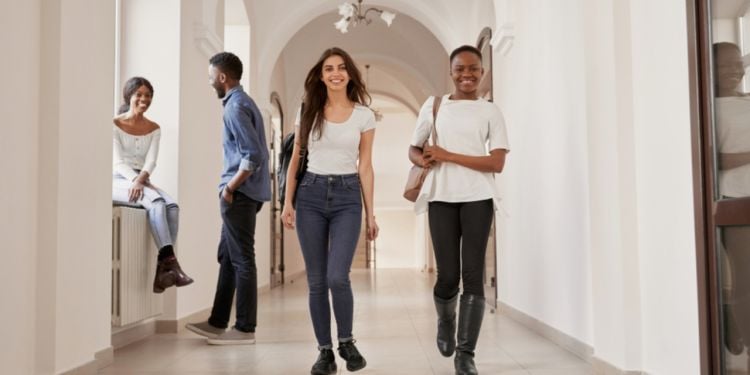
Geneva is home to leading higher education institutions and internationally recognized research centres. The city attracts students in fields such as law, international relations, the sciences, and business, with many programmes offered in French and English.
Primary institutions
The University of Geneva (UNIGE) is the main public university offering bachelor-to-doctoral programmes and many postgraduate courses in English. Other institutions include the Geneva School of Economics and Management.
Admissions, language and fees
The admissions process for EU/EFTA students is generally relatively simple, while non-EU applicants must meet specific entry requirements for each programme. Tuition costs at public institutions are relatively low by Swiss standards, with UNIGE fees around CHF 500 per semester for most programmes and additional administrative charges for some courses. Students must demonstrate proficiency in French or English, depending on the language of instruction.
Sources: University of Geneva (UNIGE), Geneva School of Economics and Management
Discover more

05Schooling for children
Expat families in Geneva can choose from public and private schools offering instruction in multiple languages. Public schools teach mainly in French, with extra support for non‑French speakers, while popular international schools deliver bilingual or English‑medium curricula.
International schools
Well‑regarded examples include the International School of Geneva (Ecolint), Geneva English School and Collège du Léman, which educate children from early years through university‑entry age. These schools follow British, American, IB and Swiss‑bilingual programmes. Fees typically range from about CHF 15,000 to CHF 30,000+ per year depending on age and programme.
Enrollment process
For public schools, children are placed based on the family’s address and parents must present a residence permit, ID and any previous school records. Private and international schools maintain separate admissions calendars, competitive waiting lists and require language and prior‑schooling assessments, so starting the application early is advised.
Sources: International School of Geneva (Ecolint), Collège du Léman, Geneva English School
06Daily life
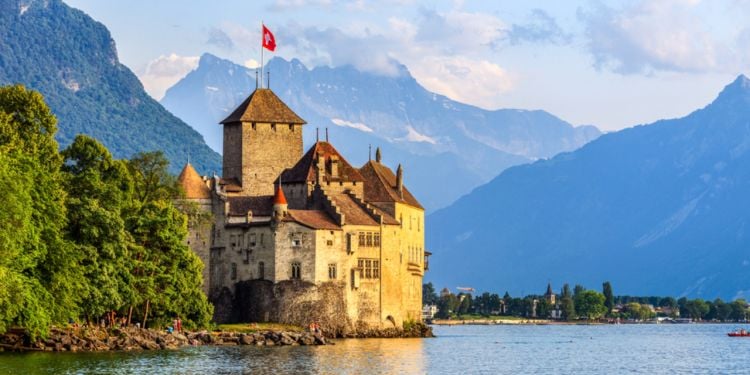
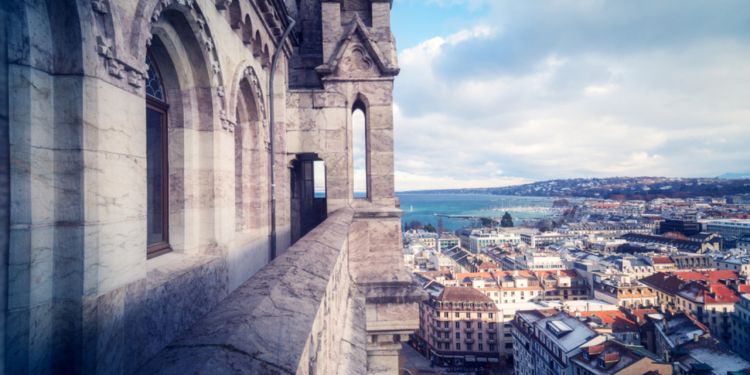
Geneva blends city living with natural surroundings, from the calm of Lake Geneva to the nearby Alps. Mornings see commuters on trams, buses, and bicycles, while residents spend afternoons and evenings enjoying lakeside walks, cafés, cultural events, and performances. Work, leisure, and outdoor life are closely intertwined, with the lake, parks, and mountains always within reach.
Living like a local
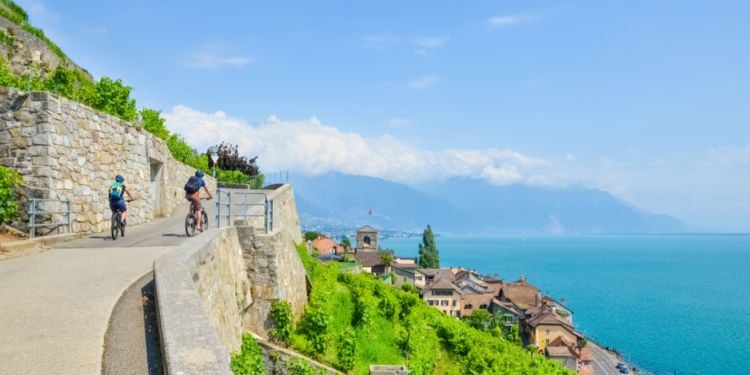
Locals embrace outdoor activities, whether it’s jogging along Lake Geneva, sailing in summer, or hiking in the nearby Alps and Jura. Farmers’ markets, neighborhood cafés, and seasonal festivals form the backbone of community life. Joining a sports club, language class, or local association is a good way for expats to connect and feel at home.
Everyday essentials
Getting around is straightforward thanks to an extensive public transport network, including trams, buses, and Swiss rail connections. When it comes to shopping, many stores close on Sundays, but most are open on weekdays and Saturdays.
Discover more



07Leisure, culture & things to do
Geneva boasts cultural institutions, parks, lakeside activities, and a busy calendar of festivals and international events. The city appeals to expats who enjoy museums, outdoor sports, and a dynamic programme of conferences and performances.
Museums and music
Important venues include the Musée d'Art et d'Histoire, the Patek Philippe Museum and the Grand Théâtre. Concerts, exhibitions and seasonal festivals fill the cultural calendar throughout the year.
Outdoor and social life
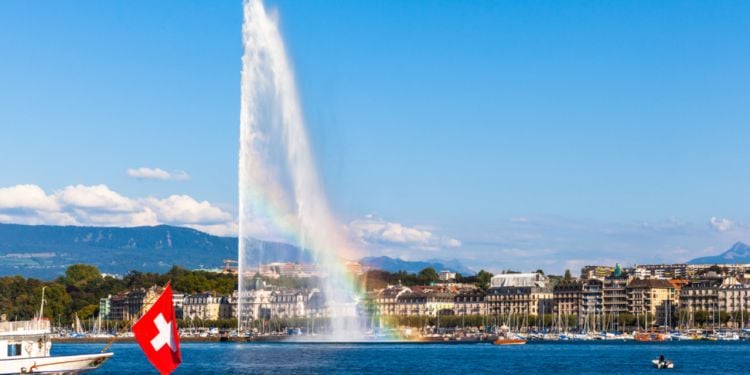
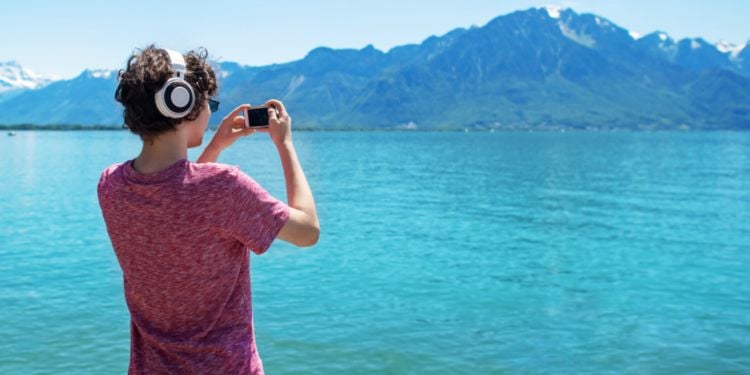
Lake Geneva (Lac Léman) and its waterfront promenades are ideal for running, sailing, and swimming in summer. The nearby Alps and Jura are the places to be for skiing and hiking. Nightlife buzzes in Les Pâquis and Carouge, offering a wide selection of international restaurants and bars.
Sources: Musée d'Art et d'Histoire, the Patek Philippe Museum, the Grand Théâtre
Discover more

08In short
Geneva is a global hub with major international institutions, excellent public services, and convenient transport links. It offers a high standard of living, though daily expenses are significant. The city is ideal for professionals in diplomacy, finance, and specialized industries, as well as families seeking multilingual schools and top-quality healthcare. If you have any questions about moving to or living in Geneva, join the Expat.com Geneva forum, where members will be only too happy to help.
Join the Geneva community
Get regular tips and advice to make the most of your expat life
Essential services for your expat journey






Forum topics on living in Geneva
Discover forums topics on expat life in Geneva: join the conversation, ask your questions, get advice and share your experience.