

 Guide updated by Veedushi Bissessur on 05 August 2026
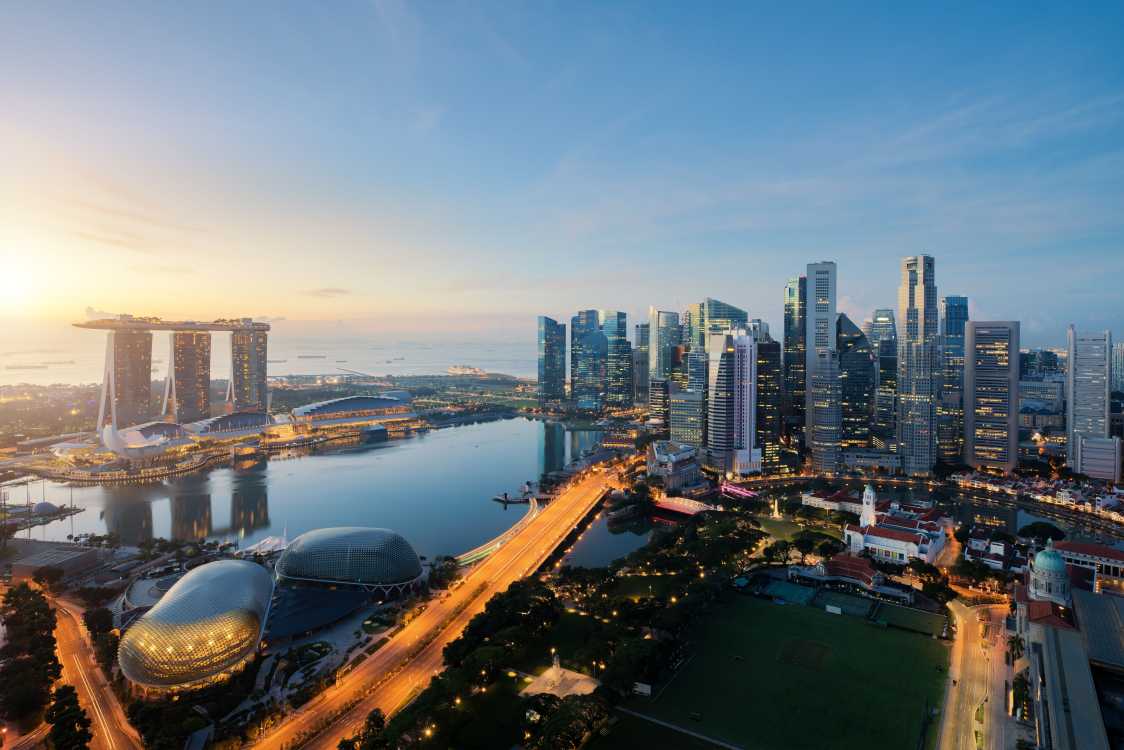
Singapore attracts thousands of expatriates each year, drawn by its vibrant economy, its strategic location in the heart of Asia, and its exceptional quality of life. This city-state boasts administrative efficiency, exemplary security, and abundant career opportunities within a unique multicultural environment. Often referred to as the "Switzerland of Asia", Singapore offers ultra-modern infrastructure and a favorable tax framework, making it a popular destination for living and working in Southeast Asia.
With a population of around 6 million residents, nearly 40% of whom are expatriates, Singapore is home to a well-established French community, predominantly made up of families and young professionals. This community benefits from a dynamic network of associations and schools that facilitate the integration of newcomers.
5 great reasons to choose Singapore
- A major economic hub: a world-renowned financial and commercial center with a very low unemployment rate.
- An attractive tax regime: no capital gains tax, with a progressive income tax capped at 24%.
- Exceptional security: one of the safest countries in the world, with a very low crime rate.
- Top-notch infrastructure: efficient public transport, high-quality hospitals, and reputable international schools.
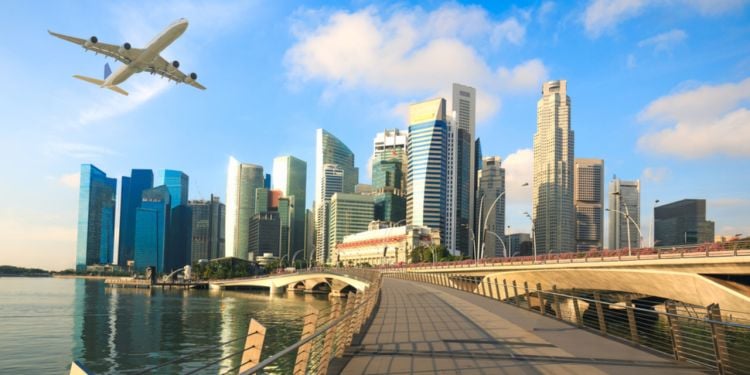
- A strategic location: a gateway to Southeast Asia, featuring one of the best airports in the world.
The Expat.com guide is designed to help you prepare for your move to Singapore under the best conditions. You’ll find all the essential information on work visas, employment, healthcare, housing, daily life, and local integration.
Your setup journey
Guide in 14 steps. Click any step below to jump directly to the section you need.
01Where to live in Singapore?
Your choice of residence in Singapore will depend on your priorities, budget, and family situation. Although the city-state is compact and well-connected, each neighborhood has its own character and attracts different profiles:
- Serangoon and Serangoon Gardens, often nicknamed Little France, are home to a vibrant Francophone community, bolstered by the proximity of the International French School. The residential, green environment is appealing to families.
- Holland Village, known for its bohemian and European atmosphere, is popular for its laid-back vibe, cafés, and shops. The area is vibrant, well-connected, and allows for easy living without a car.
- River Valley and Orchard Road appeal to young professionals and executives seeking an urban lifestyle, with many modern condominiums near the business district and shopping centers.
- East Coast offers a more relaxed pace by the seaside, with more spacious accommodations and great international schooling options, favored by active families (parks, trails, beaches).
- Bishan and Bukit Timah combine greenery, parks, and good accessibility. These quiet and residential areas, close to many schools, are highly sought after by families.
Before settling down, take the time to visit several neighborhoods to assess the atmosphere, available services, and commute times to your work or your children's school.
02Formalities and visas for Singapore
To move to Singapore, there are certain mandatory steps to follow, regardless of your home country. French nationals enjoy a visa exemption for tourist or business stays of up to 90 days. However, it's essential to present a valid passport that remains valid for at least six months after your planned departure date. All travelers must complete an SG Arrival Card online within three days before their arrival. This free electronic arrival card is mandatory for entering Singapore.
To work in Singapore, a work visa is required. The Employment Pass is aimed at executives and skilled professionals, while the S Pass is designed for technicians. The application process must be initiated by your employer through the Ministry of Manpower (MOM). Processing times range from one to three weeks, depending on the type of visa.
💡 Useful tips
- Start your application process several months ahead of your departure, especially for work visas.
- Always check the latest regulations on the Immigration & Checkpoints Authority (ICA) website, as they can change rapidly.
- Keep a digital copy of your SG Arrival Card and your visa.
- Prepare your essential documents (degrees, certificates, job contract) in English or with a certified translation.




Join the discussion on the forum
03Working in Singapore
Singapore boasts an extremely dynamic economy, with one of the lowest unemployment rates in the world. The job market is competitive but offers genuine opportunities for qualified professionals. English is the primary language in the professional world, making it easier for expatriates to integrate. Starting a business in Singapore is straightforward and encouraged, thanks to digitized processes and an attractive tax system. It is also possible to intern internationally in the country through dedicated programs. Singapore also offers a Working Holiday Programme for young people aged 18 to 25 from certain nationalities, allowing them to explore the country while working. Lastly, the city-state attracts many digital nomads thanks to its modern infrastructure and high-performance internet connectivity.
In-demand profiles:
- Finance and accounting specialists
- Engineers in artificial intelligence, cybersecurity, and data science
- Health and biotechnology professionals
- Experts in digital marketing and web development
- International business and logistics executives
💡 Key takeaways
- The job market is demanding and favors highly qualified talents who complement local skills.
- Salaries are attractive, but there are no social security contributions: health insurance, retirement, and unemployment must be individually arranged.
- The work culture can be intense, with often long hours in certain industries.
- Entrepreneurship is encouraged by a straightforward tax system and a business-friendly environment.
Unemployment rate: About 2% in 2025 | Legal working hours: 44 hours per week | Minimum wage: No legal minimum wage | Income tax: Progressive, from 0% to 24% | Corporate tax: 17%, VAT at 9% |





Join the discussion on the forum
04Accommodation in Singapore
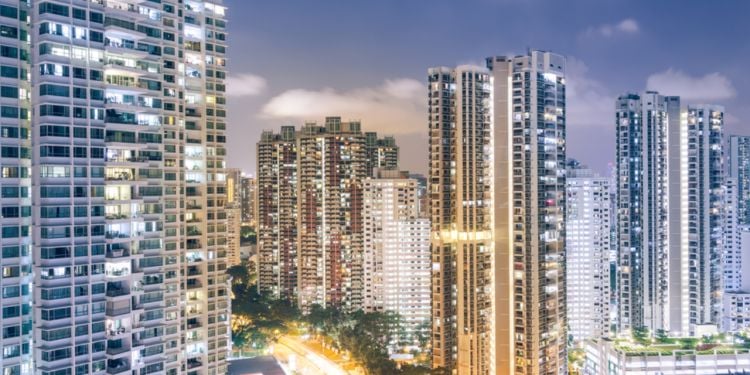
Accommodation is the biggest financial challenge for expatriates living in Singapore. The real estate market is among the most expensive in the world, especially in the central districts. Renting is often the preferred option initially, with leases typically signed for one to two years and a deposit equivalent to two months of rent. Condominiums, which are private residences featuring amenities like a pool, gym, and security, are highly sought after by expatriates. A two-bedroom apartment in a desirable area such as Orchard, River Valley, or Sentosa Cove costs between 4,000 and 7,000 SGD per month (approximately 2,800 to 4,900 EUR). In less central areas like Jurong, Woodlands, or Punggol, rents drop to 2,500-4,000 SGD (approximately 1,750 to 2,800 EUR). A landed property can exceed 10,000 SGD per month (around 7,000 EUR).
The HDB (Housing & Development Board), which offers subsidized public housing, is only available to citizens and permanent residents. Expatriates without PR can access HDB properties only through subletting, under certain conditions.
Property purchase is possible for foreigners, but it is highly regulated. Purchasing condominium units is unrestricted, while buying landed properties or building plots requires government approval, which is seldom granted. Prices are high: expect to pay between 1.5 to 2 million SGD (approximately 1 to 1.4 million EUR) for a three-bedroom apartment in a decent area. An additional tax (ABSD) of 60 % applies to foreigners starting in 2023.
Discover more
Join the discussion on the forum
05Cost of living in Singapore
Singapore is known to be one of the most expensive cities in the world, largely due to its high rents and the cost of owning a car. Depending on your lifestyle and the neighborhood you choose, monthly expenses can range from 4,000 to 7,000 SGD (approximately 2,800 to 4,900 €) for a single person, and from 14,000 to 25,000 SGD (approximately 9,200 to 16,400 €) for a family of four. Here are some benchmarks to help you estimate your monthly budget:
For a single person | For a family of 4 | |
Food | 400 to 800 SGD (approximately 280 to 560 €) | 1,200 to 2,000 SGD (approximately 840 to 1,400 €) |
Utilities (water, electricity, internet, phone...) | 150 to 250 SGD (approximately 105 to 175 €) | 300 to 500 SGD (approximately 210 to 350 €) |
Health (excluding insurance) | 100 to 200 SGD (approximately 70 to 140 €) | 300 to 600 SGD (approximately 210 to 420 €) |
Leisure & Entertainment | 300 to 600 SGD (approximately 210 to 420 €) | 800 to 1,500 SGD (approximately 560 to 1,050 €) |
Education (if you have children) | / | 3,000 to 5,500 SGD/month per child (approximately 2,100 to 3,850 €) |
Rent | 2,500 to 4,000 SGD (approximately 1,750 to 2,800 €) for a one-bedroom apartment in the central area | 4,000 to 7,000 SGD (approximately 2,800 to 4,900 €) for a three-bedroom apartment |
Transport | 100 to 200 SGD (approximately 70 to 140 €) | 300 to 500 SGD (approximately 210 to 350 €) |
Subscriptions (gym, clubs, streaming services...) | 100 to 200 SGD (approximately 70 to 140 €) | 200 to 400 SGD (approximately 140 to 280 €) |
Imported Products (organic, cheeses, wines...) | 200 to 400 SGD (approximately 140 to 280 €) | 400 to 800 SGD (approximately 280 to 560 €) |
Domestic Help (common in Singapore) | / | 600 to 800 SGD (approximately 420 to 560 €) |
Income Tax | Progressive rates from 0% to 24% | Progressive rates from 0% to 24% |
06Healthcare in Singapore
The Singaporean healthcare system is renowned worldwide for its excellence and the quality of its infrastructure. It operates on a mixed model that combines both public and private sectors:
- The public sector is funded through the Central Provident Fund (CPF), a mandatory savings scheme designed for citizens and permanent residents (PR). Thanks to this system, they enjoy reduced healthcare costs at public institutions. While they can opt for private healthcare, it’s important to note that these services are not subsidized.
- Expatriates without PR do not contribute to the CPF and therefore receive no public subsidies. They can receive treatment at public hospitals but will have to pay the full rate or choose private facilities. Obtaining private health insurance is essential as soon as you move in. Some employers offer partial or complete coverage for their foreign staff, but if it's on the expatriate's shoulders, a comprehensive plan generally costs about 300 to 800 SGD per month (around 210 to 560 €), depending on age and the level of coverage chosen.
Healthcare costs vary by the type of facility and the nature of the care. A visit to a general practitioner typically costs between 50 and 100 SGD (approximately 35 to 70 €) at a public facility and 120 to 250 SGD (approximately 85 to 175 €) at a private one. For a specialist, the fees range from 150 to 300 SGD (about 105 to 210 €) in the public sector and 200 to 500 SGD (around 140 to 350 €) in the private sector. A major surgery can exceed 20,000 SGD (about 14,000 €), while childbirth can cost between 8,000 and 12,000 SGD (around 5,600 to 8,400 €), and can even reach 25,000 SGD (about 17,500 €) for a cesarean section. Wait times are reasonable: a few days to two weeks in the public sector for a non-urgent consultation, and usually less than 48 hours in the private sector.
💡 Important information
- No vaccines are mandatory to enter Singapore, but universal vaccines (DT-Polio, Hepatitis B) as well as those for Hepatitis A and Typhoid are recommended.
- The emergency number is 995 for ambulances and 1777 for non-emergency medical assistance.
- The quality of care is exceptional, with very short wait times in the private sector and reasonable times in the public sector (generally a few weeks for a specialist).
- Many expatriates choose to visit international clinics where doctors speak multiple languages and are familiar with Western healthcare systems.
Discover more




Join the discussion on the forum
07Finance and banks in Singapore
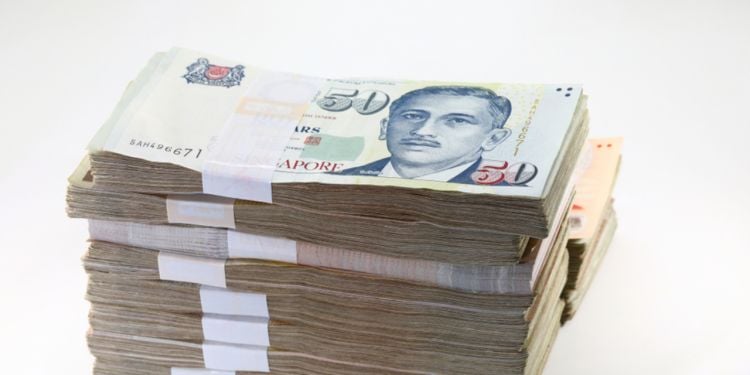
Managing your budget effectively is crucial for a successful expatriation to Singapore. This city-state is among the most expensive cities in the world, particularly when it comes to housing, vehicles, and education. On the upside, Singapore's tax system is attractive, and its banking environment is renowned for its stability and efficiency.
💡 Our tips
- As soon as you arrive, open a local bank account to make payments and transfers easier. The leading banks include DBS, OCBC, and UOB. An Employment Pass or Student Pass is typically required.
- Familiarize yourself with the income tax system, which is progressive and capped at 24%. Tax residents can benefit from allowances and deductions that are not available to non-residents.
- Plan for your major expenses: housing will be the largest portion of your budget, but public transport remains affordable, and local dining options are accessible.
- Check the tax treaty between Singapore and your home country to avoid double taxation. For instance, the agreement with France states that income earned in Singapore is only taxed there, while income sourced from France remains taxable in France.
- For international transfers, compare bank fees with specialized services like Wise or Remitly, which often offer better rates.
- Singapore imposes no capital gains taxes, dividend taxes, or inheritance taxes, making it a particularly attractive destination for investors.
Discover more

Join the discussion on the forum
08Retiring in Singapore
Singapore primarily attracts retirees who have worked there for several years or wealthy individuals drawn by its favourable taxation and modern lifestyle. The city-state does not offer a specific retirement visa, making it more complex to settle permanently for those without professional or family ties. Nevertheless, retiring in Singapore can be quite appealing for those with substantial income, thanks to its exceptional infrastructure, healthcare system, and safety.
3 major advantages
- Attractive taxation: no tax on foreign pensions for non-residents, and a progressive tax rate capped at 24% for residents.
- World-class healthcare system: state-of-the-art medical facilities, highly qualified doctors, and cutting-edge technologies.
- Safety and quality of life: one of the safest cities in the world, with a clean, cosmopolitan environment and an excellent public transport network.
💡 Important notes
- There is no dedicated retirement visa. To reside in Singapore, you need to have permanent resident (PR) status, be sponsored by a close relative holding an Employment Pass or PR, or invest via the Global Investor Programme.
- The legal retirement age is 63 years (rising to 64 starting on July 1, 2026), with a mandatory re-employment age of up to 68 years.
- The Central Provident Fund (CPF) is available only for citizens and permanent residents. Expats must rely on their foreign pensions.
- Living expenses are high: for a comfortable lifestyle that includes housing, leisure, and travel, you should budget around 5,000 to 7,000 SGD per month (approximately 3,400 to 4,800 €) per person.
09Studying in Singapore
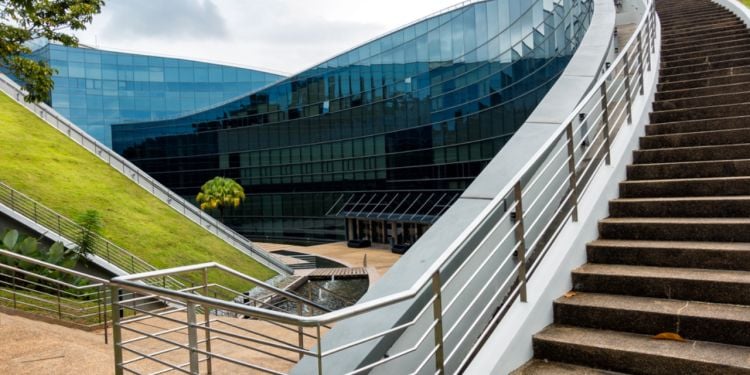
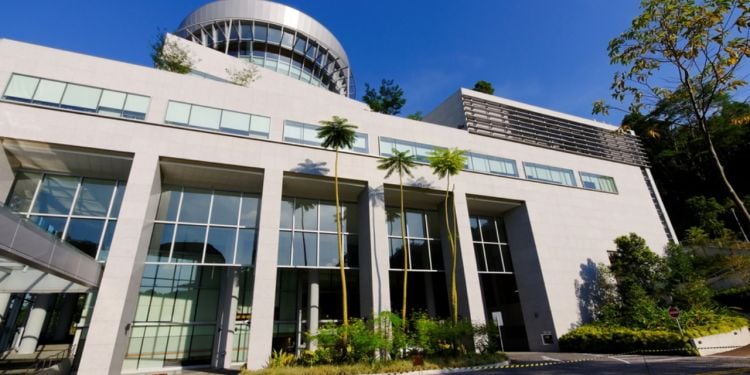
Singapore attracts a large number of international students thanks to its world-renowned educational system. The country boasts several prestigious public universities, including the National University of Singapore (NUS, ranked 8th globally), Nanyang Technological University (NTU), Singapore Management University (SMU), and the Singapore University of Technology and Design (SUTD).
Why study in Singapore?
Singaporean universities are globally recognized, offering a variety of programs in English across fields like science, engineering, finance, and technology. The city provides a unique experience that combines modernity with multiculturalism. Tuition fees in the public sector range from 20,000 to 40,000 SGD per year, depending on the program (approximately 13,600 to 27,200 €) for international students, with higher costs in the private sector.
💡 Our tips
- Plan for your applications, as the selection process is highly competitive.
- An English proficiency test (such as the TOEFL or IELTS) is required for admission.
- Apply for your Student Pass through the SOLAR system of the ICA after receiving your acceptance.
- Budget for adequate housing, as on-campus accommodations are limited.
Discover more
10Education and schools in Singapore
The Singaporean education system is renowned for its academic excellence and outstanding results in international assessments. Education is mandatory for children aged 6 to 15 years, with the primary language of instruction being English, supplemented by the learning of an additional official language (Mandarin, Malay, or Tamil). The Ministry of Education (MOE) oversees the entire system and provides a school finder tool to locate institutions that meet your needs.
Choosing a school:
- Local Public Schools: These schools are free for Singaporean citizens and also accept a limited number of expatriate children. Monthly fees range from 650 to 1,600 SGD (approximately 455 to 1,120 €) depending on the educational level. The curriculum is rigorous, but entry is highly competitive.
- Local Private Schools: They offer classes in English, based on either the national curriculum or international educational approaches. Annual tuition fees range from 15,000 to 35,000 SGD (approximately 10,500 to 24,500 €). These schools are valued for their smaller class sizes and a more individualized approach.
- French Schools: The French High School of Singapore (LFS), accredited by AEFE, caters to students from kindergarten to high school following the French curriculum. For the 2025-2026 school year, tuition fees range from 23,000 to 33,000 SGD per year (approximately 16,000 to 23,000 €) depending on the grade level. Other AEFE partner institutions are also available, such as La Petite École, Les Petits Gaulois, and Chicky and Oliver International Preschool.
- International Schools: There are numerous international schools in Singapore that offer IB, British, American, Australian, or Canadian curricula. Some of the most well-regarded include United World College, Singapore American School, Tanglin Trust School, and GESS. Annual fees range between 30,000 to 55,000 SGD per year (approximately 21,000 to 38,000 €), and can be higher for the more prestigious institutions.
💡 Practical tips
- Plan for admissions: Waitlists can be long, especially for the French school and the top international schools.
- Some schools require admission tests or a minimum level of English.
- Be prepared for additional costs related to uniforms, activities, school transportation, and field trips.
- Many employers offer a school allowance in expat packages: make sure to negotiate this before you move.
11Moving to Singapore
Preparing for an international move to Singapore requires anticipation and organization. From the transport of your belongings to the strict customs procedures and settling in, several elements need to be planned to avoid complications:
- Compare quotes from various international moving companies to ensure they include insurance, customs clearance, and delivery to your Singaporean home.
- Plan for customs procedures: a detailed inventory in English is mandatory. Generally, used personal effects can enter tax-free if you hold an Employment Pass and have owned them for more than six months. New items, alcohol, and tobacco are taxable. Certain products are strictly prohibited: chewing gum, weapons, fireworks, pornographic publications, drugs, and counterfeit items.
- Gather your essential documents (diplomas, birth and marriage certificates, international driving license, medical certificates, employment contract) and provide certified copies where required. An English translation may be necessary for some documents.
- Check the compatibility of your electronic devices: Singapore uses 230 V / 50 Hz with type G (British) sockets. Ensure you have appropriate adapters for your French equipment.
- If you are traveling with a pet, the rules are strict. An import permit from the Animal & Veterinary Service (AVS) is mandatory. Your pet must be microchipped, vaccinated against rabies (with proof of antibody titers), and have a recent veterinary certificate. Depending on the country of origin, a quarantine period of 10 to 30 days may be imposed. Certain breeds of dogs are prohibited (Pit Bull, Akita, Tosa).
- Remember to terminate your French subscriptions (utilities, internet, insurance) and organize the transfer or forwarding of your mail.
- Singapore imposes high taxes on the importation of vehicles. Generally, it is easier to buy or lease a car locally rather than importing your personal vehicle.



12Everyday life in Singapore
Living in Singapore means embracing an ultra-modern urban lifestyle in a multicultural and cosmopolitan society. The city-state is renowned for its cleanliness, outstanding safety, the efficiency of public services, and strict adherence to rules. Expats appreciate the ease of everyday life, where everything operates smoothly and predictably.
Note:
- Singapore is one of the safest cities in the world, with an extremely low crime rate. Women can travel alone at night without worry.
- The work pace is intense, with weeks often stretching from 45 to 50 hours, but the corporate culture is increasingly valuing work-life balance, especially in international companies.
- The climate is tropical year-round, with temperatures ranging from 25 to 32°C and high humidity. Rainfall is frequent but usually brief. Air conditioning is ubiquitous in buildings.
- Public transport (MRT, buses) is excellent, punctual, clean, and affordable. The EZ-Link card or the SimplyGo card can be used for all your travels. Owning a car is very expensive due to the Certificate of Entitlement (COE), which is a limited-use permit (valid for 10 years) costing between 50,000 and 100,000 SGD (approximately 33,000 to 65,000 €).
- Internet and mobile telephony are very advanced. 5G is widely available. Mobile plans start at 20 SGD/month (14 €) for 20 GB of data, and home fibre optic service costs between 40 and 60 SGD/month (28 to 42 €).
- Communication mainly happens through WhatsApp, Telegram, and SMS for personal matters, and via email or Slack for professional ones. WeChat is commonly used by the Chinese community.
- The workday starts early (offices open around 8-9 AM) and typically ends between 6-7 PM, although flexible hours are on the rise. Meals are often enjoyed outside in hawker centers or restaurants, as the culture of dining out is deeply ingrained.
- For childcare, numerous services are available: nurseries (infant care, childcare centers), nannies, and helpers (domestic assistance). A helper typically costs around 600 to 800 SGD/month (420 to 560 €) plus accommodation and agency fees.
- Making new connections is facilitated by various clubs and expat associations (French clubs, sports clubs, recreational groups). The apps Meetup and Internations are widely used for networking and socializing.






13Leisure in Singapore
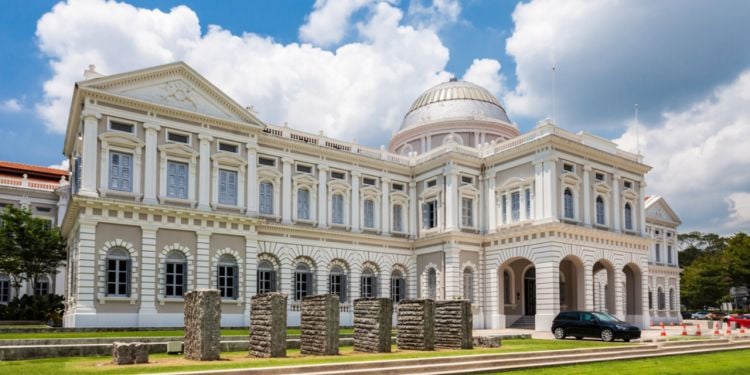
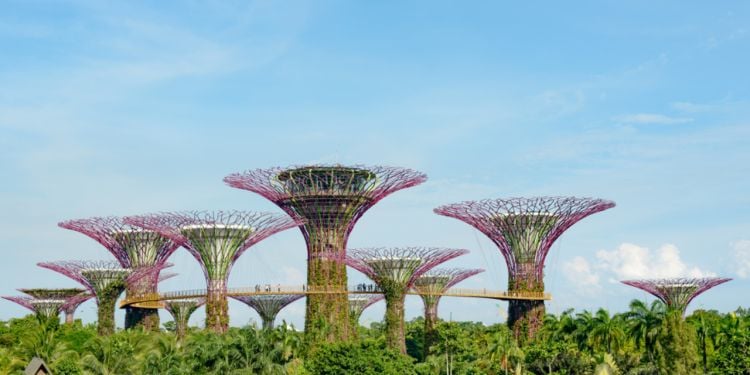
Singapore offers a vibrant urban lifestyle paired with remarkable access to nature. Despite its small size, this city-state boasts an exceptional variety of leisure activities: natural parks, botanical gardens, beaches, water sports, a world-renowned culinary scene, a vibrant nightlife, international cultural events, and top-notch sports facilities. The balance between a hectic work life and free time is generally well respected among the expatriate community.
Leisure activities here are both diverse and accessible: hiking in nature reserves, outdoor yoga, water sports (kayaking, sailing, diving), golfing on prestigious courses, running along Marina Bay, working out in state-of-the-art fitness centers, exploring hawker centers (food courts), discovering neighborhoods like Chinatown, Little India, and Kampong Glam, attending cultural outings in numerous museums and galleries, shopping in air-conditioned malls, and enjoying nights out in the bars and clubs of Clarke Quay or Sentosa. Singapore also serves as an excellent launchpad for travel. Many expatriates take advantage of extended weekends or holidays to explore nearby countries like Malaysia, Indonesia, Thailand, or Vietnam, which are easily accessible by plane or ferry.
Must-see experiences:
- An exceptional culinary scene: from hawker centers (popular food centers, a symbol of Singaporean culture recognized by UNESCO as part of the intangible cultural heritage), where you can savor local dishes for under 5 SGD (approximately €3.50), to Michelin-starred restaurants. Don’t miss the chicken rice, laksa, chili crab, and satay.
- Preserved natural spaces: MacRitchie Reservoir and its suspended canopy walkway, the nature reserve of Bukit Timah, the Southern Ridges for spectacular urban hikes, and the botanic gardens classified by UNESCO.
- A cosmopolitan nightlife: rooftop bars with stunning skyline views, electronic music clubs at Clarke Quay and Boat Quay, shows at Marina Bay Sands, cinemas offering international films in their original versions.




14Key takeaways
Prepare for your administrative procedures: a visa tailored to your project (Employment Pass, S Pass, or Student Pass), opening a local bank account, and obtaining private health insurance.
Take the time to read our articles, especially those about employment, housing, healthcare, and taxation in Singapore.
Feel free to ask your questions on the Singapore forum, where the expatriate community shares valuable advice and experiences!
To integrate, be curious about the local culture (Chinese, Malay, and Indian), respect the prevailing rules, and enjoy the modern, safe, and cosmopolitan lifestyle in Singapore.
Relocating to Singapore means choosing a dynamic and well-organized city-state that offers excellent professional opportunities and an exceptional quality of life. We hope this Expat.com guide has provided you with the necessary keys to plan your move and fully enjoy your new life in Singapore.
Join the Singapore community
Get regular tips and advice to make the most of your expat life
Essential services for your expat journey







Forum topics on living in Singapore
Discover forums topics on expat life in Singapore: join the conversation, ask your questions, get advice and share your experience.