

 Guide updated by Natallia Slimani-Mercier on 24 November 2025
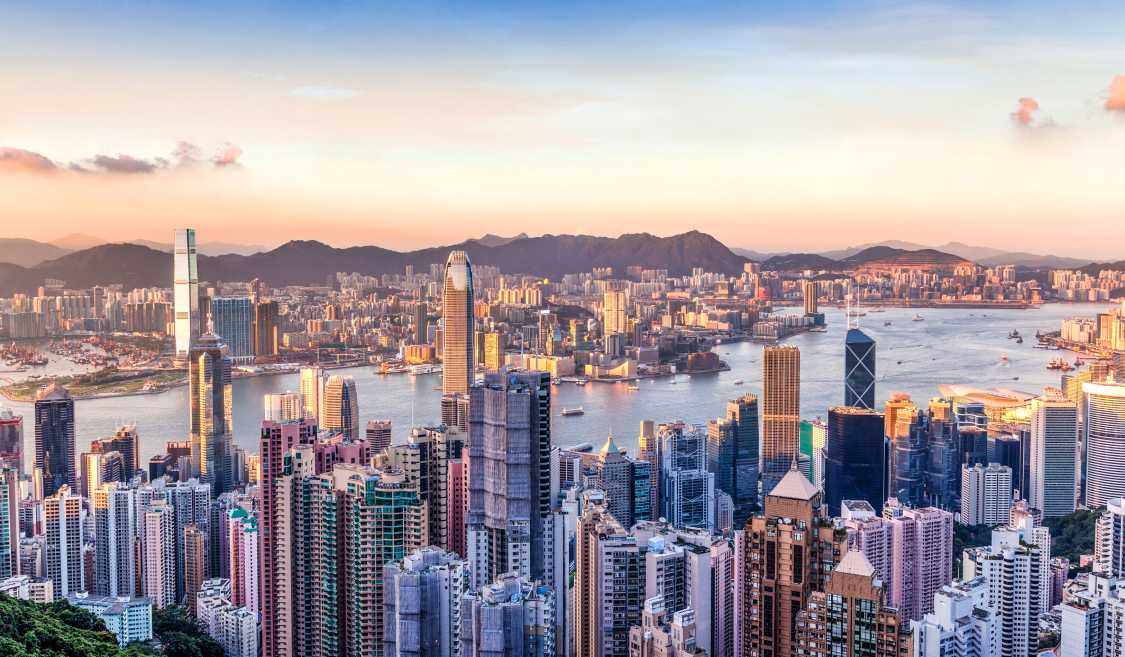
Hong Kong attracts thousands of expatriates every year with its vibrant economy, strategically advantageous location in the heart of Asia, and cosmopolitan lifestyle. As a Special Administrative Region of China, the city boasts an open economic climate, modern infrastructure, and a lively urban atmosphere. While housing costs are high, the city's safety, quality services, and efficient public transport make it a prime destination for living and working in Asia.
Hong Kong is home to more than 7 million residents, including nearly 360,000 expatriates (5% of the population). The largest expatriate communities hail from the Philippines, Indonesia, and India, along with many Europeans and North Americans. The French community is estimated to consist of 25,000 people.
5 great reasons to choose Hong Kong
- A major economic hub: one of the most dynamic financial centers in Asia.
- An international gateway: direct access to China and the rest of the world.
- Efficient infrastructure: transportation, hospitals, and international schools.
- A safe environment: low crime rates and strong legal stability.
- A cosmopolitan culture: rich Asian and Western influences offering a vibrant social and culinary scene.
The Expat.com guide has been designed to help you prepare for your move to Hong Kong smoothly. You will find all the essential information you need, from visa requirements, job opportunities, housing, healthcare, everyday life, and local integration.
Official languages: Chinese (Cantonese) and English | Local currency: Hong Kong Dollar (HKD) | Time difference with France: +6 hours in winter, +7 hours in summer | Flight duration from Paris to Hong Kong: Approximately 12 hours |
Your setup journey
Guide in 14 steps. Click any step below to jump directly to the section you need.
01Where to live in Hong Kong?
Your choice of residence will largely depend on your priorities, your budget, and your lifestyle. Hong Kong offers very diverse environments, ranging from the ultra-modern business district to quieter island villages.
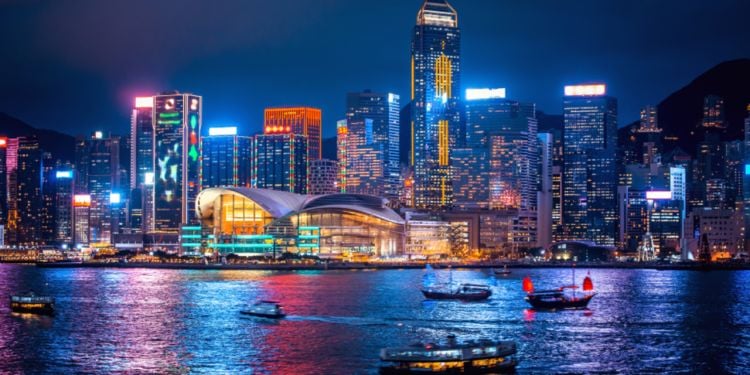
- Hong Kong Island: the economic and political heart, with neighborhoods like Central and Wan Chai that are popular among professionals and expats working in finance. Rents here are the highest, but the proximity to offices, shops, and restaurants is appealing to young professionals.
- Kowloon: a lively urban peninsula, it primarily attracts families and young couples looking for a dynamic environment with slightly more affordable rents than on Hong Kong Island.
- New Territories: quieter and greener residential areas with more spacious housing. Highly sought after by families with children, they offer a more serene living environment while still being well-connected to the city center thanks to the transport network.
- Outlying Islands (Lantau, Lamma, Cheung Chau): ideal for those seeking a more relaxed lifestyle close to the sea and nature. Lantau is home to many expats working at the airport or Disneyland, while Lamma attracts creative individuals and those who appreciate a community-oriented environment.
Before settling down, it's advisable to visit several neighborhoods, assess the available services, and consider the commute time to your workplace.
02Formalities and visas for Hong Kong
To settle in Hong Kong, certain procedures are mandatory, regardless of your country of origin. The requirements vary depending on your nationality and the length of your stay.
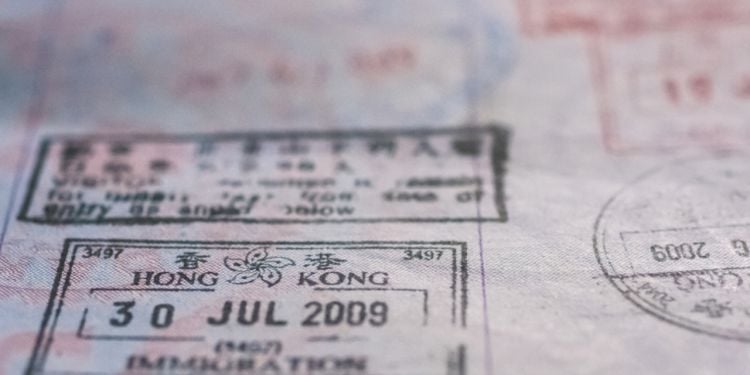
Citizens from France and other European countries do not require a visa for visits of fewer than 90 days. However, if you plan to establish permanent residency, a work, study, or residence visa is necessary. You can apply for this at the Immigration Department.
Anyone residing for more than 180 days must also obtain a Hong Kong Identity Card (HKID). This official document is essential for daily life, as it is required to rent accommodation, open a bank account, and access the healthcare system.
💡Useful tips
- Start your application process several months in advance of your departure.
- Prepare your essential documents (such as civil status records, diplomas, and employment contracts) in English or with certified translations.
- Always check the latest regulations on the Immigration Department's website, as they can change rapidly.



Join the discussion on the forum
03Working in Hong Kong
Hong Kong is a major financial center, boasting a highly competitive job market. The sectors with the highest demand for talent are finance, logistics, information technology, international trade, and business services. English is widely used in the workplace, making it easier for expatriates to integrate.
Starting a company here is straightforward and efficient. The processes are digitalized, the tax environment is appealing (corporate tax capped at 16.5%, no VAT), and the legal framework is recognized for its stability.
In-demand profiles:
- Finance and accounting specialists
- Web developers, IT engineers, and data analysts
- International trade and logistics executives
- Healthcare professionals and qualified teachers
💡 Important notes
- The market is competitive: experience and proficiency in English are often essential.
- Salaries are high in certain sectors, but they are offset by a significant cost of living.
- Entrepreneurship remains attractive due to a simple and competitive tax system.
Unemployment rate: 3.7% in 2025 | Legal working hours: 40 to 48 hours per week, sometimes more depending on the contract | Minimum wage: 42.10 HKD/hour (approximately €5.05) | Income tax: progressive, capped at 17% | Corporate tax: maximum 16.5%, no VAT |



Join the discussion on the forum
04Housing in Hong Kong
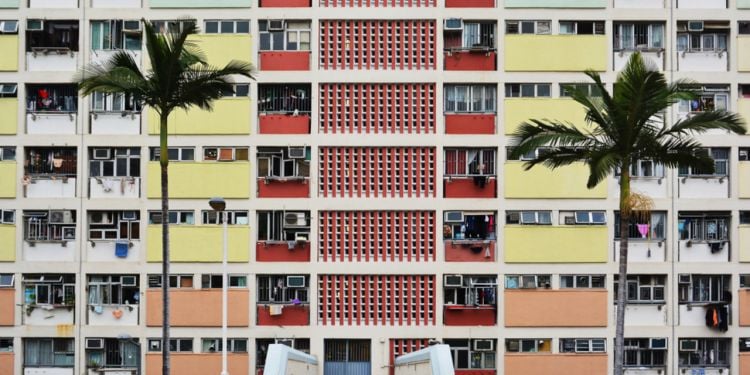
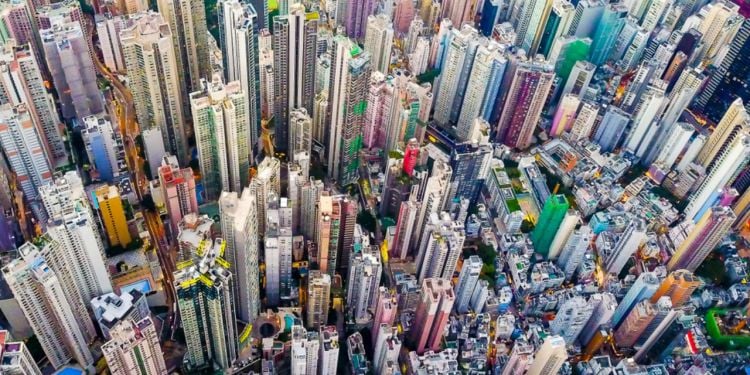
Housing is one of the biggest challenges for expats in Hong Kong. Rent here is among the highest in the world, especially on the island itself, and finding an apartment often requires flexibility and quick decision-making. Rental options are typically preferred at the outset, with leases usually set for two years and a deposit equivalent to two months of rent. Buying property is an option for foreigners, but the prices and associated costs (stamp duties, taxes) make this a pricey and complex endeavor.
Join the discussion on the forum
05Cost of living in Hong Kong
Hong Kong is among the most expensive cities in the world, especially due to the high rental costs. However, depending on your lifestyle, expenses can vary significantly, ranging from approximately HKD 25,000 to 40,000 per month (around €2,940 to €4,700) for a single person, and from HKD 70,000 to 120,000 per month (about €8,200 to €14,100) for a family of four.
Here are some estimated monthly benchmarks to give you a clearer picture of the cost of living in Hong Kong:
For a single person | For a family of 4 | |
Food | HKD 3,900 to 5,300 (approximately €460 to €630) | HKD 7,000 to 10,000 (approximately €820 to €1,170) |
Utilities (water, electricity, internet, phone...) | HKD 1,200 to 1,800 (approximately €140 to €210) | HKD 2,500 to 3,500 (approximately €290 to €410) |
Health | HKD 1,500 to 2,500 (approximately €175 to €290) | HKD 5,000 to 8,000 (approximately €580 to €930) |
Leisure & Outings | HKD 1,000 to 2,000 (approximately €115 to €230) | HKD 4,000 to 6,000 (approximately €460 to €700) |
Education (if you have children) | / | HKD 120,000 to 250,000 per year (approximately €14,000 to €29,500), which works out to HKD 10,000 to 20,000 per month per child (approximately €1,150 to €2,300) |
Rent | HKD 15,000 to 25,000 (approximately €1,760 to €2,940) for a one-bedroom apartment in the city center | HKD 35,000 to 60,000 (approximately €4,100 to €7,000) for a three-bedroom apartment in the city center |
Transport | HKD 500 to 700 (approximately €60 to €80) | HKD 1,800 to 2,500 (approximately €210 to €290) |
Subscriptions (gym, clubs, streaming platforms...) | HKD 600 to 1,000 (approximately €70 to €120) | HKD 2,000 to 3,500 (approximately €230 to €410) |
Imported Products (organic, cheeses, wines...) | HKD 1,000 to 1,500 (approximately €115 to €175) | HKD 3,000 to 4,500 (approximately €350 to €520) |
Domestic Help (common in Hong Kong, especially for families) | HKD 4,870 to 6,000 (approximately €570 to €700) | HKD 4,870 to 6,000 (approximately €570 to €700) |
Income Tax | Up to 17%, generally around 10 to 12% | Up to 17%, generally around 10 to 12% |
06Health in Hong Kong
The healthcare system in Hong Kong is of very high quality and offers two main options for residents:
- Public sector: accessible to residents holding a Hong Kong Identity Card (HKID), with very low fees (about 170 HKD, or approximately 20 € for a consultation in a public hospital). However, waiting times to see a specialist or access non-urgent surgery can be very long (up to 2 years in some cases). Some services, such as dental care, are not included in the public offer.
- Private sector: modern, efficient, and no waiting, but the costs are high. Prices range from 240 HKD to 570 HKD (approximately 28 to 67 €) for a medical consultation, and sometimes exceed 850 HKD (about 100 €). The cost of childbirth is also quite high: ranging from 100,000 HKD (around 11,700 €) for an uncomplicated delivery to 250,000 HKD (approximately 29,300 €) for an emergency delivery (including cesarean sections). A private health insurance is essential to cover these costs, and it is often included in expatriate packages. On average, insurance costs between 3,000 and 6,000 HKD per month (around 350 to 700 €).
There is no social security in the European sense. Therefore, foreigners should arrange private health coverage, either through their employer or via international insurance.
💡 Important notes
- No vaccinations are mandatory for entry or residence in Hong Kong, but it is recommended to be up to date on universal vaccinations (DT-Polio, hepatitis B) and to protect against hepatitis A and typhoid if staying for an extended period.
- Air pollution is an ongoing issue that can affect individuals with asthma or respiratory illnesses.
- The quality of life is high: safety, modern hospitals, efficient emergency services, and access to advanced specialized care.
Discover more




07Finance and banking in Hong Kong
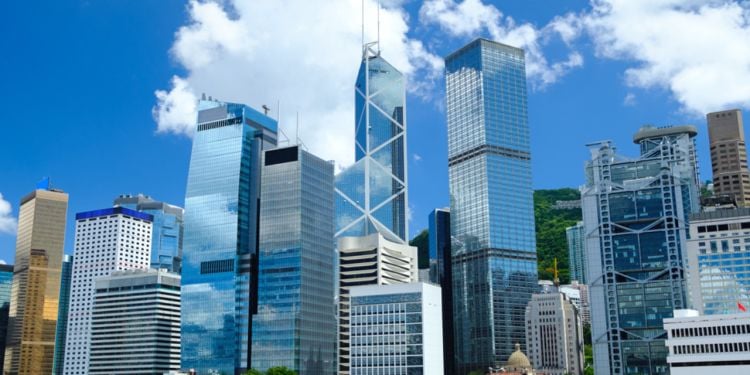
Effectively managing your budget is crucial for a successful relocation. Hong Kong ranks among the most expensive cities in the world, especially when it comes to housing, but its tax system remains advantageous and relatively straightforward.
💡 Our tips
- As soon as you arrive, open a local bank account to make your payments and transfers easier.
- Learn about the income tax system, which is progressive but capped at 17%.
- Plan your expenses: while rents are very high, public transport and local dining options remain affordable.
- Check the tax treaties between Hong Kong and your home country to avoid double taxation. France has signed a tax agreement with Hong Kong, allowing French residents there to be taxed on their income solely in Hong Kong.
Discover more

08Retiring in Hong Kong
Hong Kong is not your typical retirement destination. Most foreign retirees are former expatriates who have lived and worked here, rather than individuals relocating directly from overseas. However, retiring in Hong Kong can be an appealing option if you have substantial income, as the tax environment is favorable and the quality of services is high.
3 major advantages
- Favorable Taxation: There is no local tax on foreign pensions.
- Access to a high-quality healthcare system, with renowned public and private hospitals. However, obtaining private health insurance is highly recommended to cover any uncovered expenses, which can impact your budget.
- International Urban Environment, secure, with a rich cultural scene.
💡 Important points to note
- There is no specific legal retirement age in Hong Kong. However, most residents stop working at 65 years old, the age at which you can withdraw funds from the Mandatory Provident Fund (MPF - local retirement system).
- Without a permanent resident card (which can be obtained after 7 years of residency), there is no specific visa for retirees: you need to have another status (for example, through a working spouse or a residence permit).
- The cost of living in Hong Kong is high. Expect to pay an average of HKD 20,000 to 25,000 (approximately €2,350 to €2,950) for a one-bedroom apartment in the city center. For a comfortable lifestyle, which allows for leisure and travel, a net monthly income of around HKD 34,000 to 45,000 (about €4,000 to €5,000) is strongly recommended.
09Studying in Hong Kong
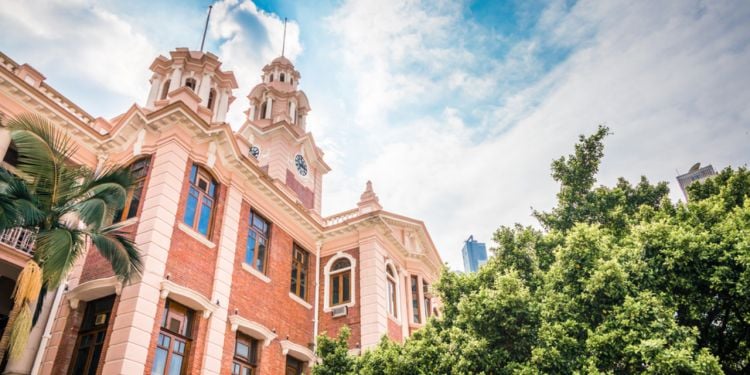
Hong Kong attracts a large number of international students due to its universities' global reputation and cosmopolitan environment. The territory is home to 8 public universities and several private institutions, including The University of Hong Kong (HKU), The Chinese University of Hong Kong (CUHK), and HKUST, all ranked among the top universities in Asia.
Why study in Hong Kong?
The universities here are world-renowned, offering many programs in English, particularly in finance, sciences, engineering, and management. The city provides a unique student experience, combining modernity, multiculturalism, and proximity to mainland China. However, the cost of studies is high: expect to pay between 9,000 and 15,000 USD (approximately 8,300 to 13,800 €) per year at public institutions, and even more at private ones.
💡 Our tips
- Start your applications early, as admission is competitive.
- Confirm the equivalence of your diplomas through the HKCAAVQ.
- Budget for accommodation: university housing is limited, so many students choose to share apartments.
Discover more
10Education and schools in schools in Hong Kong
The education system in Hong Kong is known to be demanding and competitive. School is mandatory from ages 6 to 15, with teaching primarily conducted in Cantonese or English, depending on the institution. The Education Bureau provides extensive information on the education system and includes a search engine to help you find the school that best meets your criteria.
Types of schools:
- Public Schools: free for residents holding an HKID. Families are still responsible for some costs, such as textbooks, uniforms, and extracurricular activities.
- Local Private Schools: They offer education in English and/or Cantonese. Tuition fees vary depending on the school's reputation and services offered. At the most prestigious institutions, fees can reach HKD 270,000 per year (approximately €31,700).
- French School: There is a French school accredited by AEFE, known as the French International School (FIS). The school offers two tracks: a French track (following the national education system) and an international curriculum (IB/British program). Tuition fees are high: for the 2025-2026 school year, fees are HKD 151,984 (around €17,800) for kindergarten and can go up to HKD 210,940 (approximately €24,500) for high school classes.
- International Schools: Very popular among expatriates, these schools offer programs in English, German, or bilingual, and follow IB, British, Australian, or American curricula. Tuition fees are generally high, often ranging between HKD 120,000 and 250,000 per year (approximately €14,000 to €29,500), and can exceed HKD 290,000 (around €34,200) at some top-rated institutions. The Education Bureau provides a complete list of all international schools, which can be accessed here.
💡 Practical tips
- Enrolment in a public school is done through the Education Bureau. For private and international schools, application procedures go directly through the institution.
- Waitlists are common, especially for international schools and FIS: register your children as early as possible.
- Check the required language proficiency: some schools may require admission tests.
11Moving to Hong Kong
An international move to Hong Kong requires planning and organization. Whether it’s about the transport of your belongings or adjusting to the cultural environment, several elements need to be prepared in advance:
- Compare prices and services from various moving companies (quotes + insurance).
- Be aware of the customs procedures for importing your personal belongings. Certain items may incur duties (such as alcohol and tobacco), while others may be prohibited (including some medications, plants, and animals).
- Gather your official documents (driver's license, diplomas, marriage certificate, medical certificates, birth certificate, visa, etc.). Some documents (such as diplomas and criminal records) may need to be in English, so you may need to have them translated by a sworn translator.
- Check the compatibility of your electronic devices: Hong Kong operates on 220 V / 50 Hz, similar to France, but the plugs are of Type G (British). A simple adapter will suffice.
- If you plan to travel with a pet, specific regulations apply that require advance organization: a special permit is mandatory, vaccinations must be up to date, and depending on the country of origin, there may be a quarantine period of up to 120 days.


12Everyday life in Hong Kong
Living in Hong Kong means embracing an urban lifestyle that is vibrant, safe, and cosmopolitan. Expats appreciate the safety, efficiency of services, and the balance between professional hustle and leisure time.
Important notes:
- The city is very safe, with a low crime rate, even at night.
- The work pace is demanding, with long working hours often the norm; however, the vast array of leisure activities, restaurants, and cultural experiences helps maintain a balance between work and personal life.
- Meals are often enjoyed outside, as the restaurant scene is varied and affordable.
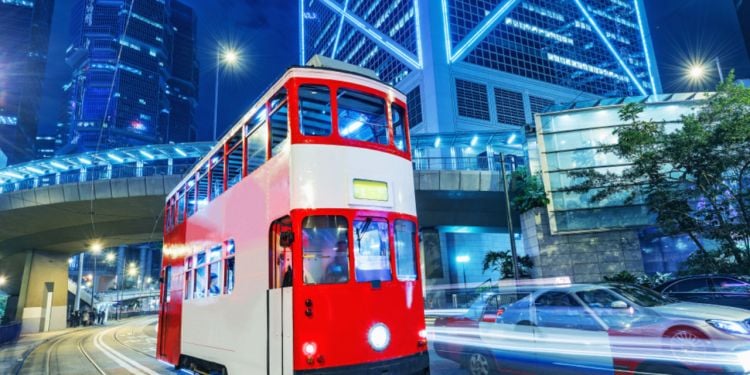
- Public transportation (MTR subway, buses, ferries) is modern, punctual, and easily accessible with the Octopus Card.
- Mobile telephony is affordable and efficient; 5G coverage is widespread. Internet service is fast and reliable, without major restrictions, unlike in mainland China.
- Communication mostly takes place through WhatsApp and WeChat, both for work and personal interactions.



13Leisure activities in Hong Kong
Hong Kong offers a vibrant urban lifestyle alongside direct access to nature. There’s a wide array of leisure activities that are easily accessible, including sports, dining experiences, cinema, nightlife, hiking, water sports (diving, sailing, water skiing...), golf, martial arts (MMA, kickboxing, Muay Thai...), festivals, concerts, shopping, museums, and more... You’ll never get bored!
Must-see experiences:
- The local culinary scene: dim sum, night markets, and rooftop bars.
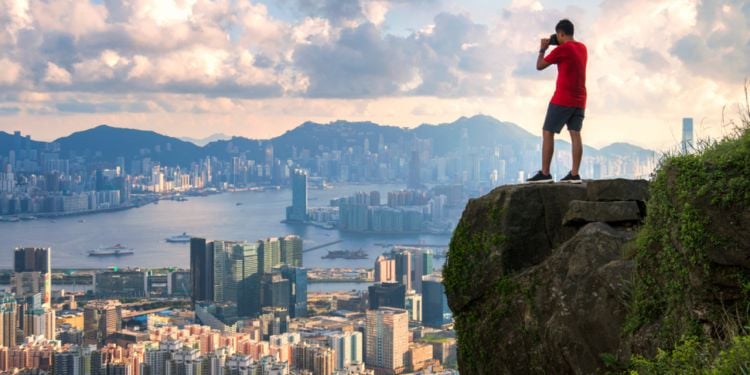
- Iconic hikes like the Dragon’s Back or the Peak Trail, which offer stunning views of the city and the sea.
- The rich cultural heritage: Chinese festivals (Lunar New Year, Mid-Autumn Festival, Dragon Boat Festival...), Buddhist temples, and traditional neighborhoods.
Discover more

14Key Points to Remember
Anticipate your administrative tasks: apply for your appropriate visa, register for the Hong Kong Identity Card, and consider securing private health insurance.
Take the time to read our articles, especially those on employment, housing, and healthcare in Hong Kong.
Don’t hesitate to ask your questions on the Hong Kong forum, where the expat community shares valuable advice and experiences!
To help you settle in, be curious, open to local customs, and enjoy the lifestyle of Hong Kong, which is urban, safe, and close to nature.
Relocating to Hong Kong means choosing a vibrant, cosmopolitan city that is marked by a unique cultural blend. To ensure your project succeeds, good preparation is essential. We hope this Expat.com guide has provided you with the necessary keys to organize your move and fully enjoy your new life in Hong Kong.
Join the Hong Kong community
Get regular tips and advice to make the most of your expat life
Essential services for your expat journey






Forum topics on living in Hong Kong
Discover forums topics on expat life in Hong Kong: join the conversation, ask your questions, get advice and share your experience.
- Hk Expat Whatsapp group
- New members of the Hong Kong forum, introduce yourselves here - 2025
- What makes you happy about living in Hong Kong?
- Reliable Headhunter/Recruiter in Hong Kong/Asia 2020
- Looking for job in Hong Kong
- Am I allowed to bring myanmar maid from overseas to hongkong
- Working as an hiv positive in macao/hong kong
- Moving to Hong Kong: Salary, Rent & Costs
- How to make friends in Hong Kong
- How to find job and get a work visa in hongkong
- Living at Tsing Yi
- Any quiet and cozy hospitals in hong kong for cancer patients
- SmarTone, a caution for Expats. PCCW however is honest and fair..
- Does anyone know any ukay ukay supplier in hong kong?
- Teaching in HK with a family
- Newbee to HongKong looking to meet lots of new lovely people! :)