

Living in Senegal: the ultimate expat guide
Everything you need to know for a successful life in Senegal.
Senegal, on the west coast of Africa, is known for its political stability, vibrant culture, and warm climate. Its capital, Dakar, is a bustling city with modern amenities, international schools, and a growing expatriate community.
Senegal offers a mix of urban life and natural beauty, including beaches, national parks, and wildlife reserves. The economy is diverse, with opportunities in agriculture, tourism, trade, and services, and French is the official language, making it easier for many international residents to communicate and work.
Five compelling reasons to live in Senegal
1. Stable and safe environment – Senegal is considered one of the safest countries in West Africa, with low political unrest and friendly local communities.
2. Cultural richness – from traditional music and art to festivals and markets, Senegal provides a vibrant lifestyle for those who enjoy cultural immersion.
3. Strategic location – its proximity to Europe and other West African countries makes Senegal ideal for business, travel, and regional connectivity.
4. Affordable living costs – compared to Western countries, housing, food, and services can be more affordable, particularly outside Dakar.
5. Outdoor lifestyle – Senegal’s climate and landscapes encourage an active lifestyle with beaches, nature parks, and outdoor sports.
Facts and figures
Population (2024) | 18.5 million |
Expat population (2023) | 207,791 |
Common expat nationalities | Guinea, Mali, Guinea-Bissau, The Gambia, and Mauritania |
Typical temperatures | Summer: 27°C – 32°C (80°F – 90°F); winter 17°C – 26°C (63°F – 79°F) |
Data correct as of December 2025.
Sources:
The Global Economy — population and National Agency for Statistics and Demography (via Ndar Info) — expat population and nationalities.
Formalities and visas in Senegal
Senegal’s entry and visa process is relatively straightforward by regional standards and generally faster than many expats expect. For short stays, the system is simple, with minimal paperwork and no lengthy pre-approval for many nationalities. Long-term stays require more steps, but the process is mainly handled after arrival, which appeals to expats who prefer flexibility when relocating.
Many travellers can enter Senegal visa-free for up to 90 days. This includes citizens of countries in ECOWAS (the Economic Community of West African States), as well as most EU countries, the United States, Canada, Australia, and Japan. Visa-free entry is intended for tourism or short business stays only; anyone planning to work, study, or settle long-term must switch to the appropriate status upon arrival and apply for a residence permit.
For longer stays, Senegal offers several visa and permit options for work, study, family reunification, and investment. Skilled work permits are available but competitive, as employers must often demonstrate that local candidates are unavailable. Processing times vary, and while the system is not fully digital, applications are generally processed without extreme delays if documentation is complete. Overall, Senegal’s visa framework is functional and accessible, though patience is still required for long-term residency and work authorizations.
Tips:
- Check whether your nationality allows visa-free entry for up to 90 days, or if you must apply for a visa or e-visa in advance.
- Any stay beyond 90 days requires applying locally for a residence permit after arrival.
- Arrive with complete documentation: a valid passport, proof of accommodation, onward travel, and, if required, proof of yellow fever vaccination.
- Expect biometric registration (photo and fingerprints) for long-stay visas and residence permits.
Useful link:
🔍To learn more

Visas for Senegal
Senegal is relatively open to foreigners, but like most countries, its borders are protected by local authorities which will determine your ability ...
Travelling to Senegal
Like most countries, Senegal controls the entry and exit of travellers at its borders: be it at a ...

Retiring in Senegal
Senegal is a popular destination for retired foreigners, especially those from France and Belgium, ...
Working in Senegal
For expats, finding work in Senegal can be competitive. Formal sector jobs are limited, and employers often look for candidates with specialized skills, French-language proficiency, and experience in sectors such as finance, telecom, or hospitality. Many expats are attracted to the country because of demand in specific sectors, regional business links, and opportunities to earn a foreign or remote income while benefiting from a lower cost of living.
However, Senegal’s job market faces challenges, with an unemployment rate of around 19 %. Informal work is also widespread, including small-scale trading, street vending, artisanal work, and local transport services.
In-demand jobs
• Services: banking/finance, telecommunications, transport, tourism, hospitality.
• Agro industry and agriculture: Especially agro processing and supply chain-related businesses.
• Manufacturing and light industry: Textiles, consumer goods, and construction-related manufacturing.
Facts and figures
Unemployment rate (2025) | 19% |
Informal economy | 84% of the workforce |
Largest employer by sector | Services 56% (education, tourism, retail, transport). |
Stat Senegal — unemployment rate, WIEGO — informal employment, and African Development Bank Group — largest employer
🔍To learn more
Working in Senegal
Senegal has long been a West African destination of choice for expats looking to live and work. ...

Starting a business in Senegal
With its growing economy, openness to foreign investment and political stability, Senegal is a ...

Internships in Senegal
Senegal is very open towards young graduates and professionals seeking new opportunities in West ...
Studying in Senegal
Senegal’s higher education system is one of the most established in West Africa, rooted in the French model and serving a large and growing student population. Tertiary enrollment continues to expand and is higher than in many Sub-Saharan peers but below global averages.
Senegal’s universities span public and private institutions, offering a wide range of undergraduate, master’s, and doctoral programs that attract students from across Francophone West Africa and beyond. However, infrastructure pressures, large class sizes, and uneven resources mean quality can vary significantly between schools and fields of study.
Top universities in Senegal
Université Cheikh Anta Diop de Dakar (UCAD) — Senegal’s largest and most prestigious university, enrolling around 85,000–90,000 students and offering comprehensive programs across sciences, humanities, law, medicine, and more.
Université Gaston Berger de Saint-Louis (UGB) — a major public university in Saint-Louis with roughly 10,000–15,000 students, known for its broad degree offerings and regional campus environment.
École supérieure polytechnique de Dakar (ESP) — an important engineering and applied sciences institute affiliated with UCAD, and training technicians and engineers in fields like civil, electrical, and mechanical engineering.
🔍To learn more
Study in Senegal
Senegal welcomes international students with open arms. In recent years, the country has seen its higher education system become one of the most ...
Finance and banks in Senegal
Senegal’s banking system is well-regulated and functional, but it’s not fully European-style: expect a mix of modern digital banking and cash-based practices, especially outside major cities. The country has around 29 banks, including local and regional institutions. Expats can open accounts, but the process requires planning and patience.
Tips:
Opening an account: Foreigners can open accounts with a valid passport, proof of residence, and photos.
Digital and mobile banking: Mobile money services like Wave are widely used; some banks also offer online banking, but cash remains central.
ATMs: Common in Dakar and other cities, but rare in rural areas. Plan for cash withdrawals if traveling outside urban centers.
Foreign currency and transfers: Banks handle currency exchange and international transfers; some fees and limits may apply.
🔍To learn more


Health care in Senegal
Healthcare in Senegal varies widely depending on where you are. In major cities like Dakar, private clinics and some public hospitals provide reliable care and a reasonable range of services, especially for routine treatment and common conditions. Dakar is considered a regional referral center, with several facilities offering more extensive care than you’d find elsewhere in the country. However, public hospitals are often under‑resourced, and outside the major cities, specialist care, equipment, and staff are limited.
Expats in Senegal can access both public and private care, however many locals and expats rely on private clinics for routine care and, for more complex medical needs, seek treatment abroad in countries with more advanced healthcare systems. Therefore, health insurance is essential for expats. Employer plans may exist, but most self‑employed expatriates should secure international health insurance with evacuation coverage.
What you need to know
- Emergency number: Dial 17 (police) or +221 33 889 15 15 for medical/ambulance assistance; many hospitals also have direct numbers.
- Number of hospitals: Senegal has about 20–22 functional public hospitals, plus private clinics; many more health posts and centers provide basic care.
- Evacuation: For complex treatments, expats often go to Morocco or Tunisia, which have more advanced healthcare systems and shorter flight times than Europe.
Useful link:
UK Gov — healthcare in Senegal
🔍To learn more

Healthcare in Senegal
As the saying goes, ‘without your health, everything else is worth nothing' and so finding out about healthcare in Senegal should be at the ...
Education and schools in Senegal
Senegal offers a variety of schooling options for children, from public and private to international schools, with the best schooling opportunities in the cities. Public schools follow a system similar to the French model: preschool (optional), then primary, lower, and upper secondary.
Quality in public schools can be uneven, with crowded classrooms and limited resources, especially outside major cities. Private and international schools — including French curriculum ones — are popular with expat families because they usually offer smaller classes, more reliable infrastructure, and a learning environment closer to what expat children are used to.
Primary and lower secondary schooling is compulsory in Senegal and free for children aged 6 to 16 years. Expat children are eligible to attend public schools, but many families choose private or international schools for more consistent quality and smaller class sizes. Indirect costs (books, uniforms, supplies) still apply in public schools, and access to high-quality education is generally better in urban areas.
School holidays
The Senegal school year generally runs from September through June or early July, depending on the school and curriculum. Students enjoy a long summer break in July and August, along with shorter holidays around Christmas and Easter, making the academic calendar fairly familiar for many expat families and easy to plan around.
Tips:
- Most expats choose international schools, especially in Dakar, where French and English options (including IB, French, and American curricula) are concentrated.
- Language matters: Public schools teach in French, so they are usually only suitable for long-term expat families with fluent French-speaking children.
- Apply early and budget carefully: International schools are fee-paying and competitive, with waiting lists common at well-regarded schools.
Accommodation in Senegal
Senegal’s housing market varies widely depending on location, and in Dakar and other major cities, the market is competitive, but still generally more affordable than in many Western capitals. Smaller towns and coastal areas move at a slower pace — fewer buyers, longer listing periods, and more room to negotiate — giving expats time to find the right home.
Expats have a range of housing options to choose from in Senegal, from modern city apartments and villas with gardens or pools, to traditional houses that offer a more authentic living experience. Gated communities remain popular for security and shared amenities. Foreigners can also buy property freely, with no nationality restrictions for urban real estate. Most purchases require cash, as mortgages for non-residents are rare, and buying does not grant residency or a visa. Renting is generally straightforward but requires a valid lease, a security deposit, and proof of residence.
Tips:
Buying property: Foreigners can purchase titled urban real estate or leasehold rural land without nationality restrictions.
Cash transactions: Expect to pay upfront; mortgages are rarely available—budget 16–20 % extra for taxes, notary fees, and registration.
🔍To learn more
Accommodation in Senegal
No matter what you are doing in Senegal or how long you are staying, finding the right ...
Buying a property in Senegal
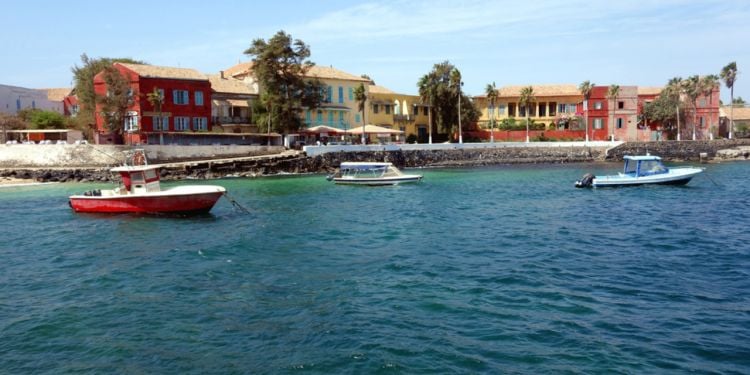
Senegal has captured the hearts and minds of many travellers who visit its golden sandy beaches, ...
Accommodation in Saint-Louis
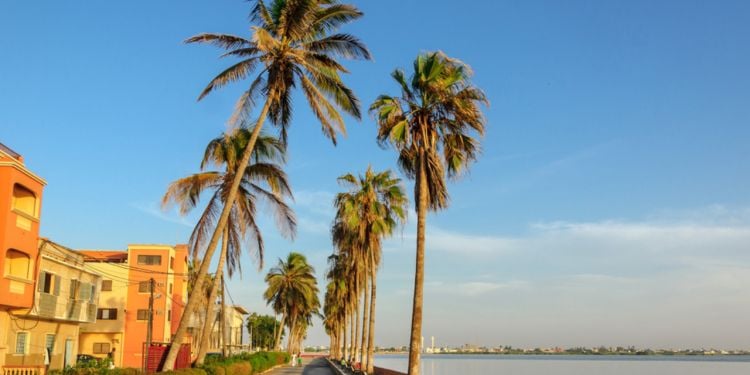
Saint-Louis, known as Ndar in Wolof, was the Senegalese capital city until 1957. Having been ...
Planning your move to Senegal
Shipping your life to Senegal is doable, but it requires patience and careful preparation. Ports and customs procedures are functional, but customs inspections are thorough, and paperwork must be exact. Used personal belongings are generally allowed in duty-free, but delays can happen due to inspections, missing documents, or port congestion. Planning ahead and understanding the process makes a big difference.
In practice, shipping to Senegal is often slow, and delays are the most common challenge expats face. Containers are frequently opened for inspection, and if documents are incomplete or late, shipments can sit at the port, leading to storage or demurrage fees. The best advice is to use an experienced international mover, keep your shipment simple, and only ship items you've owned and used for at least six months. Many expats choose to ship fewer belongings and buy furniture or household goods locally to reduce stress, cost, and delays.
What you need to know
Don't ship: New goods in original packaging — these are treated as commercial goods and may attract duties or hold-ups.
Used personal effects should be clearly unpacked and used for at least six months to qualify for duty-free status.
Don't ship: Excess household appliances/electronics — only one of each major appliance (e.g., fridge, stove, TV) is typically duty-free; multiples may be taxed.
Useful link:
🔍To learn more


Leisure in Senegal
Senegal pulses with life — from beaches and music to culture, nature, and a nightlife that never quite sleeps. Living here gives you access to the sweeping Atlantic coastline, vibrant cities, and rich cultural rhythms. In the capital and along the coast, you can surf, chill by the sea, dance the night away to local music, and explore markets, museums, or art scenes that draw on centuries of history and modern creativity.
Outside the cities, you’ll find dramatic landscapes, wildlife, wetlands, island escapes, and national parks — ideal for weekend getaways or slow-paced adventures. Whether you crave high-energy club nights or slow boat rides through mangroves and salt lakes, Senegal offers a surprising variety.
Popular activities in Senegal
• Beach time and water sports — surf, swim, or relax at the beach
• Live music and nightlife — attend concerts or club nights
• Markets and street shopping — explore buzzing local markets for crafts, spices, textiles, and street food staples.
• Cultural visits — museums, historic sites, and art centers offer insight into Senegal’s heritage and modern creativity.
• Nature and wildlife — bird watching at wetlands or sanctuaries, exploring reserves, or travelling inland for more natural beauty.
• Island and boat trips — ferry or boat ride escapes to islands or coastal villages: a mix of calm, beauty, and local flavor.
🔍To learn more

Things to do in Senegal
Settling abroad is not just about work, but also the unique opportunity to discover the country's charms during your evenings and weekends. Whether ...
Everyday life in Senegal
Understanding local customs is key to daily life in Senegal. Modest dress, polite greetings in French or local languages, and respect for religious and cultural practices help expats fit in smoothly. Life moves at a relaxed pace — business hours, transport, and appointments may not always run on schedule, so flexibility is essential. Big cities can feel chaotic with traffic, dust, and uneven streets, while smaller towns offer a calmer environment and a strong sense of community.
Local habits and customs
- Greeting is essential: People are expected to greet each other properly before getting down to business, often asking about health and family, and skipping this step can be seen as rude.
- Respect for elders: Age and seniority matter greatly, and showing deference to older people in speech, tone, and body language is an important social norm.
- Time is flexible: Daily life often runs on 'Senegalese time,' meaning schedules are more fluid than strict, and patience is an important cultural skill.
- Modest dress is appreciated: While cities are relaxed, dressing modestly — especially outside expat areas or during religious occasions — shows respect and helps you blend in.
- Community comes first: Social life is communal, with strong expectations around hospitality, sharing food, and looking out for one another.
🔍To learn more
Transport in Senegal
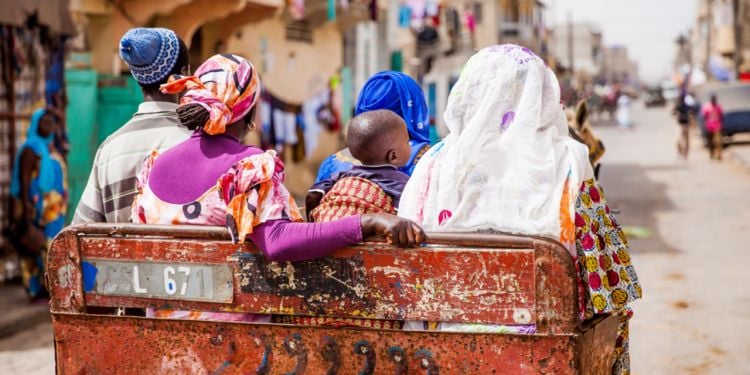
Whether for work or leisure, knowing how to move around the country is essential for all expats. In Senegal, there is a wide range of public ...

Phones and Internet in Senegal
Telecommunications will be an essential part of your expatriation project in Senegal. You will definitely have access to telecommunication services ...
Lifestyle in Senegal
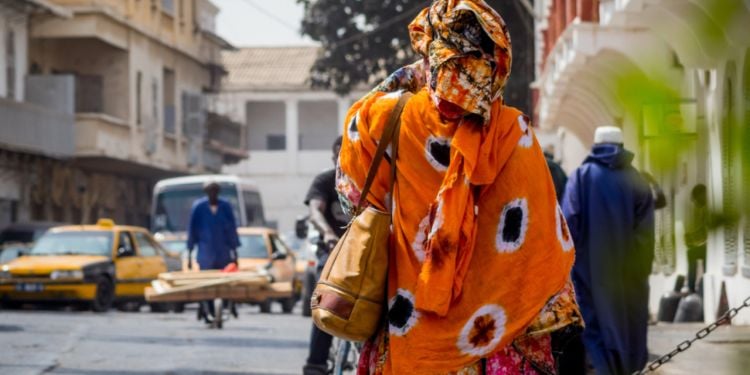
Senegal is known worldwide for being the land of 'Teranga'; a Wolof phrase which roughly ...
Cost of living in Senegal
Life in Senegal is generally affordable by Western standards, but costs vary widely depending on where and how you live. Everyday expenses like local food, markets, and transport are relatively low, while larger cities, especially Dakar, can feel expensive, particularly for rent, imported goods, and Western-style services.
Overall, Senegal sits in the middle of the global cost-of-living scale: cheaper than most Western countries, but among the more expensive capitals in West Africa, mainly due to housing and modern lifestyle costs. Items that often surprise expats with higher prices include imported products and electronics, international school fees, and modern rental housing, all of which can quickly raise monthly expenses.
Here is a general breakdown of average monthly expenses for different household types in Senegal.
Monthly expenses
Single expat (per month) | Family of four (per month) | |
Rent (city center) | 1 bedroom: XOF 280,000 (USD 450) | 3 bedroom: XOF 650,000–900,000 (USD 1,050–1,450) |
Rent (suburbs) | 1 bedroom: XOF 180,000–220,000 (USD 285–350) | 3 bedroom: XOF 400,000–650,000 (USD 650–1,050) |
Utilities (electricity, water, gas, Internet) | XOF 45,000–55,000 (USD 70–90) | XOF 100,000–150,000 (USD 160–230) |
Groceries | XOF 100,000 (USD 160) | XOF 280,000–380,000 (USD 450–610) |
Public transport | XOF 45,000 (USD 68) | XOF 90,000 (USD 135) |
Dining out and entertainment | XOF 60,000 (USD 90) | XOF 180,000–250,000 (USD 290–400) |
Data correct as of December 2025.
Source:
Outro
Living in Senegal offers a vibrant mix of culture, coastline, and community, with Dakar providing energy, opportunity, and modern amenities, while smaller towns offer a slower, more connected way of life.
Expats are drawn by the welcoming atmosphere, international schools, varied housing options, and a cost of living that’s often lower than in many Western countries — though imported goods and central-city rents can be costly. That’s why research is essential. From visas and housing to shipping and daily life, preparation makes settling in much easier. Expat.com helps simplify relocation to Senegal with practical guides and an active Senegal forum for expats where you can ask questions, get advice, and connect with others already living there.
We do our best to provide accurate and up to date information. However, if you have noticed any inaccuracies in this content, please contact us.


Essential services for your expat journey



