

 Guide updated by Pauline Bouveau on 01 December 2025
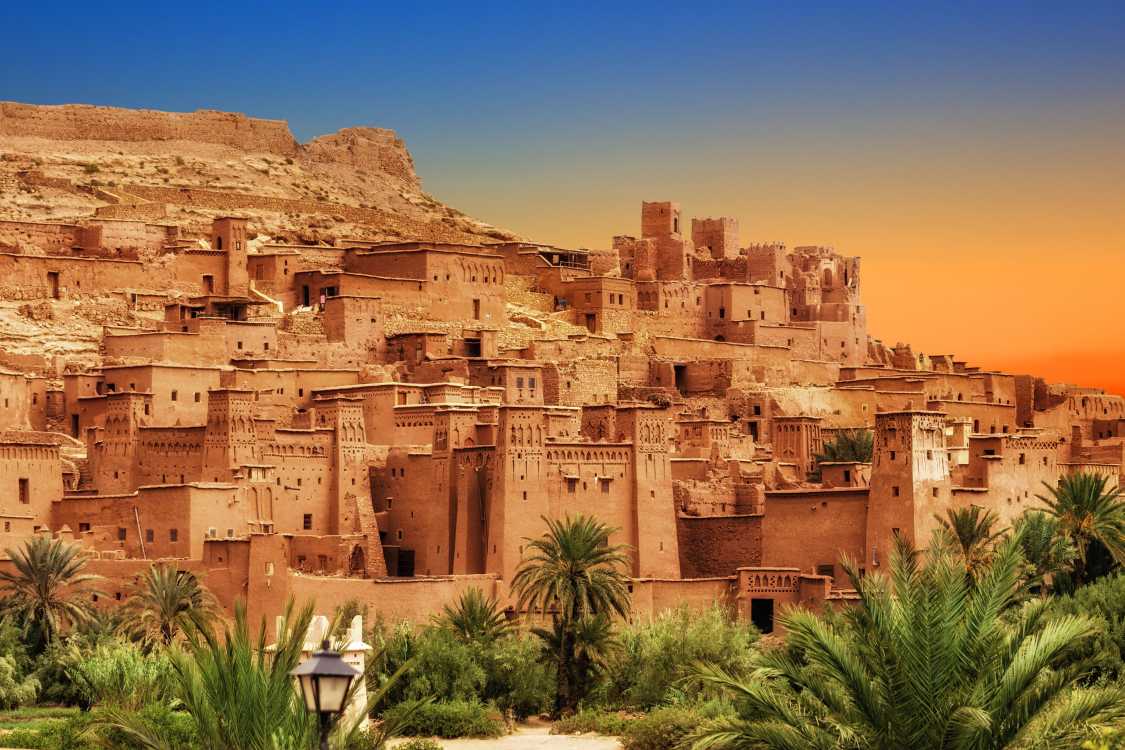
Each year, Morocco attracts numerous expatriates drawn in by its proximity to Europe, sunny climate, affordable cost of living, and rich cultural heritage. Located at the crossroads of Africa and Europe, this enchanting kingdom offers a unique lifestyle that blends tradition and modernity, with constantly improving infrastructure.
Morocco is home to around 38 million inhabitants and has become a popular destination for many foreigners looking to settle down. The French presence is particularly notable, especially in Casablanca, Rabat, and Marrakech, three major cities renowned for their quality of life and professional opportunities.
5 great reasons to choose Morocco
- Proximity to France: just a three-hour flight from Paris.
- Attractive cost of living: approximately 40% lower than in France.
- Pleasant climate: over 300 days of sunshine a year in many regions.
- Strong Francophone presence: French is widely spoken and understood.
- Growing economy: favorable taxation and thriving sectors (tourism, industry, services).
The Expat.com guide has been designed to help you prepare for your move to Morocco in the best possible conditions. You’ll find all the essential information: visas, employment, housing, healthcare, and daily life.
Official languages: Arabic and Amazigh (Berber). French is widely used. | Local currency: Moroccan Dirham (MAD). | Time difference with France: -1 hour in winter, -2 hours in summer. | Flight duration Paris - Casablanca: approximately 3 hours. |
Your setup journey
Guide in 14 steps. Click any step below to jump directly to the section you need.
01Where to live in Morocco?
Your choice of residence in Morocco will depend on your professional priorities, lifestyle, and budget. The country boasts a wide diversity of environments: from dynamic metropolises and peaceful coastal towns to historic imperial cities.
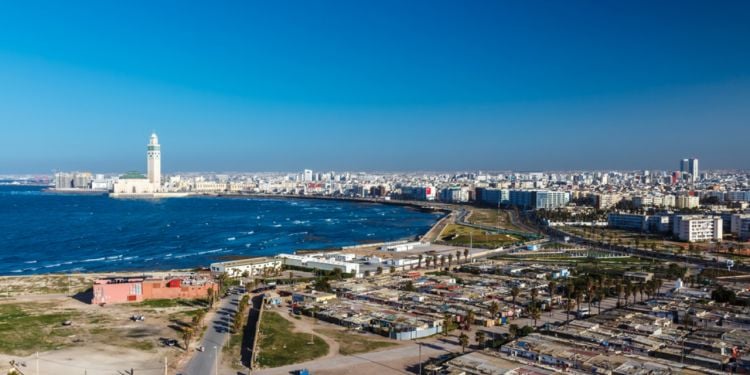
Casablanca and Rabat draw many expatriates with their vibrant economic landscape and modern infrastructure. Casablanca, the country’s economic powerhouse, is home to numerous corporate headquarters and key job opportunities. Meanwhile, Rabat, the administrative capital, charms with its tranquility and proximity to important government and diplomatic institutions.
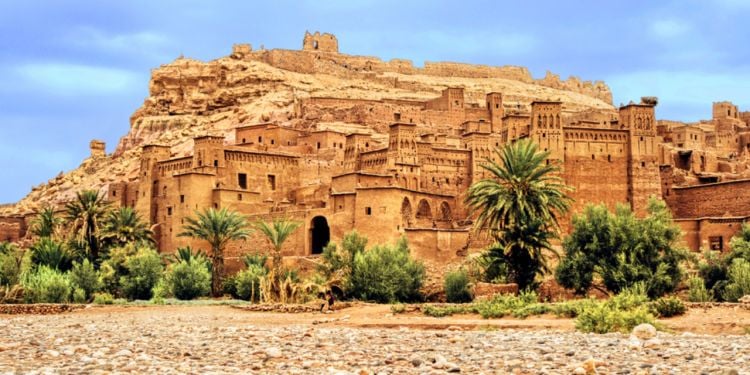
For a more relaxed lifestyle, Agadir, Essaouira, and Tanger offer a pleasant Mediterranean pace of life, surrounded by beaches and nature. The imperial cities like Fès, Meknès, and Marrakech immerse you in Morocco's most authentic culture, featuring bustling medinas and a rich architectural heritage.
Each city has its own peculiarities regarding the cost of living, access to services, and overall atmosphere. Before settling down, take the time to explore different regions to find the one that best meets your needs and expatriation plans.
Explore our city guides
02Formalities and visas in Morocco
If you’re planning to settle in Morocco, there are some necessary steps to take, although the formalities are relatively straightforward for French and European nationals. Requirements may vary depending on your nationality and the duration of your stay. French citizens can enter Morocco without a visa for tourism for up to 90 days. However, for a long-term stay, you’ll need a visa. This can be applied for through the General Directorate of National Security (DGSN) or your local police station. The type of residency card you’ll require depends on your expatriation reason: employment, study, retirement, or family reunification.
To work in Morocco, you must secure a work contract endorsed by the Ministry of Economic Inclusion, Small Business, Employment and Skills (MIEPEEC), which will then allow you to apply for a work visa at the Moroccan consulate in France. Once in Morocco, you can submit your application for your residency card. These processes can take several weeks.
💡 Useful tips
- Start your administrative procedures several months before your departure.
- Prepare your essential documents (birth certificate, criminal record, marriage certificate, diplomas, work contract, driving license).
- Regularly check the websites of the Moroccan consulate and the French embassy in Morocco for the latest updates.
- Once you arrive, the French embassy and consulates in Morocco are your main contacts for any official procedures or administrative inquiries.
- Allocate a budget for administrative fees related to visas and document legalization.

03Working in Morocco
Morocco is experiencing stable and diversified economic growth, driven by key sectors such as automotive, aerospace, tourism, information technology, renewable energy, and services. The job market is competitive, with a strong emphasis on local skills in certain areas. French is widely used in professional settings alongside Arabic, making it easier for francophone expatriates to integrate.
Starting a business in Morocco has become more accessible due to streamlined administrative procedures and free zones that encourage investment. The country is also attracting a growing number of digital nomads, drawn by the affordable cost of living and reliable internet connectivity in major cities like Casablanca, Rabat, and Marrakech. Internships are available, provided that you have a signed agreement with a recognized university or organization.
In-demand profiles:
- Engineers in automotive, aerospace, and renewable energy
- IT specialists, web developers, cybersecurity experts
- Managers in tourism, hospitality, and catering
- Finance, accounting, and consulting professionals
- Qualified teachers in international schools
💡 Key points
- A work visa is required to engage in professional activities in Morocco.
- The job market highly values experience, versatility, and proficiency in both French and Arabic.
- Entrepreneurship is encouraged, particularly in free zones and innovative sectors.
Unemployment Rate: approximately 13% (2025) | Legal Working Hours: 44 hours/week | Minimum Wage: 17.10 MAD/hour (approximately 1.55 €) | Income Tax: progressive from 0% to 37% | Corporate Tax: from 15% to 39% depending on the sector; VAT at 20% |

04Accommodation in Morocco
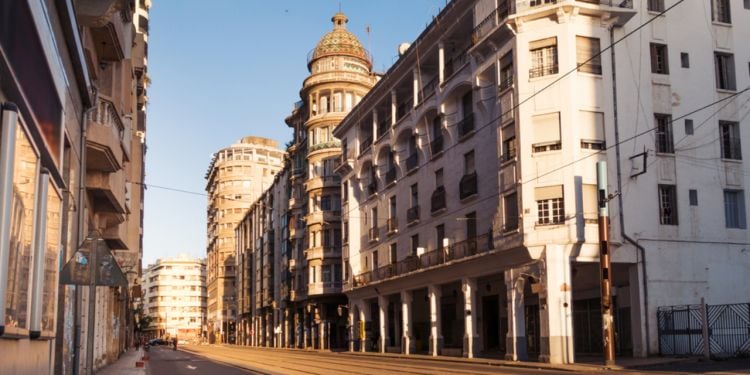
The real estate marketin Morocco offers a variety of options for expatriates, especially in major cities. Renting is often the preferred choice at first, allowing newcomers to explore different neighborhoods. In Casablanca and Rabat, expect to pay approximately 4,000 to 6,000 MAD/month (around €370 to €555) for a one-bedroom apartment and 8,000 to 12,000 MAD (around €740 to €1,110) for a three-bedroom family home or villa. In Marrakech or Agadir, rents are slightly lower. Rental contracts are typically signed for one year, with a deposit of two to three months.
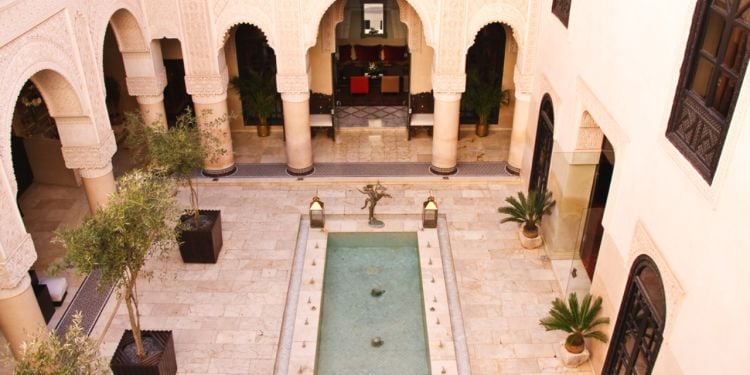
Property purchase is permitted for foreigners, with no particular restrictions. The price per square meter ranges from 8,000 to 25,000 MAD (approximately €740 to €2,300), plus an additional 5 to 7% in fees (notary, registration, taxes). Expatriates often prefer secure residences in modern neighborhoods of Casablanca, Rabat, and Marrakech.
Discover more
Join the discussion on the forum
05Cost of living in Morocco
The cost of living in Morocco is significantly more affordable than in France, particularly when it comes to food, transportation, and everyday services. Depending on the city and your lifestyle, monthly expenses typically range from 9,000 to 18,000 MAD (approximately 830 to 1,660 €) for a single person, and 21,000 to 36,000 MAD (approximately 1,940 to 3,330 €) for a family of four.
Here are some indicative monthly expenses:
For a single person | For a family of 4 | |
Groceries | 1,500 to 2,500 MAD (approximately 140 to 230 €) | 4,000 to 6,000 MAD (approximately 370 to 555 €) |
Utilities (water, electricity, internet, phone...) | 400 to 700 MAD (approximately 37 to 65 €) | 800 to 1,200 MAD (approximately 75 to 110 €) |
Healthcare (not including insurance) | 300 to 800 MAD (approximately 28 to 75 €) | 1,000 to 2,000 MAD (approximately 90 to 185 €) |
Entertainment & going out | 500 to 1,200 MAD (approximately 46 to 110 €) | 1,500 to 3,000 MAD (approximately 140 to 275 €) |
Education (if you have children) | / | 4,700 to 9,200 MAD per month per child (approximately 435 to 850 €) for French or international schools. |
Rent | 4,000 to 6,000 MAD (approximately 370 to 555 €) for a one-bedroom apartment in downtown Casablanca or Rabat | 8,000 to 12,000 MAD (approximately 740 to 1,110 €) for a three-bedroom family apartment or villa in downtown Casablanca or Rabat |
Transportation | 300 to 600 MAD (approximately 28 to 55 €) | 800 to 1,500 MAD (approximately 75 to 140 €) |
Subscriptions (gym, clubs, streaming services...) | 200 to 500 MAD (approximately 18 to 46 €) | 500 to 1,000 MAD (approximately 46 to 90 €) |
Imported goods (organic, cheeses, wines...) | 400 to 800 MAD (approximately 37 to 75 €) | 1,000 to 2,000 MAD (approximately 90 to 185 €) |
Household help (common in large cities) | / | 3,000 to 4,500 MAD (approximately 275 to 415 €) for full-time help |
Income tax | Progressive rate from 0% to 37% depending on brackets | Progressive rate from 0% to 37% depending on brackets |
Join the discussion on the forum
06Health care in Morocco
The Moroccan healthcare system offers two main options:
- The public sector: Accessible to all residents and partly funded by the Mandatory Health Insurance (AMO), which covers employees, retirees, and self-employed individuals affiliated with the CNSS. This insurance covers part of the expenses in public hospitals. The costs are affordable: a visit to a general practitioner costs between 50 and 100 MAD (approximately €5 to €9) and between 100 and 200 MAD (approximately €9 to €18) for a specialist. However, wait times can be long, and the quality of facilities varies by region. Major hospitals in Casablanca, Rabat, and Marrakech provide decent services, but a specialist consultation or a non-urgent surgery might require weeks or even months.
- The private sector: Modern, quicker, and better equipped, it is the preferred choice for many expats. Consultations are more expensive: between 200 and 400 MAD (approximately €18 to €37) for a general practitioner and between 300 and 600 MAD (approximately €28 to €55) for a specialist. A surgical procedure can exceed 50,000 MAD (approximately €4,600), and a straightforward delivery costs between 8,000 and 15,000 MAD (approximately €740 to €1,400), and up to 30,000 MAD (approximately €2,800) in the case of a Caesarean section.
The majority of expatriates opt for private international health insurance, often included in their expatriation package, which ensures better access to private facilities. The average cost ranges from 2,000 to 5,000 MAD per month (approximately €185 to €465) depending on age and chosen coverage.
💡 Good to know
- No vaccinations are mandatory for entering Morocco, but it is recommended to be up to date on universal vaccines (DTP, hepatitis A and B) and typhoid for extended stays.
- The emergency numbers are 141 for the ambulance service and 150 for the fire services. Emergency services at private clinics are generally more responsive.
- Major cities have private clinics that meet international quality standards, with staff often trained in France. Cities like Casablanca, Rabat, and Marrakech offer the best medical facilities.
- The quality of care can vary significantly between urban and rural areas. Expats living in medium or small towns often travel to larger metropolises for specialized care.
Discover more

Join the discussion on the forum
07Finance and banks in Morocco
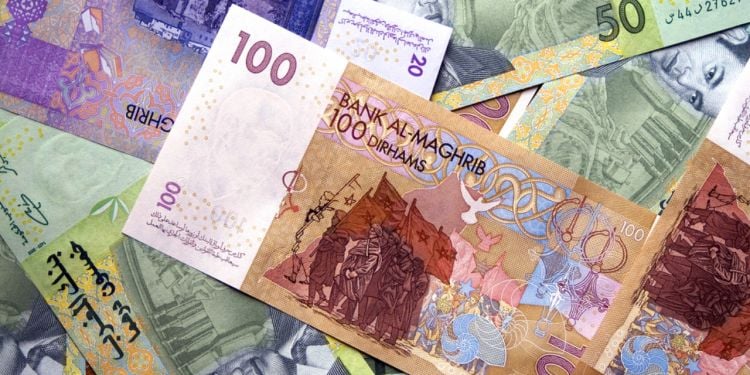
Properly managing your budget is crucial for a successful expatriation to Morocco. The country has a modern and well-structured banking system, featuring a variety of local and international banks in major cities. The cost of living is generally more affordable than in France, especially when it comes to food, housing, and services, which provides a more comfortable purchasing power for expatriates. However, the Moroccan tax system can initially seem complex, with specific declaration obligations for tax residents.
💡 Our tips
- Open a local bank account as soon as you arrive: it is essential for receiving your salary, paying your rent, and managing your expenses. The main banks include Attijariwafa Bank, BMCE Bank, and Banque Populaire.
- Familiarize yourself with the local tax regulations, especially regarding income tax (IR), which is progressive from 0% to 37%, and the declarations required if you become a tax resident.
- Check the tax treaty between Morocco and your home country.
- Be prepared for potentially higher banking fees compared to France (for services like international transfers and account maintenance).
- For your money transfers, consider using specialist services like Wise or Western Union, which are often more economical than traditional banks.

Join the discussion on the forum
08Retiring in Morocco
Morocco is one of the top destinations for French retirees, attracting numerous new senior residents each year. Its geographical proximity to France, pleasant Mediterranean climate, affordable cost of living, and strong cultural ties between the two countries explain this popularity. French retirees mainly settle in the major coastal cities and in Marrakech, where the lifestyle combines abundant sunshine, comfort, and a friendly atmosphere.
The country has established administrative facilities to welcome foreign retirees, offering the possibility of obtaining a renewable residency card. This destination is especially appealing to those seeking a sun-drenched lifestyle, a high quality of life, and the ability to maintain regular connections with France via numerous flight options.
3 major advantages
- Living Environment and Climate: over 300 days of sun a year, a more relaxed pace of life, and renowned hospitality.
- High Purchasing Power: the cost of living remains significantly lower than in France, allowing for a comfortable lifestyle on a French pension.
- Easy Access from France: just three hours by plane, with multiple daily flights to Casablanca, Rabat, or Marrakech.
💡 Important information
- The legal retirement age in Morocco is set at 60 years for private sector employees, 63 years for public sector workers, and 65 years for the self-employed, but this rule applies only to the local system.
- To reside in Morocco as a retiree, you need to apply for a specific residence card, valid for up to 10 years, by proving you have a regular income.
- French pensions paid abroad are taxable only in France, according to the France-Morocco tax treaty, which helps avoid double taxation.
- To live comfortably, a monthly income of 10,000 to 15,000 MAD (approximately €930 to €1,400) is recommended, depending on the city and lifestyle.
09Studying in Morocco
Morocco is a popular choice for many international students thanks to its accessible university system and its role as a cultural crossroads between Africa, Europe, and the Arab world. The country boasts over 80 higher education institutions, including well-established public universities such as Mohammed V in Rabat, Hassan II in Casablanca, and Sidi Mohamed Ben Abdellah in Fès.
Why study in Morocco?
The Moroccan university system offers a wide range of courses in fields such as engineering, business, medicine, and humanities. Instruction is mainly conducted in French and Arabic, depending on the program. Students benefit from an affordable cost of living, a rich cultural environment, and a pleasant quality of life, with a Mediterranean climate and diverse landscapes. Tuition fees at public universities are modest, ranging from 2,000 to 5,000 MAD/year (approximately 185 to 465 €), while private institutions charge between 30,000 and 80,000 MAD/year (approximately 2,800 to 7,400 €).
💡 Our tips
- Check the validation of your degrees with the Moroccan Ministry of Higher Education before applying.
- Plan for your housing, as university residences are limited in major cities.
- Explore exchange programs like Erasmus+, which offer scholarships to study in Morocco.
Discover more

10Education and schools in Morocco
The Moroccan school system is mandatory for children aged 4 to 16 and primarily conducted in Arabic, with French being the first foreign language starting from primary school. Public schools follow the curriculum set by the Moroccan Ministry of National Education, but many expats often choose private or international schools to ensure their children's educational continuity.
Choosing schools:
- Public Moroccan Schools: These are free for all residents and offer an education in Arabic following the national curriculum. However, very few expats enroll their children here due to language barriers and curriculum differences.
- Local Private Schools: These schools provide bilingual education in Arabic and French, and sometimes even trilingual with English. Tuition fees range significantly based on reputation, from 20,000 to 60,000 MAD/year (approximately €1,850 to €5,550). They follow the Moroccan curriculum, often enhanced with language courses and additional activities.
- French Schools: Morocco is home to one of the largest networks of French schools in the world, all accredited by AEFE. Notable institutions include Lycée Descartes in Rabat, Lycée Lyautey in Casablanca, Lycée Victor Hugo in Marrakech, and various other French schools in Agadir, Tangier, Kénitra, El Jadida, and Mohammedia. These schools follow the French national education curriculum from kindergarten through to the baccalauréat. Tuition fees range from 25,000 to 45,000 MAD/year (approximately €2,300 to €4,150) depending on the school and grade level.
- International Schools: Available in major cities, these institutions offer British, American, or IB (International Baccalaureate) programs. Some of the most reputable ones include Casablanca American School, British International School of Casablanca, George Washington Academy, and American School of Marrakesh. Tuition costs are generally higher, ranging from 75,000 to 160,000 MAD per year (approximately €6,900 to €14,700), and can exceed this amount in some prestigious institutions.
💡 Practical tips
- Enrollment plan: waitlists are common in French and international schools.
- For AEFE institutions, some companies and the French consulate can provide scholarships.
- Check the language requirements: some international schools require a minimum level of English or conduct admission tests.
- Be prepared for additional costs related to uniforms, supplies, school transportation, and extracurricular activities.
Join the discussion on the forum
11Moving to Morocco
Preparing for an international move to Morocco requires careful planning and organization. Several factors need to be considered to make your settlement easier and to comply with customs requirements:
- Compare quotes from multiple international moving companies (insurance included). It is recommended to hand over all arrangements to a professional who will handle packing, transportation, and customs clearance.
- Anticipate the customs procedures: used personal belongings and furniture (acquired for more than six months) are exempt from duties and taxes. You have six months to import your items without fees, with the option to split the move into two shipments at most, processed by the same customs office.
- Prepare your essential documents: certificate of change of residence (issued by the local town hall or the Moroccan consulate), three detailed inventories dated and signed that include your identity, departure and arrival addresses, and a detailed list of your belongings. Electrical appliances are limited to one item per category (e.g., one refrigerator, one washing machine, etc.).
- If you are traveling with a pet, it must be microchipped, have a European passport, and be vaccinated against rabies. An international health certificate, issued within the three days before departure, is also mandatory. A health inspection fee of 10 MAD (approximately 1 €) per animal is collected upon arrival by customs.
Discover more


Join the discussion on the forum
12Everyday life in Morocco
Living in Morocco means embracing a lifestyle where tradition and modernity coexist harmoniously. The country charms with its warmth, pleasant climate, and close proximity to Europe. Expatriates particularly value the friendly reception they receive and the nation's cultural richness.
💡 Noteworthy points
- The level of safety is generally good, but be cautious of pickpockets in tourist areas.
- Arabic and French are widely spoken; knowing a few words in darija (Moroccan Arabic) can help with integration.
- The country is also welcoming to expat families, with many French and international schools.
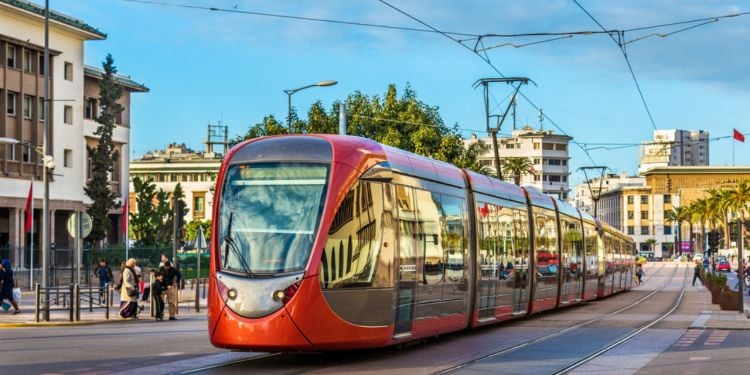
- Transportation options are diverse: small taxis, buses, modern trains (TGV Al Boraq), and ride-sharing apps like Careem.
- Internet and mobile telephony provide good coverage in urban areas. Mobile plans start at around 49 MAD/month (~£3.80/$4.60) and fixed internet or 4G+ at home has options from 20 MAD (~£1.50/$1.85) for modest data volumes.
- For fixed internet or 4G+ at home, plans are available from 20 MAD (~£1.50/$1.85) for limited data volumes.
- Social life is vibrant: cafés and hammams are essential meeting spots.
- Morocco is a Muslim country; showing respect for local traditions, especially during Ramadan, is crucial for successful integration.





13Leisure in Morocco
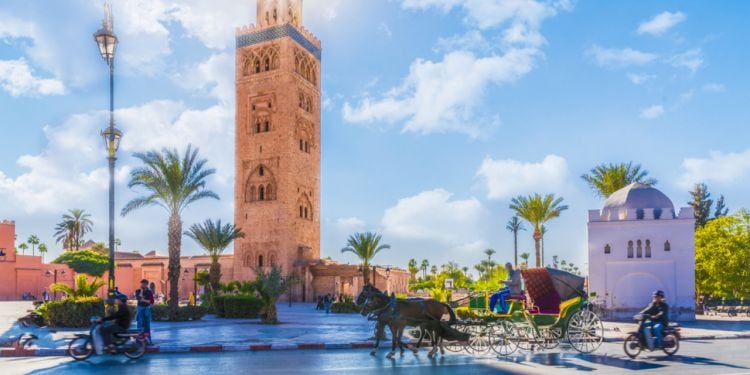
Morocco offers a widediversityof leisureactivities for expatriates, ranging from outdoor pursuits to a rich cultural life and delicious gastronomy. With the beaches of the Atlantic, the Atlas Mountains, and the Sahara Desert, the country showcases a variety of sceneries ideal for hiking, water sports, excursions, and adventure travel. Major cities like Marrakech, Rabat, and Casablanca have a vibrant cultural scene, mixing cinemas, international restaurants, art galleries, shopping centers, and festivals throughout the year. Leisure costs are generally affordable, allowing expatriates to fully enjoy their free time.
Must-see attractions:
- The souks and local markets: beyond shopping, these are genuine living spaces where you can discover Moroccan craftsmanship, spices, and traditional cuisine.
- The hikes in the Atlas Mountains and coastal activities: spectacular mountain trails, surfing in Taghazout, kitesurfing in Essaouira, or simply relaxing on the beach in Agadir.
- Social life and expatriate associations: French-speaking clubs and local organizations regularly host events that help newcomers meet and integrate into the community.
Discover more
Join the discussion on the forum
14The essentials to remember
Prepare for your administrative processes: visa, health insurance, and opening a bank account.
Take the time to browse our articles on employment, housing, health, taxes, and leisure activities in Morocco.
Feel free to ask questions in the Morocco forum, where the expat community shares tips, insights, and experiences!
To settle in smoothly, be curious, respect local traditions, and take advantage of Moroccan hospitality to forge connections and discover the richness of the country in your daily life.
Moving to Morocco means choosing a warm country that beautifully blends modernity and authenticity. For your relocation to go as smoothly as possible, proper preparation is key. We hope this Expat.com guide has helped you plan your move and enjoy your new life in Morocco to the fullest.
Join the Morocco community
Get regular tips and advice to make the most of your expat life
Essential services for your expat journey






Forum topics on living in Morocco
Discover forums topics on expat life in Morocco: join the conversation, ask your questions, get advice and share your experience.