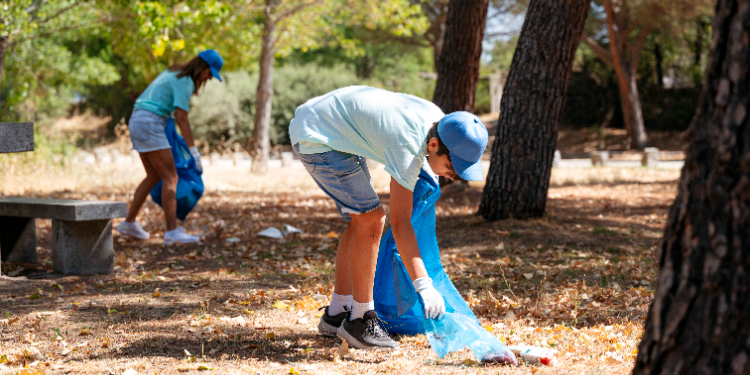
Moving to Mauritius does not make you part of local life overnight. Between work, family commitments and friendships within the expat community, it is easy to build a comfortable life without venturing far beyond your usual circle. Yet a growing number of newcomers appear keen to move beyond the expat bubble. Some join an association within their first few months, volunteer at a beach clean-up or look for a shelter, school or community group that could use their time and skills. From neighborhood events and environmental projects to volunteering and social media, opportunities to connect with local communities are becoming more visible and more accessible to those who want to play an active role in their new home.
You never really decide to do it, but you end up there almost without realizing it. You arrive in Mauritius, and the first friendly faces you meet are other expats: they recommend a neighborhood, a school, a doctor, and walk you through the administrative procedures. These networks are often a lifesaver in the first few months. But they also quietly close a bubble around you: a neighborhood popular with foreigners, remote work, an international school for the kids, and social circles that, without you ever meaning it, keep revolving around the same faces. There's nothing dramatic about it. Just a comfortable life, one that can go on for years without ever really connecting with the island you call home.
But this bubble seems more porous these days. More and more newcomers are actively trying to break out of it, and as early as possible: asking, right from the moment they settle in, which association to join, which club to attend, which local shop to support. Videos and reels, unsurprisingly, soon follow.
Breaking out of the expat bubble doesn't require some grand gesture, either. It starts with everyday choices: shopping at the local store instead of an international one, stopping by a neighborhood festival, joining an association, or simply staying curious enough to spend a couple of extra minutes chatting with someone you pass every day.
TikTok, Instagram, Facebook, YouTube: for many newcomers, these platforms have become the first point of contact with the island. People follow creators like Boun in Mauritius, or the British family behind The 4 Shorts, who film their daily life in Mauritius for an already sizeable community. Their videos reassure, inform, and offer addresses and ideas. If you want to know where to find the best local fresh fruit and vegetables, or where to buy traditional clothing for an event you've been invited to, that's where you'll find the answers. More and more, with the support of other expat content creators, they're also spreading the word about local associations, fundraisers, and causes, as if getting involved had become something to share rather than a solitary effort.
But one question remains open, and deserves an honest answer: does this content open a door to local life, or does it mostly show a Mauritius already tailored for other expats? There's no easy answer. It all depends on what you do with it: shining a light on a local small business, sharing a fundraiser, letting the people directly involved speak rather than putting yourself at the center of the story. Posting in the name of a cause isn't the same as committing to it. The difference lies in the long term, and in the space you leave, or don't, for those most directly affected.
Join the Mauritius community
Get regular tips and advice to make the most of your expat life
Getting your hands dirty and building connections
There's something wonderfully simple about volunteering: it puts you in touch with people you'd never otherwise cross paths with, whether at work or in your own street. Mauritian associations are noticing it too: more and more newcomers are showing up on their own initiative, without waiting to be invited, sometimes within their very first weeks on the island.
One Saturday morning in late August, a group of young people, locals and expats alike, meets up at Ile d'Ambre, on the northeast coast of the island. The goal: clearing the mangrove reserve of litter left by visitors, plastic bottles, beer cans, and other food and drink containers. A few weeks later, they do it again, this time heading south to Souffleur beach.
For a newcomer, mornings like these are the perfect way in: you contribute right away, with no long-term commitment, and often end up meeting, without even looking for it, an association that could become far more than a one-off encounter.
« Littering in Mauritius is a real problem! I went off exploring the island's less touristy spots with my new friend and local guide, Shek. After 14 months in Mauritius, we still think it's the most beautiful island in the world, full of amazing people. And yet, for reasons that are hard to fathom, rubbish gets dumped just about everywhere », writes Adam Short on his Facebook page. And he's not the only one. Many expat content creators are sounding the alarm and trying to contribute, in one way or another, to the cause.
But picking up litter isn't enough if nothing changes further upstream. Organizations like Zero Waste Mauritius and Mission Verte are working precisely on these everyday habits: fewer disposables, more composting, reuse, and sorting. In 2024 alone, Mission Verte collected around 47 tons of PET bottles, 4.6 tons of other plastics, 4.2 tons of aluminum cans, 122 tons of paper and cardboard, and 9.2 tons of e-waste. These figures remind us that getting involved sometimes starts at home, with what we throw away and the habits we repeat without a second thought.
Stray dogs often strike a chord with newcomers, and more and more are moving from feeling for these animals to doing something: some feed them, become foster families, or volunteer at a shelter, sometimes just a few weeks after arriving on the island. Beyond registered, recognized associations like Happy Tails Sanctuary & Adoption Center, many expats keep an eye on the streets in their neighborhood or region, especially on the west side of the island. Some even go so far as to take in stray puppies at home for a few days or weeks until a foster family can be found. Posts like these are everywhere on Facebook. Still, good intentions alone aren't enough, as reality makes clear. Feeding, caring for, and looking after animals, coordinating volunteers, finding adoptive families: all of this costs money, takes organization, and requires long-term thinking. For some, joining an already established organization matters more than trying to build everything from scratch.
I discovered another way to support a cause the day two friends invited me to their birthday party and mentioned they didn't want any gifts, except perhaps a donation to one of the stray dog associations they support. The gesture touched me, since getting involved doesn't always mean formal volunteering. It also struck me because, for some people, contributing to a cause, whether directly or indirectly, matters far more than any personal gain.
Living, rather than just residing
Getting involved in Mauritian society doesn't require founding an association, giving up every weekend, or documenting it all on social media. It can start as simply as knowing the name of your favorite roti vendor, stopping by a neighborhood event, supporting a local business, or showing up when an association calls for help.
It's not about proving yourself as an expat, but about gradually building a fairer relationship with the country you've chosen to call home. As you slowly step outside your bubble, you discover other realities, build more varied connections, and come to understand a little better the island around you.
This movement, it's clear, is no longer marginal. From one association to the next, from beach cleanups to dog shelters, the same pattern keeps emerging: new expats are getting involved earlier, faster, and in greater numbers than before.
A journalist, holder of the DALF C1 and C2 and a diploma from the University of Mauritius, I have nearly twenty years of writing experience. After six years in the Mauritian press, I joined Expat.com, where I have been working for over a decade, including five years as editorial assistant, and now as editorial manager.