

 Guide updated by Lama Al-Haqhaq on 24 November 2025
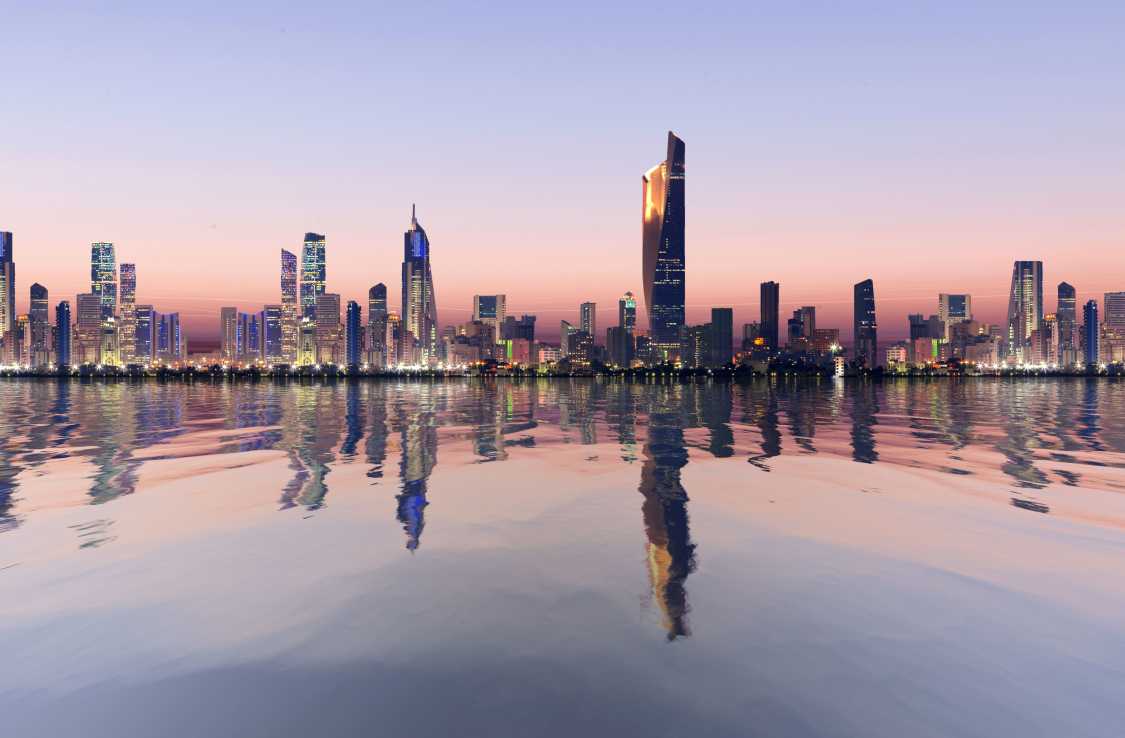
Situated in the northern part of the Arabian Peninsula, Kuwait is a small state made up of 9 islands and bordered by Iraq and Saudi Arabia. While the country’s economy is heavily dependent on oil, it is also focused on diversifying its future through services, finance, and modern infrastructure. For expatriates, Kuwait is attractive due to its safe environment, comfortable daily life, and a unique blend of Arab traditions and modernity.
The country has nearly 5 million inhabitants, two-thirds of whom are foreigners. Though the French community is relatively small, it is primarily based in Kuwait City, where international schools and French-speaking networks facilitate integration.
5 good reasons to choose Kuwait
- Major energy hub: A key player in the global oil market and offers opportunities for skilled engineers and managers.
- Secure living environment: Low crime rates and modern infrastructure.
- A bridge between tradition and modernity: Preserved Arab heritage alongside openness to international influences.
- Strategic position: Centrally located in the Gulf, with quick access to major regional capitals.
- Tax advantages: No income tax, making net salaries highly attractive.
The Expat.com guide is designed to help you prepare for your move to Kuwait under the best conditions. You will find all the essential information: visa, employment, housing, healthcare, daily life, schooling...
Official language: Arabic, but English is widely used | Local currency: Kuwaiti Dinar (KWD) | Time difference with France: +2 hours in winter, +3 hours in summer | Flight duration from Paris to Kuwait City: approximately 6h12 |
Your setup journey
Guide in 14 steps. Click any step below to jump directly to the section you need.
01Where to live in Kuwait?
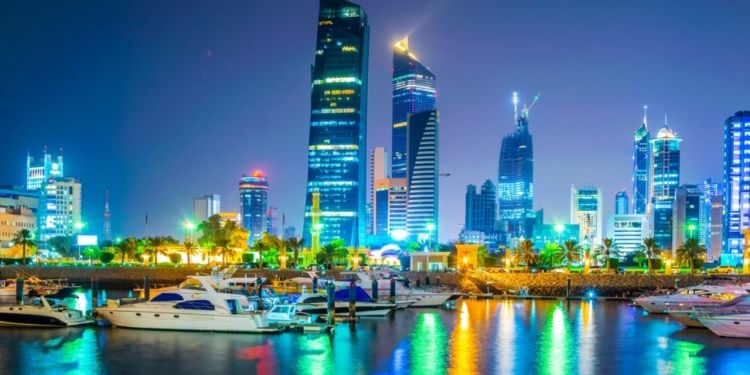
The vast majority of the population, whether Kuwaiti citizens or expatriates, resides in the bustling area of Kuwait City. As the capital, it is the heart of the country's economic, administrative, and residential life. In Kuwait, the challenge is less about choosing a city and more about selecting the neighborhood that best fits your needs. Depending on your priorities (such as proximity to your workplace, schools, budget...), several areas stand out. Here are some insights to help you find the neighborhood that suits your lifestyle:
- Salmiya and Bneid Al Qar: these lively and highly sought-after districts charm residents with their closeness to the sea, shopping centers, and a plethora of restaurants. Salmiya is particularly popular among young professionals and families looking for modern amenities.
- Hawally: known for its more affordable rents, this densely populated area features many apartment buildings. It's an attractive option for those wanting to remain close to the city center while keeping their budget in check.
- Jabriya and Salwa: these quiet residential neighborhoods are ideal for families. They offer spacious villas, a more tranquil environment, and proximity to international schools and healthcare facilities.
- Fintas and Mahboula: located a bit farther from the center, these areas provide competitive rents and a wide range of housing options, from budget-friendly apartments to spacious villas.
- Egaila and Abu Halifa: rapidly developing, these neighborhoods are increasingly appealing to expatriates due to their modern amenities, attractive rents, and direct access to beaches.
The capital thus contains the bulk of the rental offerings, with each neighborhood offering a different balance of price, comfort, and amenities.
02Formalities and visas in Kuwait
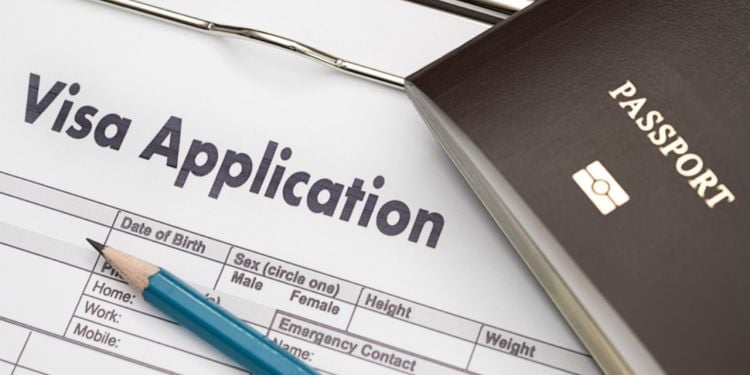
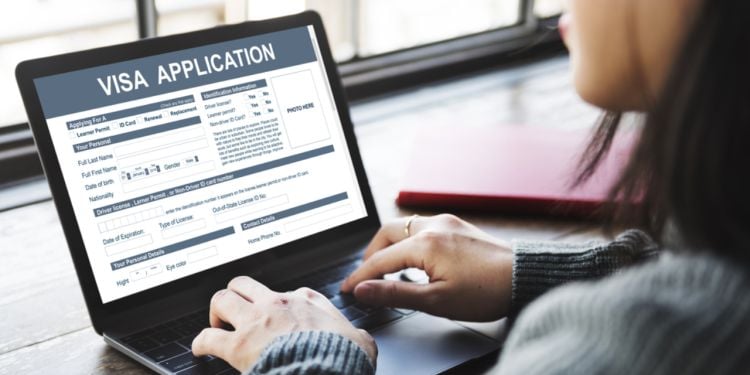
To enter Kuwait, you need a passport that is valid for at least six months from your date of arrival. Depending on the length of your stay, the requirements vary: you can apply for short-term visas (for tourism, business, or family visits) online, which allow you to stay for up to 90 days. For a more permanent move, a residence visa (known as Iqama) is required. This is issued under the sponsorship of an employer or a family member. Once you have obtained this visa, you must apply for a Civil ID within 30 days. This is a mandatory local ID card needed for all administrative procedures, such as housing, opening a bank account, and accessing health services. Your first point of contact for updated information and consular assistance should be the French Embassy in Kuwait.
💡 Helpful tips
- Start your application process several weeks or months in advance: the processing time for a residence visa can be lengthy, especially during busy seasons like summer or Ramadan.
- Opt for the official e-Visa for short-term stays (avoid private intermediaries). You will need a local address in Kuwait for your application; a hotel or temporary accommodation booking is sufficient.
- For your Iqama, be prepared: some documents (such as civil status certificates and diplomas) may need to be translated and legalized in Arabic or English.
- After obtaining your residence visa, apply for your Civil ID within 30 days: this ID will be necessary for housing, bank account setups, and accessing various services.
- Keep track of important deadlines (visa, Iqama, Civil ID): overstaying can incur fines and complicate future applications.

Join the discussion on the forum
03Working in Kuwait
The job market in Kuwait is primarily driven by the oil sector, but the country is diversifying into finance, construction, healthcare, and education. Most expats find opportunities in the private sector, where English is frequently used, while Arabic remains crucial for jobs in the public sector. Additionally, the "Kuwaitization" policy restricts the access of foreigners to certain administrative and strategic professions. Starting a business is possible, but highly regulated: the law requires a majority Kuwaiti partner, which limits the independence of foreign investors.
In-demand profiles:
- Engineers and specialists in the oil and gas sectors
- Finance and investment banking professionals
- Doctors, nurses, and paramedical staff
- Teachers, particularly in international schools
- Civil engineers, architects, and project managers in construction
💡 Key points to remember
- The job market is competitive: experience and English skills are often essential.
- Taxation is very favorable: there is no income tax for individuals.
- Employment contracts often include benefits (housing, transportation, flight tickets, health insurance).
- The "Kuwaitization" policy reserves certain jobs for nationals, especially in administration.
Unemployment rate: approximately 2.1% | Legal working hours: 48 hours per week | Minimum wage: 75 KWD/month (approximately 240 €) | Income tax: No income tax | Corporate tax: 15% (excluding free zones and multinational oil companies), no VAT |
Discover more

04Accommodation in Kuwait
Renting is the most common solution for expatriates in Kuwait. Rental prices can vary significantly depending on the area and the type of property: a one-bedroom apartment typically costs between 300 and 800 KWD/month (approximately 900 to 2,400 euros), while a family villa can exceed 1,500 KWD/month (around 4,500 euros). Lease agreements are usually made for one year, requiring a security deposit equivalent to one or two months' rent.
It's essential to check whether the accommodation is furnished or not: furnished apartments often include essential appliances and furniture, whereas an unfurnished property may be completely bare, sometimes even lacking a fitted kitchen. Utility bills (electricity, water, air conditioning) are generally low thanks to subsidies, but are rarely included in the rent.
Recently, purchasing property has become possible for foreigners, but only under strict conditions. In practice, this option remains rare and highly regulated, with most expatriates continuing to prefer renting.
Discover more
Join the discussion on the forum
05Cost of living in Kuwait
The cost of living in Kuwait is on average 30% to 35% lower than that of France, which can offer a higher purchasing power depending on consumer habits. However, there are significant disparities across different expense categories: housing and international schooling represent a considerable budget, while food, services, and restaurants are noticeably more affordable than in Europe. Depending on your lifestyle and the type of accommodation you choose, monthly expenses can vary significantly. For a single person, expect to spend between 450 to 1,200 KWD (approximately 1,500 to 3,600 €). For a family of four (excluding school fees), budget around 1,200 to 2,250 KWD (roughly 4,000 to 7,500 €).
Here are some estimated monthly costs to give you a clearer picture of life in Kuwait:
For a single person | For a family of 4 | |
Food | 150 to 250 KWD (≈ 450 to 750 €) | 450 to 800 KWD (≈ 1,350 to 2,400 €) |
Utilities (water, electricity, internet, telephone...) | 40 to 80 KWD (≈ 120 to 240 €) | 80 to 150 KWD (≈ 240 to 450 €) |
Healthcare (excluding insurance) | 15 to 40 KWD (≈ 45 to 120 €) | 60 to 120 KWD (≈ 180 to 360 €) |
Leisure & outings | 40 to 120 KWD (≈ 120 to 360 €) | 120 to 300 KWD (≈ 360 to 900 €) |
Education (if you have children) | / | 250 to 700 KWD (≈ 750 to 2,100 €) per month per child |
Rent | 300 to 800 KWD (≈ 900 to 2,400 €) for a one-bedroom apartment in the city | 1,200 to 1,500 KWD (≈ 3,600 to 4,500 €) for a family villa |
Transportation | 30 to 70 KWD (≈ 90 to 210 €) | 100 to 200 KWD (≈ 300 to 600 €) |
Subscriptions (gym, clubs, streaming platforms...) | 10 to 30 KWD (≈ 30 to 90 €) | 40 to 100 KWD (≈ 120 to 300 €) |
Imported goods (organic, cheese, wine...) | 20 to 60 KWD (≈ 60 to 180 €) | 80 to 200 KWD (≈ 240 to 600 €) |
Domestic help (common for families in Kuwait) | / | 120 to 200 KWD (≈ 360 to 600 €) |
Income tax | 0% - no income tax | 0% - no income tax |
Join the discussion on the forum
06Health care in Kuwait
The healthcare system in Kuwait is modern and well-organized. It consists of two sectors:
- Public sector: This is managed by the Ministry of Health (MOH) and is accessible to residents who hold a residence visa and a health insurance card (approximately 50 KWD/year, or 150 €). Basic healthcare services are free, but wait times to see a specialist can be quite long. Some services, such as dental care and maternity services, are partially excluded from the public system. A medical consultation in the public sector typically costs around 2 KWD (about 6 €). A normal delivery costs around 100 KWD (~300 €), while a cesarean section is about 150 KWD (~450 €), with additional hospital fees ranging from 50 to 100 KWD (~150 to 300 €) per night.
- Private sector: More efficient and better equipped, the private sector attracts the majority of expatriates. A medical consultation here generally costs between 10 and 30 KWD (~30 to 90 €), depending on the specialty. A normal delivery costs between 400 and 800 KWD (~1,200 to 2,400 €), with a cesarean section costing between 800 and 1,500 KWD (~2,400 to 4,500 €), plus 80 to 120 KWD (~240 to 360 €) per night for hospitalization. Therefore, having private health insurance is highly recommended: it is often included in the employment contract, but be sure to check for exclusions (maternity, dental care, etc.).
💡 Important to know
- A health insurance policy is mandatory for expatriates holding a residence visa.
- In practice, expatriates primarily use the public sector in emergencies or for vaccinations.
- The emergency number in Kuwait is 112 (ambulance, police, fire services).
- A comprehensive medical examination (covering Hepatitis B/C, tuberculosis, syphilis, etc.) is required to obtain a residence visa.
- There are numerous pharmacies, and prices are regulated by the Ministry of Health.
- Some medications (narcotics, sleeping pills, and pork derivatives) are prohibited for import.
- Healthcare is primarily provided by doctors who are trained internationally, and most speak English.
Discover more

07Finance and banks in Kuwait
The Kuwaiti banking system is modern and well-regulated by the Central Bank of Kuwait (CBK). Payment methods such as KNET (Kuwait's national payment system) and cards are widely accepted, while transfers leverage the IBAN network. There is no personal income tax in Kuwait, and currently, no VAT applies (discussions are ongoing, but no implementation has occurred). To open an account, you will need a valid residency visa (Iqama) and a Civil ID. 
💡 Our tips
- Open a local account as soon as you receive your Civil ID: most banks require it, and your employer can assist with the process.
- Choose a bank familiar with expatriates (such as NBK, Gulf Bank, Burgan, KFH...) and check the minimum deposit/balance and fees (for cards, transfers).
- Use KNET (Kuwait's national payment system) for everyday transactions and compare the costs of international transfers (banks vs. specialist services): fees for KWD to EUR may vary significantly. 
- Plan for outgoing transfers: the Kuwaiti dinar is stable (pegged to a basket of currencies), and the CBK systems (KASSIP/KNPS) ensure fast settlements, but fees/limits can differ depending on the bank. 
- Taxation: There is no income tax in Kuwait, but consider the regulations of your home country and relevant tax treaties. The tax treaty between France and Kuwait helps to avoid double taxation.


Join the discussion on the forum
08Retiring in Kuwait
Kuwait might not be a typical retirement destination, but some expatriates choose to settle here after their careers, attracted by its sunny climate, high security levels, and favorable tax environment. The country boasts a modern lifestyle, with quality medical facilities and a well-established expatriate community. However, there is no specific retirement visa; you will need to maintain another residency status, which can be obtained through property investment or a family visa.
3 major advantages
- Efficient healthcare system: modern infrastructure, numerous private hospitals, and easy access to specialized care.
- Safe and comfortable living: stable environment, quality services, and warm weather year-round.
- Tax benefits: no income tax, and foreign pensions are not taxed locally.
🔍 Things to know
- The legal retirement age in Kuwait is set at 55 years for men and 50 years for women for citizens, provided they have made contributions. For expatriates, there is no local retirement scheme: they can remain or work according to the conditions of their visa or residency permit.
- There is no dedicated retirement visa available in Kuwait. To reside here after your career, you must have another residency status.
- The cost of living is approximately 30% lower than in France, but certain expenses, such as housing or private health insurance, can significantly impact your budget.
- For a comfortable lifestyle in Kuwait City for a retired person, expect to budget around 700 to 1,200 KWD (approximately 2,100 to 3,600 €) depending on lifestyle choices and housing type.
09Studying in Kuwait
Kuwait might not be the first place that comes to mind when considering studying abroad. However, the country boasts a rapidly growing higher education sector, featuring well-known public and private universities that offer programs in both English and Arabic. There are about fifteen institutions, including Kuwait University (the oldest and most prestigious), Abdullah Al Salem University (focused on research and new technologies), along with recognized private institutions such as the American University of Kuwait (AUK), the American University of the Middle East (AUM), and Gulf University for Science and Technology (GUST).
Why study in Kuwait?
The universities offer a diverse range of courses in sciences, engineering, business, health, and social sciences. The medium of instruction is often English, making it easier for international students to access. Tuition fees can vary significantly: expect to pay between 2,500 and 5,000 KWD/year (approximately 7,500 to 15,000 €) for humanities or management programs, and up to 8,000 to 10,000 KWD/year (approximately 24,000 to 30,000 €) for the more expensive fields such as medicine and engineering.
💡 Our tips
- Check the language of instruction and prepare the required certificates (like TOEFL, IELTS), which are often needed for admission. Some universities also conduct their own internal tests.
- Plan for your student visa: this can only be applied for after being admitted to a Kuwaiti university, which will then submit the visa request to the relevant authorities.
- Budget for housing: few universities offer dormitories, so shared housing or private rentals are the most common solutions.
- Research the recognition of your diplomas in France if you plan to return home after your studies.
Discover more

10Education and schools in Kuwait
The educational system in Kuwait has evolved to meet the needs of a diverse population of both citizens and expatriates. School is compulsory from the age of 6, primarily taught in Arabic, with English as a secondlanguage starting from primary school. The country boasts a wide range of educational institutions, including many private and international schools attended by the majority of expatriate families.
Types of schools:
- Local Schools: Public schools are free for Kuwaiti citizens and provide an education in Arabic following the national curriculum. Expatriate children can only be admitted in exceptional cases (for parents employed by the Ministry of Education or Health). There are also local private schools available.
- French School: The Lycée Français de Koweït, accredited by AEFE, accepts students from kindergarten to high school. This multicultural institution serves over 1,200 students from 36 nationalities and follows the French curriculum with an emphasis on English. Tuition fees are approximately 1,976 KWD (around €5,900) for kindergarten and up to 3,618 KWD (around €10,800) for high school.
- International Schools: Predominantly located in Kuwait City, these schools offer education in English and follow British, American, or IB curricula. Notable institutions include the British School of Kuwait, American International School, and Al-Bayan Bilingual School. Tuition fees typically range from 2,500 to 5,000 KWD per year (approximately €7,500 to €15,000).
💡 Practical tips
- Plan for Enrollment: Waiting lists are common at international schools.
- Check the Admission Requirements: Some schools may require an English test or an interview.
- Prepare the Necessary Documents: Passport, residence visa, vaccination records, and school reports are required.
- Budget for Additional Expenses: Consider costs for uniforms, transportation, and extracurricular activities.
Discover more

11Moving to Kuwait
A move to Kuwait requires thorough preparation. With customs regulations, the transport of your belongings, and administrative procedures, it’s vital to plan every step to avoid delays upon arrival.
- Compare quotes from international moving companies: ensure they are knowledgeable about Kuwaiti regulations and that they include insurance and customs clearance in their services.
- Prepare a detailed inventory of your belongings: this list is generally required by customs. Used personal items are often exempt from customs duties, but new, electronic, or luxury goods may be subject to a 5% tax.
- Some items are prohibited for import: these include alcohol, firearms, products containing pork, certain publications, and certain medications.
- Gather your essential documents (passport, visa, employment contract, marriage certificate, international driving permit, health documents). Translations in English or Arabic may be required depending on the type of document.
- Kuwait operates on 240 V / 50 Hz, with type G plugs (UK). A converter is therefore necessary.
- If you are traveling with a pet, several arrangements are necessary (obtaining an import permit, mandatory microchip, up-to-date vaccinations...). To facilitate the requirements with veterinarians and local authorities, it’s recommended to contact a specialized agency. If in doubt, don’t hesitate to reach out to the French Embassy in Kuwait.
Discover more

Join the discussion on the forum
12Everyday life in Kuwait
Life in Kuwait is influenced by the local culture, blended with very urban lifestyle habits. English is widely spoken, making it easier for expats to integrate, who make up the majority of the population in the country.
Important notes:
- Kuwait is considered one of the safest places in the world.
- Alcohol and pork are prohibited, and modest dress is appreciated, especially during Ramadan.
- The workweek runs from Sunday to Thursday; during Ramadan, working hours are shortened.
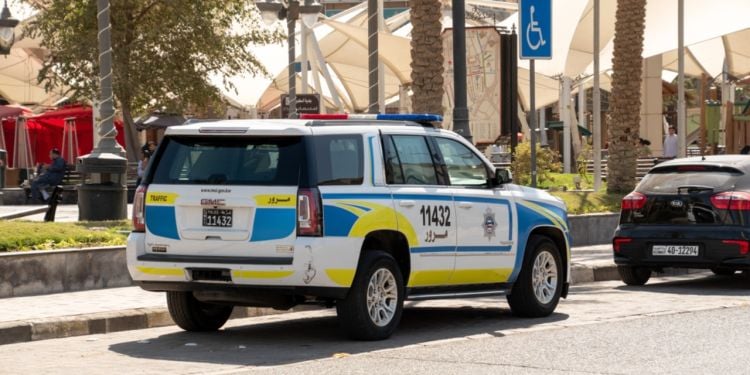
- Public transport mainly consists of buses; most residents use cars or ride-hailing apps like Careem and Uber.
- The summer heat (often exceeding 40°C) encourages indoor activities during the summer (shopping malls, restaurants, and sports clubs).
- Telephone and internet services are reliable (4G/5G) and well-covered across the territory. Fiber is available in urban areas, providing stable high-speed internet suitable for remote work and streaming; mobile plans start from around 5 KWD/month (~15 €) and home internet subscriptions cost on average around 15 to 30 KWD/month (~45 to 90 €).
- Card payments and KNET are widely accepted.
Discover more
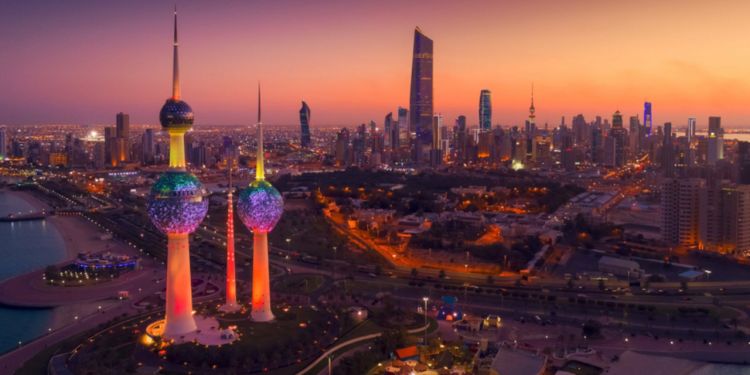



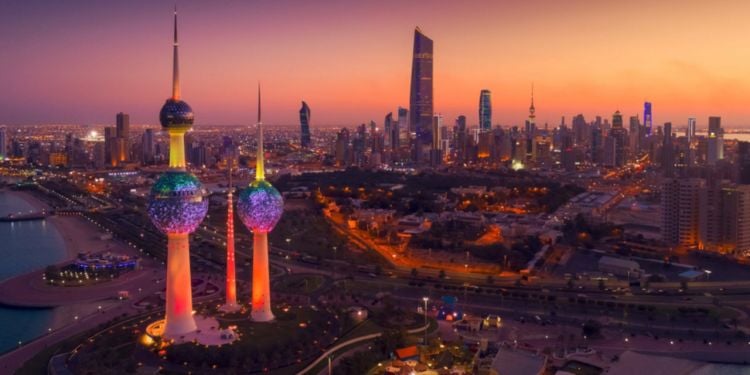


13Leisure in Kuwait
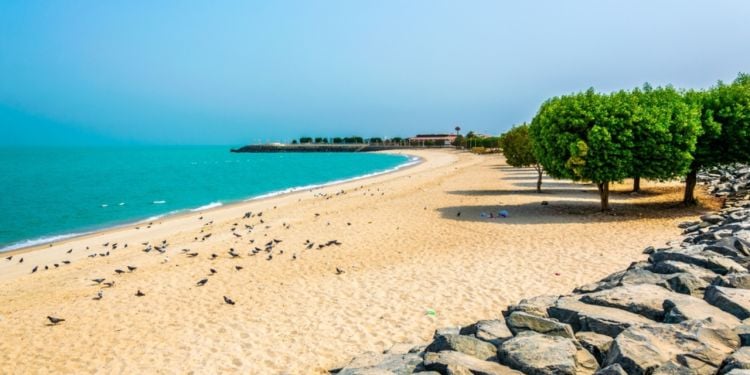
Kuwait offers a vibrant lifestyle that combines leisure, sports, and relaxation. With its coastline, deserts, and bustling urban centers, expatriates will find plenty of activities to keep them engaged daily. Leisure activities include: water sports (jet-skiing, sailing, boat outings...), fitness, yoga, crossfit, desert hikes and "kashtas" (traditional outings in the desert), as well as museums and art galleries like AlSadu House and Contemporary Art Platform. Shopping is also a big draw at modern malls such as The Avenues and 360 Mall, where you can discover a diverse culinary scene.
Must-see experiences:
- Kashtas in the desert, a local winter tradition. Gather with family or friends to set up tents, chairs, lamps, and sometimes a barbecue. You cook, chat, smoke shisha, and some enjoy dune buggy or quad riding in the sands.
- Al Shaheed Park, a lovely spot for walks and cultural events.
- The Qout Market, a very popular artisan and farmers' market.
Discover more
Join the discussion on the forum
14Key points to remember
Prepare for your administrative processes: residency visa, Civil ID, health insurance, international driving permit...
Take the time to check out our practical articles, especially those on housing, employment, taxation, and education in Kuwait.
Feel free to ask your questions on the Kuwait forum, where the expat community shares advice and real-life experiences.
To integrate well, stay open to local traditions while enjoying the Kuwaiti lifestyle, characterized by safety, family life, and the balance between modernity and Arab culture.
Relocating to Kuwait means choosing a stable, welcoming country full of professional and personal opportunities. To ensure your project is successful, thorough preparation is essential. We hope this Expat.com guide has given you the necessary tools to organize your move and fully enjoy your new life in Kuwait.
Join the Kuwait community
Get regular tips and advice to make the most of your expat life
Essential services for your expat journey





Forum topics on living in Kuwait
Discover forums topics on expat life in Kuwait: join the conversation, ask your questions, get advice and share your experience.