

 Guide updated by Veedushi Bissessur on 28 October 2025
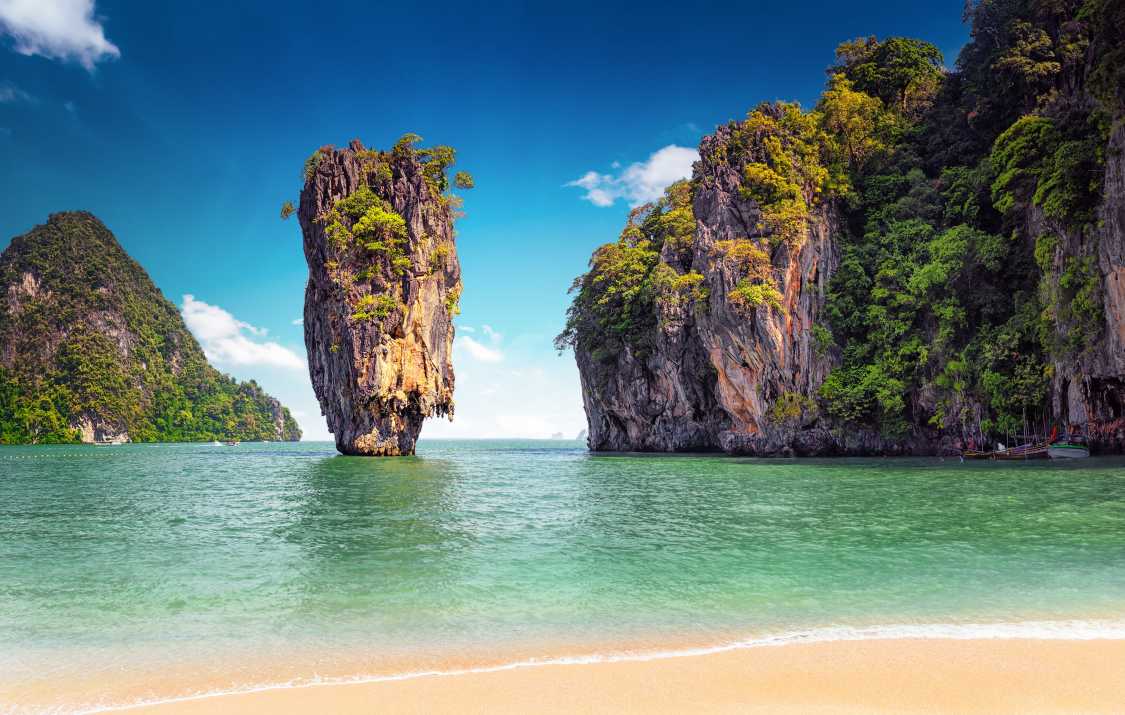
Thailand is a country of contrasts. It offers tropical beaches, mountainous regions, vibrant cities, and traditional villages. For expats, the cost of living is lower than in Western countries, yet Thailand offers modern amenities, reliable internet, good private health care, and a range of housing options. Moving to one of Southeast Asia's most popular expat destinations means adapting to a new culture, climate, and pace of life, but you'll enjoy a comfortable lifestyle at an affordable price.
5 good reasons to move to Thailand
Lower overall cost of living, with housing, food, transport, and other services often cheaper than in Europe, North America, or Australia.
Modern, affordable private health care in major cities, with internationally accredited hospitals.
Strong transport connections: Bangkok is a regional hub, with easy domestic travel by air, bus, and train.
Well-established expat communities offering social networks, language schools, international services, and support.
Diverse climates and environments — from tropical islands to cooler northern mountains mean varied lifestyle options.
Your setup journey
Guide in 14 steps. Click any step below to jump directly to the section you need.
01Where to live in Thailand
You'll find significant differences in cost, climate, amenities, and lifestyle depending on where you live in Thailand.
Bangkok and other large cities, such as Chiang Mai, offer international schools, private hospitals, diverse food options, and strong transport links.
Smaller regional cities or towns may offer a quieter pace, lower costs, and a more relaxed way of life, but fewer international services.
Coastal and island areas offer a beach lifestyle and tourism infrastructure but may be more seasonal, with price fluctuations and fewer year-round amenities.
Explore our city guides
02Formalities and visas in Thailand
To live, work, or study in Thailand, expats must obtain the appropriate visa. Thailand offers several visa types depending on your purpose of stay, whether it's work, education, retirement, or family reasons. Understanding the correct visa category is essential for compliance with Thai immigration laws.
Main visa types for expats include:
- Business/work: for foreigners working or conducting business in Thailand
- Education: for students enrolled in Thai educational institutions or training courses.
- Non-immigrant (other): for retirees, volunteers, dependents of Thai residents, or people visiting family.
- Long-term retirement: for retirees over 50 seeking a long-term stay.
- Tourist visa: short-term stay for tourism; cannot be used for work or long-term residence.
- Visa on arrival: mainly for tourism and allows stays of 15–30 days for citizens of certain countries.



Join the discussion on the forum
03Working in Thailand
If you want to work or run a business in Thailand, you need to understand the legal, economic, and cultural environment. When looking for work in the Kingdom, specific sectors are more open to hiring foreigners.
These include:
- Tourism
- Education (especially English teaching)
- Technology/digital services
- Health and wellness
- Finance and fintech
- Renewable energy/sustainability/environmental management.
And if you're an expat looking to start a business in Thailand, the Board of Investment is a great place to begin your research.
Tips for expats:
- Choose a business structure – most expats form a Thai Limited Company
- Register the company – submit the required documents to the Department of Business Development (DBD)
- Obtain a tax ID and open a bank account – register with the Revenue Department and open a corporate bank account.
- Apply for work permits and visas – foreign owners/employees need the correct visa and work permit to operate legally.
Key employment facts and figures
Unemployment rate (Q1 2025): | 0.88% |
Ease of starting a business: | Thailand ranks 21st globally in the World Bank's Ease of Doing Business Index |
Most in-demand jobs for expats: | Software developers (web, mobile, backend), cybersecurity experts, marketing and brand managers, teachers in international schools, hospitality and tourism managers |
Data correct as of October 2025
Source: Staffing Industry Analysts




04Accommodation in Thailand
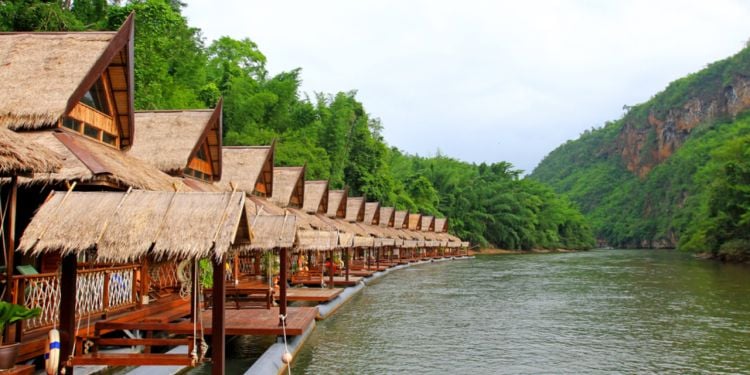
Expats in Thailand can find a wide range of housing options to suit different lifestyles and budgets. The property market is well developed, especially in larger cities and popular resort areas. Rental prices remain affordable by Western standards, and most expats prefer renting rather than buying, as foreign ownership of land is restricted. Apartments and condominiums are widely available in urban centers, while houses and villas are typical in suburban or coastal locations. Furnished rentals are easy to find, and leases are typically flexible, ranging from short-term monthly contracts to year-long agreements.
Types of accommodation in Thailand
Bangkok: modern condominiums, serviced apartments, high-rise studios near city center; larger family houses in suburbs
Chiang Mai: affordable apartments and small houses near the Old City; larger detached homes or pool villas in suburban areas
Pattaya: seaside condos, serviced apartments, and pool villas; gated communities catering to retirees and long-term residents.
Phuket: beachfront villas, modern condos, and serviced apartments; long-term rentals popular with digital nomads and retirees.
Hua Hin: townhouses, condominiums, and private villas near the coast; quiet residential areas ideal for retirees.
Isan and Northern provinces: detached homes and local-style houses offering very low rent and a slower pace of life, suitable for long-term residents seeking immersion in Thai culture.

Join the discussion on the forum
05Cost of living in Thailand
The cost of living in Thailand is generally lower than in Western countries, though it varies by city and lifestyle. Bangkok and Phuket are more expensive than regional towns or rural areas, while northern cities like Chiang Mai offer a balance of affordability and amenities.
Suburban or smaller-town living is significantly cheaper, with lower rents and reduced daily expenses. While costs are generally manageable, international schools, imported goods, and private healthcare can increase monthly spending.
Monthly expenses | Single expat | Family of four |
Rent (city center) | 1 bedroom: THB 15,000 (USD 405) | 3 bedroom THB 40,000–60,000 (USD 1,080–1,620) |
Rent (suburbs) | 1 bedroom: THB 8,000–10,000 (USD 216–270) | 3 bedroom: THB 25,000–40,000 (USD 675–1,080) |
Utilities (electricity, water, gas, Internet) | THB 3,000–4,000 (USD 81–108) | THB 8,000–12,000 (USD 216–324) |
Groceries | THB 8,000 (USD 216) | THB 25,000–35,000 (USD 675–945) |
Transportation (car, fuel, public transport) | THB 2,000–3,000 (USD 54–81) | THB 6,000–10,000 (USD 162–270) |
Dining out and entertainment | THB 5,000 (USD 135) | THB 15,000–25,000 (USD 405–675) |
Data correct as of October 2025
Source: Numbeo
Join the discussion on the forum
06Health care in Thailand
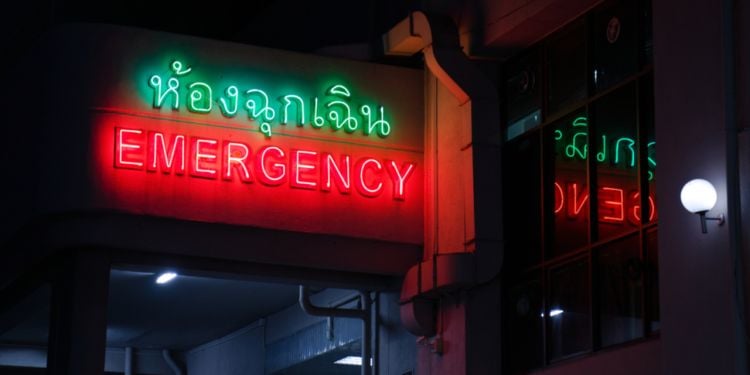
Thailand's health care system is among the most advanced in Southeast Asia, offering modern facilities and skilled medical professionals. The country has a dual system made up of public and private hospitals. Public hospitals are generally affordable but may have longer waiting times, while private hospitals—especially in Bangkok, Chiang Mai, and Phuket—offer high-quality care, often at a fraction of Western prices.
Expats are not automatically covered by Thailand's Universal Coverage Scheme (UCS), which primarily serves Thai citizens. However, those working legally in Thailand and contributing to the Social Security Fund are entitled to basic medical services under the government's social protection program.
Most expatriates choose to take out private health insurance to access private hospitals, which provide English-speaking doctors and faster service. International insurers and local providers offer a range of plans, from basic hospital coverage to comprehensive global health plans.
Preventive care and wellness services are widely available, and Thailand is a regional leader in medical tourism, with internationally accredited hospitals offering affordable treatments in areas such as dental care, cosmetic surgery, and preventive health screenings.
Discover more



07Finance and banks in Thailand
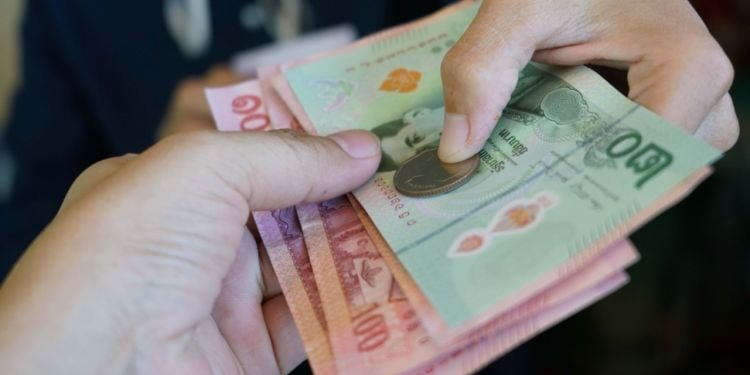
Managing your finances is an essential part of relocating to Thailand, and the country offers a modern banking system and straightforward procedures. ATMs are widely available throughout Thailand, but charge small withdrawal fees for foreign cards. And when it comes to doing your banking, mobile banking apps are commonly used for payments and transfers.
Key information
Most expats can open a bank account once they have a valid visa and a Thai address.
Major banks offering expat-friendly services include Bangkok Bank, KBank, and Siam Commercial Bank (SCB).
Requirements for opening an account vary by bank, but typically include passport, Thai visa or work permit, proof of address.
Paying taxes in Thailand
- Expats working in Thailand are subject to Thai income tax on earnings from Thai sources.
- Personal income tax rates are progressive, ranging from 0% to 35% tax paid depending on your income level.
- You are considered a tax resident if you stay in Thailand for 180 days or more in a calendar year.
- Thailand has double taxation agreements with many countries to prevent paying tax twice.
- Income tax returns are filed annually through the Revenue Department.


08Retiring in Thailand
Thailand is a popular retirement destination for foreigners, thanks to its warm climate, affordable living, and welcoming expat communities. Most expats retire to cities and regions that offer a combination of good health care, amenities, and lifestyle: Chiang Mai for a cooler northern climate and quiet pace; Hua Hin and Prachuap Khiri Khan for coastal living near Bangkok; Phuket and Koh Samui for beach and resort lifestyles; and Bangkok for urban conveniences and medical access.
Important to note:
- Minimum age requirement: 50+
- Proof of funds: bank account or pension income
- Health insurance is required for long-term visas
- Popular expat nationalities: US, UK, Australia, Germany, France
- Retirement communities and social clubs are available in most major expat hubs
Join the discussion on the forum
09Studying in Thailand
Thailand offers a wide range of study options for international students, from undergraduate and postgraduate degrees to short-term exchange and language programs. Universities in Thailand include both public and private institutions, and the country is known for its mix of modern education standards, affordable tuition, and a welcoming atmosphere for students from across Asia and beyond.
Key Information for international students:
Students can choose from degrees in business, engineering, medicine, technology, and hospitality, or vocational training programs at technical colleges.
Leading universities offer English language programs and international exchange partnerships, and include:
- Chulalongkorn University
- Mahidol University
- Thammasat University
- Chiang Mai University
- Kasetsart University
Discover more
10Education and schools in Thailand
Expats moving to Thailand with children have several schooling options. The most common choice for foreign families is international schools, which often follow British, American, Australian, or International Baccalaureate (IB) curricula. These schools typically provide instruction in English and have facilities comparable to those in Western countries. Local Thai schools are also an option, though instruction is primarily in Thai and the curriculum has a more national focus.
The Thai school year starts in mid-May and runs until early March, and while fees vary, international schools in Bangkok and major tourist destinations tend to be significantly higher than in regional cities.
Discover more

11Planning your move to Thailand
Relocating to Thailand can be a smooth process with the proper preparation. Before the move, it's important to research visa options, employment opportunities, and housing. Many expats start by securing a job or long-term visa, such as a retirement or business visa, before entering the country. Hiring an international moving company simplifies logistics — they can manage customs, shipping, and storage of household items. It's also advisable to compare quotes and confirm whether the company provides door-to-door delivery and insurance for personal belongings.
Once in Thailand, securing accommodation is usually straightforward, and you should also plan for practicalities such as setting up bank accounts, health insurance, and mobile phone services soon after arrival. Taking time to learn basic Thai phrases and understanding local customs can make settling in easier and help new arrivals integrate smoothly into everyday life.


12Everyday life in Thailand
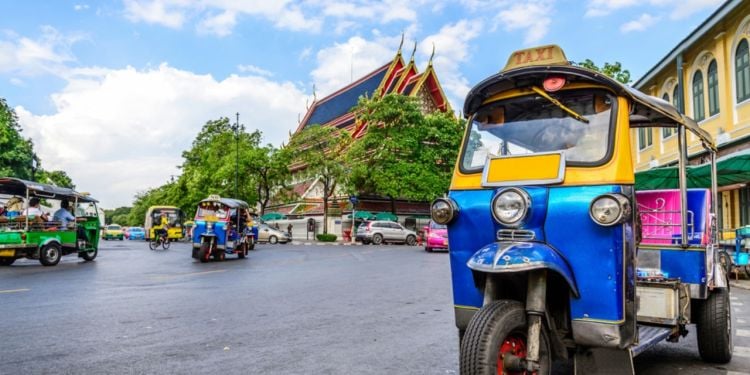
Daily life in Thailand is shaped by its culture, climate, and social norms. The country is generally safe for foreigners, though petty crime exists in tourist-heavy areas, so usual precautions are recommended. Traffic in cities can be hectic, and public transport varies in quality: Bangkok has a well-developed BTS (Skytrain) and MRT (subway) network, while other regions rely on buses or motorbike taxis. Buses, riverboats, and taxis are also popular modes of transport.
It is important to observe local customs in Thailand. Respecting the monarchy, dressing modestly in temples, and never touching a person's head are cultural norms. Thai food and markets are central to daily life, and festivals and holidays are widely celebrated. Expats often enjoy a mix of local and Western conveniences, from shopping malls and international restaurants to traditional markets and street food stalls.





Join the discussion on the forum
13Leisure in Thailand
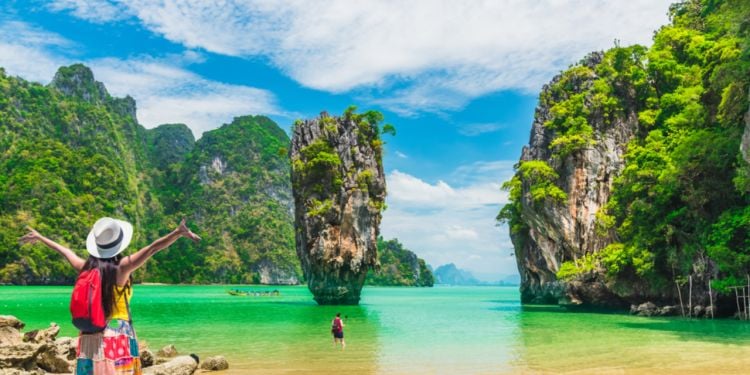
If you're living in Thailand as an expat, there's no shortage of things to do — from soaking in gorgeous landscapes to diving into lively cultural scenes. Outdoors lovers can spend weekends trekking through jungle trails or lounging on tropical beaches. At the same time, city-dwellers have virtually unlimited options for nightlife, fine dining, and relaxed evenings in rooftop bars.
At the same time, staying active is easy thanks to Thailand's adventure and sports culture — whether it's rock climbing along limestone cliffs, scuba diving among coral reefs, or playing indoor football in Bangkok.
Here are some popular activities in Thailand you might want to try:
• Snorkeling or scuba diving around the islands — vivid marine life and clear water aplenty.
• Rock climbing or hiking in northern jungles or coastal cliffs at places like Railay Beach in Krabi — ideal for nature-seeking weekends.
• Learning a new skill, such as Muay Thai or Thai massage, is a great way to engage with local culture and meet people.
• Participating in indoor or team sports — football, paintball, or even skydiving for an adrenaline kick.
• Exploring cultural festivals like Songkran and Loi Krathong — a great way to experience Thailand's traditions and connect with the local community.

Join the discussion on the forum
14Outro
Thailand offers a vibrant mix of opportunity, culture, and lifestyle that appeals to expatriates from around the world. From bustling Bangkok to serene northern mountains and tropical islands, the country provides diverse living options for singles, families, and retirees. Expats benefit from a lower cost of living, modern health care, quality international schools, and a welcoming community. With career opportunities in key sectors, options to start a business, and accessible long-term visas, settling in is straightforward for those who plan ahead. Efficient transport, warm climate, and rich leisure and cultural experiences make everyday life in Thailand enjoyable, while proper planning around housing, banking, and taxes ensures a smooth, rewarding expat experience.
Join the Thailand community
Get regular tips and advice to make the most of your expat life
Essential services for your expat journey







Forum topics on living in Thailand
Discover forums topics on expat life in Thailand: join the conversation, ask your questions, get advice and share your experience.