

 Guide updated by Leyla R on 31 July 2026
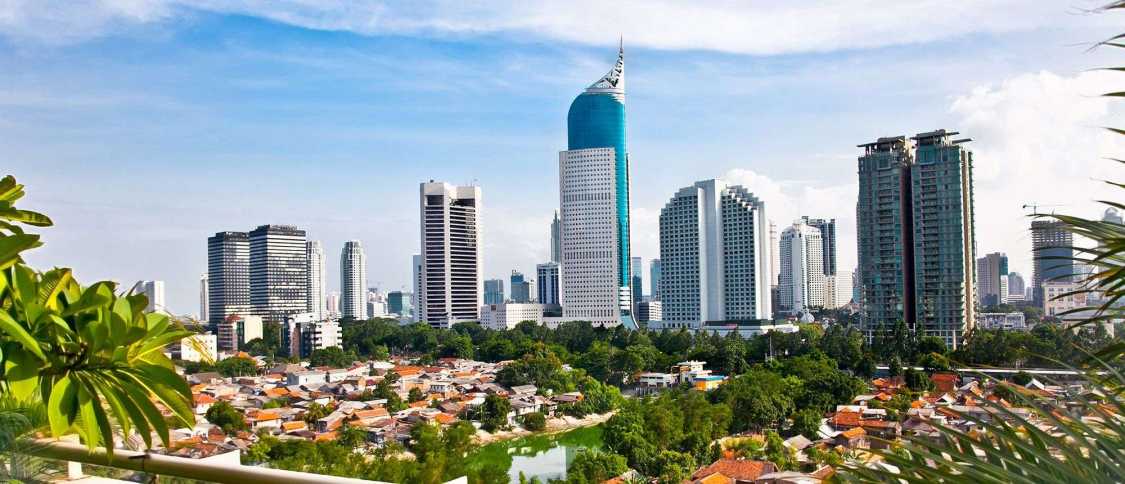
Jakarta is Indonesia's capital and largest city, home to about 11.84 million people within DKI Jakarta and roughly 33-35 million across the Jabodetabek metropolitan area, making it one of the five largest urban agglomerations in the world. Sitting on the northwest coast of Java, the city generates around 35-40% of Indonesia's GDP and hosts the headquarters of Bank Indonesia, the Indonesia Stock Exchange, the ASEAN Secretariat and more than 120 embassies. Although the government is gradually transferring administrative functions to the new capital, Nusantara, in East Kalimantan, experts agree Jakarta will remain the country's economic and financial centre indefinitely. The climate is tropical monsoon, with two seasons and high humidity year-round.
5 good reasons to move to Jakarta
- Career hub of Southeast Asia: more than 800 multinational companies operate from Jakarta, with strong demand for talent in banking, energy, FMCG, tech and consulting.
- Affordable for a regional capital: rents and daily costs are far below Singapore, Hong Kong or Tokyo for a comparable lifestyle.
- Top-tier international schools: Jakarta hosts more than 20 international schools, including the renowned Jakarta Intercultural School (JIS).
- Regional air hub: Soekarno-Hatta International Airport connects to Singapore, Bangkok, Tokyo, Sydney, Dubai and beyond, with Bali only a 90-minute flight away.
- Cultural diversity: more than 40 ethnic groups and a wide international community shape a rich food and social scene.
Your setup journey
Guide in 9 steps. Click any step below to jump directly to the section you need.
01Working in Jakarta: opportunities in Indonesia's economic engine
Jakarta concentrates Indonesia's corporate, financial and diplomatic activity. Most foreign professionals arrive on a Working KITAS (E23) sponsored by a local company (PT) or a foreign-owned PT PMA, with validity from 6 months to 2 years and automatic tax residency after 183 days.
Key industries hiring expats
The strongest sectors are banking and finance (Bank Mandiri, BCA, HSBC, Standard Chartered), oil, gas and mining (Pertamina, Chevron, TotalEnergies, Freeport-McMoRan), FMCG (Unilever, Nestlé, Indofood), telecom and tech (Telkomsel, GoTo, Traveloka, Microsoft, Google) and consulting (McKinsey, BCG, PwC, EY, Deloitte, KPMG). Diplomatic missions and international organisations such as UN agencies, the World Bank and the ASEAN Secretariat also recruit foreign staff. Job platforms like JobStreet Indonesia, LinkedIn and Robert Walters are widely used.
Employment indicators
The table below summarises key labour market data for the city in 2026.
Indicator | Value (2026) | Note |
Minimum wage (UMP DKI Jakarta) | IDR 5,400,000 / month | Highest in Indonesia (~USD 321) |
Average net salary | IDR 8,800,000 / month | ~USD 523, Numbeo Jakarta 2026 |
Mid-level expat manager | USD 6,000 - 12,000 / month | Corporate package, 5-10 years experience |
Leading sectors | Banking, energy, FMCG, tech, consulting | 35-40% of national GDP |
Sources: Numbeo Jakarta, Indonesian Immigration.
Discover more
02Housing and neighbourhoods for expats
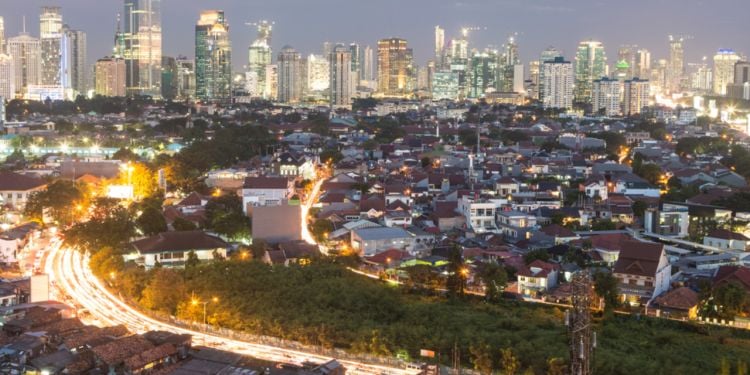
Most expats in Jakarta rent rather than buy, since foreigners cannot hold freehold (Hak Milik) over Indonesian land. The market is dominated by apartments and condominiums in the central districts and gated villa compounds in South Jakarta. Leases are usually paid annually in advance, with one year as the standard term.
Where expats live
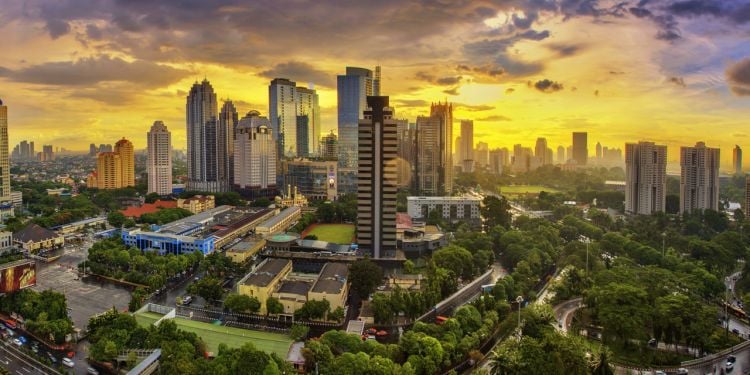
South Jakarta is the heart of expat life. Menteng offers heritage mansions, embassies and a refined atmosphere; Pondok Indah is the leafy family enclave near JIS, often called the city's premium residential area; Kemang is bohemian, with restaurants, galleries and an established international community; Cilandak is family-oriented and close to schools. Young professionals tend to choose SCBD/Sudirman, Mega Kuningan or Senopati for proximity to offices and nightlife. Suburban BSD City and Bintaro are popular with families looking for more space.
Average rents
The table below shows typical monthly rents in Jakarta in 2026.
Type | Area | Monthly rent |
1-bedroom apartment | City centre (Sudirman, SCBD) | IDR 7 - 12 million (USD 420 - 720) |
1-bedroom apartment | Outside centre | IDR 4 - 7 million (USD 240 - 420) |
3-bedroom apartment | City centre | IDR 19.7 million (USD 1,172) |
3-bedroom house | Pondok Indah / Kemang | USD 2,500 - 4,500 |
Sources: Numbeo Jakarta, Rumah123.
03Cost of living in Jakarta in 2026
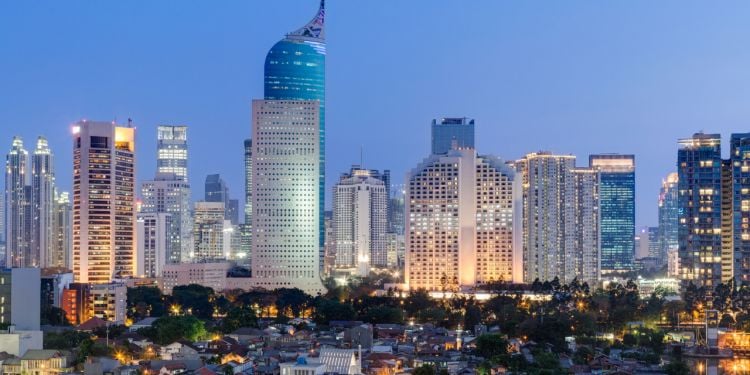
Jakarta is one of the most affordable major capitals in Asia, with overall costs well below Singapore, Hong Kong and Tokyo. According to Numbeo (April 2026, dataset of 1,110 entries), rent in Jakarta is roughly 77% lower than in Portland, and Singapore is around 270% more expensive than the Indonesian capital.
Budget for a single person
A comfortable single expat lifestyle, including rent, food, transport and leisure, typically falls between USD 1,000 and USD 1,700 per month.
Item | Monthly cost (USD) |
Rent (1-bedroom, centre) | 420 - 720 |
Groceries and meals | 240 - 420 |
Transport (ride-hailing + MRT) | 90 - 180 |
Internet, mobile, leisure | 230 - 380 |
Budget for a family of four
A family typically needs USD 4,200 to USD 9,000 per month, before international school fees, which can add significantly to the total.
Item | Monthly cost (USD) |
Rent (3-bedroom, expat area) | 1,200 - 4,500 |
Groceries | 720 - 1,500 |
Utilities and connectivity | 110 - 280 |
Domestic help (driver, nanny, housekeeper) | 720 - 1,500 |
International school (per child) | 1,400 - 3,400 |
International health insurance (family) | 300 - 700 |
Sources: Numbeo Jakarta, Pacific Prime Indonesia 2026.
Join the discussion on the forum
04Retirement in Jakarta: a niche option
Jakarta is not a traditional retirement destination. The city is widely seen as a corporate and diplomatic hub rather than a place to retire, with traffic, air pollution and a hot, humid climate that may not suit older residents. Most retirees in Indonesia choose Bali (Sanur, Ubud) instead. Jakarta, however, can be a sensible option for retirees with family ties to the city or partners still working there.
Visas for retirees
The main option is the Retirement KITAS (E33F), available to applicants aged 55 and over with a pension of at least USD 1,500 per month, renewable annually for up to 5 years before converting into KITAP permanent residence. The Indonesia Golden Visa (launched in 2024) offers 5- or 10-year residency for investors placing at least USD 155,000, while the Second Home Visa requires a bank deposit of around USD 130,000.
Healthcare and budget
Jakarta offers Indonesia's best private healthcare, with internationally accredited hospitals such as Siloam, Mayapada, RS Pondok Indah and MMC Sudirman, plus easy medical evacuation to Singapore (90-minute flight). A comfortable retired couple should budget USD 3,000 - 5,000 per month, rising to USD 6,000 or more for an upscale lifestyle in Pondok Indah or Menteng. Comprehensive private health insurance is strongly recommended.
Sources: Indonesian Immigration, Siloam Hospitals.
05Higher education and universities in Jakarta
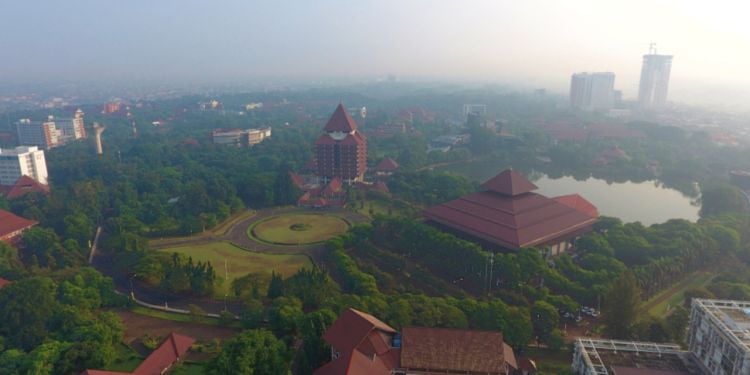
Jakarta is Indonesia's leading academic centre, with around 1 million higher education students across the Jabodetabek area and roughly 10,000 international students. The city offers a mix of prestigious public universities and English-medium private institutions.
Top universities
The flagship public institution is Universitas Indonesia (UI), ranked around #169 in the QS World University Rankings 2026 and considered the top university in Indonesia. Its main campus is in Depok, just south of the city. Leading private universities in Jakarta include BINUS University (IT, business), Universitas Pelita Harapan (UPH), Universitas Trisakti and Atma Jaya Catholic University. For MBA programmes, PPM School of Management, IPMI International Business School and Prasetiya Mulya are well regarded regionally.
Tuition fees and admissions
For international students, tuition at Universitas Indonesia ranges from IDR 50 - 200 million per semester (around USD 3,000 to USD 12,000) depending on the programme. Private universities charge between IDR 30 - 150 million per year, while English-medium MBA programmes typically cost IDR 200 - 500 million in total, far below comparable degrees in Singapore. The government's Darmasiswa Scholarship supports foreign students who want to study Indonesian language and culture for a year. International applicants apply directly through each university and obtain a Student KITAS via the sponsoring institution.
Sources: Universitas Indonesia, Indonesian Immigration.
Discover more
06Schooling for children: international and bilingual options
Jakarta hosts the most developed network of international schools in Indonesia, with more than 20 accredited institutions covering American, British, Australian, French, German, Korean, Japanese and Indonesian-international curricula. The local school year runs from July to June, and Bahasa Indonesia is the language of instruction in public schools.
Top international schools
The flagship is Jakarta Intercultural School (JIS), founded in 1951, with around 2,500 students from over 70 nationalities across three South Jakarta campuses. It offers an American curriculum, the IB Diploma and Advanced Placement, and is accredited by WASC and the Council of International Schools. Other leading options include British School Jakarta (BSJ) in Bintaro (British curriculum + IGCSE + IB), Australian Independent School (AIS), Independent School of Jakarta (ISJ), Gandhi Memorial Intercontinental School (GMIS) and Deutsche Internationale Schule Jakarta in BSD City.
Fees and enrolment
The table below shows typical annual tuition at major international schools.
School | Curriculum | Annual tuition (USD) |
Jakarta Intercultural School (JIS) | American + IB + AP | 17,690 - 31,040 |
British School Jakarta (BSJ) | British + IGCSE + IB | 16,000 - 32,000 |
Australian Independent School (AIS) | Australian + IB | 17,000 - 30,000 |
Independent School of Jakarta (ISJ) | British + IGCSE + A-Level | 15,000 - 28,000 |
Enrolment is competitive at top schools and usually requires academic records, an entrance assessment and an interview. Total annual cost including registration, transport and meals typically reaches USD 25,000 - 50,000 per child.
Sources: Jakarta Intercultural School, British School Jakarta, Independent School of Jakarta.
Join the discussion on the forum
07Daily life in Jakarta: getting around and settling in
Daily life in Jakarta blends modern megacity infrastructure with strong local traditions. Living close to your workplace or your children's school is widely considered essential, because traffic is the city's biggest practical challenge.
Transport
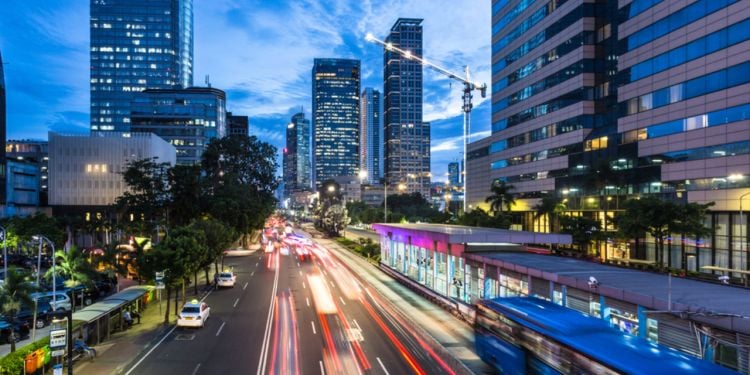
The Jakarta MRT, opened in 2019, runs along the Sudirman-Thamrin corridor and is being extended. The TransJakarta BRT is the longest bus rapid transit system in the world by route length (251 km, 13 corridors), with tickets at IDR 3,500. Commuter rail (KRL) connects to suburbs like Bogor, Depok and Tangerang, and the new LRT Jabodebek opened in 2023. Most residents rely on ride-hailing apps Gojek and Grab, with motorbike taxis (ojek) the fastest way to navigate congestion. Soekarno-Hatta International Airport is the country's main gateway, with an Airport Rail Link reaching central Sudirman in around 50 minutes.
Lifestyle and culture
Jakarta has a strong food culture, from warung street stalls and Padang restaurants to rooftop fine dining in SCBD. About 85% of residents are Muslim, and the call to prayer is audible across the city, while Ramadan and Idul Fitri shape the annual rhythm. English is widely used in business and expat districts, but learning some Bahasa Indonesia is helpful for daily interactions. Hiring domestic help (driver, housekeeper, nanny) is common and affordable, often part of corporate packages. Air pollution and seasonal flooding in some districts should be factored in when choosing a neighbourhood.


08Leisure, culture and things to do in Jakarta
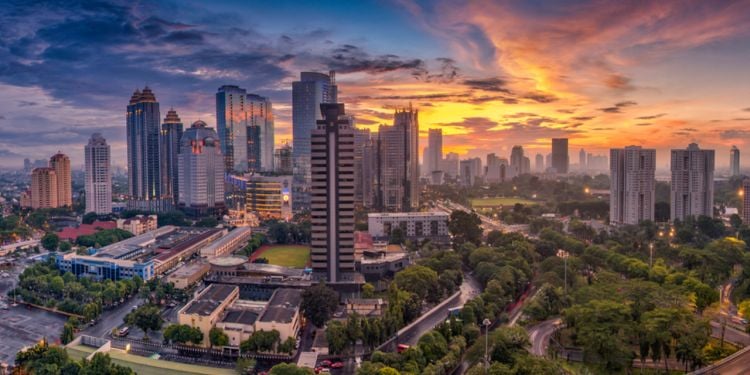
Jakarta blends colonial heritage, modern shopping malls, a strong food scene and easy weekend escapes. Cultural events run year-round, and most attractions are concentrated in the central and southern districts.
Museums, monuments and parks
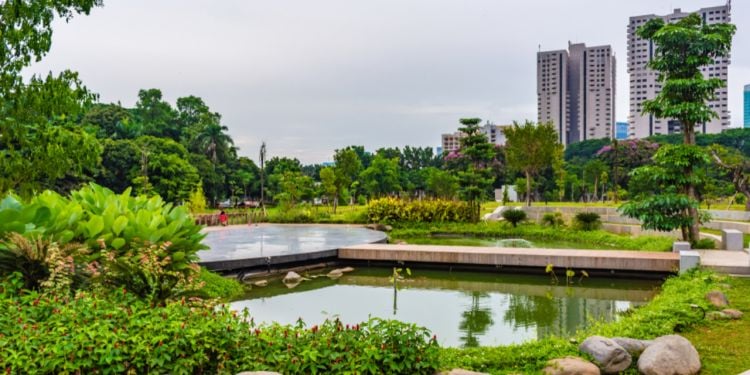
The National Monument (Monas) is the symbol of the city, with a 132-metre tower in Merdeka Square. Nearby, Istiqlal Mosque, the largest mosque in Southeast Asia, stands directly opposite the neo-Gothic Jakarta Cathedral, a striking image of religious coexistence. Old Town (Kota Tua) preserves the former Dutch colonial centre, with the Jakarta History Museum, the Wayang Museum and Bank Indonesia Museum. Art lovers head to Museum MACAN for contemporary art, while families enjoy Taman Mini Indonesia Indah and Ragunan Zoo.
Food, nightlife and getaways
The food scene ranges from Padang and Soto Betawi to refined Indonesian fine dining at Lara Djonggrang or Kaum. Rooftop bars like Skye, Cloud and Lucy in the Sky offer skyline views over SCBD. Annual events include the Java Jazz Festival in March, We The Fest in August and the Jakarta Marathon in October. For weekend escapes, the Thousand Islands are a short ferry ride away, Bogor and Bandung are reachable by train, and Bali is just a 90-minute flight.
Discover more
09FAQ
10In short
Jakarta is a demanding but rewarding posting: a fast-paced megacity at the heart of Southeast Asia, with strong career opportunities, world-class international schools, excellent private healthcare and a cost of living far lower than Singapore or Tokyo. Daily life requires patience with traffic and humidity, but the trade-off is a diverse, welcoming community and unmatched access to the rest of the region. Whether you arrive as a corporate professional, a diplomat, a teacher or a family on assignment, the city rewards those willing to settle in for the long term. Join the Expat.com Indonesia forum to ask questions, share experiences and connect with other members already living in the city.
Join the Jakarta community
Get regular tips and advice to make the most of your expat life
Essential services for your expat journey






Forum topics on living in Jakarta
Discover forums topics on expat life in Jakarta: join the conversation, ask your questions, get advice and share your experience.