

Living in Czech Republic: the ultimate expat guide
Everything you need to know for a successful life in Czech Republic.
For newcomers, settling in the Czech Republic can be relatively straightforward. Cities such as Prague and Brno are compact, easy to navigate, and supported by reliable public transport, widespread English in urban areas, and straightforward administrative procedures compared with many EU countries. These aspects make it easier for expats to settle, work, and enjoy everyday life without unnecessary stress.
At the same time, the country offers long-term advantages: a stable EU economy, strong technology and manufacturing sectors, a rich cultural scene with theatres and festivals, and living costs that remain more accessible than in Western Europe. Combined with excellent travel links across the continent, these factors explain the Czech Republic's steadily growing foreign population.
Five compelling reasons to live in Czech Republic
1. A lifestyle that's both relaxed and efficient
The pace of life in Czech cities is calm, and services — from transport to healthcare — are consistently well organized.
2. Excellent value for money in the EU
Housing, food, and entertainment remain affordable compared to Western Europe, while salaries in many sectors continue to rise.
3. A booming jobs market in tech and industry
International companies are expanding in IT, engineering, logistics, finance, and R&D, offering opportunities for English-speaking professionals.
4. A safe, clean, and culturally rich environment
Cities offer world-class architecture, museums, theatres, festivals, and well-maintained public spaces.
5. A strong, diverse, and growing expat community
With over a million foreign residents, Czechia offers an easy entry point for newcomers, plus strong networks for integration.
Facts and figures
Population (June 2025) | 10.8 million |
Expat population (2025) | 1.09 million |
Expat share of total population | 10% |
Common expat nationalities | Ukraine, Slovakia, Vietnam, and Russia |
Typical temperatures | Summer: 20°C – 25°C (68°F – 77°F), winter –3°C – 3°C (27°F – 37°F) |
Data correct as of December 2025.
Sources:
Czech Statistical Office — population, and Czech Trade — expat population and nationalities
Formalities and visas in Czech Republic
Moving to Czech Republic? The type of visa you need depends on how long you plan to stay and why. Short-term Schengen visas cover visits up to 90 days for tourism, business, or family. For more extended stays, you’ll need a long-term visa or residence permit for work, study, or family reasons. Skilled professionals, entrepreneurs, and remote workers can also explore options like the Employee Card, Trade Licence, or Digital Nomad Programme. And most applications still require an in-person visit to a Czech embassy, along with proof of purpose, accommodation, and financial means.
Tips:
- Apply early: Long-stay visas can take up to three months.
- Get your documents in order: Proof of purpose, accommodation, finances, and a clean criminal record.
- Most forms must be in Czech or officially translated into Czech.
Useful link:
Ministry of Foreign Affairs — visas
🔍To learn more
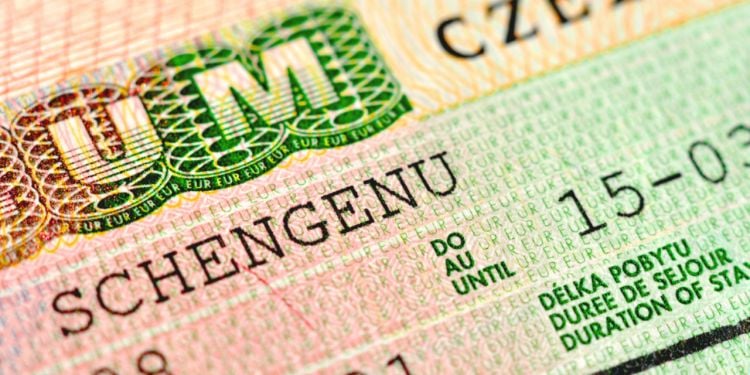
Visas for the Czech Republic
If you are planning to travel to the Czech Republic, regardless of the intended duration of stay, you are probably wondering whether you need a visa ...

Travelling to the Czech Republic
If you are thinking about travelling to the Czech Republic, you may need to apply for a visa prior to your travels. Or you may not. Find out more in ...
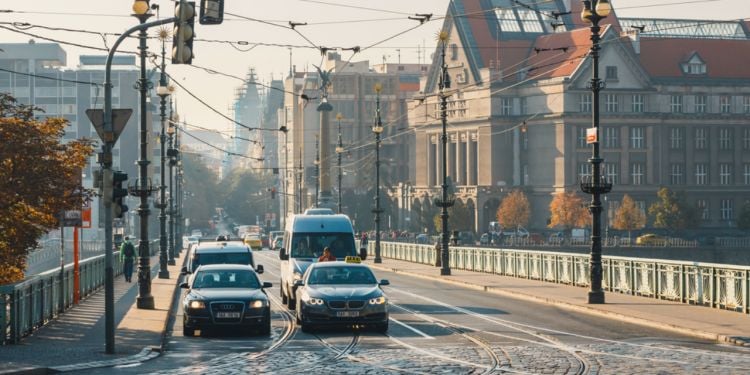
Driving in the Czech Republic
If you are moving to the Czech Republic, especially if you are making a long stay in the country, you will probably want to drive. As a foreign ...
Working in Czech Republic
With unemployment at just 2.7% in 2025, Czechia has one of the tightest labor markets in the EU. Persistent skills shortages across key sectors are driving strong demand for qualified professionals, creating clear opportunities for expats. As competition for talent intensifies, many international employers—especially in major cities—routinely recruit English-speaking professionals, while proficiency in Czech provides a competitive edge for specialized or client-facing roles.
In-demand jobs
• Tech and IT — software development, cybersecurity, data engineering.
• Engineering and manufacturing — automotive, mechanical, semiconductor.
• Business services — finance, human resources, call center staff.
• Healthcare — nurses, doctors, medical technicians.
• Construction — both infrastructure and residential building.
• Logistics and transport — supply chain, warehouse, drivers.
Tips:
- Focus your search on Prague, Brno, and Ostrava, where international employers and English-language roles are most concentrated.
- Target multinational firms and shared service centers, which are more open to hiring non-Czech speakers.
- Highlight hard-to-fill skills to stand out in a competitive market.
Facts and figures
Unemployment rate (2025) | 2.7% |
Average gross monthly wage (2025) | CZK 48,295 (USD 2,326) |
Largest employer by sector (2022) | Manufacturing 30.9% |
Data correct as of December 2025.
Sources:
Czech Statistical Office — unemployment, monthly wage, and EURES — largest employer.
🔍To learn more
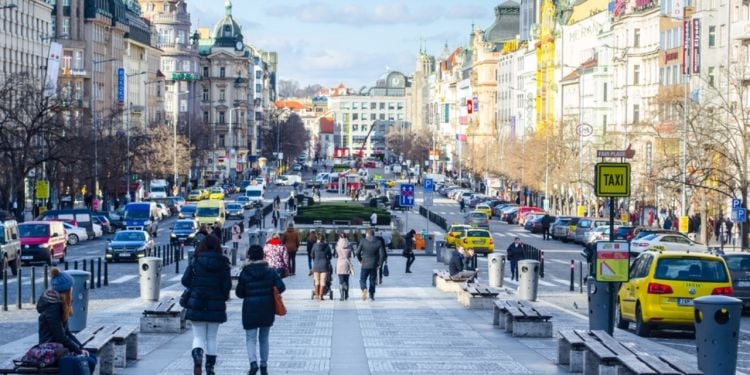
Work in the Czech Republic
Located in Central Europe, the Czech Republic is very welcoming towards expatriates. In fact, in ...

Setting up a business in the Czech Republic
The Czech Republic may not be the first country that comes to mind when you think of an economic ...

Internship in the Czech Republic
Formerly known for its turbulent political history, the Czech Republic has since become one of the ...
Studying in Czech Republic
The Czech Republic is an increasingly popular destination for international students. In 2023, around 55,000 foreign students were enrolled in full-degree tertiary programs — that's about 18 % of all students at public and private higher education institutions in the country. Czech higher education attracts students from over 160 countries, with the largest groups coming from Slovakia, Russia, Ukraine, Kazakhstan, and India. Popular fields of study include engineering, IT, business, medicine, and international relations, reflecting both the Czech Republic's academic strengths and the demands of the global job market.
Top universities in Czech Republic
• Charles University: The oldest and most prestigious university in the country, with strong research output and a broad range of English-language programs.
• Czech Technical University (ČVUT), Prague: A leading technical university, particularly strong in engineering, IT, and architecture.
• Masaryk University, Brno: Known for its modern campus, international outlook, and strong offerings in social sciences, medicine, and science.
🔍To learn more
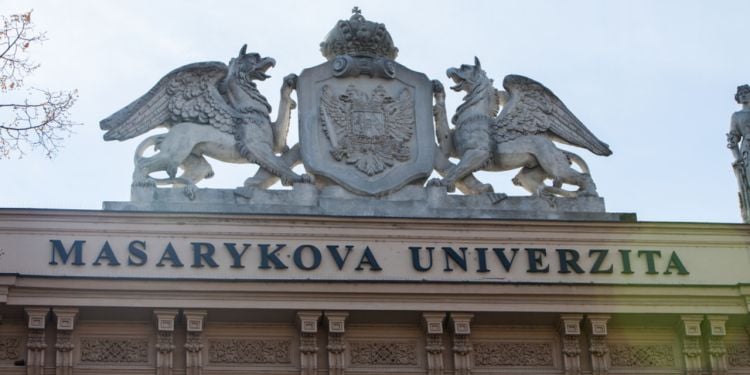
Study in the Czech Republic
Looking forward to studying in the Czech Republic? Find all that you need to know about relating conditions and procedures in this article.
Finance and banks in Czech Republic
The Czech banking system is modern, reliable, and increasingly expat‑friendly, with widespread internet and mobile banking and many English‑language options once you have an account up and running. Many banks offer online/mobile banking in English and feature competitive apps, though availability can vary by institution and branch. Opening a bank account in Czechia is relatively straightforward for expats who have the required documentation, but the final step typically requires an in‑person visit to a branch to present ID and sign documents.
Tips:
- To open a Czech bank account, you typically need a passport and proof of residence or address.
- Most banks require a small initial deposit.
- Popular banks for expats: Common choices include Česká spořitelna, ČSOB, UniCredit, Fio, and Raiffeisenbank, most offering English-language services.
🔍To learn more
Health care in Czech Republic
The Czech Republic offers a high-quality, universal healthcare system funded through compulsory social health insurance. Employed expats automatically contribute via payroll, while self-employed foreigners pay according to their income. Non-working long-term residents and students must carry private insurance to satisfy visa requirements. Public healthcare covers general practitioners, hospitals, and diagnostics, though wait times for non-urgent care can be long, so many expats supplement with private coverage for faster access or extra comfort.
What you need to know
- Emergency number: Dial 155 for medical emergencies; operators in major cities usually speak English.
- Pharmacies are widespread, clearly marked by a green cross, and pharmacists are well-trained and often speak basic English.
- Prescriptions issued in other EU countries can often be filled in Czech pharmacies.
Useful link:
Czech Republic Ministry of Health — health and health insurance for foreigners
🔍To learn more

Healthcare in the Czech Republic
Health care will probably be one of your major concerns about moving to the Czech Republic. Rest assured! The country has a modern and developed ...
Education and schools in Czech Republic
Education in the Czech Republic is high-quality and widely accessible, with a strong emphasis on maths, science, and languages. Children typically start school at age 6, and education is compulsory until age 15. Public schools in Czechia are free for all children, including expats who are legal residents, but most expat families choose international or bilingual schools for complete English-language education, particularly for short- to medium-term stays. Czech-speaking public schools are mainly selected by families planning long-term settlement or with younger children who can integrate linguistically. International schools are concentrated in Prague (and to a lesser extent, Brno), which often influences where expat families live.
The Czech school year runs from September to June, with short breaks in late October, Christmas, mid‑February, and spring (March/April), followed by summer holidays in July and August.
Tips:
- Plan early – top international schools in Prague and Brno often have waiting lists, so apply well in advance.
- Curriculum matters – choose between IB, British, American, or bilingual programs based on your child’s future schooling plans.
- Location drives convenience – living near your chosen school can save hours in daily commuting, especially in Prague traffic.
Accommodation in Czech Republic
The Czech housing market is fairly competitive but still relatively affordable, especially compared to many Western European capitals. In Prague and other hotspots, demand is high, driving up rents — but there are also good deals in smaller cities or outer districts. At the same time, the property buying market is quite open to expats, making it an attractive place for both renters and buyers. When it comes to renting, expats usually begin by using local real estate websites or agencies, signing a lease (often for one year), and paying a security deposit (commonly one or two months’ rent).
What you should know
• No significant nationality restrictions on buying — foreigners (even non-EU) can purchase residential property, though there may be extra checks for strategic land.
• Mortgages are possible for expats — many Czech banks will lend to foreigners, though non-EU buyers may face higher down payments and stricter conditions.
• Remote purchase is possible — foreign buyers can often complete the process through power of attorney, without needing to be physically present.
🔍To learn more
Accommodation in the Czech Republic
If you are planning to settle in the Czech Republic, finding accommodation will probably be one of your main priorities. It can be quite complicated ...
Planning your move to the Czech Republic
Moving your belongings to the Czech Republic is generally straightforward thanks to its central EU location, modern logistics network, and efficient road and rail connections with the rest of Europe. For expats arriving from inside the EU, the process is straightforward because goods move freely without customs checks under EU single-market rules.
For those relocating from outside the EU, customs procedures remain relatively straightforward, but you must follow the formal rules set by the Czech Customs Administration. Used personal belongings can typically be imported duty-free if you meet the residency and ownership rules for household goods. And shipping times depend on the method: air freight usually arrives within one to two weeks, while sea freight into Europe, plus inland transport, can take four to eight weeks. Delays are uncommon when using established international movers; loss or theft is rare, but insurance and proper documentation (an inventory list, a passport, and proof of Czech residence) remain essential.
Tips:
• Confirm duty-free eligibility for used household goods: Personal belongings can usually be imported duty-free if you are relocating your residence from a non-EU country and meet the ownership and timing conditions.
• Prepare all required customs documents: You will need a detailed inventory, passport or residence permit, and proof of your Czech address for customs clearance.
• Use insured, reputable movers: Professional international moving companies help manage customs procedures and reduce risks of delay, damage, or loss during transport.
Useful link:
🔍To learn more


Leisure in Czech Republic
Cities like Prague, Brno, and Plzeň are packed with historic architecture, world-class museums, and lively music and theater scenes, making them perfect hubs for culture lovers. Expats and locals alike enjoy exploring centuries-old castles, wandering charming cobblestone streets, or relaxing in traditional beer gardens. The country’s central European location also makes it an excellent base for short trips to neighboring countries, from hiking in the Austrian Alps to weekend city breaks in Germany or Poland.
Outside the cities, the Czech countryside offers endless outdoor opportunities. Rolling hills, dense forests, and winding rivers are perfect for hiking, cycling, skiing, and water sports. Spa towns like Karlovy Vary and Mariánské Lázně attract visitors seeking wellness and relaxation, while lakes and rivers invite summer boating and fishing. Year-round festivals, markets, and cultural events ensure there is always something to do, whatever the season.
Popular activities in Czech Republic
• Castle and heritage tours.
• Beer tasting and brewery visits.
• Hiking and cycling.
• Skiing and winter sports.
• Spa and wellness trips.
• River cruises and water sports.
• Cultural festivals.
• Museums and galleries.
🔍To learn more
Everyday life in Czech Republic
Daily life in Czechia is generally relaxed and orderly, with people tending to be polite, reserved, and punctual. Cities like Prague and Brno are lively but not overwhelming, offering a balanced mix of work, culture, and leisure, while smaller towns are quieter and community-focused. Expats can expect a calm, structured environment where daily life runs smoothly, making it easy to settle in. Crime rates are low compared with many other European countries, and violent crime is rare.
Daily life and customs
• Public transport: Efficient, reliable, and widely used in cities like Prague and Brno.
• Local habits: Punctuality, respect for rules, and quietness in public spaces are valued.
• Social life: Cafés, pubs, cultural events, and sports clubs are key to socializing and integrating.
🔍To learn more
Getting around in the Czech Republic
Located in Central Europe, the Czech Republic has a comprehensive transport network including buses, trains, tramway, among others. Wherever you have ...

Phones and Internet in the Czech Republic
On moving to the Czech Republic, you will definitely have to access to telecommunications, whether for work, research or keeping in touch with your ...
Lifestyle in the Czech Republic
The Czech Republic is by far one of the most attractive destinations in Central Europe for expatriates. Rich in culture and traditions and known for ...
Cost of living in Czech Republic
The Czech Republic offers a relatively affordable cost of living compared to many Western European countries. Still, it's not as cheap as some might expect — especially in major cities like Prague. Your rent, groceries, and daily expenses will likely feel lower than in Germany or France, but housing costs have risen significantly, and energy and utility bills are increasingly eating into budgets. Food prices in Czechia are climbing faster than in many EU countries, putting pressure on household budgets.
Here is a general breakdown of average monthly expenses for different household types in Czech Republic.
Monthly expenses
Single expat (per month) | Family of four (per month) | |
Rent (city center) | 17,901 CZK (USD 778) | 32,380 CZK (USD 1,407) |
Rent (suburbs) | 14,181 CZK (USD 616) | 24,044 CZK (USD 1,045) |
Utilities (electricity, water, heating, garbage) | 6,884 CZK (USD 299) | 6,884 CZK (USD 299) |
Groceries | 12,000 CZK (USD 522) | 30,000 CZK (USD 1,304) |
Public transport | 550 CZK (USD 24) | 1,100 CZK (USD 48) |
Dining out and entertainment | 4,500 CZK (USD 196) | 13,500 CZK (USD 587) |
Data correct as of December 2025.
Source:
Outro
Czech Republic offers a unique blend of central European charm, modern infrastructure, and a welcoming environment for expats. With vibrant cities, a strong economy, high-quality healthcare, and a well-regarded education system, it’s easy to see why so many expats choose to make it their new home. Whether you’re looking to work in high-demand sectors, study at top universities, or simply enjoy the lifestyle, Czechia provides opportunities and resources to help you settle in quickly and comfortably.
For anyone planning the move to Czech Republic, Expat.com is an invaluable resource. Our dedicated guides cover every key topic, from visas and healthcare to housing and schooling, helping you make informed decisions. Plus, our Czech Republic expat forum lets you connect with other expats, ask questions, and share experiences, making your transition smoother and helping you feel at home from day one.
We do our best to provide accurate and up to date information. However, if you have noticed any inaccuracies in this content, please contact us.


News & testimonies

Working in Czechia: What the labor code reform means for you
A sweeping overhaul of the Czech Labor Code—known as the Flexible Work Amendment—is set to reshape how employees are hired, paid, and dismissed. Taking effect in June 2025, the reform targets both local and international workers. If you've recently relocated for work or are planning a move to Czechia, here's what you need to know.

Kevan in Brno : "The Czech Republic has a lot to offer"
When he arrived in Czech Republic from Canada, where his girlfriend lives, Kevan didn't know that the country will be his new home. Living there since 2004, now in Brno, the second largest city, the canadian gives us his vision of this country of Central Europe.

Adventurings
I'm Cynthia from Seattle, WA, U.S.A. Moving to the Czech Republic happened a bit by accident. I took my teaching course in Prague at the end of 2012 and ending up sticking around Czech Republic afterwards - where I still am today!
Essential services for your expat journey



