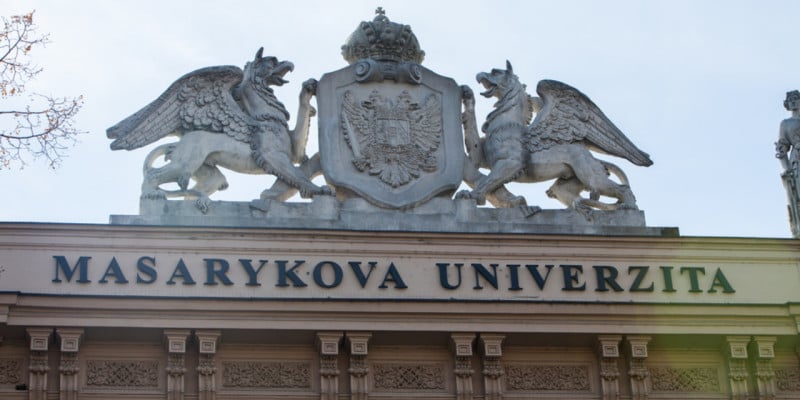
The Czech Republic is a popular destination for international students. Cities like Prague and Brno combine world-class universities with a relatively affordable cost of living, making them attractive compared to other parts of Western Europe. Students are drawn here for a few key reasons: strong academic programs (especially in technical and scientific fields), the overall quality of Czech education, the option to study for free in Czech at public universities, and a growing number of English-taught programs. Prague offers a more international environment, while Brno is often seen as a more student-focused city with lower costs.
Universities and study options in the Czech Republic
The Czech Republic has over 60 higher education institutions, including both public and private universities. Public universities are generally more prestigious and affordable but usually require knowledge of the Czech language, while private institutions tend to offer more flexible programs and often teach in English.
Some of the most well-known universities include:
Charles University – the oldest and most prestigious university, strong in humanities, medicine, and social sciences
There are also vocational schools that offer shorter, more practical programs. In the Czech system, these are called “vyšší odborné školy (VOŠ)” (higher vocational schools), and they offer career-focused programs that usually last 2–3 years and lead to a DiS. (specialist diploma). Examples include the Higher Vocational School of International Trade in Prague, the Higher Vocational School of Information Services, and various health, engineering, and design schools across the country.
The Czech Republic is particularly strong in technical and scientific fields. Engineering, IT, and natural sciences are among the most respected programs, especially at technical universities.
Medicine and health sciences are also popular, with several universities offering English-taught degrees. Business, economics, and international relations attract many international students as well.
Prague also has a strong creative scene, with programs in architecture, design, and the arts.
Join the Czech Republic community
Get regular tips and advice to make the most of your expat life
Admission and requirements in Czech universities
To enroll in a Czech university, you must have completed secondary education equivalent to a high school diploma. Some programs require entrance exams, while others assess applicants based on previous academic results.
Each university sets its own admission criteria and deadlines, so it's important to check directly with your chosen institution. For example, most universities require an electronic application to be filed early in the year (February-April), along with a non-refundable application fee and the submission of a foreign high school diploma or university degree to be recognized ("Nostrifikace") by Czech authorities. After that, some universities might require you to take entrance examinations, including language exams. Non-EU students can only apply for a student visa after all these requirements have been met and you have received an official Letter of Acceptance from the university.
If your diploma was obtained outside the Czech Republic, you may need to go through a recognition process (known as nostrification), which can take time.
Good to know:
Application deadlines are often several months before the academic year starts, so planning ahead is important.
Language and tuition fees in the Czech Republic
If you study at a public university, tuition is generally free. However, most of these programs are taught only in Czech, so you will need to prove your language level, usually through an official exam.
Most international students choose English-taught programs, which come with tuition fees. These vary widely depending on the university and program, but typically range from free to €19,000 per year.
Private universities charge tuition regardless of the language of instruction.
Visa and formalities for international students in the Czech Republic
EU, EEA, and Swiss students can study in the Czech Republic without a visa. Non-EU students will need to apply for a long-term visa or residence permit for study purposes.
The process usually requires:
An admission letter from a university.
Proof of accommodation.
Proof of sufficient financial means.
Health insurance.
Processing times can take several weeks or longer, so it's best to apply early.
Good to know:
You may need to attend an appointment at a Czech embassy in your home country as part of the process.
Costs and scholarships in the Czech Republic
One of the main advantages of studying in the Czech Republic is the cost of living. Living expenses are lower than in many Western European countries, although Prague is more expensive than other cities.
On average, students spend around 600 to 1,000 EUR per month, including rent, food, transport, and personal expenses.
Scholarships are available, but they are not always widely advertised. Options include:
It's worth checking directly with your university, as some programs offer partial tuition reductions.
Student life in the Czech Republic
Student accommodation
Most universities offer student dormitories (koleje), which are the most affordable option. Prices are usually lower than private rentals, but availability can be limited, especially in Prague. For example, Charles University charges 180 Euros for dormitory accommodation in a shared room and 260 Euros for a private room.
Private accommodation is widely available but more expensive. Many students share apartments to reduce costs.
Student discounts
Students aged 26 or younger benefit from discounts on public transport, cultural activities, and some services. In Prague, a student transport pass is significantly discounted, with a state-regulated reduction of up to 50% from the full price.
Daily life is generally comfortable, with plenty of cafés, libraries, and study spaces. Prague offers a more international lifestyle, while cities like Brno feel more student-oriented and relaxed.
International students in the Czech Republic can work while studying, though rules vary by nationality. EU/EEA/Swiss students face no restrictions and enjoy full labor market access. Non-EU students in full-time accredited programs also have no official hour limits, but employers must notify the local Public Employment Service office before employment begins.
Common student jobs include hospitality, customer service, and office support roles. English-speaking positions are available, but knowledge of Czech can open more opportunities.
Good to know:
Balancing work and study can be challenging, especially during exam periods, so most students work limited hours.
We do our best to provide accurate and up to date information. However, if you have noticed any inaccuracies in this article, please let us know in the comments section below.
Diana Bocco is a freelance writer and serial expat who has lived and worked in Argentina, Thailand, Siberia, and Vietnam—and now calls Prague home. With a career spanning over two decades, she's written for major outlets like Forbes, Business Insider, National Geographic, and USA Today Travel, covering everything from culture and wellness to offbeat destinations and expat life. Her writing often explores what it means to build a life abroad, blending personal insight with practical advice for those chasing new beginnings around the world.