

 Guide updated by Bruno Arcos on 16 December 2025
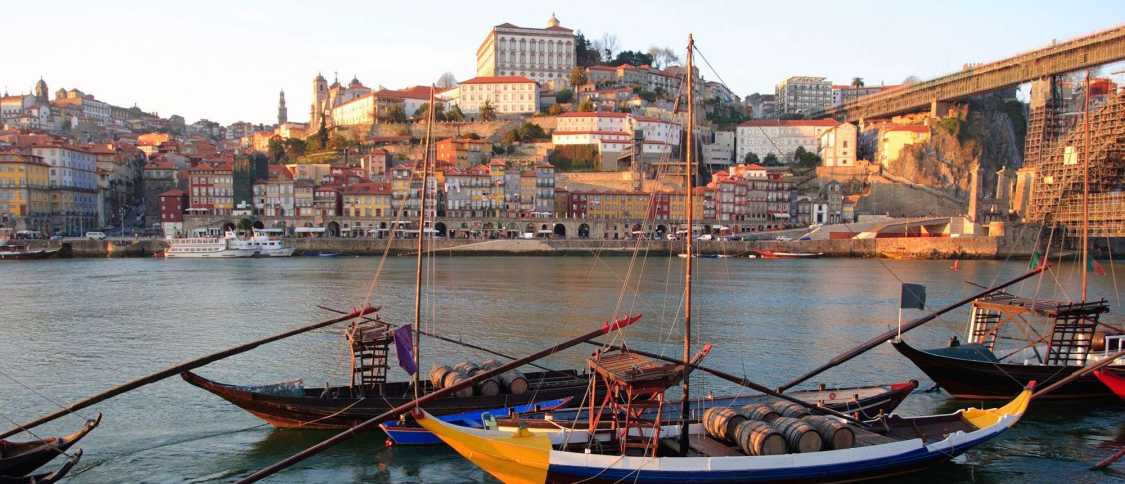
Porto, Portugal’s second-largest city, blends centuries of maritime tradition with a modern, creative spirit. Compact and well-connected, it’s easy to get around and close to the Atlantic. Historic districts full of character sit alongside a growing tech and tourism scene, giving the city an energy that appeals to both families and professionals.
5 reasons to move to Porto
- Reliable public transport and a walkable, compact city center.
- Well-regarded universities and active research communities.
- Lower living costs than most Western European cities.
- Quality healthcare provided through Portugal’s public system.
- Expanding network of international schools and expat residents.
Your setup journey
Guide in 9 steps. Click any step below to jump directly to the section you need.
01Working in Porto
Porto’s economy is dynamic, shaped by both its historic industries and emerging sectors. Its job market is diverse, with opportunities across multiple fields and skill levels.
Key industries
Tourism and hospitality, information technology and business services, manufacturing (including textiles and footwear), logistics and higher education are major employers. The city is also increasingly attracting international start‑ups and remote workers, especially in innovation districts.
Work permits and visas
Non-EU citizens must apply for the appropriate work visa and then a residence permit through AIMA (Agência para a Integração, Migrações e Asilo), Portugal’s immigration authority. EU, EEA, and Swiss citizens staying long-term simply register their residency with the local city council.
Unemployment rate | 6% |
Average monthly net salary | €1,197 |
Top sectors | Trade and transportation and professional, scientific and technical services |
Data correct as of November 2025.
Sources: Invest Porto, Numbeo, Metroverse
Discover more
02Housing & neighbourhoods
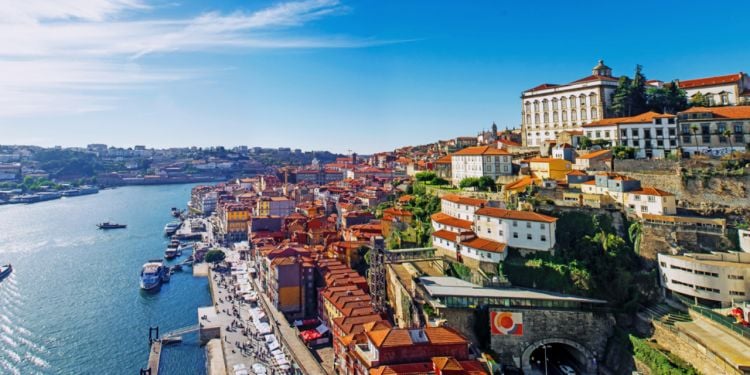
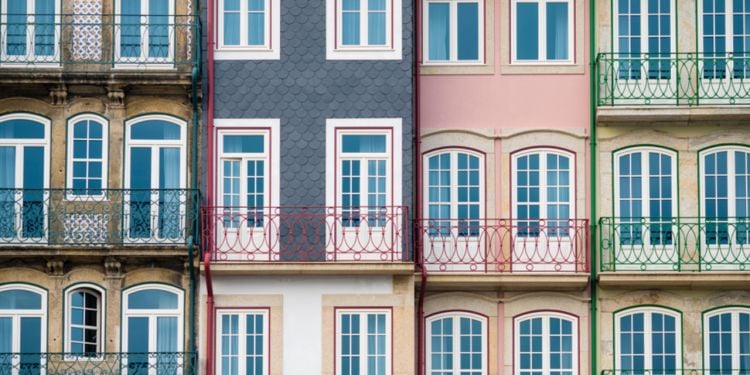
From restored flats in the historic center to modern apartments and riverside developments, there are many different types of accommodation in Porto to choose from.
Popular expat neighbourhoods
Foz do Douro suits families looking for coastal living and quieter streets. Baixa and Ribeira appeal to those who want a lively, central atmosphere, while Boavista and Cedofeita attract professionals and creatives.
Average rents and rental process
Rents have increased in recent years but remain lower than in many Western European cities. To rent, tenants usually need to provide identification - passport or residence card with NIF (tax identification number) - proof of income or employment, and a security deposit equal to one or two months’ rent. Leases are signed in writing, and payments are typically made by bank transfer.
1-bedroom apartment (city center) | €800-€1,300 per month |
3-bedroom apartment (outside center) | €1,100–€2,000 per month |
Data correct as of November 2025.
Source: Numbeo
Discover more
Join the discussion on the forum
03Cost of living
Porto offers a highly desirable quality of life at a cost significantly lower than many major European cities. If you are going to use public transport regularly, the Andante card provides convenient and affordable access to the city’s metro, bus, and suburban trains.
Monthly expenses for a single person
Rent 1-bedroom apartment (city center) | €800-€1,300 |
Groceries | €250–€300 |
Utilities | €75–€170 |
Data correct as of November 2025.
Monthly expenses for a family of four
Rent 3-bedroom apartment (outside the center) | €1,100–€2,800 |
Groceries | €600–€800 |
Utilities | €100–€200+ |
Data correct as of November 2025.
Sources: Numbeo, Portugal Investment Properties, Copound
04Retirement in Porto
Porto is an attractive retirement destination for EU nationals and eligible non-EU citizens, thanks to its mild climate, reliable healthcare system and relaxed pace of life.
Visa and residency options
Portugal offers several residence schemes for retirees and long-term residents. Non-EU retirees should consult official immigration and consular websites for current eligibility criteria and required documents.
Healthcare and costs
Retired residents can access Portugal’s public healthcare system (SNS) after registering. Many retirees combine public care with private insurance to shorten waiting times for specialists. Everyday living costs in Porto are generally lower than in most major Northern European cities.
Source: AIMA - Portuguese Agency for Integration, Migration and Asylum
05Higher education & universities
Students in Porto have access to both public and private institutions, with many opportunities for international exchange. English-taught courses and Erasmus+ programmes make the city especially popular with international students.
Major institutions
The University of Porto (U.Porto) is the city's largest public university, offering undergraduate to doctoral programmes and boasting many international collaborations. Other key institutions include the Polytechnic Institute of Porto (IPP) and private schools specializing in business and design.
Admissions and fees
EU students often pay standard public tuition rates, while fees for non-EU students vary and can be higher for certain programmes. Applications are usually submitted through national portals or directly via university websites and may require proof of language proficiency.
Sources: University of Porto (U.Porto), Polytechnic Institute of Porto (IPP)
Discover more

06Schooling for children
Families moving to Porto can choose from public Portuguese schools, private institutions, and a small number of international schools. Public education follows the national curriculum and is free of charge. Non-Portuguese-speaking children may need a language assessment and additional support.
Public and state-supported schools
Public schools in Porto provide education for all compulsory school years. Parents typically enroll their children through the national Portal das Matrículas, and have to provide proof of address and identification. School placement is usually based on where the family lives or works. The process is mostly online, but local schools or municipal offices can help with documents or placement. Classes are taught in Portuguese.
International and bilingual options
Porto has several international and bilingual schools, including Oporto British School (OBS) and CLIP – The Oporto International School. These offer British and international curricula. Tuition fees depend on the child's age and programme, and families should check each school's admissions page for details about the application process and enrollment fees.
Sources: Oporto British School, CLIP
Discover more

07Daily life
Life in Porto moves at a steady pace. Mornings begin with the scent of fresh bread from neighbourhood bakeries and the clang of vintage trams along the historic streets. In late afternoons and early evenings, residents like to walk by the Douro River or gather in small squares with cafés and friends.
Living like a local
Portuenses enjoy the outdoors, whether browsing fresh produce at mercados, meeting friends for coffee or pastries, or taking weekend trips to nearby beaches and the Douro Valley. Meeting friends for a casual meal, joining a Portuguese class, or signing up for a local sports club are some of the ways newcomers settle in.
Everyday essentials
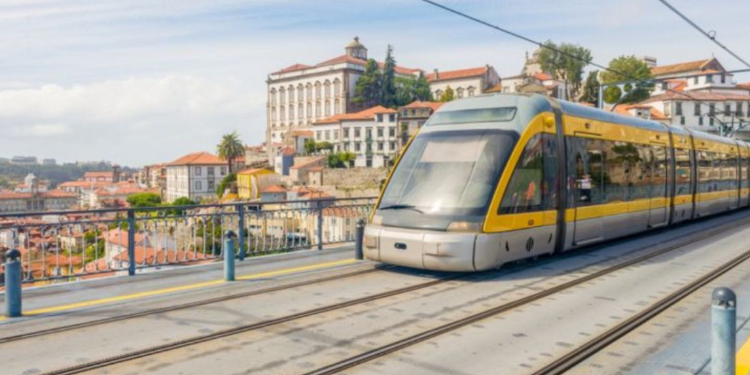
Getting around Porto is easy, with the metro, trams, and buses connecting most neighborhoods. Small shops, bakeries, and markets are scattered throughout the city, and while some close briefly at midday, life continues around them.


Join the discussion on the forum
08Leisure, culture & things to do
Porto has lots to keep you entertained, including museums, riverside walks, annual festivals, and a lively food scene. Parks, sports facilities, and an extensive cultural scene ensure there is always something to see or do.
Cultural institutions
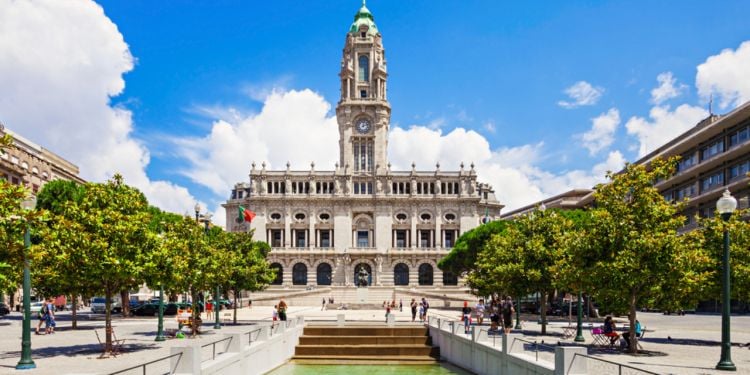
Fundação de Serralves features contemporary art within large gardens, and Casa da Música hosts concerts from classical and jazz to rock and modern music. The Ribeira district along the Douro River is perfect for scenic walks and riverside dining, with streets full of activity and local character. Some venues run guided tours and family-friendly activities, giving newcomers plenty of ways to engage with the city’s culture.
Events and outdoor life
Festivals such as Primavera Sound Porto and Festa de São João bring large‑scale music events, fireworks and street celebrations. The riverside and nearby beaches are popular for walking, jogging or weekend trips. Residents can join local sports clubs for football, rowing or sailing, and nightlife thrives around Galerias de Paris and Rua Cândido dos Reis, where bars and music venues remain open late.



09In short
Porto blends old-world charm with a modern lifestyle, supported by reputable universities, a growing tech scene and affordable living costs. It’s ideal for expats who want a compact European city by the Atlantic with good public services and a welcoming community. If you’re planning a move, explore the resources in this guide and join the Expat.com Porto forum to ask questions and connect with other expats who have already made the move.
Join the Porto community
Get regular tips and advice to make the most of your expat life
Essential services for your expat journey







Forum topics on living in Porto
Discover forums topics on expat life in Porto: join the conversation, ask your questions, get advice and share your experience.
- Anybody purchase a Genuino Sesmarias condo from ESCALA GLOBAL, S.A.
- Silver Coast
- Smoking in Algarve
- Certificate of authenticity of the driving licence - UK
- Cheap 12-month rental agreement as proof of accommodation
- Just an ovverstay question
- Struggling to find a Portugal visa appointment from London — any tips?
- Most common scams in Portugal
- D7 application - VFS Global selections?
- Online rental platforms - safe or a headache?
- Builders & Contractors in Portugal: Proceeding with caution.
- Buy Nurofen plus in Portugal pharmacies
- VFS appointment - no luck. Any advice?
- Cost of house renovations
- Where to buy good blankets, sheets and linens in Portugal
- Website that shows real estate SOLD prices