Living in Brussels: the ultimate expat guide
Everything you need to know for a successful life in Brussels.
Brussels is the capital of Belgium and the seat of several key European Union institutions, including the European Commission, the European Council, and parts of the European Parliament. French and Dutch are the official languages, and English is widely used in many workplaces, especially in EU and international organizations.
5 reasons to move to Brussels
- Major center for international work, politics, and European affairs.
- Wide cultural mix with great dining and food traditions.
- Reliable and extensive public transport that covers the whole city.
- High-quality healthcare and strong education options.
- Large, friendly community of international residents and expatriates.
Working in Brussels
The job market in Brussels is rich with opportunity, especially for professionals in international, multilingual, and policy-related roles. Its role as the center of EU activity and its wide international links makes it an attractive place to build a career in both the public and private sectors.
Key sectors
Major industries include EU administration, finance, technology, and consultancy. The city is experiencing rising demand in the logistics and creative sectors. These areas are regional priorities for future growth, successfully attracting professionals from across Europe
Work permits and procedures
Non-EU nationals need a single permit, usually arranged by their employer. EU and EEA citizens can work freely but must register locally. Full details are available from regional employment offices.
Unemployment rate | 11.9% |
Average monthly salary (net) | €3,072 |
Main sectors | Public and government services, financial services and commerce |
Data correct as of November 2025.
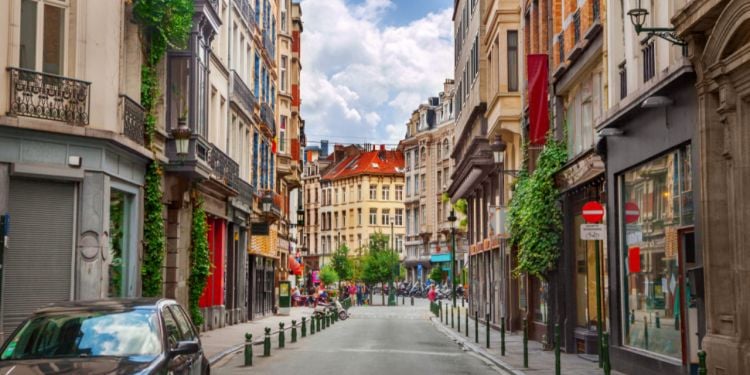
Find a job in Brussels
Brussels, a multicultural city and the seat of major European institutions such as the EU or NATO, offers a stimulating and diverse professional ...
Higher education & universities in Brussels
Brussels has several universities and research institutions attracting students from across Europe and beyond. Many programs are available in English, French, and Dutch, and Erasmus+ exchanges are common. The main universities include Université libre de Bruxelles (ULB) and Vrije Universiteit Brussel (VUB).
Universities and programs
Universities offer bachelor’s, master’s, and doctoral degrees. EU/EEA students typically pay between €900 and €4,500 per year, while non-EU students and private programs can exceed €12,000. English-taught programs are widely available at the postgraduate level.
Research and innovation
Brussels hosts major research initiatives in policy, technology, and life sciences, including the Interuniversity Microelectronics Centre (imec) and collaborations with European institutions. These partnerships foster international research and innovation across multiple sectors.
Sources: Université libre de Bruxelles, Vrije Universiteit Brussel

Universities and student life in Brussels
Brussels is a wonderful city to live and work in. Consequently, it has a lot to offer students, whether it is an Erasmus experience or a long-term ...
Schooling for children
Families moving to Brussels find a wide variety of schooling options in several languages. Public education is largely free, while private and international schools charge for tuition based on age and curriculum.
Public and state-supported schools
Public schools follow the curricula of either the French or Flemish communities, depending on the school’s language network. To enroll, parents need to apply through regional portals or local communes, and usually need to provide proof of address and identification. Some schools may request health documentation. Lessons are taught in French or Dutch.
International and bilingual options
Brussels hosts many international schools, such as the International School of Brussels (ISB), the British School of Brussels, and the European Schools (a network of EU-established schools primarily for children of EU institution staff). These offer English or multilingual instruction and follow British, IB, or European curricula. Tuition fees vary widely, so parents should consult each school’s admissions department for up-to-date information.
Sources: ISB, British School of Brussels
Housing and neighborhoods
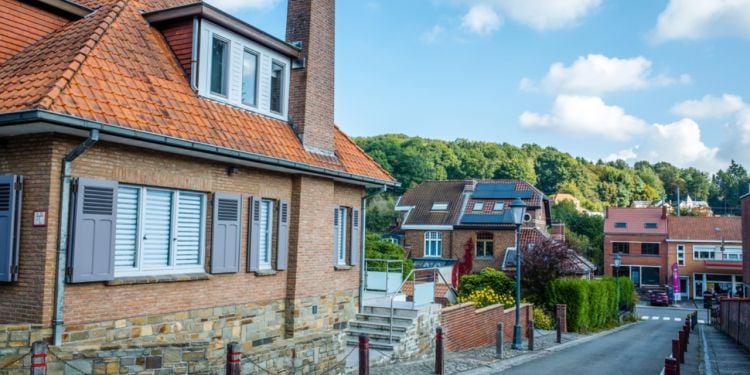
From elegant 19th‑century townhouses to modern apartments, Brussels offers a wide variety of housing across its diverse districts. The city’s neighborhoods each have their own character and appeal.
Popular expat neighborhoods
Ixelles and Etterbeek are favorites for their international feel and proximity to EU institutions. Saint-Gilles attracts younger professionals and creatives, while Uccle and Woluwe-Saint-Pierre are greener and more family-friendly. The city center is ideal if you want historic architecture and lively cafés right on your doorstep.
Average rents and rental process
Rents vary by area, with one-bedroom apartments in central neighborhoods typically costing less than in most major Western capitals. To rent, tenants usually provide ID, proof of income, and a security deposit equal to two months’ rent. Leases are written and registered, and rent payments are made by bank transfer.
1-bedroom apartment in the city center | €945-€1,450/month |
3-bedroom apartment outside the city center | €1,200-€2,000/month |
Data correct as of November 2025.
Source: Numbeo
🔍To learn more
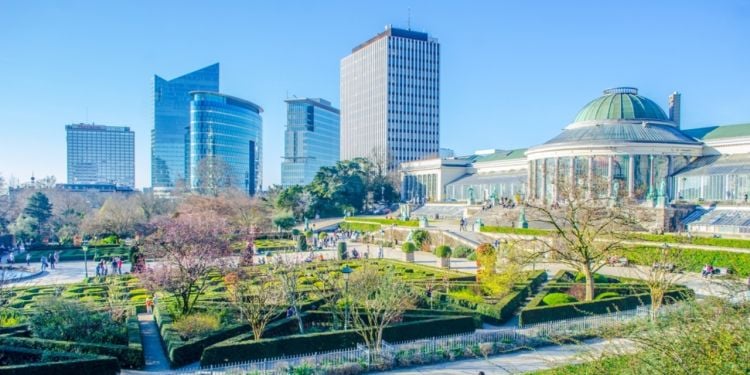
Leisure, culture & things to do
Brussels combines a rich cultural heritage with a lively arts and food scene. From art galleries and museums to markets and music venues, there’s always something fascinating to see and do in Brussels.
Cultural institutions
The Royal Museums of Fine Arts of Belgium display works from the Flemish Primitives to Magritte, while BOZAR (Center for Fine Arts) hosts exhibitions, concerts, and performances throughout the year. Comic Strip Center, dedicated to Belgium’s famous illustrators, is a fun stop for all ages. Many institutions offer multilingual tours and community events.
Events and outdoor life
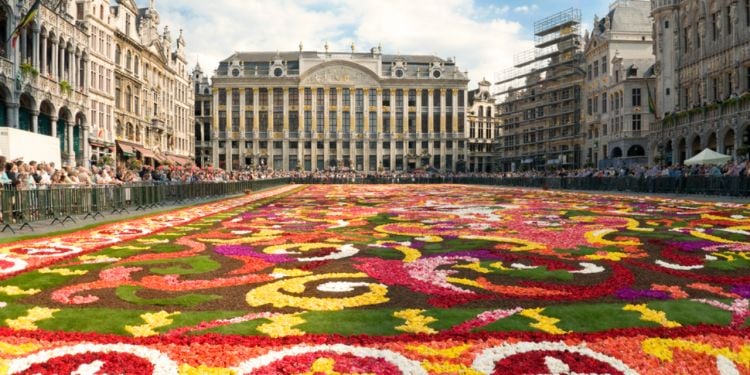
Major events include the Brussels Summer Festival, Couleur Café, and the famous Flower Carpet on Grand-Place. Locals enjoy cycling through the city’s parks, such as Parc du Cinquantenaire and Bois de la Cambre, or taking day trips to Ghent and Bruges. Nightlife is centered around Saint-Géry and Flagey, where bars and live music venues stay open late.
🔍To learn more
Activities and leisure in Brussels
A cosmopolitan and dynamic city, Brussels has much to offer. It's a place of life with many ...

Gastronomy in Brussels
Brussels is a gourmet capital that delights with both its international culinary diversity and its ...

Sporting activities in Brussels
Every day, Brussels buzzes with people practicing their favorite sports. There are many clubs and ...
Daily life in Brussels
Life in Brussels combines the energy of a European capital with the charm of neighborhood streets. Streets bustle with locals shopping at markets, sampling Belgian specialties, or stopping at artisan shops.
Living like a local
Residents enjoy the city’s outdoor cafés, bustling community markets, and a diverse food scene that ranges from Belgian classics to international cuisine. Participating in a local language course or hobby club is a good way to meet people and integrate into the community. Many expats also join cultural associations connected to their home countries.
Everyday essentials
Public transport is reliable, with the STIB network operating metro, tram, and bus lines across the city. Cycling is becoming more common, and car-sharing options are widely available. Small groceries, bakeries, and pharmacies are scattered through every neighborhood.
🔍To learn more
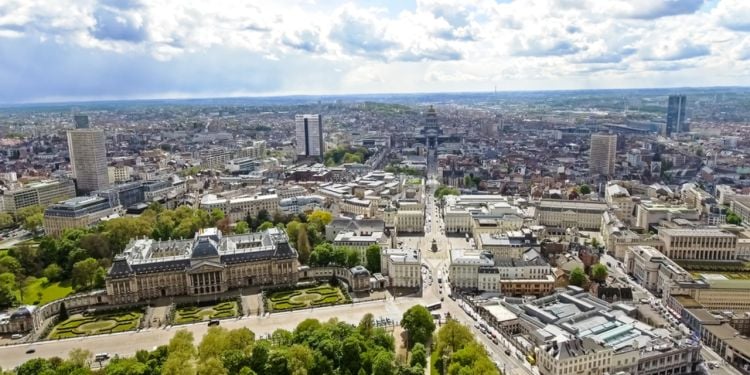
What to expect when living in Brussels
Brussels, one of the most cosmopolitan cities in the world, is regularly ranked among the best ...

How to develop your social and professional circle in Brussels
Brussels, a cosmopolitan capital and home to many international institutions, is a city where ...
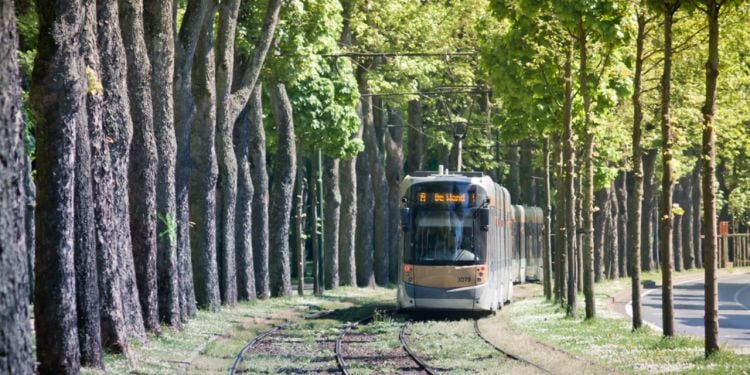
Getting around in Brussels
When choosing to settle in Brussels, it is essential to understand the available transport options. The capital offers a wide range of solutions: ...
Cost of living in Brussels
While housing and dining costs can be higher than in smaller Belgian cities, the cost of living in Brussels is generally more affordable than Paris or London. Monthly transport passes offer unlimited travel on metro, tram, and bus lines, making commuting straightforward and cost-effective.
Monthly expenses for a single person
1-bedroom apartment in the city center | €945-€1,450 |
Groceries | €250-€300 |
Utilities | €127-€350 |
Data correct as of November 2025.
Monthly expenses for a family of four
3-bedroom apartment outside the city center | €1,200-€2,000 |
Groceries | €600-€800 |
Utilities | €200-€450 |
Data correct as of November 2025.
Sources: Numbeo, Relocate Me
In short
Brussels is a city of political significance with a relaxed, multicultural lifestyle. Its reputable universities, international schools, and efficient transport links make it well suited for professionals, students, and families. If you’re planning a move, explore the resources in this guide and join the Expat.com Brussels forum to connect with other expats already enjoying life in the Belgian capital.
We do our best to provide accurate and up to date information. However, if you have noticed any inaccuracies in this content, please contact us.


News & testimonies

Brussels has it all: Love, friends and Italian food
Charlotte comes from London. Her partner's posting brought her to Belgium in January 2016. Since then, every day is an adventure. She shares her time between work and fun wanders among the cobbled streets of Brussels where there's always a new bar or restaurant waiting to be discovered. She shares with Expat.com her life in what she describes as being a very European city with a laidback lifestyle.
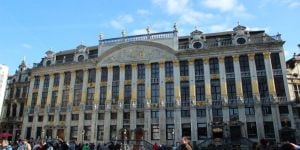
Aneesh in Brussels: "Potatoes, waffles, chocolates and beer are big part of the Belgian lifestyle"
Aneesh, Indian expat, settled in Brussels three years ago. IT engineer, he also enjoys traveling across Belgium and the European Union with his family...

Raising thinkers, not test-takers: How the IB builds critical thinking skills
Choosing the right school is one of the most important decisions a family can make. Beyond academic results, many parents today are looking for an education that prepares their children to think independently, to adapt to change and to succeed in a complex and globalised world. This is where the International Baccalaureate (IB) education stands out. Widely recognised by universities and schools worldwide, the IB is known for developing critical thinking skills, curiosity, and intellectual independence from the very first grade.

EU launches €500M program to attract US researchers
Facing deep US science funding cuts, the European Union has launched Choose Europe for Science—a €500 million plan to recruit top American researchers. Announced on May 5, the initiative highlights 15 cities, from Berlin to Helsinki, as welcoming centers for global scientific talent.
Essential services for your expat journey