

Living in Vienna: the ultimate expat guide
Everything you need to know for a successful life in Vienna.
Vienna is Austria’s capital and largest city, home to just over two million residents in the metropolitan area. Regularly ranked among the world’s most liveable cities, it offers excellent public services, a clean environment, and a rich cultural life. The city stretches along the Danube River in eastern Austria and experiences four distinct seasons, with cold winters and warm summers. Vienna combines imperial grandeur with modern urban living—baroque palaces stand alongside contemporary architecture, while traditional coffee houses thrive alongside innovative restaurants.
Vienna’s reliable public transportation, high-quality healthcare, and low crime rates make it appealing for expats. While many services operate in English, mastering German greatly improves daily life and professional opportunities.
5 good reasons to move to Vienna
- Exceptional quality of life – consistently ranked among the world’s most liveable cities with excellent infrastructure and services.
- Rich cultural heritage – home to world-class museums, opera houses, historic palaces, and a vibrant arts scene.
- Efficient public transport – a comprehensive network of metro, trams, and buses connects all districts reliably.
- Green and clean city – extensive parks, gardens, and nearby vineyards, with excellent walking and cycling infrastructure.
- Central European location – easy access to neighboring countries for travel and business.
Source: World Population Review
Working in Vienna
Vienna hosts numerous multinational corporations, UN agencies, and international bodies, providing good opportunities for multilingual professionals and those with specialized skills in technology, finance, engineering, and healthcare.
Key sectors
Vienna's technology sector is growing rapidly, with companies seeking software engineers, data scientists, and IT professionals. The financial services industry employs thousands across banks, insurance companies, and investment firms. International organizations, including the United Nations, OPEC, and OSCE, provide opportunities for professionals with diplomatic, administrative, and technical backgrounds. Vienna is also known for its creative industries including advertising, design, and media.
Work permits and requirements
EU, EEA, and Swiss citizens can work in Austria without a permit. Non-EU nationals generally need a Red-White-Red Card, Austria’s points-based immigration system, or an EU Blue Card if they are highly qualified professionals. The Red-White-Red Card is designed for very highly qualified workers, skilled professionals in shortage occupations, and graduates of Austrian universities. Applications require a job offer, verification of qualifications, and proof of accommodation, and processing can take several months. Strong German language skills can greatly enhance job prospects and help with integration.
Unemployment rate (Austria) | 5.2% |
Average monthly salary (net) | €3,192 |
Key sectors | Finance, technology, international organizations |
Data correct as of December 2025.
Sources: Statistics Austria, Austrian Ministry of Interior, Numbeo
🔍To learn more

Working in Vienna
In recent years, Vienna has become a popular destination with professionals looking to boost their ...
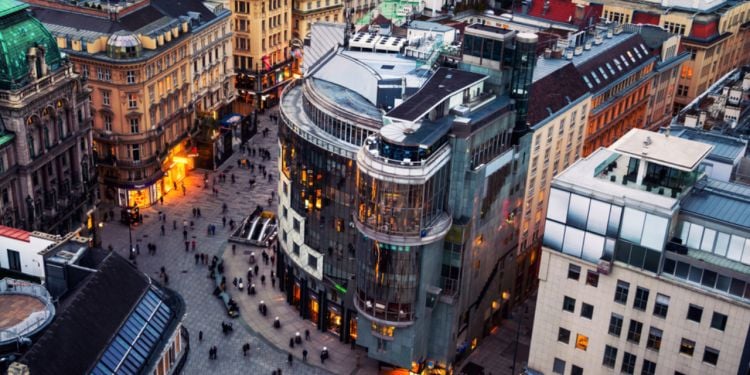
Vienna's labour market
Vienna has become an economic powerhouse over the past years and offers many exciting career ...

The work culture in Vienna
Relocating to a different city for work can feel overwhelming, particularly when you have limited ...
Higher education & universities
Vienna is one of Europe’s major university cities, with a combined student population of around 140,000–150,000 across its public and private institutions. International students benefit from relatively affordable tuition compared with other Western European capitals, making the city an attractive destination for higher education.
Major universities and programs
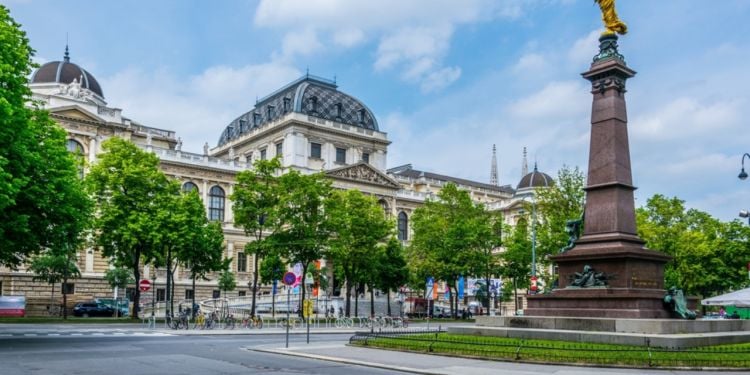
The University of Vienna, founded in 1365, is one of the oldest and largest German-speaking universities in Europe, offering a comprehensive range of degree programs spanning humanities, sciences, and social sciences. The Vienna University of Technology (TU Wien) specializes in engineering, computer science, architecture, and related fields, drawing students from across Europe and beyond. Vienna University of Economics and Business (WU Wien) is Europe's largest business school, renowned for programs in economics, business administration, and law. The Medical University of Vienna is a leading center for medical education and research, training the next generation of healthcare professionals. Webster Vienna Private University and Modul University Vienna provide English-language programs specifically designed for international students.
Admission and requirements
EU, EEA, and Swiss students can generally enroll directly in most programs and pay only small administrative fees. Non-EU students must apply through each university’s admissions office, presenting secondary school qualifications equivalent to the Austrian Matura. German-taught programs typically require C1-level German proficiency, while English-language programs expect internationally recognized scores, such as IELTS 6.5 or TOEFL 90 and above. Students planning to study in Austria for more than six months must obtain a student residence permit, demonstrating admission, sufficient financial means, health insurance, and accommodation. Application deadlines for programs starting in September usually fall between February and May.
Sources: University of Vienna, TU Wien, WU Wien

Schooling for children
Education in Vienna is compulsory from ages 6 to 15, with the school year running from early September to late June. Public schools in Vienna are free and generally high-quality, though instruction is in German. Elementary school (Volksschule) runs from ages 6-10, followed by lower secondary education in either academic-track Gymnasium, general middle school (Mittelschule/Neue Mittelschule), or other secondary options. Children do not need perfect German to enroll, and many public schools offer support programs for non-native speakers, including additional German classes. Some public Gymnasien provide bilingual or English-language sections, though these are limited and competitive. Private Austrian schools such as Theresianum and Sacré Coeur offer alternatives with smaller classes, more individual attention, and additional resources.
International schools
Vienna has a good selection of international schools catering to expat families. The Vienna International School (VIS) is the largest, offering the International Baccalaureate program from primary through diploma with around 1,500 students. The American International School Vienna (AISV) provides American curriculum with Advanced Placement courses. Lycée Français de Vienne follows French Ministry education standards, while Danube International School delivers IB programs for younger students. These international schools typically feature smaller classes, diverse student bodies, and English instruction, making transition easier for expat children.
Enrollment process
To enroll your child in a Vienna public school, register at your local district school office with proof of residence, your child's birth certificate, and vaccination records. International schools have individual application procedures, usually requiring previous school records, language assessments, and sometimes interviews. Families are advised to apply several months in advance, as spaces at popular international schools fill quickly.
Sources: City of Vienna Education, Vienna International School
Housing & neighborhoods
Vienna's housing market offers diverse options from historic apartments in renovated buildings to modern developments in outer districts. The city is known for its high-quality social housing, though expats typically rent on the private market initially.
Popular neighborhoods for expats
Innere Stadt (1st district) is the historic center with premium pricing and stunning architecture. Neubau (7th district) attracts young professionals with trendy cafés and cultural venues. Leopoldstadt (2nd district) near the Danube provides parks and good value. Döbling (19th district), with its green spaces and international schools, appeals to families.
Rental process and and rental costs
Apartments are usually rented unfurnished, meaning without kitchens or light fixtures, requiring initial investment. Landlords typically require a security deposit of three months’ rent, and if a real estate agent is involved, the commission is usually capped at one to two months’ rent. Austrian rental law offers strong tenant protections, particularly in older regulated apartments, including limits on rent increases and security of tenure. Newly built or fully private-market apartments may have fewer restrictions, though tenants still enjoy basic legal rights.
Rent of a 1-bedroom apartment in the city center | €825 - €1,500/month |
Rent of a 3-bedroom apartment in the city center | €1,450 - €2,500/month |
Data correct as of December 2025.
Sources: Numbeo, City of Vienna
🔍To learn more
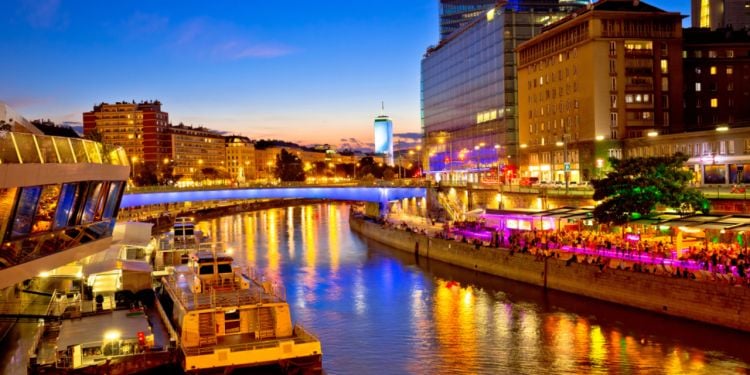
Buying property in Vienna
Buying a house or any property is never easy in any situation, whether you are a foreigner or not. ...
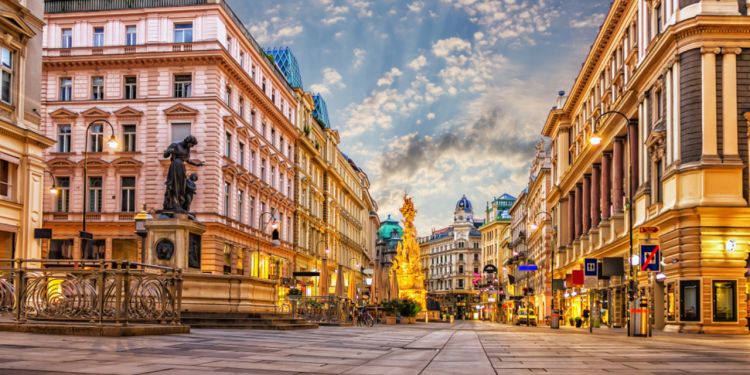
Choosing your neighborhood in Vienna
Vienna might seem like a rather scenic and calm city with its beautiful historical buildings and ...
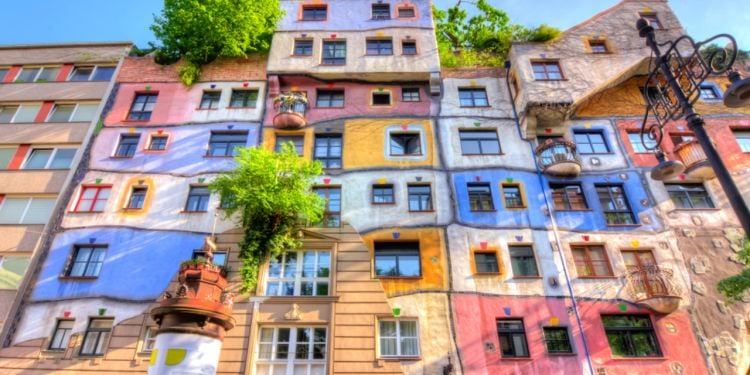
Accommodation in Vienna
Like in any other big city, you will find various types of rental options in and surrounding the ...
Leisure, culture & things to do
Vienna's cultural wealth comes from centuries of artistic tradition and continued creative vitality. The city boasts world-class opera, museums, concerts, and theater alongside outdoor recreation. Cultural offerings span classical traditions and contemporary innovations, while seasonal events create year-round entertainment. Vienna's UNESCO World Heritage historic center contains architectural treasures within walkable distance.
Museums, palaces, and cultural attractions
The Kunsthistorisches Museum holds one of the world's finest art collections, including works by Bruegel, Vermeer, and Velázquez. The Hofburg Imperial Palace, the Habsburgs' winter residence, now houses museums and the Spanish Riding School. Schönbrunn Palace and its gardens showcase imperial splendor and offer panoramic city views. The Belvedere Palace displays Austrian art, including Klimt's famous painting, The Kiss. The MuseumsQuartier combines modern art museums, performance spaces, and cafés in renovated imperial stables. The Vienna State Opera and Musikverein concert hall continue world-renowned classical music traditions.
Parks, recreation, and entertainment
The Prater features extensive parkland, cycling paths, and the iconic Riesenrad ferris wheel. The Danube Island is a popular recreational area for swimming, cycling, and water sports. The Naschmarkt is Vienna's largest market, known for international foods and Saturday flea markets. Throughout the year, Vienna hosts numerous festivals including the Viennale film festival, the Donauinselfest music festival, and Christmas markets from late November through December. The ball season includes over 450 formal balls each winter.
Sources: Kunsthistorisches Museum, Vienna State Opera
🔍To learn more
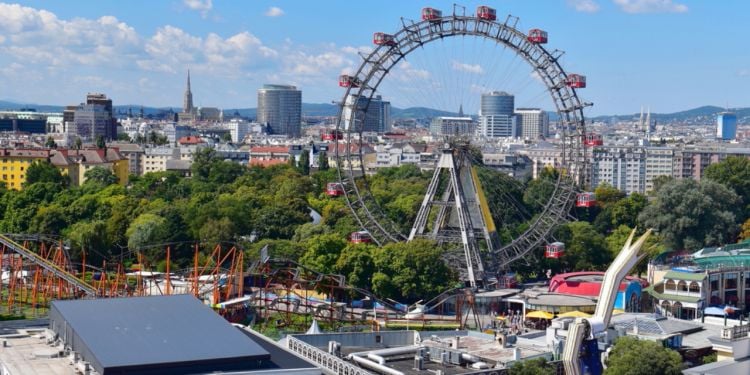
Things to do in Vienna alone, with family friends or a partner
Finally, it's Friday! You want to relax, leave the stress from that week behind you, and do ...
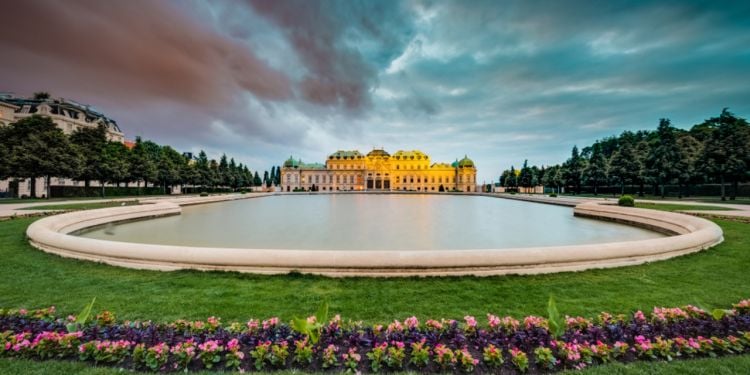
Things to do on weekdays in Vienna
Some might say that Vienna is tedious and slow. And in many ways, this is true, but to be fair, ...

Eating out in Vienna
From tasty "Wiener Schnitzel" to mouthwatering types of "Strudel" over ...
Daily life
Vienna moves at a slower pace than most European capitals, with a relaxed approach to daily life. The city provides accessible culture, extensive green spaces, and excellent public services.
Getting around
The city’s public transport, operated by Wiener Linien, includes U-Bahn (metro) lines, trams, and buses covering all districts. Annual passes are affordable, and night buses serve major routes after hours. Central districts are highly walkable, and the Citybike Wien program and expanding cycling lanes make biking easy. Many residents find owning a car unnecessary.
Lifestyle and cultural habits
Viennese culture values punctuality and politeness, with quiet respect in public spaces. Traditional coffee houses are social hubs, serving as places to meet, work, or relax. Most shops close on Sundays, though restaurants, museums, and tourist areas stay open. The city’s famous ball season, from late autumn through winter, continues imperial traditions with elegant dancing events. Locals may seem reserved at first, but learning German opens social and professional opportunities and makes everyday life smoother.
Sources: Wiener Linien, Citybike Wien
🔍To learn more
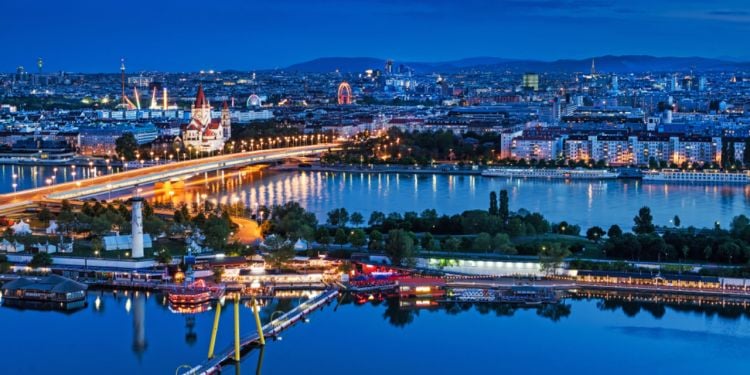
Discovering Vienna
Vienna is not just a historical "must-see" when traveling across Europe, but also got ...
Tips for adjusting to the culture in Vienna
Moving to a foreign place with a distinct culture, such as Vienna, brings both excitement and ...

Developing your social circle in Vienna
Moving to a foreign place is always just as exciting as it is difficult. You are new in ...
Cost of living
The cost of living in Vienna is lower than many other Western European capitals, with moderate costs for high-quality services and infrastructure. Housing represents the largest expense, while groceries, transportation, and healthcare remain relatively affordable.
Monthly expenses for a single person
Rent of a 1-bedroom apartment in the city center | €825 - €1,500/month |
Utilities | €200 - €300 |
Groceries | €200 - €350 |
Data correct as of December 2025.
Monthly expenses for a family of four
Rent of a 3-bedroom apartment in the city center | €1,450 - €2,500/month |
Utilities | €280 - €450 |
Groceries | €800 - €1,200 |
Data correct as of December 2025.
Sources: Numbeo, Statistics Austria
In short
With good employment opportunities, world-class universities, and excellent public services, Vienna draws professionals and families to central Europe. Vienna's affordable public transportation, comprehensive healthcare, extensive green spaces, and safe neighborhoods make daily life comfortable, while its central location makes regional travel easy. The city's cultural institutions, traditional coffee houses, and seasonal events add to the appeal. Yes, winters are cold and learning German is advisable, but Vienna compensates with liveable costs, four-season beauty, and genuine commitment to resident wellbeing. Whether advancing your career or embracing European life, Vienna provides the infrastructure and community for fulfillment. For more information, browse our informative and comprehensive articles and join the Expat.com Vienna forum to connect with fellow expats living in the city.
We do our best to provide accurate and up to date information. However, if you have noticed any inaccuracies in this content, please contact us.


News & testimonies
KC in Vienna: "I love living in an international city"
US expat, KC has spent several years in Vienna before moving back to her home country. Nowadays, she lives and works in a management position in Vienna. She particularly enjoys the quality of life, cultural events and green spaces.

A new girl in Vienna
My name is Kerry Smith (aka a new girl in vienna). I was born in Brighton, England (UK) and have lived there most of my life. I am currently living in Vienna, the capital of Austria.
Essential services for your expat journey