Living in Austria: the ultimate expat guide
Everything you need to know for a successful life in Austria.
Located in the heart of Europe, Austria attracts thousands of expatriates each year, drawn by its exceptional quality of life, rich cultural heritage, and safe environment. The country boasts a population of approximately 9.1 million people, including around 1.8 million foreigners. Among these, it’s estimated that about 10,000 to 13,000 French nationals have settled in Austria, primarily in Vienna. The Austrian capital is frequently ranked as the city with the highest quality of life in the world.
5 good reasons to choose Austria
- An exceptional quality of life: Vienna consistently tops international rankings for its standard of living.
- An efficient healthcare system: Austria offers high-quality and well-organized medical coverage that is accessible to residents.
- Remarkable safety: the country boasts one of the lowest crime rates in Europe.
- An incomparable cultural heritage: museums, classical music, and stunning architecture make it a destination rich in discoveries.
- A central location in Europe: its location facilitates both professional and personal travel.
The Expat.com guide has been designed to help you prepare for your expatriation to Austria under the best conditions. Here, you will find all the essential information on entry requirements, work, studies, housing, leisure activities, visas, and everyday life.
Official language: German | Local currency: Euro (€) | Time difference with France: None | Flight duration Paris - Vienna: Approximately 2 hours |
Formalities and visas in Austria
Citizens of France and, more broadly, those from the European Union can enter Austria without a visa for a stay lasting less than three months, simply by presenting a valid ID card or passport.
However, if you plan to live permanently in the country, certain requirements apply, though they remain simple for EU citizens. Upon arrival, you must first complete a Meldezettel, which is the registration form to declare your residence, to be submitted within 3 days of moving in. Additionally, within four months of your arrival, you will also need to submit a residence declaration (Anmeldebescheinigung).
Non-EU citizens must obtain a visa or a suitable residence permit based on their plans (such as studies, work, or family reunification). Once their visa and residence permit are secured, non-EU nationals must also complete the Meldezettel within 3 days of their relocation.
💡 Helpful tips
- Complete your steps (Meldezettel followed by the residence declaration) within the stipulated timeframes
- Gather your official documents (birth certificate, diplomas, marriage certificate, etc.) and have them translated into German or English if necessary
- Consider registering at the French consulate to facilitate your administrative processes
- Some documents, such as the French driving license, are recognized in Austria, but exchanging it may be advisable for easier daily use
📍 To learn more
Visas for Austria
If you are moving to Austria as a student, worker or entrepreneur, you may require a visa depending ...
Work visas for Austria
Austria's labor market offers great opportunities, despite some inflation. The economic ...
Getting married in Austria
If you wish to get married in Austria, it is important to know that only civil ceremonies are legally binding in the country. However, you may ...
Working in Austria
The Austrian economy is robust and diversified, with a dynamic job market. The most in-demand sectors include information technology, engineering, finance, tourism, healthcare, and business services. Vienna is home to numerous international and multinational organizations, making it easier for expatriates to find job opportunities. While German is essential in most fields, English is commonly spoken in some international companies.
Starting a business in Austria is relatively straightforward due to clear administrative processes and a stable legal framework. The country promotes entrepreneurship with a favorable tax system for businesses.
In-demand profiles:
- Engineers and IT specialists, developers, and cybersecurity experts
- Finance, accounting, and auditing professionals
- Qualified medical and paramedical staff
- Tourism and hospitality specialists
- Executives in international trade and logistics
💡 Key takeaways
- A strong level of German is a significant advantage for most job positions
- Salaries are attractive, especially in the technical and financial sectors
- The job market places a high value on qualifications and work experience
- Entrepreneurship benefits from a stable legal environment and competitive taxation
- There is no national legal minimum wage, but collective agreements establish minimum earnings by sector
Unemployment Rate: 7.2% in 2025 | Legal Working Hours: 40 hours per week | Minimum Wage: no minimum wage | Income Tax: progressive, from 0% to 55% | Corporate Tax: 25%; VAT at 20% |
🔍 Further reading
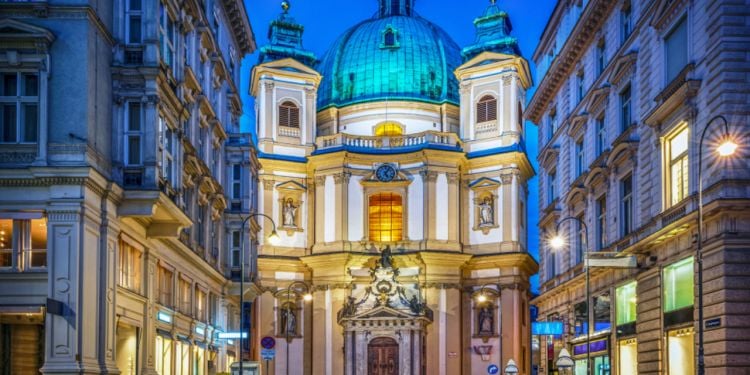
Working in Austria
The Austrian economy is strong, with a high gross domestic product and a high quality of life for ...

Setting up a business in Austria
If you are seeking more than employment, starting your own business in Austria would be the other ...

The labor market in Austria
Whether you are looking for a new job or are interested in a future-oriented further education in ...
Studying in Austria
Austria attracts a significant number of international students due to its highly regarded higher education system and inspiring academic environment. The country is home to 22 public universities, 16 private universities, and 21 Fachhochschulen (universities of applied sciences). Notable institutions include the University of Vienna, the Mozarteum University of Salzburg for music, the Vienna University of Economics and Business, and the Montanuniversität Leoben for environmental studies.
Why study in Austria?
Austrian universities offer high-quality education across various fields, particularly renowned for their artistic, economic, and technical programs. The cost of study is very affordable for European citizens: public universities are tuition-free for the first six semesters, followed by a fee of approximately 750 euros per year thereafter. The multicultural environment, dynamic student life, and Austria’s central location in Europe are also significant advantages. However, a good command of German (usually around C1) is typically required to follow most programs, although there are some courses available in English.
💡 Our tips
- Plan for the admission process, as deadlines and criteria vary by institution.
- Check the language requirements and prepare the necessary certifications (TestDaF, Goethe-Zertifikat).
- Explore available scholarships through OeAD (Austrian Academic Exchange Service).
- Budget for housing expenses, as dormitory places are limited, particularly in Vienna.
📍 Learn more
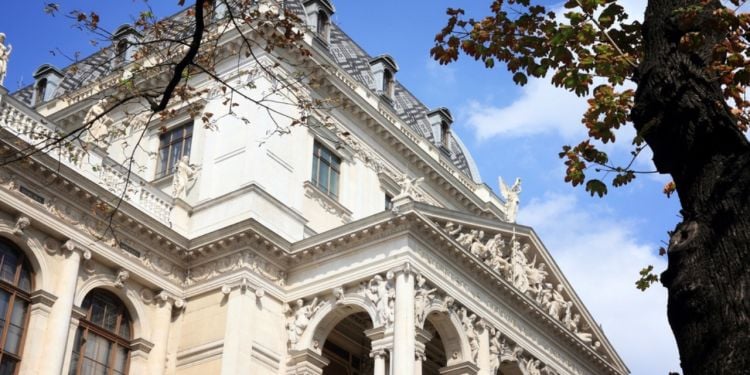
Study in Austria
Austrian universities are highly esteemed throughout Europe, boasting a diverse range of courses available in both German and English. Studying in ...
Retirement in Austria
Retiring in Austria mainly attracts former expats who have worked there rather than retirees moving directly from France. The country entices with its high quality of life, a notable efficient healthcare system, and favorable taxation for foreign retirees. If you have a stable income, Austria can be an interesting destination for your retirement years, particularly due to its cultural and geographical proximity to France.
3 major advantages
- A favorable tax system: The Franco-Austrian tax treaty avoids double taxation on private pensions, which are only taxable in Austria. Retirees also benefit from a tax allowance of 400 euros.
- A high-quality healthcare system: Austria boasts a healthcare system that is recognized as one of the best in Europe, with modern infrastructure and easy access to medical care. However, private health insurance is still recommended.
- An attractive living environment: With its alpine mountains, vibrant cultural cities, and overall security, Austria provides a pleasant atmosphere for retirees, along with a wealth of cultural and sports activities.
💡 Things to know
- The legal retirement age in Austria is currently set at 65 for men and 60 for women. This age will gradually increase for women until 2033, to reach 65 as well.
- There is no specific visa for European retirees. You will need to register with the local authorities and obtain your residence certificate (Meldezettel) if you stay in the country for more than three months.
- French pensions are usually paid as normal. You will need to inform your pension fund of your change of address and provide an annual certificate of life to the relevant authorities.
- The cost of living in Austria is about 6% higher than in France. For a comfortable standard of living in Vienna, plan for a net monthly income of at least 2000 to 3000 euros per person, depending on your lifestyle and activities.
Finance and banks in Austria
Managing your budget effectively is crucial for a successful expatriation to Austria. The Austrian banking system is renowned for its stability and security, which instills confidence in expatriates. The cost of living is slightly higher than in France (approximately 6% more), but it remains lower than in many European capitals. The Austrian tax system offers benefits for workers, featuring a progressive and capped tax structure.
💡 Our tips
- Open a local bank account as soon as you arrive to streamline your daily payments and receive your salary. European residents only need a valid form of identification and proof of residence (Meldezettel).
- Familiarize yourself with the Austrian tax system. If you reside more than six months a year in the country, you will be taxed on your worldwide income. The income tax is progressive and capped at 55%.
- Check the Franco-Austrian tax agreement, which helps avoid double taxation. Private pensions are only taxable in Austria, while public pensions are generally taxed in France.
- Compare banking offers between traditional institutions (Bank Austria, Erste Bank, Raiffeisen) and online banks (N26) that often offer reduced fees, which are especially appreciated by young expatriates.
- The withholding tax system is applied in Austria just like in France, simplifying tax management for employees.
📍 Further reading

Health care in Austria
The Austrian healthcare system is renowned as one of the best in Europe and is based on a mandatory health insurance (Krankenversicherung) funded by contributions from both employees and employers. About 18% of gross salary is deducted monthly for social security contributions. Self-employed workers typically pay around 300 euros per month for the first three years of their activity. This public system provides comprehensive coverage that includes medical consultations, hospital care, prescribed medications, and basic dental services.
The system is divided into two segments:
- Contracted doctors (marked with "Kassenarzt" or "Alle Kassen") offer free or reduced-cost care for those insured through social insurance.
- A private sector that provides services without waiting times, but at considerably higher rates. A private health insurance policy can be beneficial, especially for covering specialized dental care, vision, or private hospital rooms.
💡 Key information
- No vaccinations are mandatory for entering or residing in Austria. However, it is recommended to stay up-to-date with standard vaccinations.
- The emergency number is 112.
- The electronic card, e-Card, is automatically issued to you after registration with your health insurance provider. It grants you free access to publicly contracted health service providers.
- Pharmacies (Apotheke) are easily accessible throughout the country. Emergency pharmacies are available at night and on public holidays for a small fee.
📍 To learn more

The health system in Austria
Choosing to move to Austria is a very good decision if it's for having a stable and high-class ...

Accidents and emergencies in Austria
It is important to be prepared and aware of the available resources in case of an emergency or when ...

Pregnancy in Austria
Do you live in Austria and would like to know about pregnancy? We will inform about everything that ...
Education and schools in Austria
The Austrian education system is mandatory from the age of 6 and primarily conducted in German, with English as a second language. The standards are well-regarded, although the system can be quite competitive. Generally, expats tend to prefer private and international schools that offer curricula tailored to their future relocation or mobility plans.
Choosing schools:
- Public schools: free for children residing in Austria, they provide quality education in German. The only costs associated are for textbooks, some supplies, and extracurricular activities. They are less popular among expats due to the language barrier.
- Local private schools: these offer instruction in either German or English, with annual fees varying based on the school's reputation, typically between €5,000 and €15,000 per year.
- French school: the Lycée Français de Vienne, managed directly by the AEFE, follows the French education system from nursery through high school. The tuition fees are about €7,200 for nursery and can go up to €11,000 for high school for full boarding. The school also offers an international section.
- International schools: highly sought after by expats, these institutions provide British, American, or IB (International Baccalaureate) programmes. Among the most reputable in Vienna are the Vienna International School, American International School Vienna, and Danube International School. Annual fees range from €15,000 to €33,000, depending on the institution and grade level.
🔧 Practical tips
- Register your children as early as possible; waiting lists are common in international schools and at the Lycée Français, especially for entry levels (nursery, CP (first grade), sixth form).
- For public schools, registration takes place through local authorities. For private and international schools, contact the institutions directly, as they often conduct admission tests.
- Check the language level required for international schools: some may ask for a minimum level of English or conduct evaluation tests before admission.
Accommodation in Austria
Accommodation is a significant expense in Austria, especially in Vienna, where the rental market is dynamic but competitive. Renting is typically the preferred choice initially. Rental contracts can be for a fixed term (usually three years, renewable with the possibility of renegotiation) or for an indefinite term (unbefristet). The latter are generally indexed to the construction index, which means the rent can automatically increase each year based on the changes in construction costs and inflation. Expect to pay a deposit equivalent to three months' rent. As of 2023, agency fees are no longer the responsibility of the tenant, except in specific cases. In the popular neighborhoods of Vienna, a one-bedroom apartment typically rents for between €975 and €1,050 per month. For a three-bedroom property, budget around €1,500 to €2,400 per month depending on location and condition.
Property purchase is an option available to foreigners and can be a wise investment in the long run, particularly in Vienna, where the average price per square meter hovers around €7,000. However, be cautious of the Ablöse, a fee occasionally requested by the previous tenant corresponding to the value of the furniture left behind, which can sometimes lead to scams.
📍 Further reading
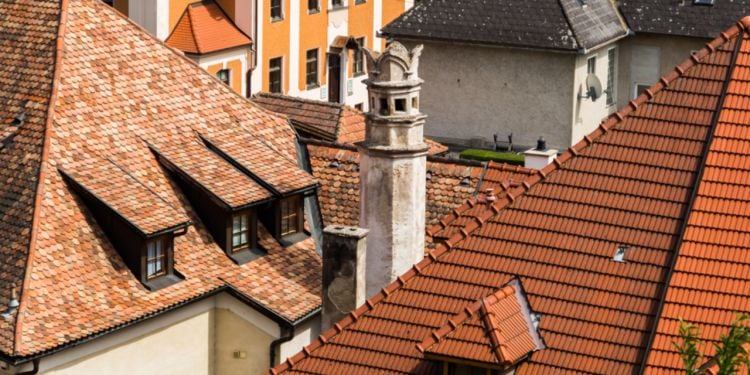
Accommodation in Austria
There is a wide range of accommodation options available in Austria, from apartments and houses for rent to flatshare options. In metropolitan ...
Moving to Austria
Preparing for an international move to Austria requires careful planning and organization. From transporting your belongings and handling administrative formalities to adapting to a new culture, there are several key elements to consider in advance to make your relocation smoother.
- Compare quotes from international moving companies and get insurance that suits your needs to protect your personal belongings.
- Be prepared for any customs procedures. For European Union citizens, personal belongings typically enter the country tax-free, but a detailed inventory may be requested.
- Gather your essential documents (passport, translated and certified diplomas, civil status certificates, work contracts, medical certificates). Some documents may need to be translated into German by a sworn translator.
- Check the compatibility of your electronic devices. Austria operates on a 230V/50Hz system with type F (Schuko) plugs, which are the same as those used in France, so you won’t need any adapters.
- If you’re traveling with a pet, make sure it has a microchip (or a readable tattoo made before July 2011), is up-to-date on its rabies vaccination, and has a European passport. Dogs must be registered with the local municipality by the time they are three months old and an annual tax applies. Some breeds require a specific ownership permit.
📍 To learn more
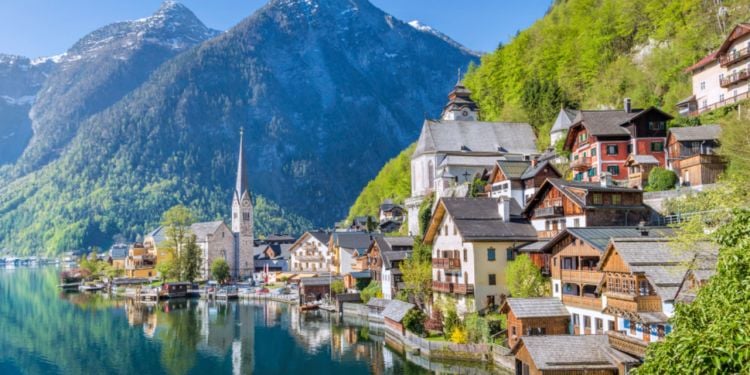

Leisure in Austria
Austria offers an unmatched range of activities. With its exceptional cultural heritage, pristine nature, and mountain sports, the country ensures a highly valued work-life balance for expatriates. Classical music, opera, and festivals shape the cultural landscape, while the Austria Alps provide a perfect playground for outdoor enthusiasts all year round.
Must-see highlights:
- The world-renowned ski resorts (St Anton, Kitzbühel, Zell am See), where skiing and snowboarding can be enjoyed in exceptional conditions, featuring slopes for all skill levels and the opportunity to ski on a glacier year-round.
- The hiking trails that wind through breathtaking alpine scenery, with nearly 24,000 km of marked paths in Tyrol and cycling routes like the Danube trail that offer 380 kilometers of picturesque views.
- The cultural richness of Vienna, with its imperial palaces (Schönbrunn, Hofburg), its world-class museums, historic cafés, and classical music concerts that preserve the legacy of Mozart, Strauss, and Beethoven.
📍 To explore further

Things to do in Austria
As the western terrain in Austria is very mountainous, skiing and snowboarding are very popular in the winter, with Austria being home to ...
Everyday life in Austria
Living in Austria means embracing a balanced lifestyle where the quality of public services, security, and respect for traditions all come together harmoniously. The country boasts modern and efficient infrastructure, an excellent educational system, and a culture of friendliness that makes it easier for expatriates to integrate.
Key points
- The country is very safe, with one of the lowest crime rates in Europe. Residential neighborhoods are peaceful, and the nightlife happens in a serene atmosphere.
- The work pace can be demanding, with a standard work week of 40 hours, but Austrians value work-life balance, enjoying generous annual leave (at least 25 days) and a respect for rest periods.
- Public transport is excellent, punctual, and affordable. In Vienna, an annual pass costs around 365 euros (or roughly 1 euro per day) for unlimited access to the metro, buses, and trams. The Austrian railway system ÖBB is among the best in Europe.
- Internet and mobile services are reliable and affordable. Mobile plans start at around 10 euros per month, and free WiFi is widely available in public places, cafes, and transport. For home internet, expect to pay between 25 and 40 euros per month, depending on the provider and speed chosen.
- The opening hours of shops vary, but most close early in the evening (around 6-7 PM) and remain closed on Sundays, except in tourist areas and stations.
- Punctuality is very important in Austrian culture, both in professional and personal contexts. Arriving on time for appointments is seen as a fundamental mark of respect.
📍 To learn more
Getting around Austria
Austria has a number of modern airports that serve international and domestic flights. The largest airports, most likely to be used by ...

Phones, internet and mail in Austria
Austria offers fast and secure telecommunications throughout the country and has been known to be one of the best countries when it ...

Moving to Austria with children
There are several international schools in Austria, located mainly in Vienna and Salzburg. These schools provide a curriculum based on the American ...
Cost of living in Austria
The cost of living in Austria is slightly above the European average. Depending on your lifestyle and chosen city, you should budget between €1,600 and €2,200 per month for a single person, and €4,000 to €7,500 per month for a family of four in Vienna. In less expensive cities like Graz or Linz, these amounts can decrease by 20% to 30%.
Here are some estimated monthly expenses to give you a clearer picture of the cost of living in Austria:
For a single person | For a family of 4 | |
Food | €350 to €400 | €600 to €800 |
Utilities (water, electricity, internet, phone...) | €90 to €160 | €150 to €250 |
Healthcare (excluding insurance) | €30 to €50 | €100 to €200 |
Leisure & outings | €80 to €150 | €200 to €400 |
Education (if you have children) | / | €1,250 to €2,750 / month/child (International school) |
Rent | €975 to €1,050 for a one-bedroom apartment in a desirable area of Vienna | €1,500 to €2,400 for a one-bedroom apartment in a desirable area of Vienna |
Transport | €30 to €75 | €150 to €300 |
Subscriptions (gym, clubs, streaming services...) | €30 to €60 | €80 to €150 |
Imported goods (organic products, cheeses, wines...) | €50 to €100 | €150 to €300 |
Income tax | progressive from 0% to 55% | progressive from 0% to 55% |
The essentials to remember
Plan for your administrative tasks: visa if required, check entry requirements, understand taxation, and set up a bank account.
Take the time to read our articles, especially those dedicated to employment, housing, studying, healthcare, and transport options in Austria.
Feel free to ask questions in the Austria forum, where the expat community shares practical tips and personal experiences.
To integrate smoothly, be curious, embrace local customs, and enjoy the Austrian way of life, which is safe, culturally rich, and close to nature.
Moving to Austria means choosing a country that combines quality of life, stability, and exceptional heritage. Good preparation is essential for a successful transition. We hope this Expat.com guide has provided you with the insights needed to organize your move and fully enjoy your new life in Austria.
We do our best to provide accurate and up to date information. However, if you have noticed any inaccuracies in this content, please contact us.


News & testimonies
KC in Vienna: "I love living in an international city"
US expat, KC has spent several years in Vienna before moving back to her home country. Nowadays, she lives and works in a management position in Vienna. She particularly enjoys the quality of life, cultural events and green spaces.

A new girl in Vienna
My name is Kerry Smith (aka a new girl in vienna). I was born in Brighton, England (UK) and have lived there most of my life. I am currently living in Vienna, the capital of Austria.
Essential services for your expat journey