

Living in Hanoi: the ultimate expat guide
Everything you need to know for a successful life in Hanoi.
Hanoi, Vietnam's ancient capital, is a city where centuries of tradition meet the energy of a booming modern metropolis. With a population of around eight million, this bustling place has emerged as one of Southeast Asia's most attractive destinations for international professionals, students, and retirees. The city's tree-lined boulevards, French colonial architecture, and ancient temples create a unique atmosphere where East meets West. Hanoi's strategic position as Vietnam's political and cultural hub, combined with its remarkably affordable cost of living, makes it an increasingly popular choice for those seeking career opportunities or a lifestyle change in Asia.
5 good reasons to move to Hanoi
- Exceptional affordability: Enjoy a comfortable lifestyle at a fraction of Western costs.
- Thriving job market: Strong demand for foreign professionals in education, IT, finance, and multinational corporations, particularly for English teachers and technical specialists.
- Rich cultural heritage: Experience Vietnam's fascinating history through well-preserved temples, museums, and UNESCO World Heritage sites dating back over 1,000 years.
- Excellent food scene: Discover world-renowned Vietnamese cuisine, from cheap street eats to international restaurants catering to every taste.
- Growing expat community: Join thousands of international residents in welcoming neighborhoods like Tay Ho, with established support networks and social opportunities.
Source: Worldometer
Working in Hanoi
Hanoi's dynamic economy offers diverse employment opportunities for qualified expatriates. As Vietnam's capital and one of its largest cities, Hanoi has attracted significant foreign investment, creating demand for international talent across multiple sectors. The city's strategic importance and rapid development make it particularly appealing for professionals seeking career advancement in Southeast Asia.
Key Employment Sectors
Many foreign workers tend to find jobs in Hanoi in education and language instruction. The booming information technology industry, alongside multinational corporations in finance, marketing, and engineering, actively seeks expatriate talent. Further growth sectors include tourism, hospitality, and specialized corporate training for multilingual and expert professionals.
Work permits and requirements
Foreign nationals must obtain a work permit to work legally in Vietnam. Permits are typically valid for up to two years and can be extended. Employers sponsor applications, which generally require a university degree or relevant experience for technical roles, a health certificate, and a criminal background check. The process is streamlined under recent regulations, and employers no longer need to advertise vacancies for Vietnamese workers before hiring foreign staff in most cases.
Unemployment rate | 1.86% |
Average monthly salary (net) | VND12.9 million |
Key sectors for expats | Education, IT, finance, tourism |
Data correct as of November 2025.
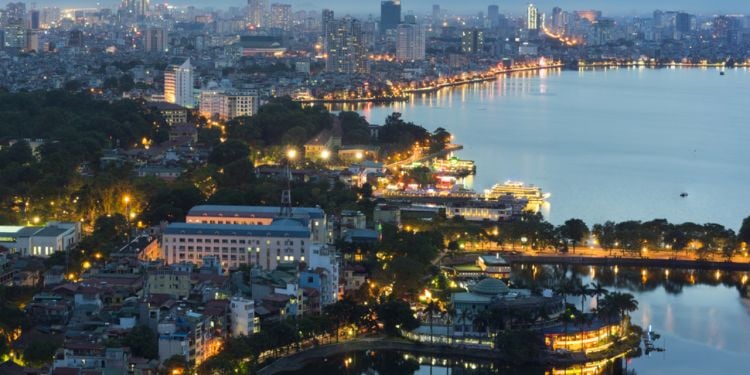
Working in Hanoi
Finding a job in Hanoi may not be too challenging if you are in a niche career field or have been in discussions with recruiters. Despite being from ...
Higher education & universities
Hanoi hosts Vietnam's most prestigious higher education institutions, offering international students access to quality programs in a culturally rich environment. The city's universities have expanded their English-taught courses and international partnerships, making Hanoi an increasingly attractive destination for degree-seeking students from around the world.
Leading universities
Vietnam National University, Hanoi (VNU) ranks among the country's top institutions, producing over 5,000 bachelor's graduates annually across its undergraduate programs. The VNU International School (VNU-IS), established in 2002, offers joint international programs with degrees awarded by partner universities including institutions from Malaysia and the United States. Hanoi University of Science and Technology (HUST) specializes in engineering and technology while Hanoi University focuses on foreign languages and international studies.
Admission requirements
International undergraduate applicants typically need a high school diploma and, for English-taught programs, proof of English proficiency such as IELTS 5.5 or TOEFL iBT 70. Some programs may also require a Vietnamese-language preparatory course. Applications should be submitted at least two months before the semester start date. Students generally need to show proof of financial support for at least one year's tuition. The academic year consists of two semesters plus optional summer sessions. Selected universities provide support including visa guidance, accommodation help, and orientation programs for international students..
Sources: VNU International School, Hanoi University of Science and Technology, Hanoi University
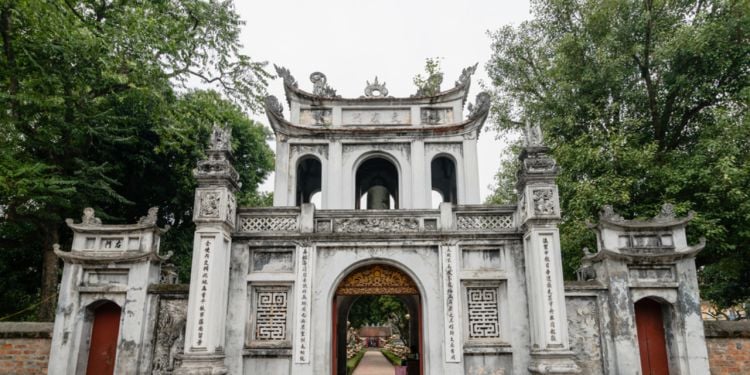
Study in Hanoi
Hanoi is growing exponentially and investing in its education sector. In 2024, Vietnam ranked 53rd in the world for education and continues to gain ...
Schooling for children
Hanoi offers comprehensive educational options for expatriate families, from local Vietnamese schools to prestigious international institutions following globally recognized curricula.
International schools
There are several international schools in Hanoi offering a choice between the International Baccalaureate (IB) and the British Curriculum. These include the United Nations International School of Hanoi (UNIS Hanoi) and the British International School Hanoi (BIS). Hanoi International School (HIS) also provides IB programs. Other options include the French International School and Singapore International School.
Enrollment process and costs
Beyond tuition, families should budget for registration fees, development fees, and deposits. These vary depending on the school, grade and other factors. To secure a place, schools typically require applications several months in advance. Candidates must also pass entrance assessments in mathematics, language, and English.
Sources: UNIS Hanoi, Hanoi International School
Housing & neighbourhoods
Finding suitable accommodation in Hanoi is relatively straightforward, with options ranging from serviced flats to large villas. The housing market in Hanoi offers excellent value compared to other Asian capitals, though prices vary significantly by location and amenities. Most expatriates secure housing through online listings, real estate agents, or recommendations from the expat community.
Popular expat neighborhoods
Tay Ho (West Lake) remains the most popular district among expatriates, surrounding Hanoi's largest lake. The area features international restaurants, cafés, gyms, and a vibrant foreign community where English is widely spoken. Ba Dinh District, home to government buildings and embassies, offers a more local atmosphere with good amenities and proximity to international schools. Hoan Kiem District (Old Quarter) provides historical charm and central location, ideal for those wanting to immerse themselves in Vietnamese culture, though it's busier and noisier.
Rental prices and rental process
Rental properties include serviced apartments (which typically have utilities and internet included), furnished apartments in residential buildings, and traditional houses or villas. Most landlords require a two-month deposit and prefer contracts of six months to one year. Rent is sometimes paid quarterly or semi-annually in advance. Many expatriates start with short-term serviced apartments while searching for longer-term accommodation.
1-bedroom apartment in the city center | VND7 million - 15 million/month |
3-bedroom apartment in the city center | VND15 million - 31.6 million/month |
Data correct as of November 2025.
Sources: Numbeo, Nest Living, Alpha Housing
🔍To learn more
Leisure, culture & things to do
Hanoi's rich culture and recreational offerings ensure expatriates always have engaging options. The city seamlessly marries its thousand-year-old heritage with contemporary attractions, appealing to residents of all interests and ages.
Cultural attractions and heritage
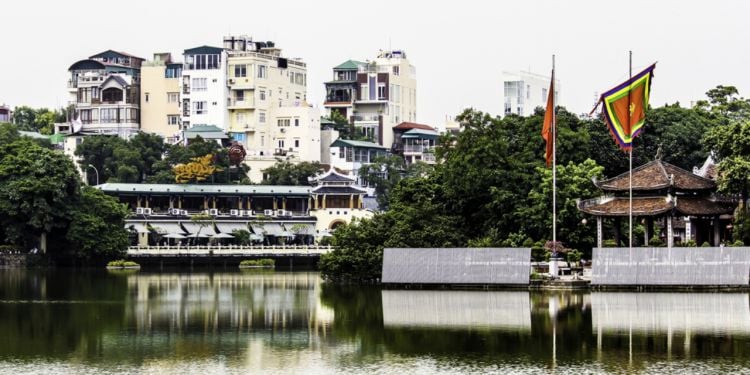
The Temple of Literature (Van Mieu), founded in 1070, is Vietnam's first national university and a stunning example of traditional architecture, featuring ancient doctor stelae and the iconic Khue Van Pavilion. Hoan Kiem Lake is located in the heart of the city and is a gathering spot for locals taking strolls and exercise; it connects to the Ngoc Son Temple via the red Huc Bridge. Other key sites include the Vietnam Museum of Ethnology, the Old Quarter’s 36 ancient streets, Hoa Lo Prison, and the Ho Chi Minh Mausoleum complex.
Entertainment and recreation
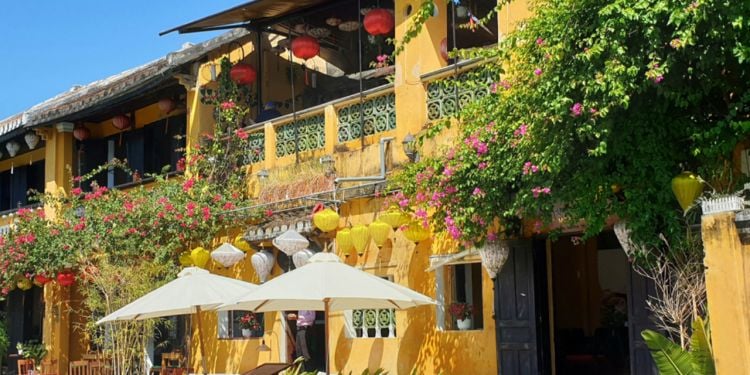
Top spots for nightlife in Hanoi include Tay Ho and the Old Quarter, featuring rooftop bars, live music venues, and local bia hois. If you are looking to get or stay active, there are plenty of gyms and yoga studios as well as organized football leagues and great places to run, such as the paths around West Lake. Excellent day trip destinations are Ha Long Bay, the terraced fields of Sapa, and the limestone karsts of Ninh Binh.
🔍To learn more
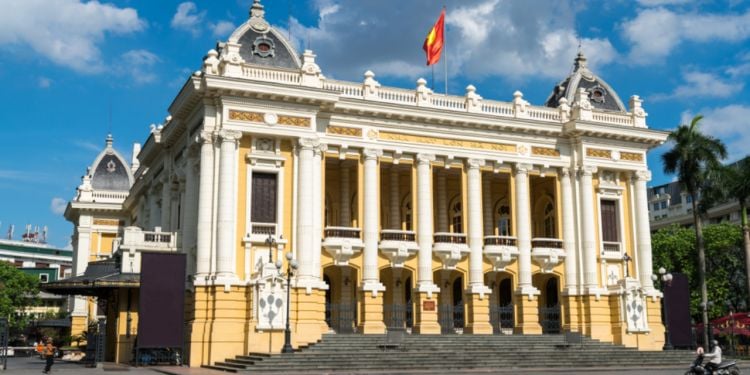
Leisure activities in Hanoi
Hanoi has an attraction to suit every taste and budget. From bustling marketplaces to beautiful ...
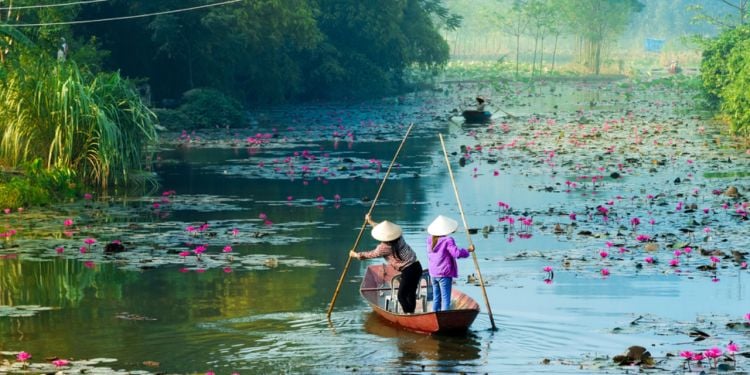
Sports activities in Hanoi
We know there's a lot of attention on the drinking culture in Hanoi, but what about the options ...

The food scene in Hanoi
A foodie's utopia, Hanoi is not only the capital of Vietnam but also a fierce contender for the ...
Daily life
Daily life in Hanoi moves at a distinctively Vietnamese pace, where motorbikes dominate the streets from early morning and street vendors serve fresh food throughout the day. Expatriates quickly adapt to the city's rhythm, discovering that Hanoi combines modern conveniences with traditional customs in surprisingly harmonious ways.
Getting around
Transportation in Hanoi is both remarkably affordable and diverse. Motorbikes are the most popular choice, with rentals or purchases common for long-term stays; many expats buy and resell before departure. Grab (Southeast Asia's Uber) offers convenient ride-hailing via both motorbikes and cars. The extensive public bus system is inexpensive, but routes can be challenging for non-Vietnamese speakers. Taxis are widely available and metered. Walking and cycling are pleasant in areas like Tây Hồ, though crossing streets requires confidence in the motorbike traffic.
Lifestyle and culture
Hanoi residents typically rise early, with streets bustling by 6:00 AM as locals exercise around lakes, practice tai chi, and enjoy breakfast at street stalls. The city's food scene is exceptional, with meals at local restaurants and international dining available. Bia hois (local beer gardens) are pleasant gathering spots where fresh draft beer is extremely affordable. The climate features four distinct seasons, with hot, humid summers, pleasant spring and fall, and cool, occasionally drizzly winters. Air quality can be challenging, particularly in winter months.
🔍To learn more

Discovering Hanoi
Characterized by rivers of motorbikes and waves of roaring horns, Vietnam's capital city ...

Developing your social and professional circles in Hanoi
In the bustling city of Hanoi, making new friends involves a blend of digital savvy and ...
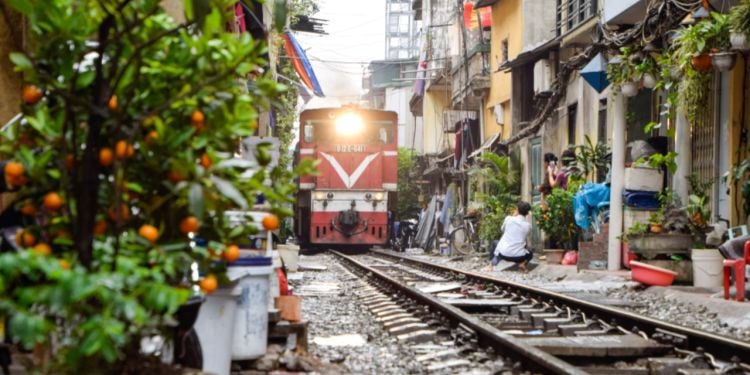
Getting around Hanoi
Hanoi is the capital city of Vietnam, and its roads accommodate more than a million vehicles. A glance down at the street from any high-rise building ...
Cost of living
The cost of living in Hanoi is one of Southeast Asia's most attractive factors, allowing expatriates to enjoy comfortable lifestyles at a fraction of Western expenses. The city ranks significantly below Singapore, Bangkok, and even Ho Chi Minh City in overall costs, making it particularly appealing for remote workers, retirees, and young professionals.
Monthly expenses for a single person
Rent (1-bedroom apartment in the city center) | VND7 million - 15 million |
Utilities | VND1.3 million - 4 million |
Groceries | VND1.5 million to 4 million |
Data correct as of November 2025.
Monthly expenses for a family of four
Rent (3-bedroom apartment in the city center) | VND15 million - 31.6 million |
Utilities | VND2 million - 5 million |
Groceries | VND6 million - 9 million |
Data correct as of November 2025.
Sources: Numbeo, VnExpress International, Vietnam Airlines
In short
Hanoi is an ideal destination for expatriates seeking adventure, professional growth, or a comfortable, affordable lifestyle that maintains high quality of life. This captivating city combines remarkably low living costs with rich cultural experiences, a welcoming international community, and growing economic opportunities. The city's unique blend of ancient traditions and modern conveniences creates an environment where expatriates quickly feel at home while continually discovering new experiences. Ready to start your Hanoi adventure? Join the conversation and connect with fellow expatriates on the Expat.com Hanoi forum to share experiences, ask questions, and get insider tips from those already living in Vietnam's capital.
We do our best to provide accurate and up to date information. However, if you have noticed any inaccuracies in this content, please contact us.


News & testimonies

Vietnam considers 10-year golden visa for expats and investors
Vietnam's proposed new Golden Visa aims to attract foreign investors and high-net-worth individuals, as the country capitalizes on its strong economic momentum. With GDP growth projected at 7.1% in 2024—driven largely by exports and foreign direct investment—the government is positioning itself for a “new era” of development and is setting its sights on double-digit growth.

Vietnam: businesses struggle to fill vacancies amid talent shortages
As Vietnam continues to emerge as a key player in the global economy, the country is facing a significant challenge - a shortage of skilled labor and talent. With a rapidly growing economy and increasing demand for skilled workers across a range of industries, Vietnam is struggling to keep pace with the needs of its businesses. In this article, we will explore the causes of Vietnam's labor and talent shortages, the impact on the economy, and potential solutions for addressing this pressing issue.

Why Vietnam attracts more and more expats?
In a recent survey conducted by Expat.com and global research agency, Kantar, Vietnam came fourth in the list of popular destinations for expat professionals. Abundant career opportunities, low cost of living and a comfortable lifestyle are what seem to attract travelers to the region. Some come on a holiday, some visit for longer and some stay for years. So, is Vietnam the new up-and-coming expat hub in Asia? That's what we are looking into in this article.

Six reasons why you should move to Vietnam
Stretching over 330,967 km² east of the Indochinese peninsula, Vietnam is one of the world's most attractive expat destinations, as much for retirees as for foreign professionals and students. A land of contrasts, what Vietnam has to offer goes beyond its natural landscapes interspersed with mountains, valleys, rice fields, its beautiful beaches, and peaceful sanctuaries. If you're looking for a change and for new opportunities, here are the reasons why you should move to Vietnam.
Essential services for your expat journey



